日本語

Aerospace-Grade Metal Conveyor System Accessories Fabrication Plant

目次
Superalloys Used in Conveyor System Accessories
Inconel Alloys
Hastelloy Alloys
Nimonic Alloys
Stellite Alloys
Titanium Alloys
Conveyor System Accessories Manufacturing Process
Vacuum Investment Casting
Precision Forging
CNC Machining
Isothermal Forging
Nickel-Based Drilling Tool Parts Quality Assurance
Nickel-Based Drilling Tool Parts Industries and Applications
Oil and Gas
Aerospace
Mining
Energy Generation
Conveyor System Accessories Rapid Prototyping
Rapid Prototyping Process
Importance of Verifying Samples
FAQs

Superalloys Used in Conveyor System Accessories

Superalloys, also referred to as high-performance alloys, are specifically designed to operate in extreme conditions. These alloys maintain their strength, resistance to oxidation and corrosion, and ability to perform under mechanical stress even at elevated temperatures. They are crucial in applications that require exceptional material properties, such as those in the aerospace, automotive, and chemical industries.

The types of superalloys used in manufacturing aerospace-grade metal conveyor system accessories include:

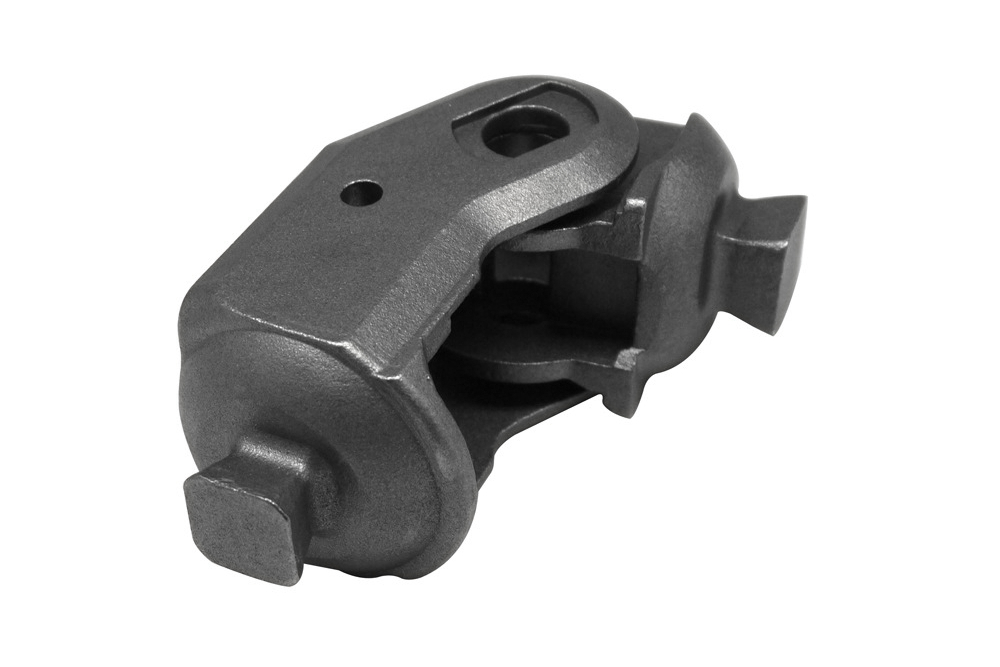
aerospace-grade-metal-conveyor-system-accessories-fabrication-plant

Inconel Alloys

Inconel alloys, particularly alloys like Inconel 718 and Inconel 625, are nickel-based superalloys that excel in high-temperature environments. Known for their excellent resistance to oxidation, corrosion, and thermal-fatigue cracking, Inconel is ideal for parts exposed to extreme temperatures and corrosive environments. Inconel alloys are used in parts such as pulleys, bearings, and roller assemblies for aerospace conveyor systems, where high strength and corrosion resistance are essential.

Hastelloy Alloys

Hastelloy alloys are a family of nickel-based alloys that offer exceptional resistance to oxidation, corrosion, and other forms of chemical degradation. Hastelloy alloys, such as Hastelloy X, are commonly used in the aerospace industry for components exposed to harsh environments, including fuel lines and chemical-processing systems. These alloys are particularly useful for conveyor systems that operate in areas with harsh chemical exposure or where high temperatures and mechanical wear are prevalent.

Nimonic Alloys

Nimonic alloys are known for their excellent resistance to oxidation, corrosion, and high-temperature creep. The most commonly used alloy in this family for aerospace-grade conveyor system accessories is Nimonic 80A. Nimonic 80A exhibits high resistance to thermal fatigue, making it an ideal material for aerospace systems that may be subjected to extreme heat and mechanical stress. The alloy is used in bearings, rollers, and other moving components of conveyor systems in industries requiring high reliability and durability.

Stellite Alloys

Stellite alloys are a family of cobalt-based alloys known for their superior wear resistance. These alloys are commonly used in conveyor system accessories exposed to abrasive wear. In applications where high impact and friction are joint, such as in high-performance aerospace conveyor systems, Stellite alloys provide extended service life and enhanced durability.

Titanium Alloys

Titanium alloys are another essential material used in aerospace-grade conveyor system components. Titanium alloys offer a combination of high strength, low density, and excellent corrosion resistance. These alloys are ideal for conveyor systems that operate under high mechanical loads while minimizing weight, a crucial factor in aerospace applications.

Conveyor System Accessories Manufacturing Process

Manufacturing aerospace-grade metal conveyor system accessories involves various advanced techniques to ensure the final product meets strict specifications. These techniques are selected based on the material properties, required precision, and expected service conditions of the accessories.

Vacuum Investment Casting

This method is used to manufacture complex and precise components. During the vacuum investment casting process, a wax pattern is coated with a ceramic shell, which is then heated to remove the wax and harden the shell. Once the shell is prepared, molten metal is poured into the mold under a vacuum to avoid impurities. Vacuum investment casting is particularly beneficial for creating parts with intricate geometries and fine details, such as pulleys, bearings, and rollers used in conveyor systems. This process ensures that the parts produced are free from internal defects, which is crucial for aerospace applications where failure could have catastrophic consequences.

Precision Forging

Forging is a process in which metal is heated and then shaped under pressure to create specific shapes. Precision forging is used to produce parts with improved strength and durability. High precision is maintained in this process to ensure the final part has optimal mechanical properties. Precision forging is particularly practical in producing parts such as sprockets, gears, and rollers for conveyor systems. The process refines the grain structure of the alloy, making the component stronger and more resistant to fatigue, which is particularly important for components used in high-stress environments.

CNC Machining

CNC machining is a precise method for cutting, shaping, and milling parts to exact specifications. CNC machines are programmed to remove material from a workpiece, allowing tight tolerances and high-quality finishes. In manufacturing aerospace-grade metal conveyor system accessories, CNC machining ensures that parts such as pulleys and bearings are precisely shaped to ensure smooth operation. The accuracy achieved through CNC machining enables the creation of components that meet stringent aerospace standards for dimensional precision and mechanical performance.

Isothermal Forging

Isothermal forging is a technique in which the temperature of the forging die and the material are controlled to maintain uniform heat. This process helps prevent temperature variations within the material, ensuring that the part's properties are uniform and free from internal stresses. For aerospace applications, isothermal forging is particularly useful for producing parts that must maintain structural integrity at elevated temperatures, such as components used in high-heat environments.

Nickel-Based Drilling Tool Parts Quality Assurance

Ensuring the quality of nickel-based drilling tool parts is essential to guarantee their reliability and longevity in high-stress environments. Manufacturers utilize a wide range of quality assurance measures to validate the integrity and performance of the parts at every stage of production.

Material Testing: The first step in quality assurance is material testing. Before any part is manufactured, the raw nickel-based alloys undergo rigorous testing to verify their chemical composition and mechanical properties. It ensures that the materials meet the required specifications and are suitable for the intended application. Various tests, such as spectrometric analysis and tensile testing, are conducted to verify the alloy's composition and its mechanical behavior under stress.

Non-Destructive Testing (NDT): During and after the manufacturing process, NDT methods are used to detect any internal defects, such as cracks, voids, or inclusions, that could compromise the performance of the drilling tools. Standard NDT techniques include X-ray inspection and ultrasonic testing. These tests enable manufacturers to verify that parts are free from defects without compromising the material, which is essential for maintaining the integrity of the tools.

Dimensional Inspection: Nickel-based drilling tools must meet stringent dimensional tolerances to ensure they fit together correctly and operate efficiently. Coordinate measuring machines (CMM) are commonly used for precise dimensional inspection, ensuring that the parts conform to the design specifications. Accurate dimensional measurement is crucial for parts such as drill bits and downhole tools, where even minor deviations can lead to malfunction or failure during operation.

Heat Treatment Validation: The heat treatment process must also be carefully monitored and validated to achieve the desired properties of the material. Hardness tests, tensile strength tests, and metallographic analysis are conducted to verify that the heat-treated material possesses the desired characteristics for optimal performance.

Fatigue and Wear Testing: Given the harsh conditions that drilling tools face, testing for fatigue and wear resistance is essential. These tests simulate the stresses that tools encounter during drilling operations, ensuring they maintain their performance over time.

Nickel-Based Drilling Tool Parts Industries and Applications

Nickel-based drilling tool parts are utilized in industries where drilling operations must be conducted in extreme conditions, necessitating durable, high-performance tools. The versatility of nickel-based alloys makes them suitable for a wide variety of applications across multiple sectors:

Oil and Gas

In the oil and gas industry, drilling tools are exposed to intense heat, high pressures, and corrosive substances. Nickel-based alloys such as Inconel and Hastelloy are ideal for manufacturing drill bits, drill pipes, and other downhole equipment that must withstand these harsh conditions. The durability and corrosion resistance of these materials help minimize downtime and improve operational efficiency.

Aerospace

In aerospace applications, nickel-based alloys are used in turbine engines, jet propulsion systems, and other components that require high strength and thermal resistance. Drilling tools for aerospace applications must be able to perform at extreme temperatures and under high mechanical stress, making nickel-based alloys essential for maintaining performance and safety in critical operations.

Mining

The mining industry requires drilling tools that withstand abrasive conditions and high mechanical stress. Nickel-based alloys are utilized in drill bits, reamers, and other tools to enhance performance and prolong the service life of equipment employed in mining operations.

Energy Generation

Nickel-based alloys are utilized in energy generation applications, particularly in geothermal drilling, where tools must withstand high temperatures and aggressive fluids. These alloys are also used in nuclear power plants and other energy generation systems where reliable drilling tools are essential for maintaining production efficiency.

Conveyor System Accessories Post-Process

After manufacturing, several post-processing techniques are applied to enhance the performance and durability of conveyor system accessories. Some of the standard post-processing methods include:

Hot Isostatic Pressing (HIP): This technique is used to improve the density of cast parts by eliminating internal porosity. HIP increases the strength and fatigue resistance of the parts, ensuring they can withstand the mechanical stresses experienced in conveyor systems.

Heat Treatment: Heat treatment processes, such as quenching and tempering, enhance the hardness and tensile strength of components. These processes enhance the wear resistance of conveyor system accessories, allowing them to perform reliably in high-stress environments.

Surface Coatings: Surface coatings, such as thermal barriers or hard coatings, are applied to parts exposed to high wear and heat. These coatings protect the components from abrasion and oxidation, extending their service life.

Conveyor System Accessories Rapid Prototyping

Rapid prototyping plays a significant role in developing aerospace-grade conveyor system accessories. Techniques such as superalloy 3D printing and CNC machining enable engineers to quickly prototype and test designs before full-scale production.

Rapid Prototyping Process

Superalloy 3D printing technologies, such as Selective Laser Melting (SLM), can quickly create and test parts with complex geometries for optimal fit and performance. This process enables rapid iteration of designs, ensuring that any issues are identified and addressed early in the development process. CNC machining is also utilized in prototyping to produce parts that meet stringent tolerances and specifications.

Importance of Verifying Samples

Verifying prototype samples ensures that the final product meets performance and safety standards. Samples are tested for mechanical strength, wear resistance, and dimensional accuracy to ensure the design will function as intended in real-world conditions. Testing is critical to ensuring the integrity and performance of superalloy components.

FAQs

専門家による設計と製造のヒントをメールで受け取りたい方は購読してください。
この投稿を共有: