FGH97
Werkstoffeinführung
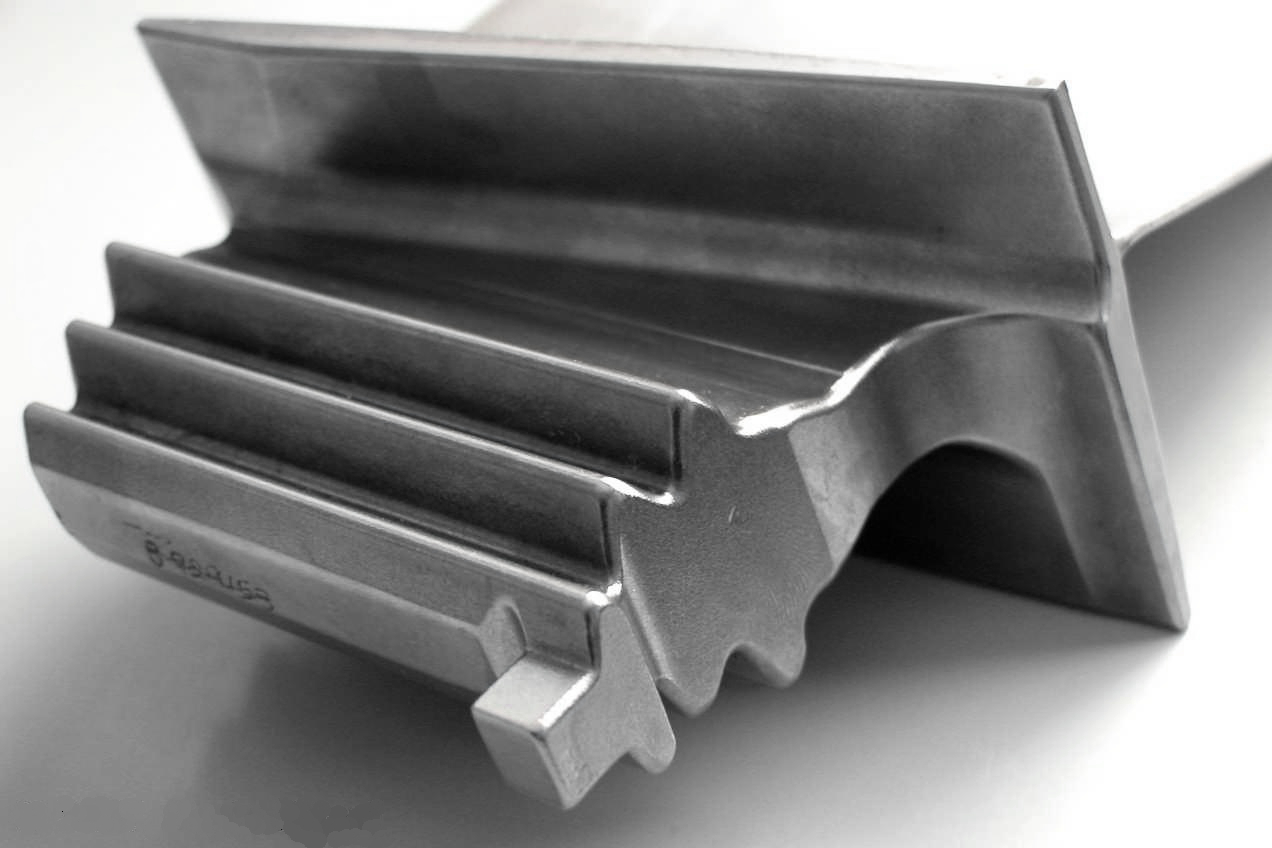
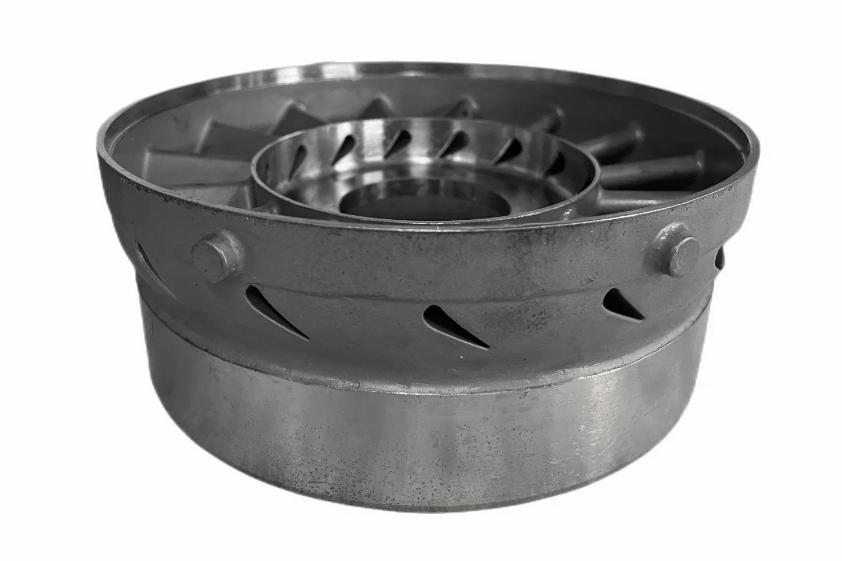
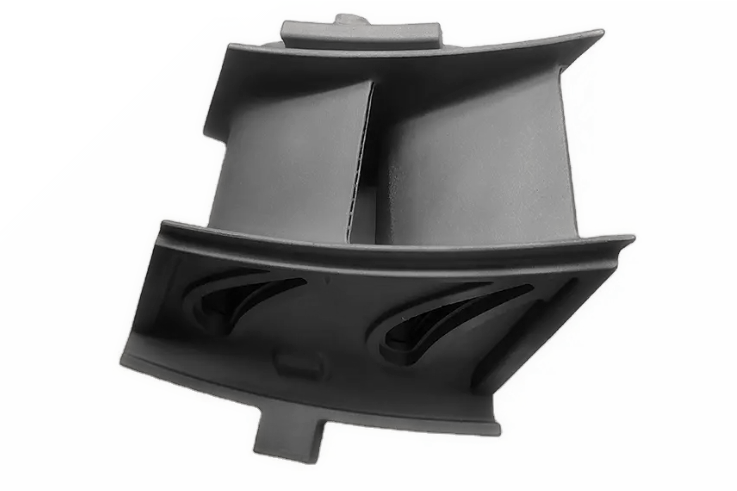
FGH97 ist eine hochleistungsfähige, auf Nickel basierende pulvermetallurgische (P/M) Superlegierung, die für die anspruchsvollsten Anwendungen von pulvermetallurgischen Turbinenscheiben in modernen Flugzeugtriebwerken entwickelt wurde. Konzipiert für den Langzeiteinsatz unter extremen thermischen und mechanischen Bedingungen, kombiniert FGH97 hervorragende Kriechbeständigkeit, herausragende Ermüdungsfestigkeit und außergewöhnliche mikrostrukturelle Stabilität bei Temperaturen zwischen 700 und 750 °C. Durch die Herstellung mittels P/M-Zerstäubung, heißisostatischem Pressen (HIP), isothermem Schmieden und mehrstufiger Wärmebehandlung erzielt die Legierung ein feines und gleichmäßiges γ/γ′-Gefüge, was ihre Hochtemperaturleistung erheblich verbessert. Optimierte Zusätze von Chrom, Kobalt, Molybdän, Wolfram, Aluminium und Titan verstärken die Legierung weiter durch sowohl Mischkristallhärtung als auch γ′-Ausscheidungshärtung. Unter den fortschrittlichen Fertigungssystemen für Turbinenscheiben von Neway AeroTech bietet FGH97 außergewöhnliche Zuverlässigkeit, Maßhaltigkeit und Langzeitperformance für Luftfahrtantriebssysteme.
Alternative Werkstoffoptionen
Für Turbinenschaufeln oder Bauteile bei ultrahohen Temperaturen, die die Leistungsfähigkeit von FGH97 überschreiten, bieten einkristalline Legierungen, verfügbar unter Einkristallguss, eine überlegene Kriechbeständigkeit. Für korrosive oder aggressive Heißgasumgebungen können Hastelloy-Legierungen oder Monel-Legierungen eine bessere chemische Beständigkeit bieten. Wenn Hot Wear oder metallisches Fressen dominieren, bieten kobaltbasierte Stellite-Legierungen überlegene Leistung. Für Niedertemperaturstufen, die Festigkeit bei reduzierten Kosten erfordern, sind Gussstähle oder ausscheidungshärtende Edelstähle geeignet. Wenn leichte Strukturen vorteilhaft sind, können Titanlegierungen wie TA15 als Ersatz für kühlere Turbinenstufenkomponenten dienen.
Internationale Äquivalente / Vergleichbare Güten
Land/Region | Äquivalent / Vergleichbare Güte | Spezifische Handelsmarken | Hinweise |
USA | René 104 / ME3 / René 95 | GE ME3, GE René 104, GE René 95 | Ähnliche fortschrittliche P/M-Turbinenscheibenlegierungen. |
Europa (EN) | P/M-Ni-basierte Turbinenlegierungen | EU-Luftfahrt-P/M-Scheibenwerkstoffe | Verwendung in hochbelasteten Turbinenrotoren. |
China (GB/YB) | FGH97 | FGH97 P/M-Legierungsreihe | Weit verbreitet für militärische und kommerzielle Flugzeugtriebwerke. |
ISO | Ni-basierte pulvermetallurgische Superlegierungen | ISO P/M-Hochtemperaturlegierungen | Deckt Anforderungen an Legierungszusammensetzung und mechanische Eigenschaften ab. |
Neway AeroTech | FGH97 P/M-Superlegierung | Gefertigt für präzise Anwendungen bei Turbinenscheiben. |
Konstruktionszweck
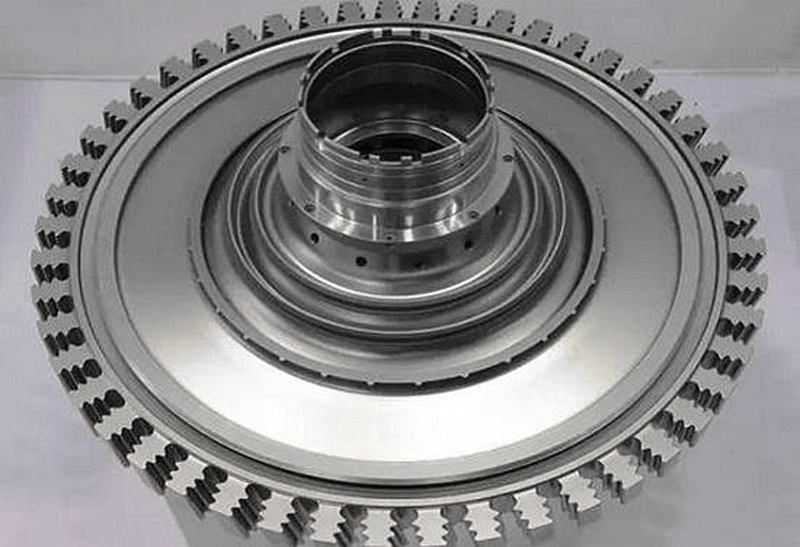
FGH97 wurde als verbessertes Turbinenscheibenmaterial entwickelt, das höheren Betriebsspannungen und Temperaturen standhalten kann als frühere Legierungen der FGH-Reihe. Der metallurgische Aufbau konzentriert sich auf die Maximierung des γ′-Volumenanteils, die Verbesserung der Kriechbeständigkeit und die Erhöhung der mikrostrukturellen Stabilität unter extremer zyklischer Belastung. Der pulvermetallurgische Weg vermeidet Makroseigerungen, die in gegossenen Superlegierungen vorkommen, und ermöglicht eine gleichmäßige Korngröße nach dem Schmieden. Mit seiner Fähigkeit, Festigkeit, Ermüdungsbeständigkeit und Maßhaltigkeit über Tausende von Flugzyklen hinweg aufrechtzuerhalten, ist FGH97 ideal für Hochdruckturbinen (HPT)- und Mitteldruckturbinen (IPT)-Scheiben, Verdichterscheiben und strukturelle Rotoren. Betreiber profitieren von einer verbesserten Triebwerkseffizienz, längeren Wartungsintervallen und erhöhter Zuverlässigkeit während Langzeitmissionen.
Chemische Zusammensetzung
Element | Ni | Co | Cr | Mo | W | Al | Ti | Sonstige |
Typisch (%) | Rest | 12–16 | 12–15 | 3–4 | 4–6 | 2–3 | 3–4 | B, Zr, C, Hf (Spuren) |
Physikalische Eigenschaften
Eigenschaft | Wert |
Dichte | ~8,2–8,3 g/cm³ |
Schmelzbereich | ~1320–1370 °C |
Wärmeleitfähigkeit | ~8–11 W/m·K |
Elektrische Leitfähigkeit | ~2–4 % IACS |
Wärmeausdehnung | ~13–15 µm/m·°C |
Mechanische Eigenschaften
Zugfestigkeit (RT) | ~1200–1500 MPa |
Streckgrenze (RT) | ~950–1250 MPa |
Bruchdehnung | ~10–17 % |
Hochtemperaturfestigkeit | Ausgezeichnet bis ~750 °C |
Kriechbeständigkeit | Überlegene Langzeitperformance |
Ermüdungsfestigkeit | Hoch unter sowohl HCF- als auch LCF-Bedingungen |
Hauptmerkmale des Werkstoffs
Sehr hohe Zug- und Streckgrenze sowohl bei Raumtemperatur als auch bei erhöhten Temperaturen.
Ausgezeichnete Kriechbeständigkeit, essentiell für den Langzeitbetrieb von Turbinenscheiben.
Verbesserte Ermüdungsleistung, geeignet für wiederholte Hochgeschwindigkeitsrotation.
Gleichmäßiges Gefüge dank Pulvermetallurgie, wodurch Gussseigerungen eliminiert werden.
Hoher γ′-Volumenanteil bietet außergewöhnliche Hochtemperaturverstärkung.
Stabiles Gefüge unter thermischer Zyklisierung, reduziert Verzug und Wachstum.
Starke Oxidationsbeständigkeit durch schützende Cr- und Al-Oxidschichten.
Kompatibilität mit HIP-Verdichtung für premium Integrität.
Geeignet für fortschrittliche Luftfahrt-Turbinenscheiben, die extreme Zuverlässigkeit erfordern.
Ausgezeichnete Schadenstoleranz und Widerstand gegen Rissausbreitung.
Fertigbarkeit und Nachbearbeitung
Pulvermetallurgische Verarbeitung erzeugt feines, homogenes Legierungspulver für ein seigerungsfreies Gefüge.
HIP-Konsolidierung sorgt für vollständige Verdichtung für rissfreie Turbinenscheiben.
Isothermes Schmieden richtet das Gefüge für optimale Ermüdungs- und Kriechbeständigkeit aus.
Mehrstufige Wärmebehandlung verbessert die γ′-Ausscheidung und Stabilität.
CNC-Bearbeitung erreicht enge Toleranzen für Bohrungen, Tannenbaumprofile und Befestigungsflächen.
EDM ermöglicht die präzise Formgebung komplexer Merkmale.
Tiefbohren unterstützt die Integration von Kühlkanälen, falls erforderlich.
Werkstoffprüfung und Analyse bestätigen die metallurgische Integrität und Flugtüchtigkeit.
Kugelstrahlen verbessert die Ermüdungsleistung und Rissbeständigkeit.
Röntgen, UT und CT gewährleisten die fehlerfreie Qualität der Turbinenscheiben.
Geeignete Oberflächenbehandlungen
Kugelstrahlen zur Einbringung von Druckspannungen und Verlängerung der Ermüdungslebensdauer.
Diffusionsbeschichtungen zum Schutz vor Oxidation und Korrosion.
Wärmedämmschichten (TBC) für Hochtemperatur-Turbinenstufen.
Präzisionsschleifen und Polieren für Passflächen.
Spannungsarmglühen.
Metallografische Verifizierung durch Werkstoffprüfung.
Übliche Branchen und Anwendungen
Luft- und Raumfahrt & Aviation: Hochdruck- und Mitteldruck-Turbinenscheiben.
Militärluftfahrt: Nachbrenner-Triebwerksscheiben und Rotoren.
Energieerzeugung: Aeroderivative Turbinenrotoren.
Fortschrittliche Energiesysteme: Rotierende Hochtemperaturkomponenten.
Industrielle Turbinen, die extreme Festigkeit und Ermüdungsstabilität erfordern.
Wann Sie diesen Werkstoff wählen sollten
Hochtemperatur-Turbinenscheiben: Perfekt für Betriebsbereiche von 650–750 °C.
Hochgeschwindigkeits-, hochbelastete rotierende Komponenten: Bietet außergewöhnliche Ermüdungs- und Zugfestigkeit.
Langzeit-Kriechumgebungen: Konzipiert für prolonged Hochtemperaturbelastung.
Anforderungen an seigerungsfreies Gefüge: Pulvermetallurgie gewährleistet Gleichmäßigkeit.
Zuverlässigkeit auf Luftfahrtniveau: Geeignet für missionskritische Flughardware.
Stabile Performance unter thermischer Zyklisierung: Erhalt der mikrostrukturellen Integrität über Flugzyklen hinweg.
Hohe Haltbarkeit und lange Lebensdauer: Reduzierte Wartungsstillstandszeiten.
Fortschrittliche Turbinendesigns: Ideal zur Steigerung der Effizienz von Triebwerken der nächsten Generation.
Verwandte Blogs erkunden