Gussstähle
Werkstoffeinführung
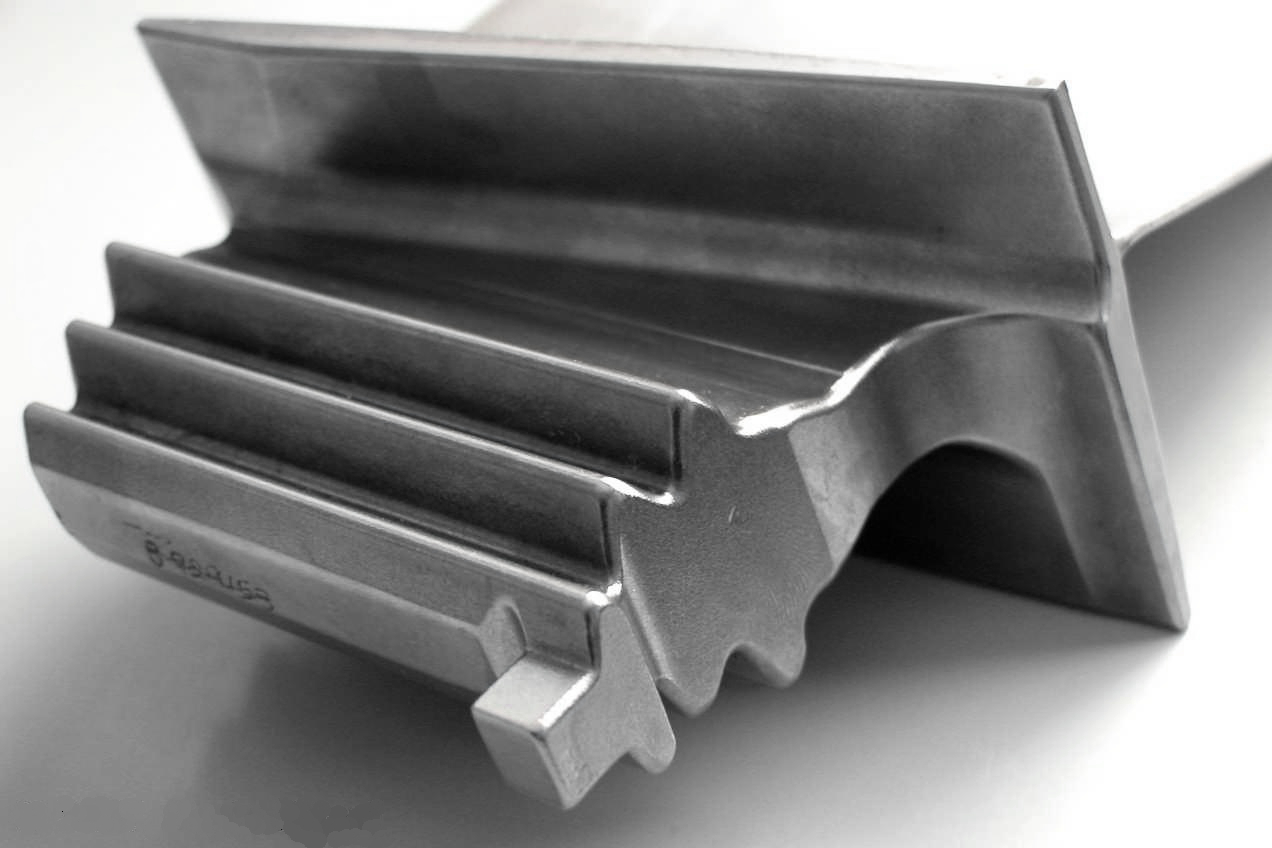
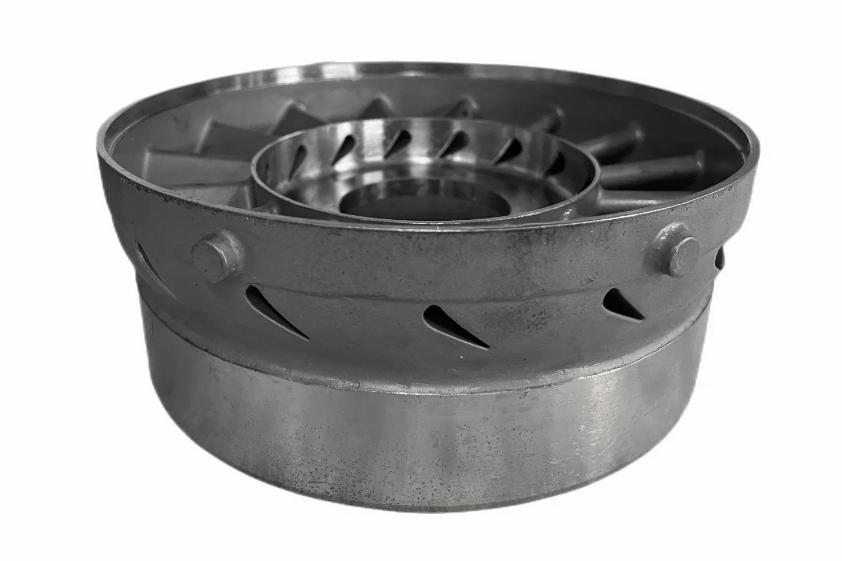
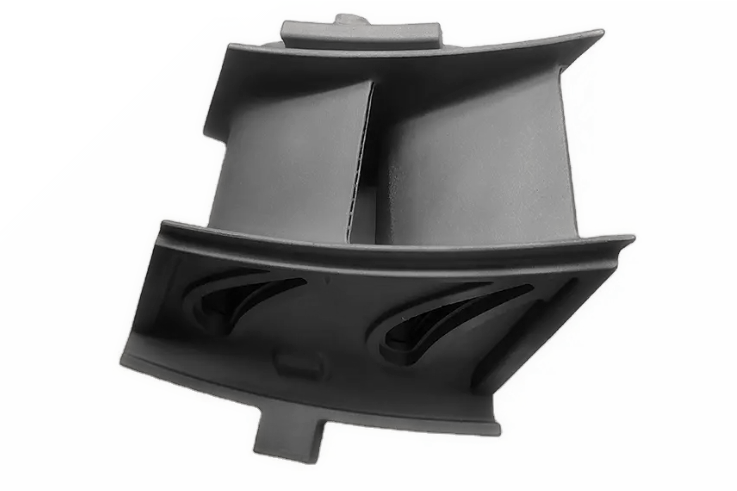
Gussstähle sind vielseitige und weit verbreitete Legierungen, die darauf ausgelegt sind, ein Gleichgewicht zwischen Festigkeit, Zähigkeit und Kosteneffizienz in einem breiten Spektrum industrieller Anwendungen zu bieten. Wenn sie durch hochpräzises Feingießen hergestellt werden, liefern diese Stähle hervorragende Maßhaltigkeit, überlegene Oberflächengüte und die Fähigkeit, komplexe near-net-shape-Komponenten mit minimaler Nachbearbeitung zu fertigen. Ihre Zusammensetzung umfasst üblicherweise kontrollierte Mengen an Kohlenstoff, Chrom, Nickel, Molybdän und Mangan, was maßgeschneiderte mechanische Eigenschaften wie hohe Zugfestigkeit, Schlagzähigkeit und Ermüdungsbeständigkeit ermöglicht. Durch Neway AeroTechs fortschrittliche Technologien für das Speziallegierungsgießen und präzise Anschnittsysteme können Gussstähle konsistent hergestellt werden, um den anspruchsvollen Anforderungen von Luftfahrt-, Energie-, Maschinenbau- und Verteidigungsanwendungen gerecht zu werden. In Kombination mit optimierter Wärmebehandlung und Nachprozessverbesserung erreichen feingegossene Stahlkomponenten eine hohe Zuverlässigkeit und lange Lebensdauer in strukturellen, drucktragenden und verschleißfesten Anwendungen.
Alternative Werkstoffoptionen
Wenn die Leistungsanforderungen über die Fähigkeiten von Standard-Gussstählen hinausgehen, stehen mehrere Hochleistungsalternativen zur Verfügung. Für Hochtemperaturanwendungen oder oxidationsbeständige Umgebungen bieten Inconel-Legierungen und nickelbasierte Guss-Superlegierungen überlegene Kriech- und Korrosionsbeständigkeit. Bei extremem Verschleiß oder Metall-auf-Metall-Kontakt bieten Stellite-Kobaltbasislegierungen unübertroffene Warmhärte und Fressbeständigkeit. Für leichte Strukturen, die sowohl Festigkeit als auch reduzierte Dichte erfordern, bieten entwickelte Titanlegierungen hervorragende Ermüdungs- und Korrosionsbeständigkeit. In Umgebungen mit aggressiven Chemikalien oder hohen Korrosionsanforderungen können Hastelloy-Legierungen oder Monel-Legierungen bevorzugt werden. Wenn gerichtete mechanische Eigenschaften erforderlich sind, können globulitische Kristallgussteile oder gerichtet erstarrte Superlegierungen ausgewählt werden, um die Ermüdungs- und Kriechbeständigkeit zu verbessern.
Internationale Äquivalente / Vergleichbare Güten
Land/Region | Äquivalente / Vergleichbare Güte | Spezifische Handelsmarken | Hinweise |
USA (ASTM) | ASTM A216 WCB / A352 LCB / A487 | WCB, LCB industrielle Gussstähle | Häufige Güten für Maschinen, Ventile, Druckteile. |
Europa (EN) | GS-45 / GS-52 / GS-60 | EN-Stahlguss von großen EU-Gießereien | Allgemeine Struktur- und Druckgussteile. |
Deutschland (DIN) | DIN 1681 / GS-38 / GS-45 | Deutsche Norm für Kohlenstoff- und niedriglegierte Stahlgüsse | Hohe Zuverlässigkeit für mechanische und Druckkomponenten. |
China (GB/T) | ZG230-450 / ZG270-500 / ZG20CrMo | Gängige inländische Gussbaustähle | Entsprechen ASTM- und DIN-Gusskohlenstoff- und -legierungsstählen. |
Japan (JIS) | SCW / SC / SCM Gussstähle | SC410, SC480, SCMn | Weit verbreitet für Ventile, Armaturen, Maschinen. |
ISO | ISO Gusskohlenstoff- und -legierungsstähle | Allgemeine globale Gusslegierungen | Definiert chemische und mechanische Anforderungen für die globale Lieferung. |
Neway AeroTech | Speziallegierte Gussstähle | Optimiert für Präzision und Stabilität beim Feingießen. |
Konstruktionszweck
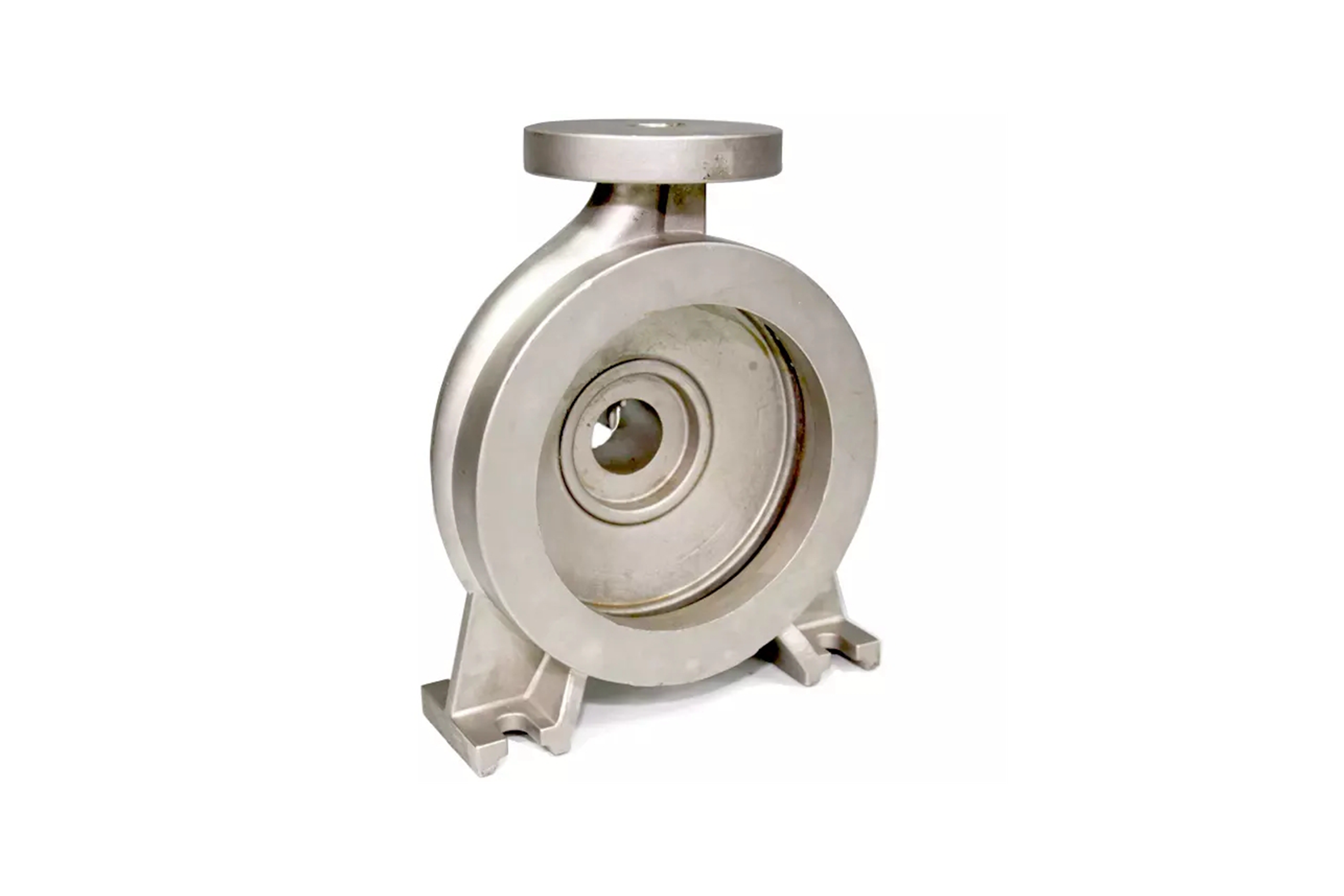
Gussstähle, die im Feinguss verwendet werden, wurden entwickelt, um hohe Strukturfestigkeit, ausgezeichnete Zähigkeit und zuverlässige Ermüdungsleistung zu bieten und dabei eine überlegene Gießbarkeit für komplexe Geometrien beizubehalten. Ihr metallurgisches Design ermöglicht eine kontrollierte Erstarrung, minimierte Schwindung und einheitliche Gefügestrukturen, die gut auf wärmebehandelnde Nachprozesse reagieren. Das Werkstoffsystem ist darauf ausgelegt, near-net-shape-Komponenten wie Gehäuse, Halterungen, Pumpengehäuse, Laufräder, Zahnräder und tragende Strukturen zu unterstützen, ohne die übermäßige Bearbeitung, die typischerweise für Schmiedestähle erforderlich ist. Durch die Kombination der hochpräzisen Fähigkeiten des Vakuum-Feingießens mit legierungsspezifischen Wärmebehandlungen bieten Gussstähle konsistente Maßhaltigkeit, glatte Oberflächen und mechanische Robustheit für industrielle, luftfahrttechnische und Energieanwendungen.
Chemische Zusammensetzung
Element | Kohlenstoff (C) | Mangan (Mn) | Chrom (Cr) | Nickel (Ni) | Molybdän (Mo) | Silizium (Si) | Sonstige |
Typisch (%) | 0,10–0,40 | 0,6–1,5 | 0–2,0 | 0–3,5 | 0–1,0 | 0,2–1,0 | Cu, V, Nb, Spurenelemente |
Physikalische Eigenschaften
Eigenschaft | Dichte | Schmelzbereich | Wärmeleitfähigkeit | Elektrische Leitfähigkeit | Wärmeausdehnung |
Wert | ~7,7–7,9 g/cm³ | ~1460–1520 °C | ~35–55 W/m·K | ~5–10 % IACS | ~11–13 µm/m·°C |
Mechanische Eigenschaften
Eigenschaft | Zugfestigkeit | Streckgrenze | Bruchdehnung | Härte | Schlagzähigkeit |
Wert | ~450–700 MPa | ~240–450 MPa | ~10–25 % | ~140–240 HB | ~20–80 J (Charpy) |
Hauptwerkstoffmerkmale
Hohe Strukturfestigkeit, geeignet für lasttragende und schlagfeste Komponenten.
Ausgezeichnete Zähigkeit und Duktilität, wodurch das Ausfallrisiko unter zyklischer oder Stoßbelastung reduziert wird.
Zuverlässige Gießbarkeit im Feinguss mit stabiler Fluidität und minimalen Schwindungsfehlern.
Gute Maßkonsistenz und Oberflächenqualität, wodurch der Bearbeitungsbedarf reduziert wird.
Breite Wärmebehandelbarkeit, die maßgeschneiderte Härte-, Zähigkeits- und Zugeigenschaften ermöglicht.
Kosteneffiziente Alternative zu Nickel- oder Kobalt-Superlegierungen für Anwendungen bei moderaten Temperaturen.
Kompatibel mit Präzisionsbearbeitung für Merkmale mit engen Toleranzen und Dichtflächen.
Geeignete Korrosions- und Oxidationsbeständigkeit bei Legierung mit Chrom und Nickel.
Gute Ermüdungsbeständigkeit für rotierende und zyklisch belastete Komponenten in Industriemaschinen.
Breite Verfügbarkeit und etablierte Metallurgie vereinfachen die Werkstoffzertifizierung und den Austausch.
Fertigbarkeit und Nachbearbeitung
Feingießen: Produziert dünnwandige, komplexe Geometrien mit hervorragender Oberflächengüte und engen Toleranzen.
Speziallegierungsguss: Unterstützt benutzerdefinierte Legierungszusammensetzungen und projektspezifische Gussstähle.
Wärmebehandlung: Entscheidend für das Erreichen der Zielhärte, Festigkeit und Gefügeverfeinerung.
Heißisostatisches Pressen (HIP): Verbessert die Ermüdungslebensdauer und strukturelle Integrität durch Beseitigung von Mikroporosität.
CNC-Bearbeitung: Liefert hohe Präzision an Dichtflächen, Bohrungen, Gewindebohrungen und Passflächen.
EDM-Bearbeitung: Wird für schwierige interne Merkmale oder gehärtete Abschnitte verwendet.
Tieflochbohren: Ermöglicht lange, präzise Kanäle in Struktur- oder Hydraulikkomponenten.
Schweiß- und Reparaturverfahren wie WIG/MIG und Hartauftragen unterstützen die Werkzeugaufarbeitung und Lebensdauerverlängerung.
Nachbearbeitung einschließlich Schleifen, Polieren und Kugelstrahlen verbessert die Ermüdungsbeständigkeit und Oberflächenintegrität.
Werkstoffprüfung und Analyse sichert die Qualität durch Zug-, Schlag-, metallographische und ZfP-Validierung.
Geeignete Oberflächenbehandlung
Aufkohlen oder Nitrieren zur Verbesserung der Oberflächenhärte und Verschleißfestigkeit.
Wärmebehandlung zur Einstellung von Festigkeit/Härte, einschließlich Abschreck- und Anlasszyklen.
Kugelstrahlen zur Verbesserung der Ermüdungsfestigkeit in dynamischen Komponenten.
Phosphatbeschichtungen zur Verbesserung der Korrosionsbeständigkeit und des Einlaufverschleißverhaltens.
Thermische Spritzbeschichtungen zum Schutz vor Hochtemperaturoxidation und Erosion.
Präzisionsschleifen und Polieren für Dichtflächen und Anforderungen an geringe Rauheit.
Passivierung zur Verbesserung des Korrosionsverhaltens in Energie- und Prozessumgebungen.
Inspektions- und Validierungsbeschichtungen, verifiziert durch Prüfung und Analyse.
Häufige Branchen und Anwendungen
Energieerzeugung: Turbinenhalterungen, Laufräder, strukturelle Armaturen, Tragrahmen.
Öl und Gas: Ventilgehäuse, Pumpengehäuse, Kopfkomponenten, die Festigkeit und Zuverlässigkeit erfordern.
Chemische Verarbeitung: Reaktoren, Mischer und Komponenten unter moderaten Korrosionsbedingungen.
Luft- und Raumfahrt: Strukturhalterungen, Befestigungselemente, lasttragende Gehäuse.
Verteidigung: Robuste Komponenten, Fahrzeugstrukturen und Hardware für Waffensysteme.
Marine: Strukturstützen, Kettenarmaturen, Maschinengehäuse.
Bergbau: Verschleißfeste, schlagbelastete Gussstahlkomponenten.
Allgemeiner Maschinenbau: Getriebegehäuse, Hebel, Spannvorrichtungen und schwere mechanische Elemente.
Wann Sie diesen Werkstoff wählen sollten
Mittlere bis hohe strukturelle Belastungen: Hervorragende Wahl für Komponenten, die kontinuierlicher mechanischer Beanspruchung ausgesetzt sind.
Schlag- oder Stoßbelastung: Bevorzugt für Teile, die hohe Zähigkeit und zuverlässige Energieabsorption erfordern.
Komplexe Geometrien: Ideal, wenn Feingießen Near-Net-Shape-Formen und reduzierte Bearbeitung ermöglicht.
Kostensensitive Anwendungen: Bietet starke mechanische Leistung zu niedrigeren Kosten als Superlegierungen oder Titan.
Bearbeitungsflexibilität: Geeignet, wenn Nachbearbeitung für enge Toleranzen und präzise Dichtflächen erforderlich ist.
Ermüdungs- oder zyklische Belastung: Gute Leistung für rotierende Maschinen, Pumpen und industrielle Geräte.
Hohe Zuverlässigkeit und Lebenszykluswert: Empfohlen, wo vorhersagbares Werkstoffverhalten und lange Lebensdauer wichtig sind.
Umgebungen mit mittleren Temperaturen: Effektiv für Einsatzbedingungen bis ca. 500 °C, abhängig vom Legierungsdesign.
Verwandte Blogs erkunden