Techniques de Post-Traitement Requises pour la Qualité et la Durabilité des Pièces Imprimées par LC
Gestion des Contraintes Thermiques et Optimisation Microstructurale
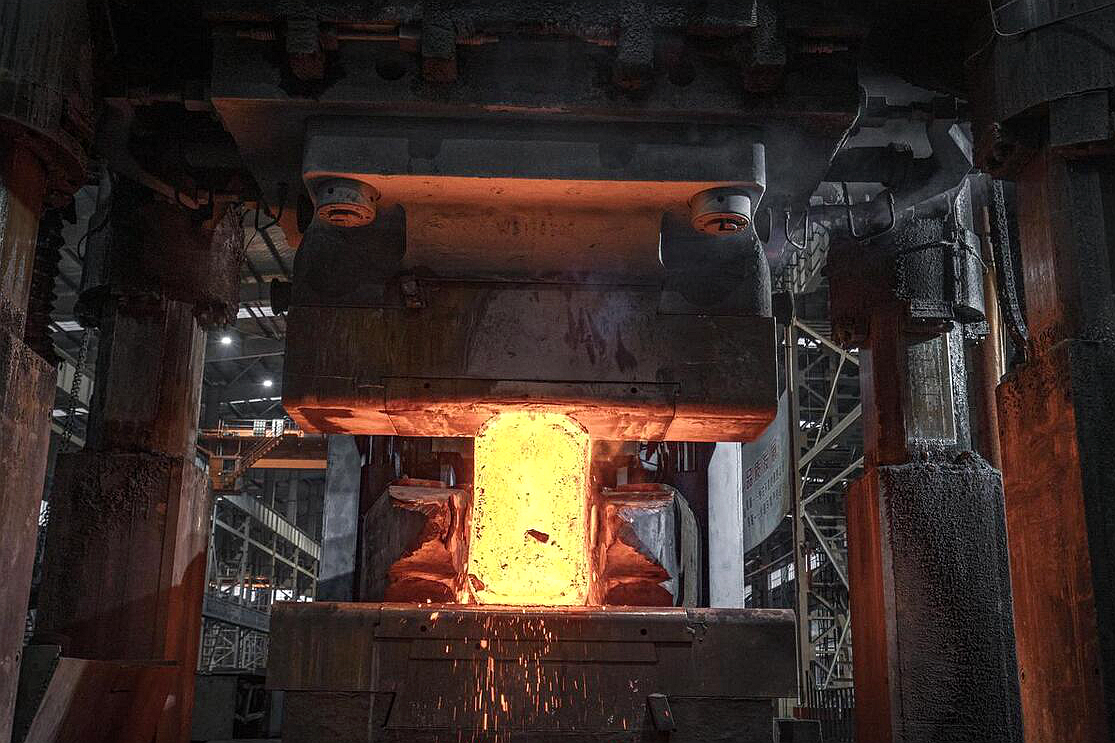
Les pièces imprimées par Laser Cladding (LC) nécessitent un recuit immédiat de relaxation des contraintes pour traiter les contraintes résiduelles importantes inhérentes au procédé. Pour les composants en acier, cela implique généralement un chauffage à 550-650°C, tandis que les superalliages à base de nickel peuvent nécessiter des traitements à 750-850°C sous atmosphères contrôlées. Le Pressage Isostatique à Chaud (HIP) est particulièrement précieux pour les composants critiques, éliminant la microporosité et améliorant la densité à >99,9%. Par la suite, des cycles de traitement thermique spécifiques—tels que le recuit de mise en solution et le vieillissement pour les alliages durcis par précipitation—optimisent la microstructure pour atteindre les propriétés mécaniques souhaitées et assurer une stabilité dimensionnelle à long terme.
Finition de Surface et Restauration Géométrique
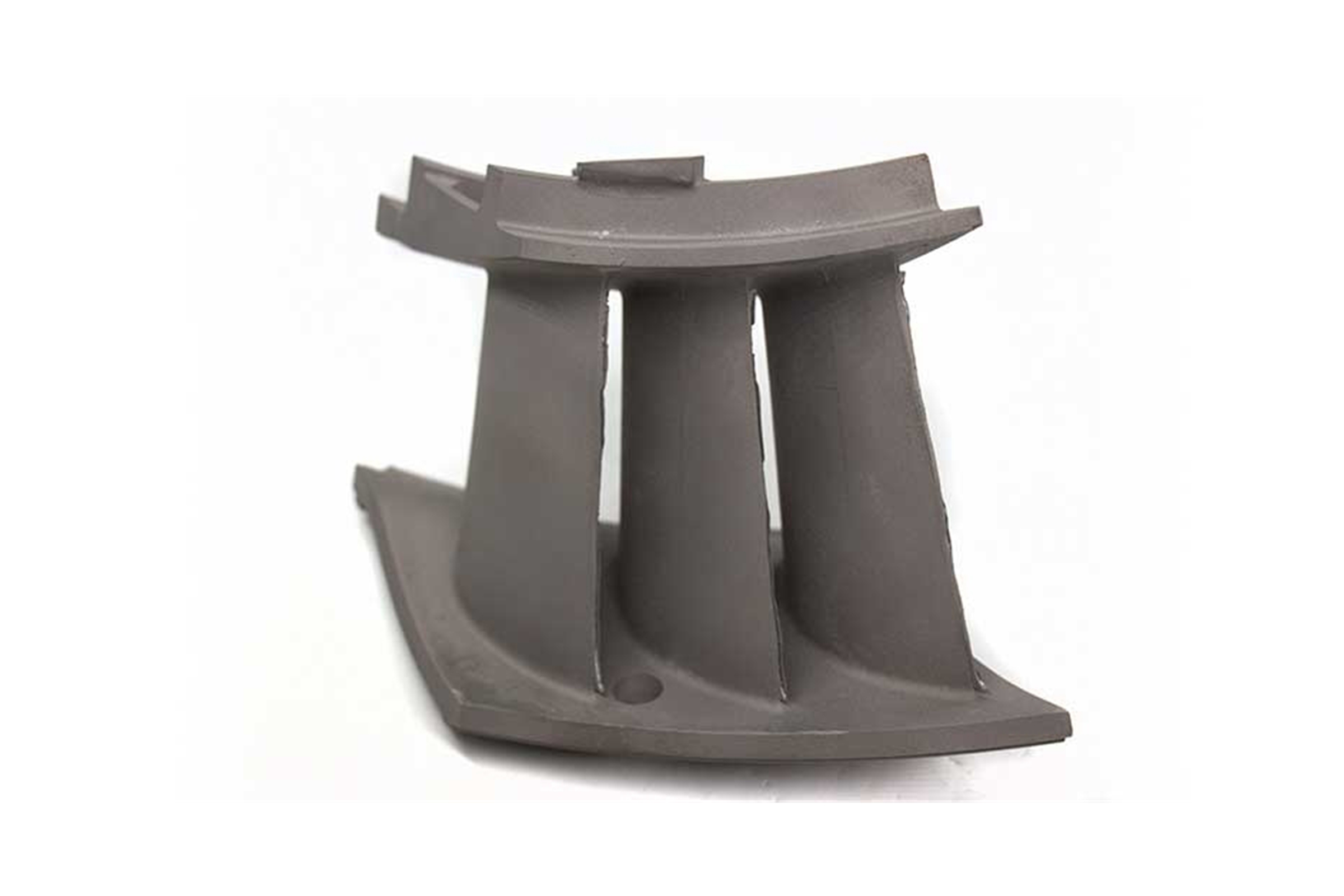
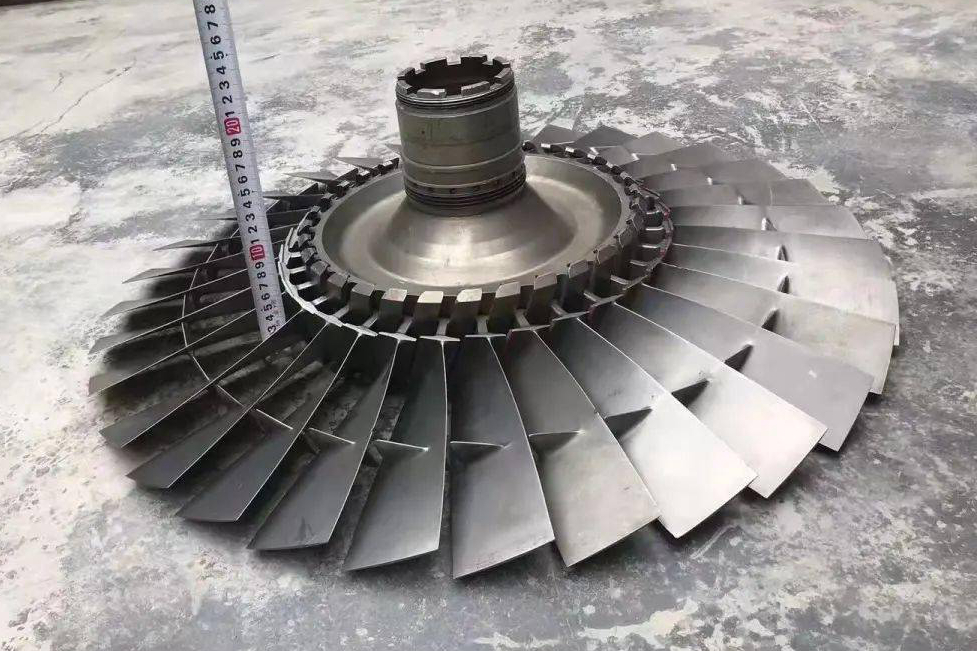
La surface telle que déposée, caractérisée par des valeurs de rugosité de Ra 10-25μm et une ondulation due au procédé de dépôt, nécessite une finition systématique. Un usinage CNC grossier initial enlève 1-3mm de matière pour éliminer les irrégularités de surface et atteindre la précision dimensionnelle. L'usinage de finition de précision crée ensuite des surfaces critiques avec des tolérances de ±0,05mm. Pour les géométries complexes ou les caractéristiques internes, l'usinage par décharge électrique (EDM) peut être employé. Des procédés supplémentaires comme l'usinage par écoulement abrasif ou la finition vibratoire améliorent encore la qualité de surface à Ra 0,8-1,6μm pour une meilleure performance en fatigue.
Techniques d'Amélioration de Surface
De multiples traitements de surface améliorent significativement la durabilité et les caractéristiques de performance. Le grenaillage introduit des contraintes de compression de 400-800 MPa, augmentant la durée de vie en fatigue de 50-150% selon le matériau et l'application. Le grenaillage laser crée des couches de compression plus profondes pour les composants soumis à des contraintes cycliques élevées dans les applications aérospatiales. Pour la résistance à la corrosion et à l'usure, des revêtements spécialisés tels que les Revêtements Barrières Thermiques (TBC) ou le chromage dur peuvent être appliqués. L'électropolissage crée une surface lisse et passive idéale pour les composants médicaux ou de transformation alimentaire.
Assurance Qualité et Validation
Des tests et analyses de matériaux complets garantissent que les pièces imprimées par LC répondent aux normes industrielles. Cela inclut les tests ultrasonores selon ASTM E2375 pour la détection des défauts internes, l'inspection par ressuage selon AMS 2647 pour les défauts de surface, et la vérification dimensionnelle utilisant des systèmes de MMT. Les tests mécaniques valident la résistance à la traction, la dureté et les propriétés en fatigue, tandis que l'analyse microstructurale confirme une structure granulaire et une distribution de phases appropriées. Pour les composants critiques pour la sécurité dans les secteurs pétrolier et gazier ou aérospatial, une certification supplémentaire incluant une analyse chimique et une documentation de traçabilité est essentielle.
Traitements Spécifiques à l'Application
Le post-traitement final varie selon l'utilisation finale du composant. Les pièces pour la transformation chimique nécessitent souvent une passivation pour maximiser la résistance à la corrosion. Les implants médicaux subissent des traitements de stérilisation et d'activation de surface spécialisés. Les composants pour service à haute température peuvent recevoir des revêtements par diffusion pour améliorer la résistance à l'oxydation. Chaque traitement est validé par des méthodes de test appropriées pour s'assurer que la pièce finie répond à toutes les exigences de performance pour son environnement d'application prévu.
Résumé des Techniques Clés de Post-Traitement
Catégorie de Procédé | Techniques Spécifiques | Avantages Principaux |
|---|---|---|
Traitement Thermique | Relaxation des Contraintes, HIP, Mise en Solution & Vieillissement | Stabilité dimensionnelle, cicatrisation des défauts, optimisation des propriétés |
Finition Mécanique | Usinage CNC, Rectification, EDM | Précision dimensionnelle, amélioration de la qualité de surface |
Amélioration de Surface | Grenaillage, Grenaillage Laser, Revêtements | Amélioration de la durée de vie en fatigue, résistance à l'usure/à la corrosion |
Validation de la Qualité | END, Tests Mécaniques, Métallographie | Détection des défauts, vérification des propriétés, conformité aux normes |