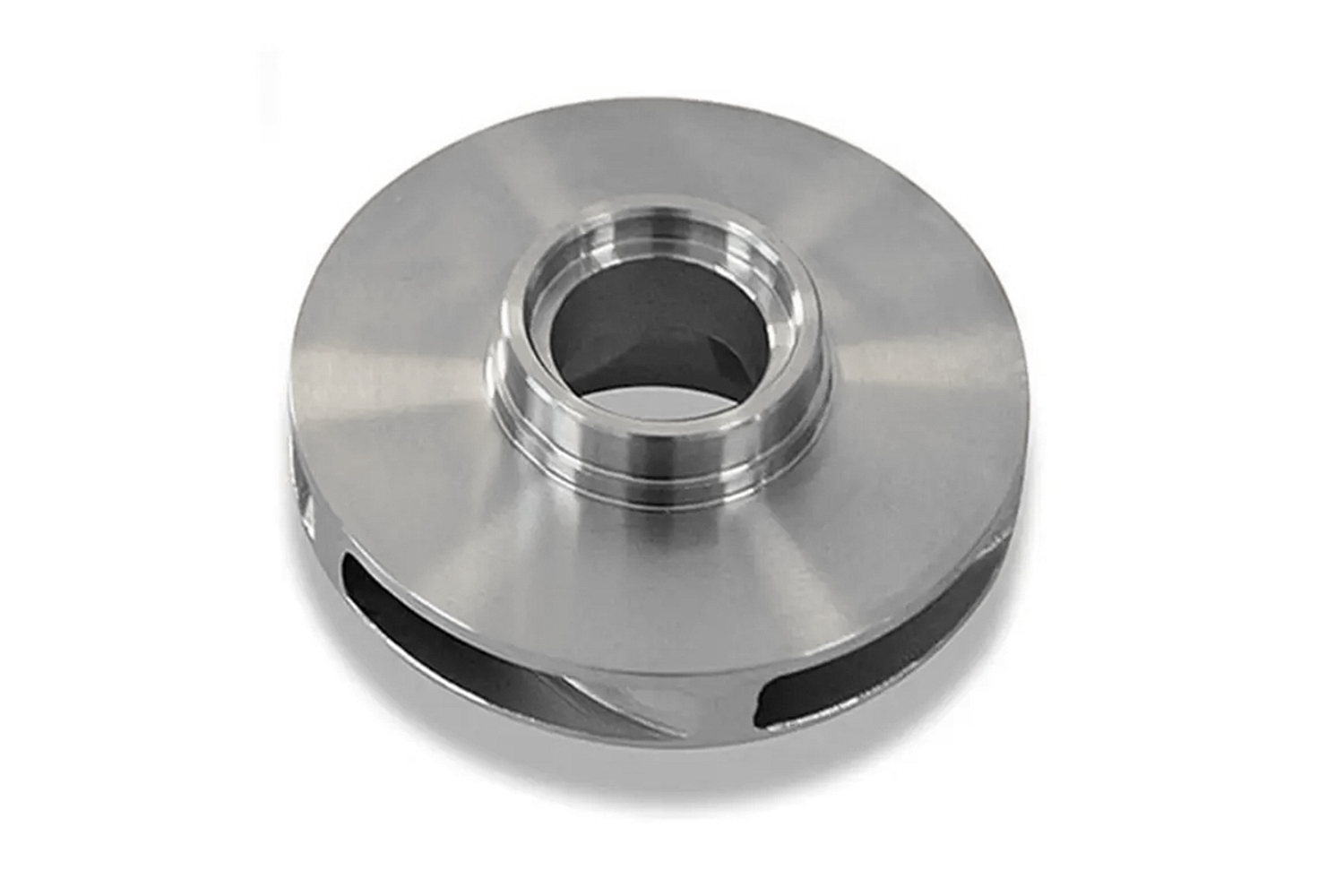
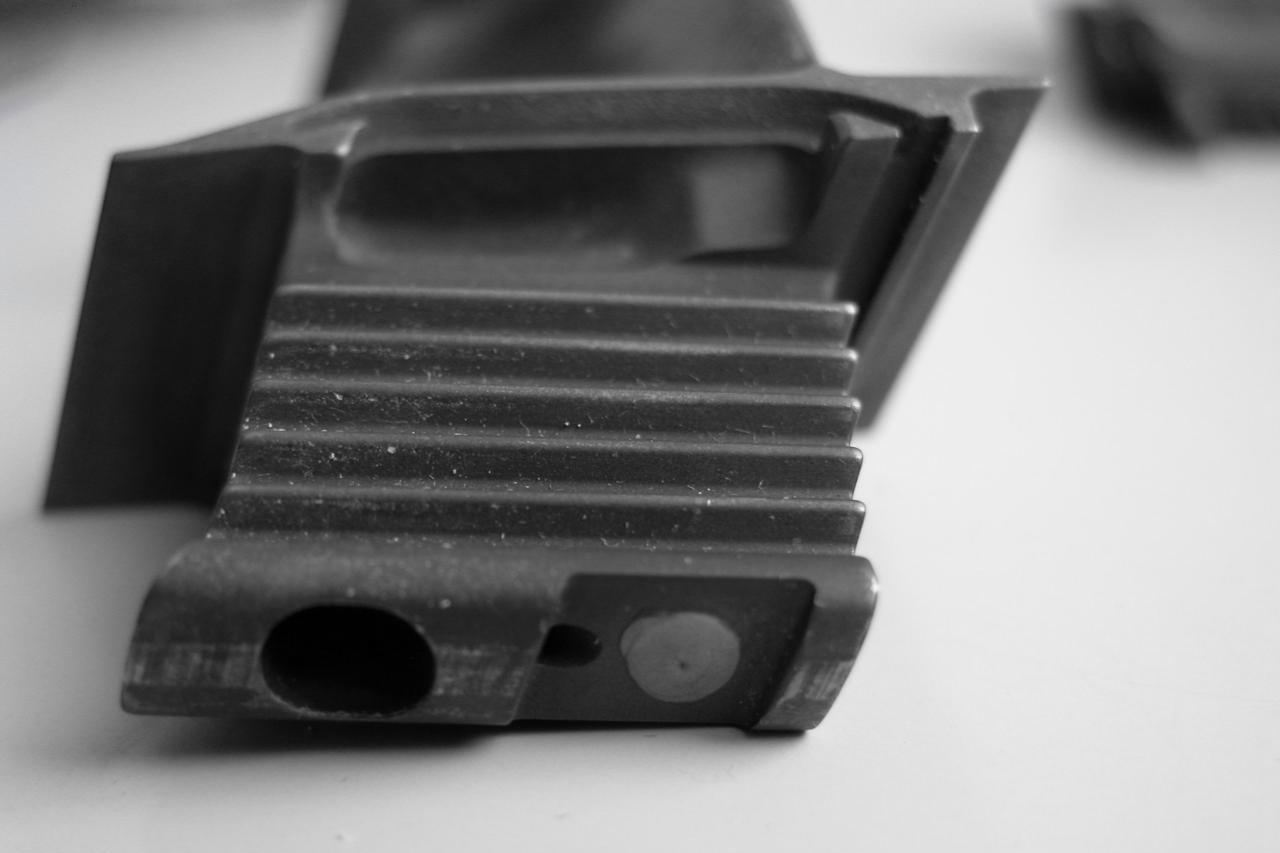
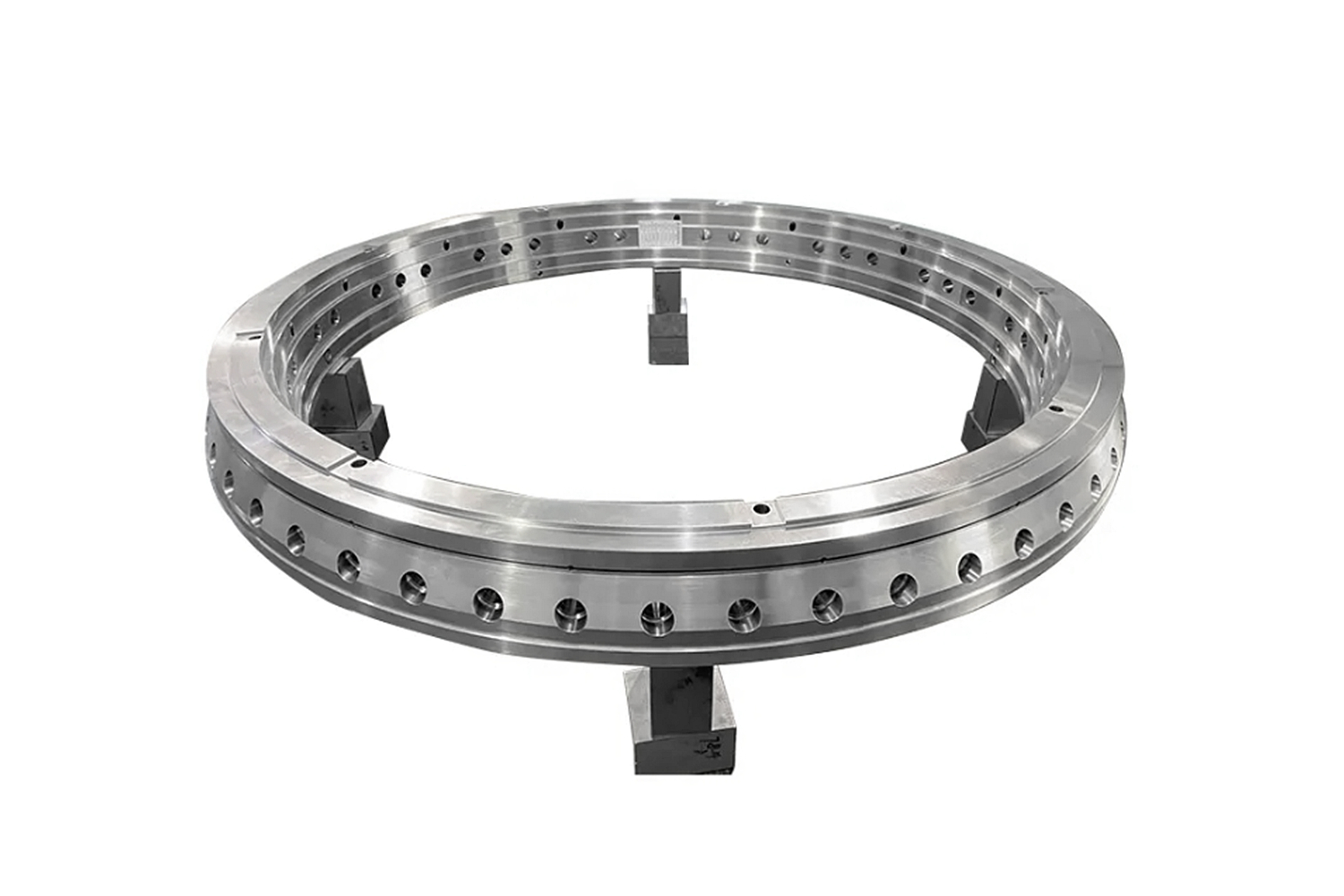
Unité de Production de Pièces d'Outils de Forage en Alliage à Base de Nickel
Introduction aux Pièces d'Outils de Forage en Alliage à Base de Nickel
Les alliages à base de nickel sont indispensables pour la production d'outils de forage haute performance destinés à des applications industrielles exigeantes, notamment l'exploration pétrolière et gazière, l'aérospatiale, l'exploitation minière et la production d'énergie. Ces alliages sont conçus pour résister aux conditions environnementales extrêmes que rencontrent souvent les outils de forage, y compris les températures élevées, les pressions élevées et les environnements abrasifs ou corrosifs. Des outils de forage durables, fiables et à longue durée de vie sont primordiaux dans les industries où une opération continue sans pannes ou maintenance fréquentes est critique.
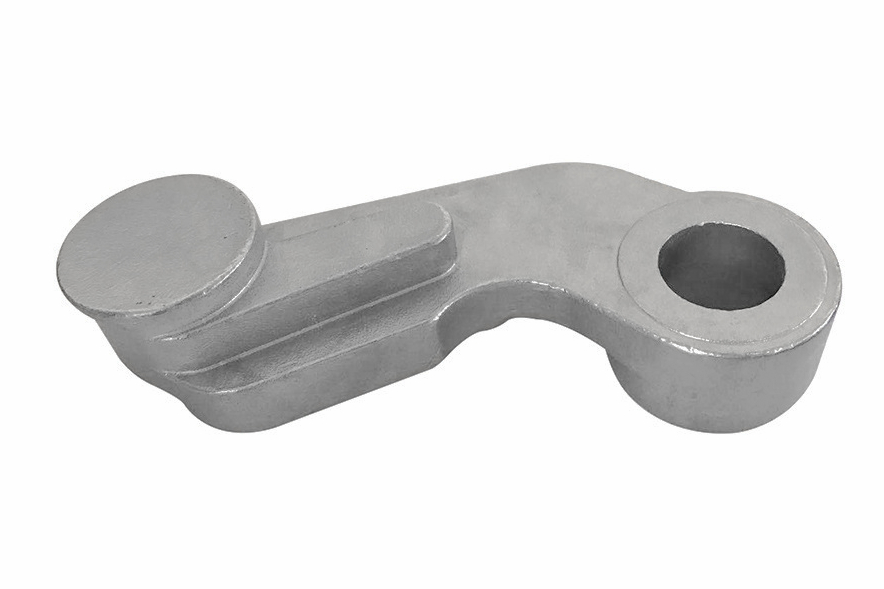
Les alliages à base de nickel sont appréciés pour leur résistance supérieure, leur résistance thermique et leur résistance à l'oxydation et à la corrosion. Ces matériaux sont conçus pour supporter l'usure intense que subissent les outils de forage, en particulier dans les opérations de forage profond et de longue durée. Ils offrent un avantage critique dans les applications où la fiabilité de l'équipement peut avoir un impact significatif sur l'efficacité de production et les économies de coûts. Les alliages à base de nickel, tels que les alliages Inconel, les alliages Hastelloy et les alliages Nimonic, offrent des propriétés mécaniques exceptionnelles qui les rendent idéaux pour une large gamme de composants d'outils de forage, y compris les trépans, les outils de fond de trou et autres pièces exposées à des conditions extrêmes.
En tirant parti de la résistance et de la résistance thermique de ces alliages, les fabricants peuvent produire des pièces d'outils de forage qui maintiennent leur intégrité structurelle et leurs performances dans des conditions opérationnelles difficiles. L'utilisation d'alliages à base de nickel dans les outils de forage améliore la sécurité et l'efficacité des opérations de forage, garantissant que ces outils fonctionnent de manière optimale même dans les environnements les plus exigeants.
Superalliages Utilisés dans les Pièces d'Outils de Forage en Alliage à Base de Nickel
Les superalliages, un sous-ensemble des alliages à base de nickel, sont le matériau de choix pour les pièces d'outils de forage en raison de leur résistance unique, de leur durabilité et de leur résistance aux contraintes thermiques et mécaniques. Ces alliages sont conçus pour des performances élevées dans des environnements extrêmes. Les superalliages les plus couramment utilisés pour produire des outils de forage à base de nickel comprennent les alliages Inconel, Hastelloy et Nimonic.
Inconel
Inconel est une famille d'alliages haute performance qui contiennent du nickel et du chrome, ce qui les rend très résistants à l'oxydation et à la corrosion. Les alliages Inconel sont particulièrement efficaces dans les environnements où les matériaux sont exposés à des températures élevées (au-dessus de 1 000°C) et à des produits chimiques agressifs. La résistance exceptionnelle à la chaleur et les propriétés anti-corrosion de l'Inconel le rendent idéal pour les opérations de forage dans les puits géothermiques et les environnements de forage pétrolier profond. Les alliages Inconel sont largement utilisés dans la fabrication de trépans, de talons de tubage et d'autres équipements de fond de trou, où la durabilité est essentielle pour prévenir les temps d'arrêt et assurer une efficacité opérationnelle à long terme.
Hastelloy
Les alliages Hastelloy sont des superalliages à base de nickel-chrome réputés pour leur résistance exceptionnelle à la corrosion et à l'oxydation, en particulier dans les environnements acides et riches en chlorures. Ces alliages sont fréquemment utilisés lorsque les outils de forage sont exposés à des fluides corrosifs, comme ceux rencontrés dans le traitement chimique et le forage en mer profonde. L'Hastelloy est souvent choisi pour sa résistance supérieure à divers acides et sa capacité à résister à la fissuration par corrosion sous tension. L'Hastelloy est couramment utilisé dans les outils de fond de trou, les tiges de forage et autres équipements exposés à des produits chimiques agressifs et à des conditions de pression extrême dans l'industrie pétrolière et gazière.
Nimonic
Les alliages Nimonic sont des superalliages à base de nickel qui contiennent du chrome, du titane et d'autres éléments tels que l'aluminium et le molybdène. Ces alliages sont connus pour leur résistance à haute température et leur résistance au fluage, ce qui les rend idéaux pour les applications où les outils de forage sont soumis à des températures élevées et à des contraintes mécaniques sur de longues périodes. Les alliages Nimonic sont souvent utilisés dans les aubes de turbine, les moteurs à réaction et les équipements de forage haute performance. Leur résistance et leur intégrité structurelle à haute température les rendent précieux pour les applications de forage géothermique et de puits profonds.
Processus de Fabrication des Pièces d'Outils de Forage en Alliage à Base de Nickel
La fabrication de pièces d'outils de forage en alliage à base de nickel implique un processus en plusieurs étapes incorporant diverses techniques pour atteindre une haute précision, une grande résistance et une durabilité. Le processus comprend la moulage, le forgeage, l'usinage et le traitement thermique, chacun jouant un rôle crucial dans la production de pièces capables de supporter les conditions exigeantes des applications de forage.
Moulage
Le moulage est un processus de fabrication crucial pour produire des géométries complexes dans les outils de forage à base de nickel. Le moulage à la cire perdue et le moulage sous vide sont les principales méthodes utilisées pour les alliages haute performance. Le moulage à la cire perdue, en particulier, est préféré pour produire des formes complexes avec des tolérances serrées. Le processus consiste à créer un moule autour de la forme souhaitée, puis à fondre l'alliage pour le verser dans le moule. Le moule est ensuite cassé pour révéler la pièce finale. Ce processus est très efficace pour produire des pièces telles que des trépans, des manchons et des vannes avec des caractéristiques complexes et une finition lisse.
Forgeage
Le forgeage est un autre processus critique pour produire des pièces durables et à haute résistance pour les outils de forage. L'alliage à base de nickel est chauffé puis mis en forme par des forces mécaniques pendant le forgeage. Le forgeage de précision est généralement utilisé pour les alliages haute performance, affinant la microstructure du matériau et améliorant sa résistance, sa ténacité et sa résistance à la fatigue. Le processus de forgeage produit des pièces plus uniformes en densité et plus résistantes aux contraintes que les pièces fabriquées uniquement par moulage. Les applications typiques de forgeage pour les pièces d'outils de forage comprennent les tiges de forage, les écrous de raccordement et autres composants critiques exposés à des charges mécaniques élevées.
Usinage CNC
Après le moulage ou le forgeage, les pièces subissent un usinage CNC pour atteindre des dimensions précises et assurer un ajustement parfait dans l'ensemble de forage. L'usinage CNC est crucial pour atteindre des tolérances serrées et des finitions de surface fines, nécessaires pour les pièces qui doivent résister à des contraintes élevées et à des conditions extrêmes. L'usinage CNC permet un fraisage, un tournage et un perçage de précision à grande vitesse, garantissant que des pièces telles que les trépans et les joints d'outils sont fabriquées avec précision selon les spécifications de conception.
Assurance Qualité des Pièces d'Outils de Forage en Alliage à Base de Nickel
Garantir la qualité des pièces d'outils de forage en alliage à base de nickel est essentiel pour assurer leur fiabilité et leur longévité dans des environnements à haute contrainte. Les fabricants utilisent une large gamme de mesures d'assurance qualité pour valider l'intégrité et les performances des pièces à chaque étape de la production.
Tests des Matériaux : La première étape de l'assurance qualité est le test des matériaux. Avant la fabrication de toute pièce, les alliages à base de nickel bruts subissent des tests rigoureux pour vérifier leur composition chimique et leurs propriétés mécaniques. Cela garantit que les matériaux répondent aux spécifications requises et sont adaptés à l'application prévue. Divers tests, tels que l'analyse spectrométrique et les essais de traction, sont réalisés pour vérifier la composition de l'alliage et son comportement mécanique sous contrainte.
Contrôles Non Destructifs (CND) : Pendant et après le processus de fabrication, des méthodes CND sont utilisées pour détecter tout défaut interne, tel que des fissures, des cavités ou des inclusions, qui pourrait compromettre les performances des outils de forage. Les techniques CND standard comprennent l'inspection par rayons X et les essais par ultrasons. Ces tests permettent aux fabricants de vérifier que les pièces sont exemptes de défauts sans compromettre le matériau, ce qui est essentiel pour maintenir l'intégrité des outils.
Inspection Dimensionnelle : Les outils de forage à base de nickel doivent respecter des tolérances dimensionnelles strictes pour s'assurer qu'ils s'assemblent correctement et fonctionnent efficacement. Les machines à mesurer tridimensionnelles (MMT) sont couramment utilisées pour l'inspection dimensionnelle précise, garantissant que les pièces sont conformes aux spécifications de conception. La mesure dimensionnelle précise est cruciale pour des pièces telles que les trépans et les outils de fond de trou, où même des écarts mineurs peuvent entraîner un dysfonctionnement ou une défaillance pendant l'opération.
Validation du Traitement Thermique : Le processus de traitement thermique doit également être soigneusement surveillé et validé pour obtenir les propriétés souhaitées du matériau. Des tests de dureté, des tests de résistance à la traction et des analyses métallographiques sont réalisés pour vérifier que le matériau traité thermiquement possède les caractéristiques souhaitées pour une performance optimale.
Tests de Fatigue et d'Usure : Compte tenu des conditions difficiles auxquelles sont confrontés les outils de forage, les tests de résistance à la fatigue et à l'usure sont essentiels. Ces tests simulent les contraintes que rencontrent les outils pendant les opérations de forage, garantissant qu'ils maintiennent leurs performances dans le temps.
Industries et Applications des Pièces d'Outils de Forage en Alliage à Base de Nickel
Les pièces d'outils de forage en alliage à base de nickel sont utilisées dans les industries où les opérations de forage doivent être effectuées dans des conditions extrêmes, nécessitant des outils durables et haute performance. La polyvalence des alliages à base de nickel les rend adaptés à une grande variété d'applications dans de multiples secteurs :
Pétrole et Gaz
Dans l'industrie pétrolière et gazière, les outils de forage sont exposés à une chaleur intense, à des pressions élevées et à des substances corrosives. Les alliages à base de nickel tels que l'Inconel et l'Hastelloy sont idéaux pour la fabrication de trépans, de tiges de forage et d'autres équipements de fond de trou qui doivent résister à ces conditions difficiles. La durabilité et la résistance à la corrosion de ces matériaux aident à minimiser les temps d'arrêt et à améliorer l'efficacité opérationnelle.
Aérospatiale
Dans les applications aérospatiales, les alliages à base de nickel sont utilisés dans les moteurs à turbine, les systèmes de propulsion à réaction et autres composants nécessitant une haute résistance et une résistance thermique. Les outils de forage pour applications aérospatiales doivent pouvoir fonctionner à des températures extrêmes et sous de fortes contraintes mécaniques, ce qui rend les alliages à base de nickel essentiels pour maintenir les performances et la sécurité dans les opérations critiques.
Exploitation Minière
L'industrie minière nécessite des outils de forage capables de résister à des conditions abrasives et à de fortes contraintes mécaniques. Les alliages à base de nickel sont utilisés dans les trépans, les alésoirs et autres outils pour améliorer les performances et prolonger la durée de vie des équipements employés dans les opérations minières.
Production d'Énergie
Les alliages à base de nickel sont utilisés dans les applications de production d'énergie, en particulier dans le forage géothermique, où les outils doivent résister à des températures élevées et à des fluides agressifs. Ces alliages sont également utilisés dans les centrales nucléaires et autres systèmes de production d'énergie où des outils de forage fiables sont essentiels pour maintenir l'efficacité de production.
Traitements Post-Processus des Pièces d'Outils de Forage en Alliage à Base de Nickel
Après les principaux processus de fabrication, les pièces d'outils de forage en alliage à base de nickel subissent souvent un post-traitement pour améliorer davantage leurs propriétés.
Les traitements post-processus, tels que le traitement thermique, le revêtement de surface et le polissage, peuvent améliorer les propriétés mécaniques et la résistance à l'usure des pièces, garantissant qu'elles fonctionnent de manière optimale dans des environnements de forage exigeants.
Revêtement de Surface : Des revêtements de surface, tels que la projection thermique ou la PVD (Dépôt Physique en Phase Vapeur), sont souvent appliqués sur les pièces d'outils de forage pour améliorer leur résistance à l'usure et réduire la friction pendant l'opération. Ces revêtements peuvent également fournir une protection supplémentaire contre la corrosion et la fatigue thermique.
Polissage et Finition de Surface : Le polissage et les techniques de finition de surface améliorent la qualité de surface des pièces d'outils de forage, réduisant l'usure et prolongeant la durée de vie de l'outil.
Prototypage Rapide des Pièces d'Outils de Forage en Alliage à Base de Nickel
Le prototypage rapide est un outil précieux dans le développement des pièces d'outils de forage en alliage à base de nickel. Ce processus permet aux fabricants de créer rapidement des prototypes et de les tester dans des conditions réelles, réduisant le temps de développement et garantissant que le produit final répond aux exigences de performance.
Processus de Prototypage Rapide
Des techniques avancées, telles que la Fusion Sélective par Laser (SLM), l'Impression 3D et l'Usinage CNC de Superalliages, sont utilisées pour créer des prototypes de haute qualité des pièces d'outils de forage en alliage à base de nickel. Ces méthodes permettent une itération rapide, permettant aux fabricants d'évaluer les choix de conception et de matériaux avant le début de la production à grande échelle.
Importance de la Vérification des Échantillons
La vérification des prototypes par des tests est cruciale pour identifier les défauts potentiels dans la conception, la sélection des matériaux ou les processus de fabrication. Les prototypes peuvent être testés pour la résistance, la résistance à l'usure et les performances thermiques, garantissant que le produit final répondra à toutes les demandes opérationnelles. Les méthodes de test garantissent que les composants en superalliage haute performance sont optimisés pour leurs applications prévues.
FAQ