Which industries benefit the most from nickel-based drilling tool parts?
Introduction
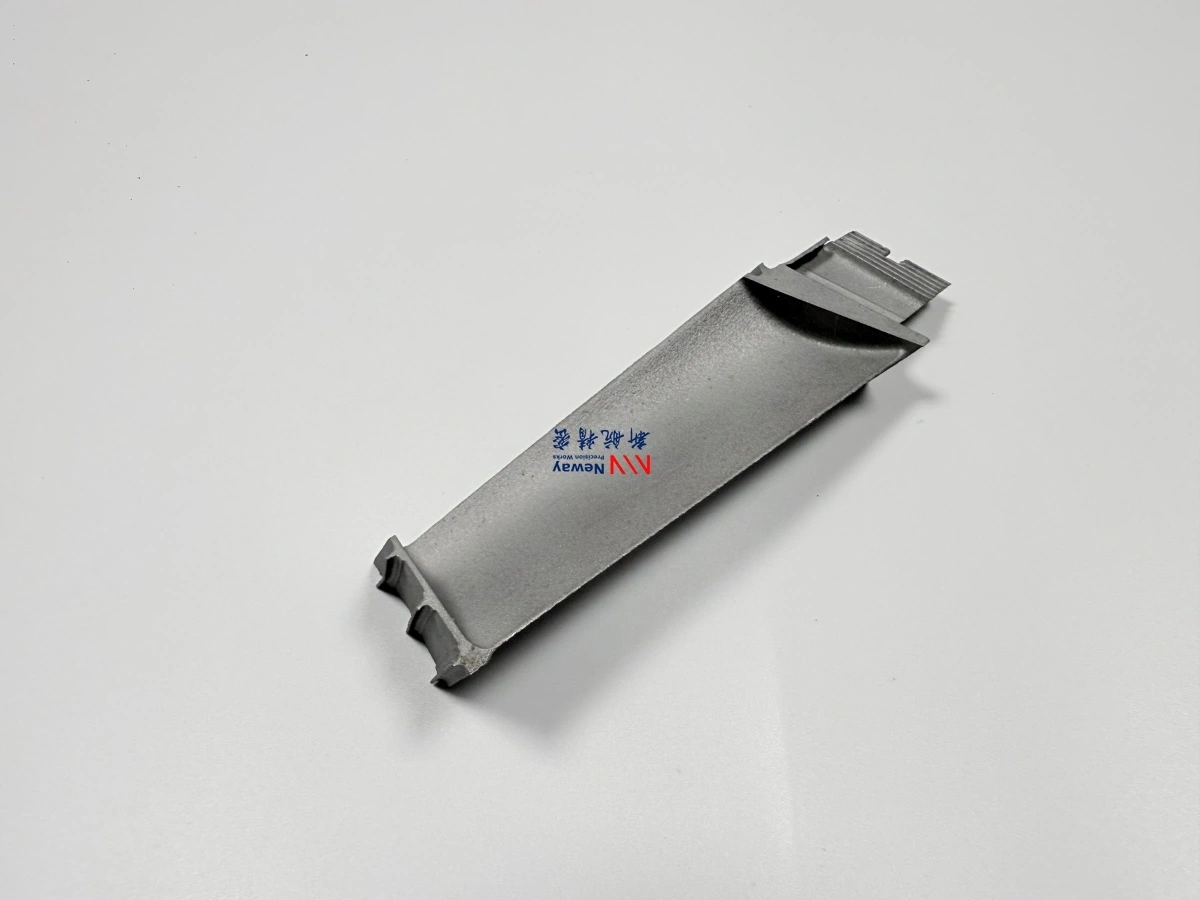
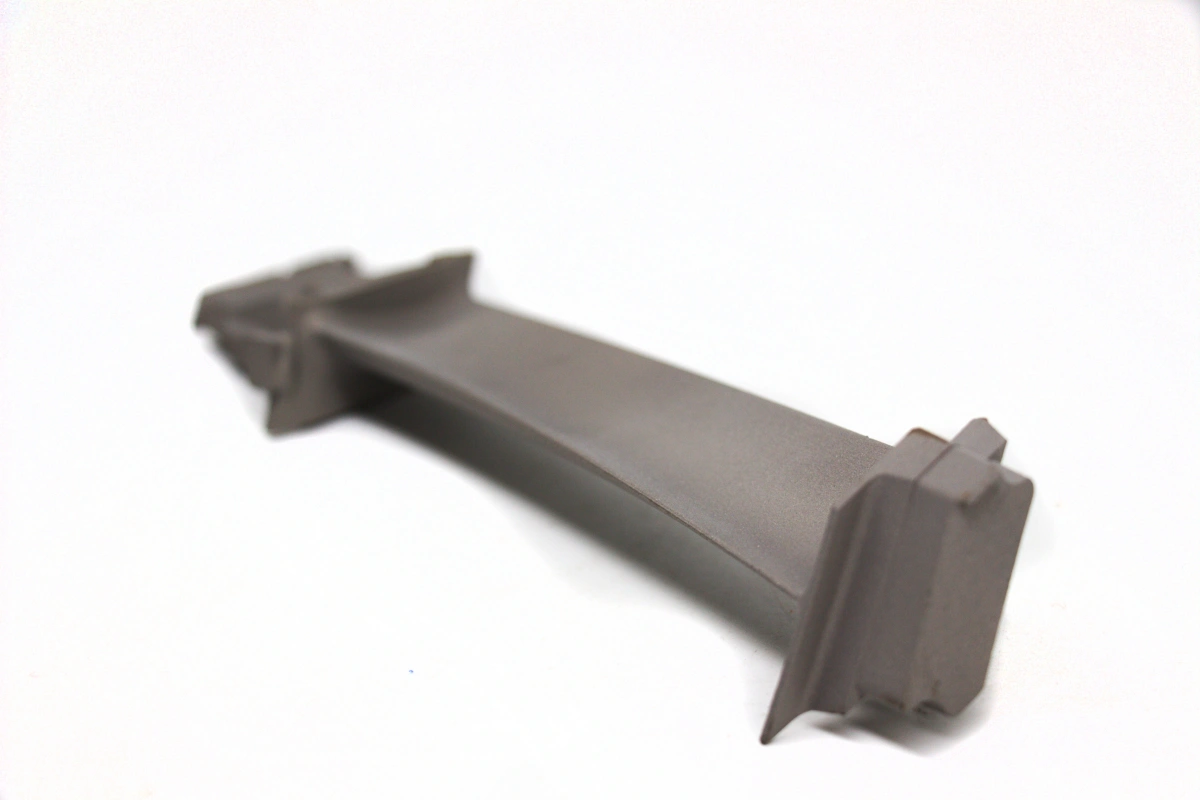
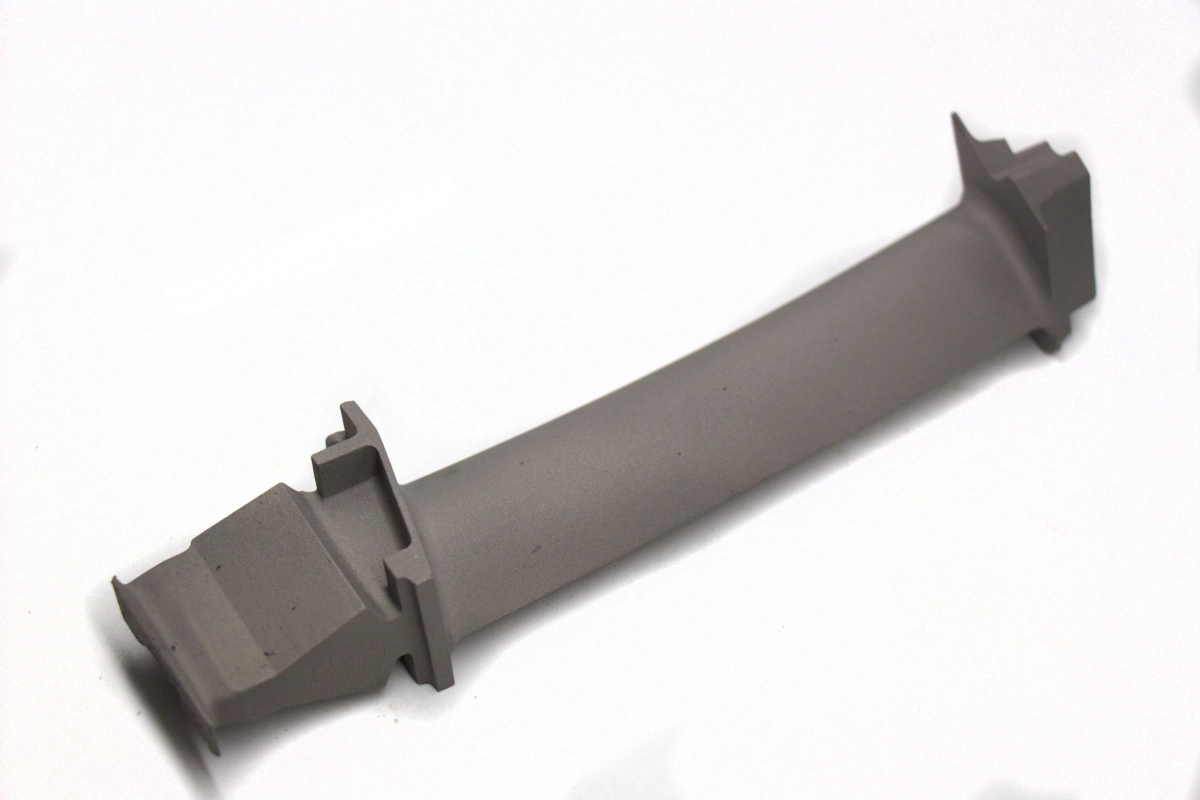
Nickel-based drilling tool parts are indispensable in industries that demand exceptional strength, corrosion resistance, and thermal stability. These alloys, typically produced through advanced processes such as superalloy precision forging and vacuum investment casting, ensure reliable performance in severe environments where conventional steels would fail.
Manufacturing Processes Supporting Nickel-Based Tooling
To achieve the required hardness and wear resistance, the following manufacturing methods are commonly applied:
Superalloy Directional Casting – ensures uniform grain structure for fatigue resistance.
Powder Metallurgy Turbine Disc – offers fine control over microstructure for precision drilling inserts.
Superalloy CNC Machining – achieves tight tolerances required for high-speed drilling tools.
Superalloy deep hole drilling provides smooth internal coolant channels for improved thermal control.
Electrical Discharge Machining (EDM) – used for complex geometries that enhance cutting performance.
Post-Process Enhancements
Surface and thermal treatments significantly improve tool durability and heat resistance:
Hot Isostatic Pressing (HIP) eliminates internal defects and enhances fatigue strength.
Heat Treatment refines the microstructure and increases the hardness for long tool life.
Materials Commonly Used for Nickel-Based Tools
Nickel-based alloys are engineered to maintain strength under high loads and temperatures. Common materials include:
Inconel 718 – widely used for aerospace drilling tools due to its creep resistance.
Hastelloy X – provides superior oxidation and thermal fatigue resistance.
Rene 77 – chosen for precision drilling in turbine and compressor components.
Nimonic 90 – used in energy and marine sectors for its toughness.
Monel K500 – ideal for corrosive offshore drilling applications.
Industries Leveraging Nickel-Based Drilling Tool Parts
Aerospace and Aviation
The aerospace and aviation industry relies on nickel-based tools for machining turbine blades, casings, and exhaust systems made from heat-resistant alloys. These tools maintain sharpness even under high-speed cutting of tough superalloys.
Oil and Gas
In the oil and gas sector, downhole drilling tools are subjected to high pressures, abrasive formations, and corrosive fluids. Nickel alloys, such as Inconel and Monel, ensure dimensional stability and resist sulfide stress cracking.
Power Generation
Power generation industries employ nickel-based tools for machining steam and gas turbine components. Their heat resistance enables continuous operation over extended service cycles.
Additional applications extend to mining and marine environments, where tool corrosion and mechanical fatigue are critical concerns.
Conclusion
Nickel-based drilling tool parts excel across industries that require endurance under thermal, mechanical, and chemical stress. By combining high-performance materials like Inconel, Rene, and Monel with advanced processes such as HIP and directional casting, manufacturers achieve superior precision and durability, which are essential for demanding industrial drilling applications.