What are the advantages of using nickel-based alloys in drilling tool parts?
Introduction
Drilling tool components operate in some of the most aggressive environments found in energy exploration, mining, and geothermal applications. These tools are subject to high torque, vibration, corrosive fluids, and extreme heat. Nickel-based superalloys have become the material of choice for such conditions due to their exceptional mechanical strength, oxidation resistance, and stability under elevated temperatures.
Manufacturing Processes That Enhance Nickel Alloy Performance
The durability and strength of nickel-based drilling components depend heavily on the manufacturing processes employed.
Vacuum Investment Casting ensures homogeneous structures free of inclusions, vital for high-stress tools.
Superalloy precision forging enhances grain refinement and fatigue resistance.
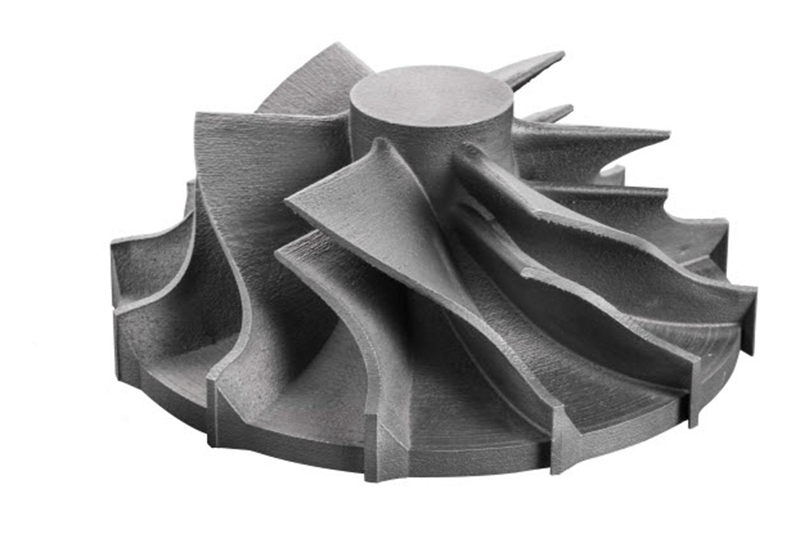
Powder Metallurgy Turbine Disc achieves fine-grain uniformity, ideal for directional strength in drill bits.
Superalloy CNC Machining guarantees tight dimensional tolerances for complex tool geometries.
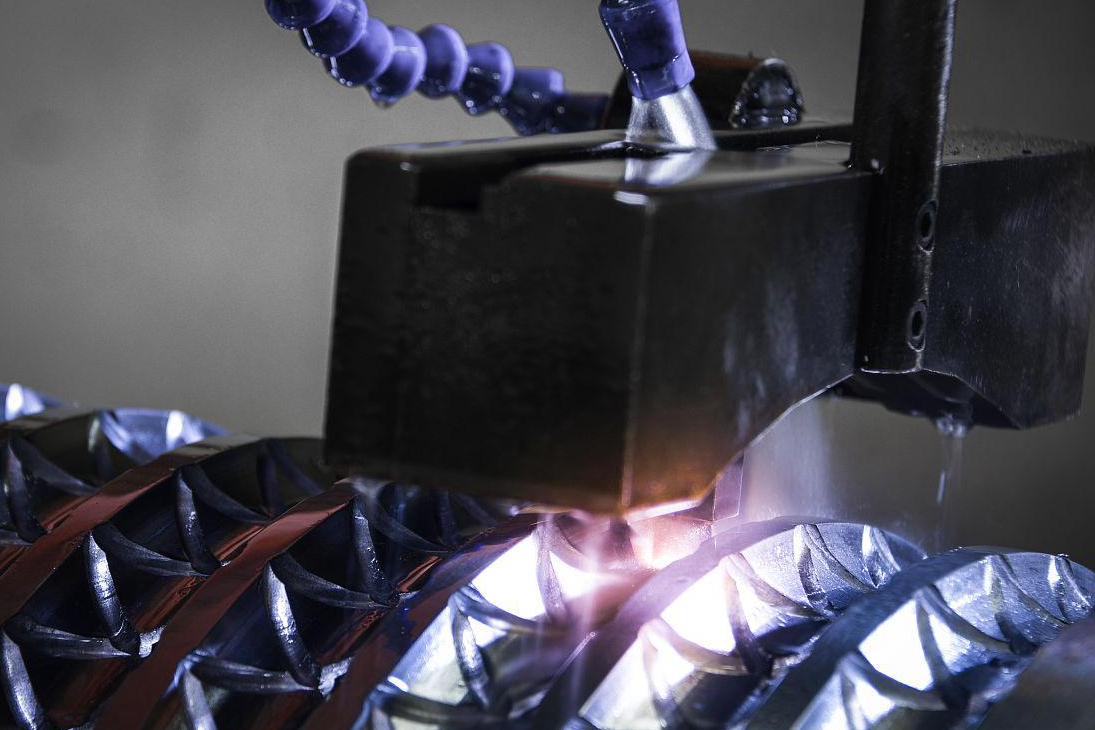
Electrical Discharge Machining (EDM) enables the precision finishing of hard nickel alloys without compromising the integrity of their microstructure.
Together, these processes produce robust drilling components that can withstand repeated impact and abrasive contact.
Post-Processing and Surface Enhancement
Nickel alloys benefit from specialized treatments that further enhance performance in high-wear environments.
Hot Isostatic Pressing (HIP) removes porosity and improves fatigue strength.
Thermal Barrier Coating (TBC) protects against oxidation and corrosion in downhole conditions.
These finishing processes ensure dimensional stability and surface toughness even after prolonged exposure to high loads and chemical attack.
Common Nickel-Based Alloys for Drilling Tools
Nickel-based alloys combine toughness with resistance to thermal softening, corrosion, and wear — essential properties for drill collars, stabilizers, and bit components.
Inconel 718 – excellent tensile strength and creep resistance, ideal for tool joints.
Hastelloy C-276 – outstanding corrosion protection in acidic drilling muds.
Monel K500 – superior impact strength and stress-corrosion resistance.
Rene 77 – excellent high-temperature mechanical integrity.
Nimonic 105 – stable under cyclic thermal and vibrational loads.
These alloys maintain hardness at temperatures exceeding 700°C, enabling longer operational life in high-friction drilling environments.
Industry Applications Benefiting from Nickel-Based Alloys
Oil and Gas: Downhole motors, drill collars, and valve systems exposed to saline and acidic fluids.
Mining: Cutter heads and augers that endure continuous rock abrasion.
Energy: Geothermal and nuclear drilling systems requiring corrosion resistance under extreme heat.
These industries rely on nickel-based materials to reduce maintenance intervals, improve tool stability, and enhance overall drilling efficiency.
Conclusion
Nickel-based superalloys offer a critical balance of strength, wear resistance, and thermal stability, making them indispensable for modern drilling applications. Through advanced casting, forging, and post-processing techniques, materials such as Inconel, Hastelloy, and Rene alloys ensure that drilling tools perform reliably in the world’s harshest environments — maximizing uptime and safety.