How does rapid prototyping contribute to the development of nickel-based drilling tools?
Introduction
Nickel-based drilling tools operate under extreme mechanical and thermal stress, demanding continuous design optimization and performance validation. Rapid prototyping—particularly through superalloy 3D printing—has become a critical step in developing such tools, enabling engineers to test geometry, cooling channels, and cutting performance before mass production.
Accelerating the Design-to-Production Cycle
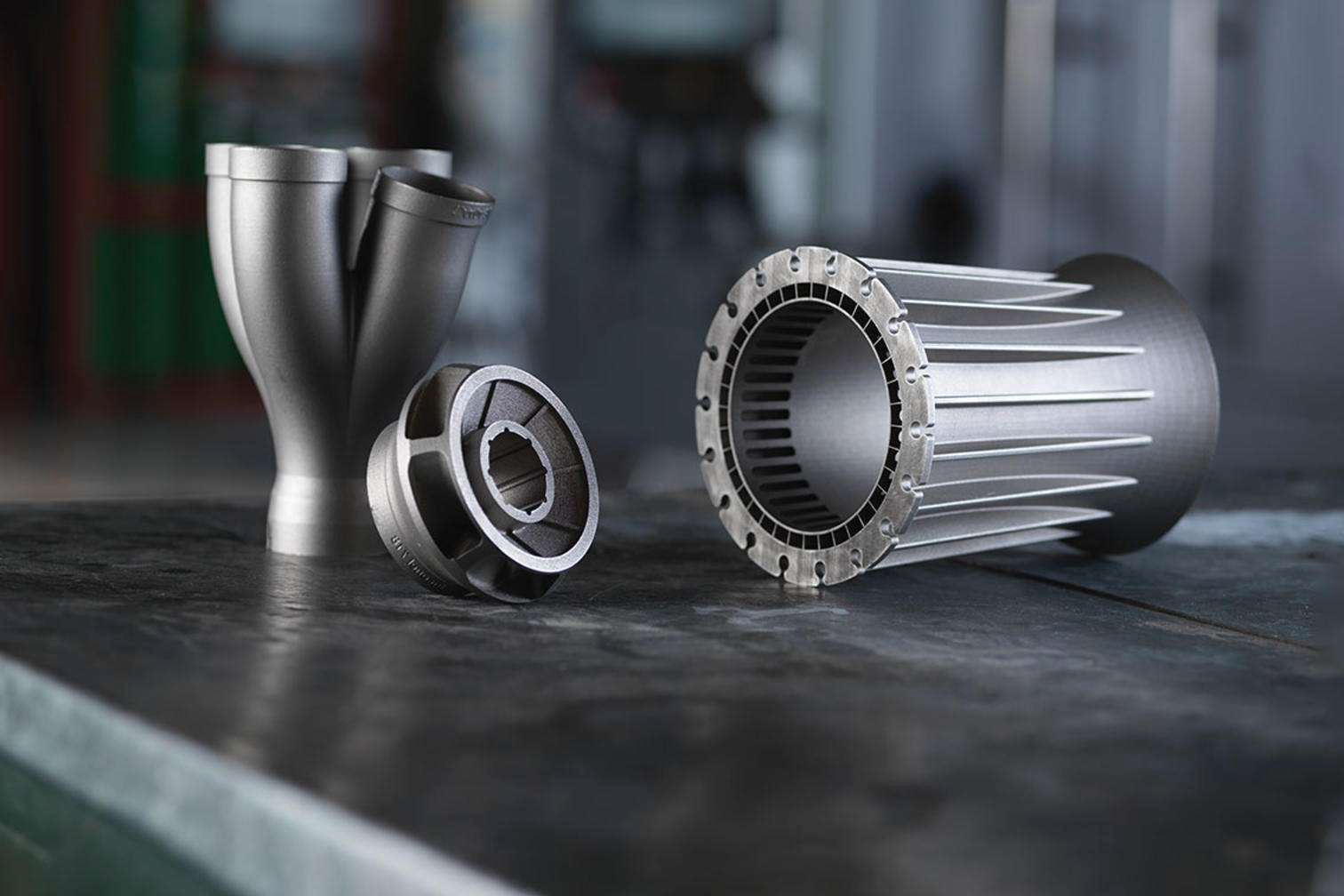
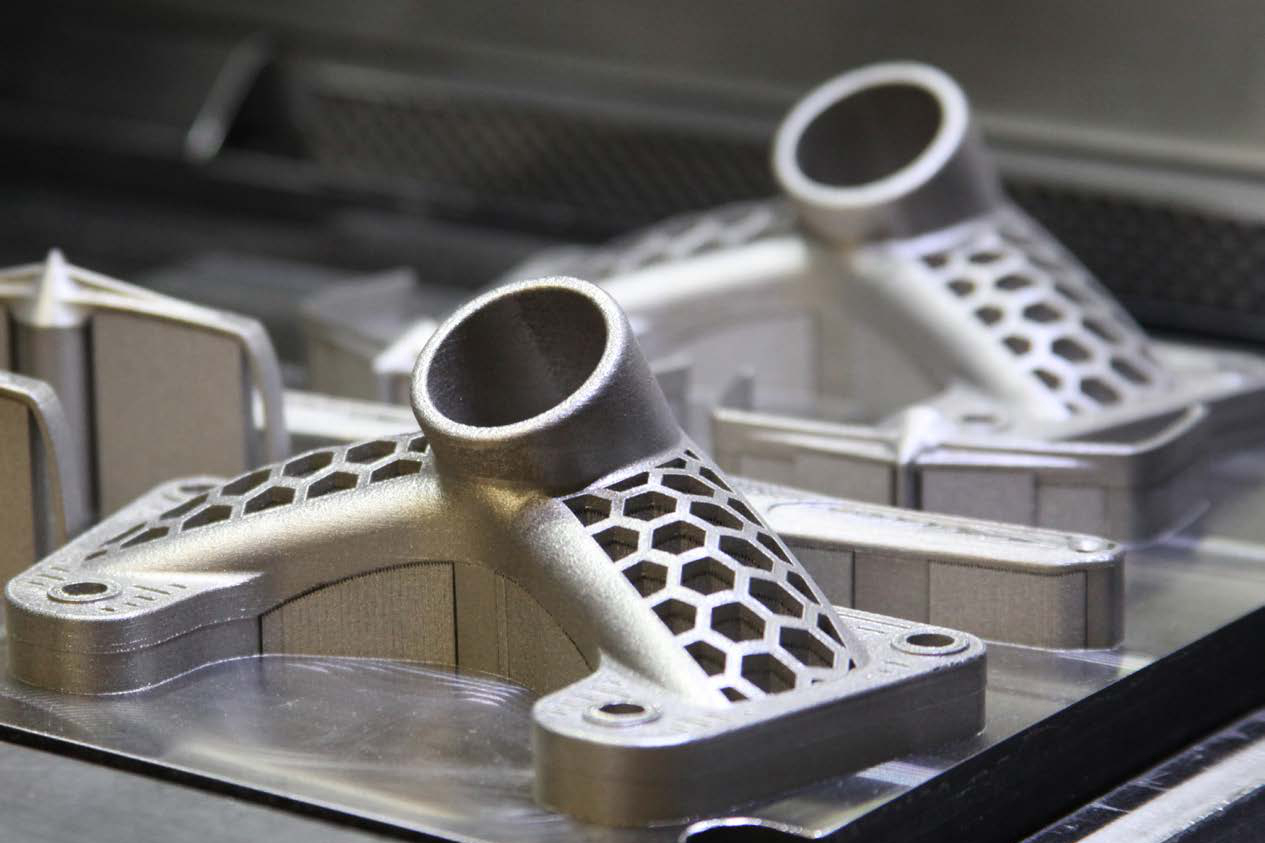
Rapid prototyping shortens development time by allowing digital-to-physical iteration without the need for traditional tooling. Technologies such as 3D printing services and stainless steel 3D printing enable engineers to fabricate complex tool geometries with integrated coolant passages. This rapid validation helps identify optimal rake angles, chip evacuation patterns, and coating interfaces early in the development process.
Compared to conventional forging or vacuum investment casting, additive prototyping significantly reduces material waste and allows multiple variants to be tested simultaneously, which is critical for performance-based design refinement.
Integration with Advanced Manufacturing Processes
Once validated, the prototype transitions into scalable production methods such as superalloy precision forging or superalloy CNC machining. Additively produced parts also support hybrid manufacturing, where printed preforms are finished through precision machining or electrical discharge machining (EDM).
This synergy ensures that the design freedom offered by additive techniques complements the dimensional accuracy and surface finish achieved through traditional subtractive methods.
Post-Processing and Material Validation
Nickel-based printed tools require post-treatment to achieve production-grade density and performance. Processes such as hot isostatic pressing (HIP) and heat treatment are applied to eliminate porosity and stabilize microstructures. Surface enhancements, such as thermal barrier coating (TBC), improve oxidation and wear resistance, thereby extending tool lifespan during high-temperature drilling.
Material verification ensures the prototypes’ structural integrity, with alloys such as Inconel 718, Rene 77, and Hastelloy X being frequently used due to their superior mechanical stability and fatigue resistance.
Industrial Impact of Prototyping Nickel-Based Tools
Industries such as aerospace and aviation, oil and gas, and power generation benefit most from rapid prototyping of nickel-based drilling components. Engineers can simulate extreme service conditions, test new geometries, and implement performance-driven modifications without disrupting production schedules.
For turbine blade machining, downhole drilling, or steam valve maintenance, this approach ensures tools are optimized for specific load conditions and chemical environments before full-scale deployment.
Conclusion
Rapid prototyping revolutionizes the development of nickel-based drilling tools—enabling faster design iteration, reduced risk, and enhanced functional testing. By integrating additive manufacturing with precision forging and post-process treatments, engineers achieve reliable, high-performance tools tailored for the world’s most demanding drilling applications.