
Atelier de Coulée Orientée des Grains de Superalliage Stellite 6K pour Composants de Réacteurs Nuclé...
Introduction
Les systèmes de réacteurs nucléaires nécessitent des matériaux capables de résister à une exposition prolongée aux radiations, aux gradients thermiques, aux fluides de refroidissement corrosifs et à l'usure mécanique. Les composants critiques—tels que les manchons de guidage, les sièges de soupape, les pièces de barres de contrôle et les surfaces d'étanchéité—doivent offrir une combinaison de haute dureté, de résistance à la corrosion et de stabilité dimensionnelle. Le Stellite 6K, un superalliage à base de cobalt avec une teneur élevée en chrome et tungstène, offre une résistance exceptionnelle à l'usure et à la corrosion. Lorsqu'il est produit par coulée orientée des grains, les composants en Stellite 6K présentent un alignement contrôlé des grains pour maximiser la résistance à l'usure dans la direction de fonctionnement.
Dans l'atelier dédié de Neway AeroTech pour les composants de réacteurs nucléaires, nous fabriquons des pièces en Stellite 6K moulées avec précision en utilisant la coulée à la cire perdue sous vide, le traitement thermique et l'usinage CNC pour servir les plateformes de réacteurs nucléaires et de défense.
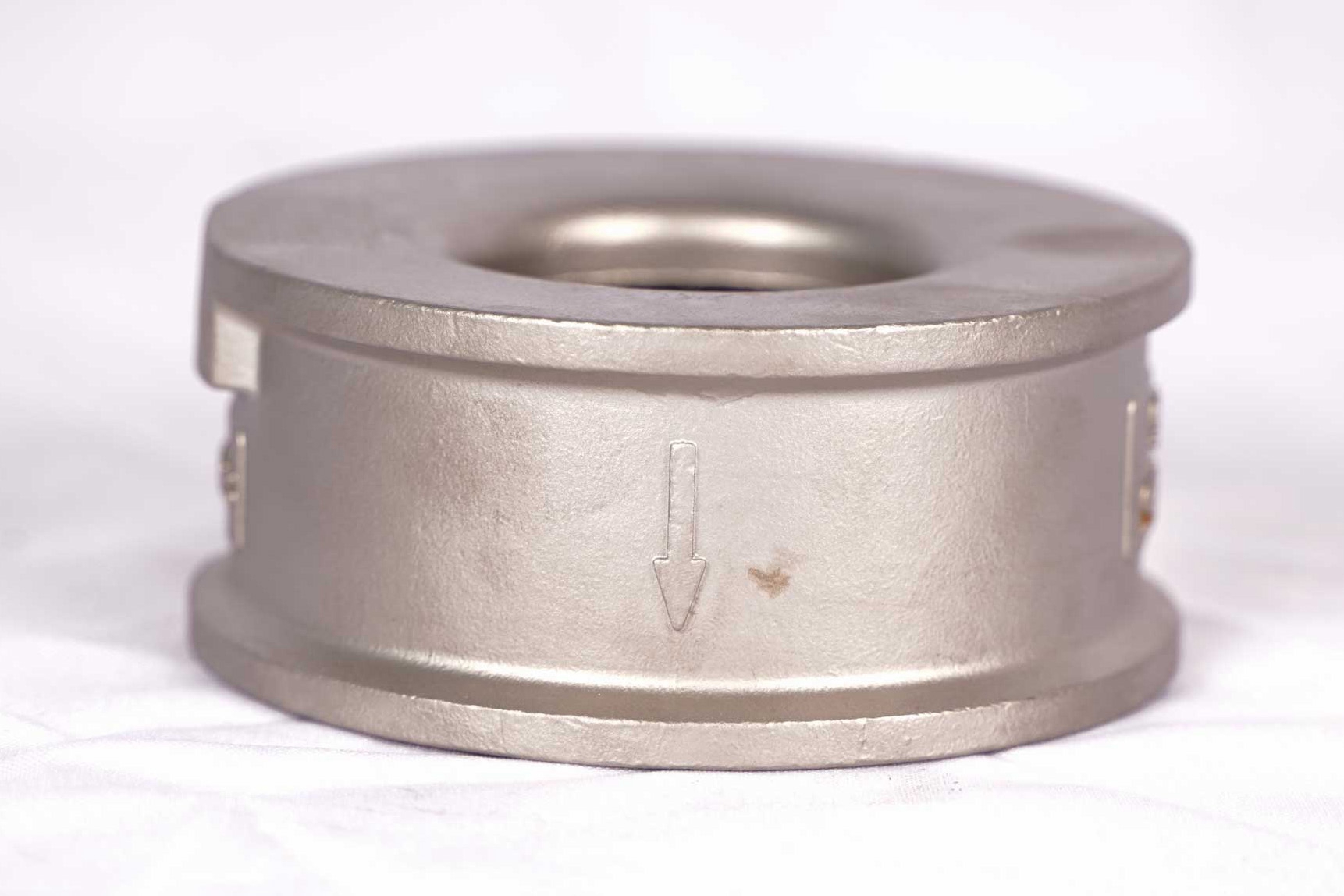
Technologie de Base de la Coulée Orientée des Grains pour les Composants Stellite 6K
Conception du Modèle en Cire Des modèles en cire de haute précision sont développés pour les formes critiques en termes d'usure—manchons de guidage, disques d'étanchéité, sièges de soupape—avec une tolérance dimensionnelle de ±0,05 mm.
Fabrication du Moule en Coquille Des coquilles céramiques multicouches (6–8 mm) sont construites pour la résistance et le contrôle thermique pendant la solidification directionnelle.
Fusion par Induction sous Vide Le Stellite 6K est fondu à ~1450°C sous vide (≤10⁻³ Pa) pour éviter l'oxydation et contrôler la teneur en carbone.
Solidification Orientée des Grains Les moules sont conçus pour permettre aux grains de s'aligner avec les principales directions d'usure, améliorant la dureté et la résistance à l'érosion dans les zones critiques en service.
Retrait de la Coquille et Nettoyage Après la coulée, les moules sont retirés par grenaillage haute pression et lessivage chimique pour conserver la géométrie des arêtes fines.
Traitement Thermique Un traitement de mise en solution et de vieillissement est appliqué pour optimiser la dispersion des carbures et améliorer la dureté microstructurale.
Finition CNC et EDM Les faces d'étanchéité complexes, les rainures de verrouillage et les alésages d'assemblage sont finalisés par usinage CNC et EDM.
Inspection et Certification Les tests ultrasons et radiographie X, les contrôles CMM et la vérification de la dureté garantissent une fiabilité de qualité réacteur.
Propriétés du Matériau Stellite 6K pour Applications Nucléaires
Dureté : 44–48 HRC après coulée (jusqu'à 52 HRC après traitement thermique)
Résistance à la Corrosion : Excellente dans la chimie de l'eau, les solutions borées et les environnements vapeur
Résistance à l'Usure : Exceptionnelle contre le frottement, le grippage et la cavitation
Stabilité Thermique : Fonctionne en continu jusqu'à 800°C
Orientation des Grains : Contrôlée pour s'aligner avec les vecteurs principaux de contrainte/usure
Compatibilité aux Radiations : Performance éprouvée dans les assemblages de cœur de réacteur
Étude de Cas : Sièges de Soupape et Manchons de Guidage en Stellite 6K pour Réacteur PWR
Contexte du Projet
Neway AeroTech a été mandaté pour produire des sièges de soupape, des bagues d'usure et des manchons de guidage de tige en Stellite 6K pour un réacteur à eau pressurisée (PWR) fonctionnant sous haute pression et température. Les exigences comprenaient une haute dureté de surface, une excellente stabilité dimensionnelle et une orientation directionnelle des grains pour réduire l'usure pendant les cycles d'actionnement répétés.
Applications
Manchons de Guidage pour Barres de Contrôle : Doivent résister à l'abrasion par glissement et à l'usure dimensionnelle sur des milliers de cycles d'insertion.
Sièges et Bouchons de Soupape : Fonctionnent sous usure par impact répété et glissement dans l'eau à haute température et pression.
Faces d'Étanchéité et Anneaux d'Arrêt : Maintiennent une performance étanche dans les zones critiques d'isolation du fluide de refroidissement et de la vapeur.
Flux de Fabrication chez Neway AeroTech
Ingénierie et Simulation La modélisation CFD et de solidification est utilisée pour optimiser l'écoulement dans le moule et l'orientation des grains.
Exécution de la Coulée sous Vide Le Stellite 6K est coulé dans des moules céramiques de précision sous vide, puis refroidi sous gradients contrôlés pour produire des motifs de grains colonnaires ou directionnels.
Traitement Thermique et Stabilisation des Carbures Le traitement thermique post-coulée améliore la précipitation des carbures et stabilise les propriétés d'usure.
Usinage et Inspection Finale La mise en forme finale et la préparation de surface sont achevées en utilisant l'usinage CNC, l'EDM, et validées par des contrôles CMM et des tests de dureté.
Principaux Défis de Fabrication
Gérer la ségrégation des carbures pendant la coulée et le refroidissement
Obtenir un alignement constant des grains dans des géométries non symétriques
Éviter les microfissures dans les arêtes d'étanchéité minces pendant la solidification
Garantir une haute dureté sans fragilité post-usinage
Résultats et Vérification
Dureté de 48–52 HRC atteinte après traitement thermique
Orientation des grains vérifiée dans les sections sujettes à l'usure par métallographie
Tolérances finales dans la plage de ±0,02 mm pour les sièges de soupape et les alésages de manchons
Taux de réussite de 100% aux inspections non destructives par ultrasons et radiographie X
Stabilité dimensionnelle à long terme validée par simulation de cyclage thermique
FAQ
Quels avantages le Stellite 6K offre-t-il dans les applications de réacteurs nucléaires ?
Comment la coulée orientée des grains améliore-t-elle la résistance à l'usure ?
Quelle plage de dureté peut être atteinte après traitement thermique ?
Les pièces en Stellite 6K sont-elles adaptées au soudage et à la réparation sur site ?
Quelles industries au-delà du nucléaire utilisent des composants moulés en Stellite 6K ?
