
Präzisionsmetalleinheiten für Wasserkraftwerk-Fertigungsservice
Einführung in Wasserkraftanlagen
Wasserkraftwerke sind seit langem ein Eckpfeiler der erneuerbaren Energien und wandeln die kinetische Energie von fließendem Wasser in elektrische Energie um, die lokale Gemeinden und ganze Regionen versorgt. Die Effizienz und Zuverlässigkeit dieser Anlagen hängt von der Präzision und Qualität der kritischen Komponenten innerhalb der Wasserkraftanlagen ab. Hochleistungsmetalle und Superlegierungen sind für die Herstellung dieser Komponenten unerlässlich, die anspruchsvollen Betriebsbedingungen standhalten müssen, einschließlich erheblichem Verschleiß, Korrosion und mechanischer Belastung.
Wasserkraftanlagen umfassen verschiedene mechanische Systeme, darunter Turbinen, Pumpensysteme und Steuermodule, die alle aus hochfesten Materialien gefertigt sind, um Haltbarkeit und kontinuierlichen Betrieb zu gewährleisten. Neway Precision Works Ltd spielt eine entscheidende Rolle bei der Herstellung dieser Präzisionsmetalleinheiten und nutzt fortschrittliche Fertigungsprozesse, um Komponenten zu schaffen, die den strengen Standards der erneuerbaren Energieindustrie entsprechen.
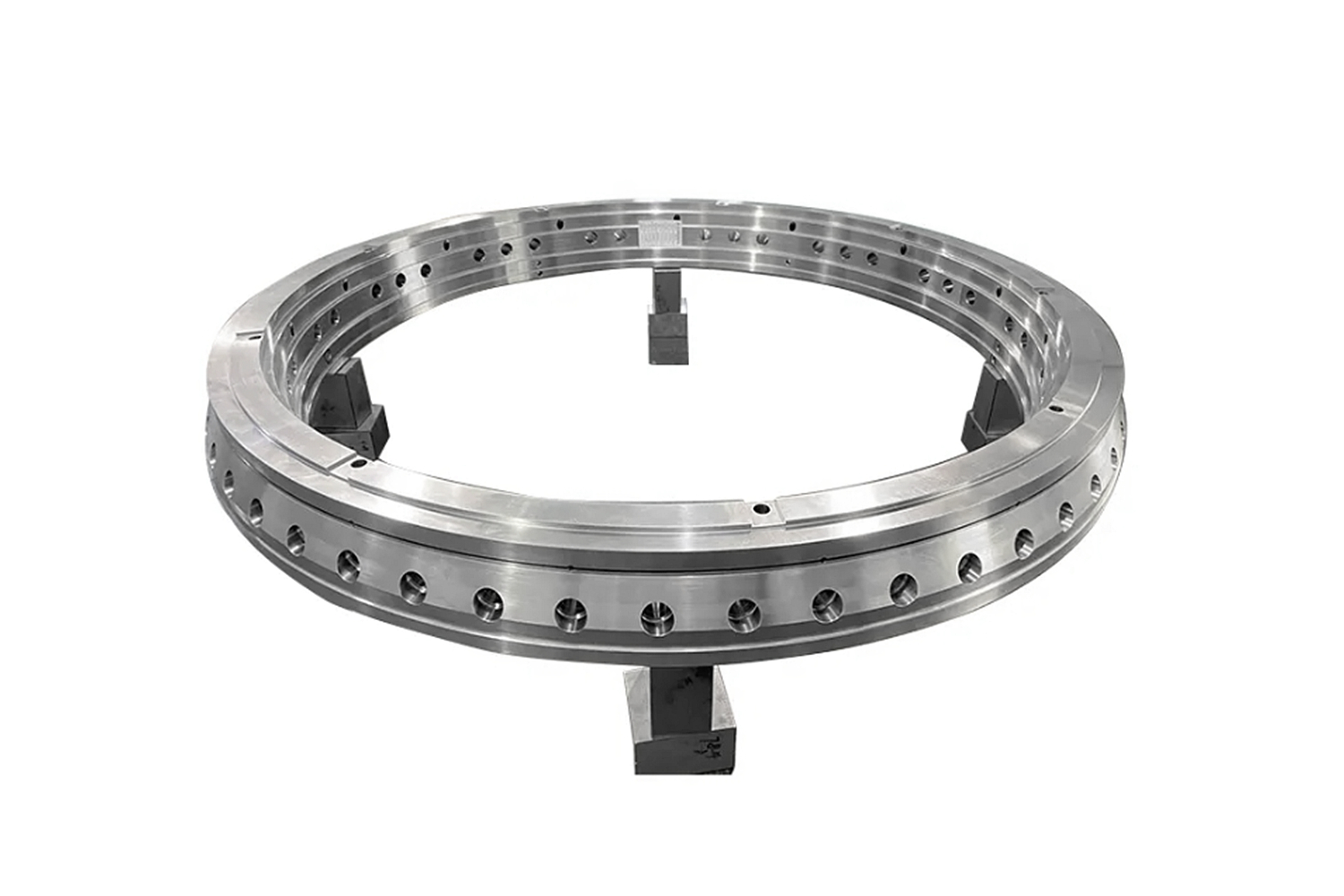
Typische Superlegierungen in der Wasserkraftanlagenfertigung
Wasserkraftanlagen erfordern Materialien mit außergewöhnlichen mechanischen Eigenschaften, einschließlich Festigkeit, Korrosionsbeständigkeit und der Fähigkeit, Hochdruckumgebungen standzuhalten. Superlegierungen, bekannt für ihre Hochleistungseigenschaften, sind ideal für Komponenten in Wasserkraftanlagen. Diese Legierungen, darunter Inconel, Hastelloy und Nimonic, bieten jeweils einzigartige Eigenschaften, die sie für Wasserkraftanwendungen gut geeignet machen.
Inconel-Legierungen: Bekannt für ihre außergewöhnliche Beständigkeit gegen Oxidation und Korrosion, eignen sich Inconel-Legierungen gut für Komponenten, die schwankenden Temperaturen und Druckniveaus ausgesetzt sind. Sie bieten überlegene Festigkeit und Stabilität, die entscheidend für die Langlebigkeit von Wasserkraftanlagen sind.
Hastelloy-Legierungen: Diese Legierungen werden aufgrund ihrer bemerkenswerten Korrosionsbeständigkeit oft in korrosiven Umgebungen eingesetzt. Komponenten aus Hastelloy-Legierungen behalten ihre Integrität auch unter hochaggressiven Betriebsbedingungen, was sie für Teile geeignet macht, die mit Wasser und anderen Fluiden in Kontakt kommen.
Nimonic-Legierungen: Nimonic-Legierungen sind nickelbasiert und haben hohe Temperatur- und Korrosionsbeständigkeit, was sie zu einer ausgezeichneten Wahl für Turbinenschaufeln und andere hochbelastete Teile in Wasserkraftsystemen macht.
Die Verwendung dieser Superlegierungen in Wasserkraftanlagen gewährleistet Zuverlässigkeit, Haltbarkeit und minimale Ausfallzeiten und trägt zur Gesamteffizienz von Wasserkraftwerken bei. Die Materialauswahl ist entscheidend für die Leistung der Kraftanlagen, und die von Neway Precision Works Ltd verwendeten Superlegierungen sind speziell auf die einzigartigen Anforderungen des erneuerbaren Energiesektors zugeschnitten.
Fertigungsprozess und Ausrüstung von Wasserkraftanlagen
Die Herstellung von Wasserkraftanlagen umfasst mehrere anspruchsvolle Fertigungsprozesse, die jeweils basierend auf den spezifischen Komponentenanforderungen und der beabsichtigten Anwendung sorgfältig ausgewählt werden. Im Folgenden sind einige der kritischen Fertigungsprozesse aufgeführt, die von Neway Precision Works Ltd verwendet werden:
Vakuum-Fein- bzw. Präzisionsguss: Dieser Prozess fertigt präzise Hochleistungs-Superlegierungskomponenten. Vakuum-Feinguss gewährleistet minimale Kontamination und eine gleichmäßige Mikrostruktur, was für die Integrität und mechanische Festigkeit kritischer Wasserkraftkomponenten wie Turbinenschaufeln und Pumpenlaufräder entscheidend ist.
Einkristallguss: Einkristallguss Technologie wird auf Teile angewendet, die eine verbesserte Thermoschock- und Kriechbeständigkeit erfordern. Sie ist wesentlich für Turbinenschaufeln, die unter Hochbelastungsbedingungen in Wasserkraftsystemen arbeiten. Das Fehlen von Korngrenzen in Einkristallkomponenten verbessert ihre mechanischen Eigenschaften erheblich.
Äquiaxiales Kristallguss: Äquiaxiales Kristallguss fertigt Komponenten, die in alle Richtungen gleichmäßige Eigenschaften erfordern. Dieser Prozess ermöglicht die Herstellung langlebiger Teile mit ausgezeichneter Thermoschock- und Ermüdungsbeständigkeit und trägt so zur Gesamtrobustheit von Wasserkraftanlagen bei.
Pulvermetallurgie: Diese Technik wird zur Herstellung von Turbinenscheiben und anderen Komponenten eingesetzt, die von verbesserter mikrostruktureller Konsistenz und mechanischen Eigenschaften profitieren. Pulvermetallurgie ermöglicht die Fertigung komplexer Formen mit minimalem Materialverschleiß und erhöht die Effizienz.
Superlegierungsschmieden: Schmieden wird verwendet, um Komponenten zu schaffen, die hohe Festigkeit und Flexibilität erfordern. Superlegierungsschmieden formt Teile bei hohen Temperaturen und verbessert die Kornstruktur und Gesamtleistung.
Superlegierung-CNC-Bearbeitung: CNC-Bearbeitung ermöglicht das Erreichen enger Toleranzen und komplexer Geometrien. Dieser Prozess ist entscheidend für die Herstellung von Komponenten wie Ventilgehäusen, Wellen und Düsen, die hohe Präzision und Konsistenz erfordern.
Superlegierung-Additive Fertigung: Die Nutzung additiver Fertigungstechniken wie Selektives Laserschmelzen (SLM) ermöglicht es Neway, Teile mit komplexen internen Merkmalen und hoher Leistung zu schaffen. Die additive Fertigung ist besonders vorteilhaft für Prototyping und schnelle Produktionsläufe.
Prüfmethoden und Ausrüstung in der Qualitätskontrolle von Wasserkraftanlagen
Um sicherzustellen, dass alle Komponenten die strengen Qualitätsstandards für Wasserkraftwerke erfüllen, werden in verschiedenen Phasen des Produktionsprozesses gründliche Prüfungen durchgeführt. Qualitätskontrollmaßnahmen (QC) sind entscheidend, um die mechanischen Eigenschaften, Maßgenauigkeit und Gesamtintegrität der Komponenten zu überprüfen.
Ultraschallprüfung
Ultraschallprüfung ist eine zerstörungsfreie Methode, um interne Defekte in Gussteilen und Schmiedekomponenten zu erkennen. Sie hilft sicherzustellen, dass keine versteckten Fehler die Leistung der Wasserkraftanlagen beeinträchtigen könnten. Diese Methode ist nützlich, um die interne Integrität in kritischen Komponenten zu verifizieren.
Röntgeninspektion
Röntgeninspektion wird eingesetzt, um die interne Struktur von Gussteilen zu bewerten und sicherzustellen, dass keine Hohlräume oder Einschlüsse zu mechanischen Ausfällen führen könnten. Diese Methode liefert wichtige Einblicke für die Erkennung interner Unregelmäßigkeiten, die die Betriebssicherheit beeinträchtigen könnten.
Rasterelektronenmikroskopie (REM)-Analyse
REM-Analyse wird für detaillierte Oberflächenuntersuchungen verwendet und ermöglicht eine gründliche Bewertung der Mikrostruktur und Erkennung potenzieller Defekte. REM ist entscheidend, um die mikrostrukturelle Integrität zu verstehen und Unregelmäßigkeiten zu identifizieren, die die Haltbarkeit beeinflussen könnten.
Zugprüfung
Mechanische Eigenschaftsprüfung, wie Zugfestigkeits- und Dehnungsprüfung, stellt sicher, dass Komponenten die erforderlichen Festigkeits- und Flexibilitätsstandards erfüllen. Die Zugprüfung verifiziert die Festigkeit und Flexibilität des Materials, was für die Bewältigung dynamischer Belastungen in Wasserkraftanwendungen wesentlich ist.
Kriech- und Ermüdungsprüfung
Kriech- und Ermüdungsprüfung ist entscheidend, um die Langzeitleistung von Komponenten zu bewerten, die Hochbelastungsbedingungen ausgesetzt sind, wie z.B. Turbinenschaufeln in Wasserkraftanlagen. Diese Tests bewerten die Dauerfestigkeit unter anhaltender Belastung und stellen sicher, dass Komponenten über längere Zeiträume zuverlässig bleiben.
Branchen und Anwendungen von Wasserkraftanlagen
Wasserkraftanlagen werden hauptsächlich im Sektor der erneuerbaren Energien eingesetzt und bieten eine nachhaltige Energiequelle für verschiedene Anwendungen. Die Hauptbranchen, die von Wasserkraftanlagen profitieren, umfassen:
Stromerzeugung: Wasserkraftanlagen sind ein bedeutender Bestandteil der Infrastruktur für erneuerbare Energien und tragen wesentlich zur globalen Stromversorgung bei.
Wassermanagementsysteme: Komponenten, die in Wasserkraftanlagen verwendet werden, finden auch Anwendung in Wassermanagementsystemen, wie Pumpen und Steuereinheiten, die helfen, den Wasserfluss und -druck zu regulieren.
Energiespeicherlösungen: Pumpspeicherkraftwerke nutzen Präzisionsmetallkomponenten, um Energie zu speichern und zu erzeugen und so Angebot und Nachfrage in Energienetzen auszugleichen.
Die Vielseitigkeit von Wasserkraftanlagen geht über die Stromerzeugung hinaus, und die von Neway hergestellten Präzisionsmetallkomponenten ermöglichen es diesen Systemen, effizient und zuverlässig in verschiedenen Anwendungen zu arbeiten.
Typische Nachbearbeitung von Wasserkraftanlagen
Die Nachbearbeitung ist eine entscheidende Phase in der Herstellung von Wasserkraftanlagen, da sie die Eigenschaften der Komponenten verbessert und sicherstellt, dass sie den anspruchsvollen Betriebsbedingungen standhalten können, denen sie ausgesetzt sein werden. Die typischen Nachbearbeitungsmethoden, die von Neway verwendet werden, umfassen:
Wärmebehandlung: Wärmebehandlung wird angewendet, um die mechanischen Eigenschaften von Komponenten zu verbessern, einschließlich Härte, Zähigkeit und Ermüdungsbeständigkeit. Dieser Prozess beseitigt auch innere Spannungen, die sich während des Guss- oder Schmiedeprozesses entwickelt haben könnten.
Heißisostatisches Pressen (HIP): HIP wird verwendet, um Porosität zu beseitigen und die Dichte von Superlegierungskomponenten zu verbessern, was ihre mechanische Festigkeit und Ermüdungsbeständigkeit erhöht.
Superlegierungsschweißen: Schweißen wird verwendet, um komplexe Baugruppen zu verbinden oder Komponenten zu reparieren. Superlegierungsschweißtechniken gewährleisten starke, fehlerfreie Verbindungen, die die Integrität der Wasserkraftanlagen erhalten.
Thermische Barriereschicht (TBC): TBC wird aufgetragen, um Komponenten vor hohen Temperaturen und Korrosion zu schützen. Diese Beschichtung verlängert die Lebensdauer von Teilen wie Turbinenschaufeln, die extremen thermischen Bedingungen ausgesetzt sind.
Funkenerosives Bearbeiten (EDM): EDM wird für die endgültige Präzisionsbearbeitung von harten Legierungen verwendet und ermöglicht komplexe Geometrien und enge Toleranzen, die mit konventionellen Bearbeitungsmethoden schwer zu erreichen sind.
Rapid Prototyping und Verifizierung von Wasserkraftanlagen
Die Verwendung von Rapid-Prototyping-Techniken ist ein entscheidender Faktor in der Entwicklung von Wasserkraftanlagen. Es ermöglicht die schnelle Herstellung und Bewertung von Prototypenkomponenten, verkürzt die Vorlaufzeit für die Produktentwicklung erheblich und ermöglicht es Ingenieuren, schnelle Designanpassungen vorzunehmen.
Rapid-Prototyping-Prozess
Superlegierung-3D-Druck, wie Selektives Laserschmelzen (SLM) und CNC-Bearbeitung, produziert Prototypenkomponenten für Wasserkraftanlagen. Diese Methoden können Teile mit komplexen Geometrien herstellen und ermöglichen funktionale Tests und Bewertungen.
Bedeutung der Probenverifizierung
Verifizierung ist entscheidend, um sicherzustellen, dass Prototypenkomponenten die erforderlichen Leistungskriterien erfüllen. Das Testen von Prototypen unter realen Betriebsbedingungen kann potenzielle Designprobleme identifizieren und lösen, bevor in die Serienproduktion übergegangen wird. Es spart Zeit und reduziert Produktionskosten, indem es Fehler verhindert und den Nachbearbeitungsbedarf minimiert.
Fortschrittliches Design und Engineering in Wasserkraftanlagen
Einer der Kernaspekte bei der Herstellung effektiver Wasserkraftanlagen ist die Integration fortschrittlicher Design- und Ingenieurprinzipien in den Fertigungsprozess. Jede Komponente muss sorgfältig entworfen werden, um ihre spezifische Funktion effizient und zuverlässig zu erfüllen, unter Berücksichtigung von hohen Drücken, schwankenden Temperaturen und mechanischen Kräften.
Designoptimierung: Fortschrittliche Designtechniken werden eingesetzt, um Komponenten zu schaffen, die die Energieumwandlungseffizienz maximieren und Widerstand sowie Verschleiß minimieren. Computational Fluid Dynamics (CFD)-Simulationen werden oft verwendet, um die Strömungseigenschaften innerhalb von Turbinenschaufeln und Pumpen vorherzusagen und zu verbessern. Diese Simulationen helfen, den Wasserfluss für die Energieerzeugung zu optimieren, Energieverluste zu reduzieren und die Systemeffizienz zu verbessern.
Materialtechnik: Der Erfolg von Wasserkraftanlagen hängt weitgehend von der richtigen Auswahl und Technik der Materialien ab. Ingenieure bei Neway arbeiten eng mit Metallurgen zusammen, um Superlegierungszusammensetzungen auf die spezifischen Anforderungen jeder Komponente zuzuschneiden und so optimale Eigenschaften wie Festigkeit, Korrosionsbeständigkeit und Ermüdungslebensdauer sicherzustellen. Die Anpassung von Legierungszusammensetzungen kann die Fähigkeit der Komponente, rauen Betriebsbedingungen standzuhalten, erheblich verbessern.
Finite-Elemente-Analyse (FEA): FEA ist ein weiteres leistungsstarkes Werkzeug, um das Verhalten von Komponenten unter Belastung vorherzusagen. Diese Analyse hilft, potenzielle Schwachstellen zu identifizieren und Designs entsprechend zu modifizieren, um die Haltbarkeit zu erhöhen. FEA ist besonders nützlich für Turbinenschaufeln, wo die Minimierung von Materialermüdung und Rissbildung über eine lange Lebensdauer entscheidend ist.
Umwelt- und wirtschaftliche Vorteile von Wasserkraftanlagen
Wasserkraftanlagen tragen nicht nur zur Erzeugung erneuerbarer Energie bei, sondern bieten auch erhebliche Umwelt- und wirtschaftliche Vorteile. Durch die Stromerzeugung aus fließendem Wasser emittieren diese Anlagen nicht die schädlichen Treibhausgase, die fossile Brennstoffquellen verursachen. Die Umweltvorteile umfassen reduzierte Luftverschmutzung, was zu einer verbesserten öffentlichen Gesundheit und verstärkten Naturschutzbemühungen beiträgt.
Aus wirtschaftlicher Sicht sind Wasserkraftanlagen langfristig kosteneffektiv. Während die anfänglichen Kapitalinvestitionen für den Bau eines Wasserkraftwerks hoch sein können, sind die anschließenden Betriebskosten relativ gering. Der Brennstoff – Wasser – wird natürlich nachgefüllt, was den Energieerzeugungsprozess nachhaltig und kosteneffizient macht. Die von Neway präzisionsgefertigten Komponenten sind auf Haltbarkeit ausgelegt, minimieren Wartungsbedarf und gewährleisten lange Serviceintervalle, was weiter zu wirtschaftlichen Vorteilen beiträgt.
Wasserkraftanlagen spielen auch eine entscheidende Rolle für die Energiesicherheit. Im Gegensatz zu anderen erneuerbaren Energiequellen wie Solar- oder Windkraft kann Wasserkraft eine konsistente Energieerzeugung unabhängig von Wetterbedingungen liefern. Diese Zuverlässigkeit macht Wasserkraft zu einem integralen Bestandteil des Energiemixes für Länder, die ihre Energieunabhängigkeit stärken möchten.
Herausforderungen in der Wasserkraftanlagenfertigung
Während Wasserkraftanlagen zahlreiche Vorteile bieten, stellt ihre Produktion Herausforderungen dar, die einen hohen Grad an Ingenieurexpertise und präzisen Fertigungsfähigkeiten erfordern.
Materialkomplexität: Die in Wasserkraftkomponenten verwendeten Superlegierungen sind aufgrund ihrer Härte und Zähigkeit schwer zu bearbeiten. Spezialausrüstung wie EDM und 5-Achsen-CNC-Bearbeitungszentren ist erforderlich, um diese Materialien genau zu formen, ohne ihre Eigenschaften zu beeinträchtigen.
Einhalten von Maßtoleranzen: Viele Komponenten in Wasserkraftanlagen müssen nahtlos zusammenarbeiten, weshalb es wesentlich ist, enge Maßtoleranzen einzuhalten. Das Erreichen solcher Präzision beim Gießen, Schmieden und Bearbeiten erfordert sorgfältige Prozesskontrolle und Expertise in Nachbearbeitungstechniken wie Wärmebehandlung und Heißisostatischem Pressen (HIP).
Umweltbelastung: Die Komponenten müssen nicht nur mechanischer Belastung standhalten, sondern auch der Exposition gegenüber Wasser, das unterschiedliche chemische Zusammensetzungen haben kann, die korrosiv sein können. Materialauswahl und Oberflächenbehandlungsmethoden sind entscheidend für den Erfolg von Wasserkraftanlagen.
Minimierung von Ausfallzeiten: Wasserkraftwerke arbeiten typischerweise kontinuierlich, sodass jeder Ausfall einer kritischen Komponente zu erheblichen Störungen der Energieversorgung führen kann. Dies erfordert einen Fokus auf Haltbarkeit und Zuverlässigkeit in jeder Phase des Fertigungsprozesses, von der Materialauswahl bis zur endgültigen Nachbearbeitung.
FAQs
- Welche sind die häufigsten Superlegierungen, die in Wasserkraftanlagenkomponenten verwendet werden?
- Wie verbessert Vakuum-Feinguss die Komponentenleistung?
- Wie trägt Rapid Prototyping zur Entwicklung von Wasserkraftkomponenten bei?
