Why is post-processing crucial for hydroelectric power unit durability?
Enhancing Structural Integrity Through Controlled Microstructure
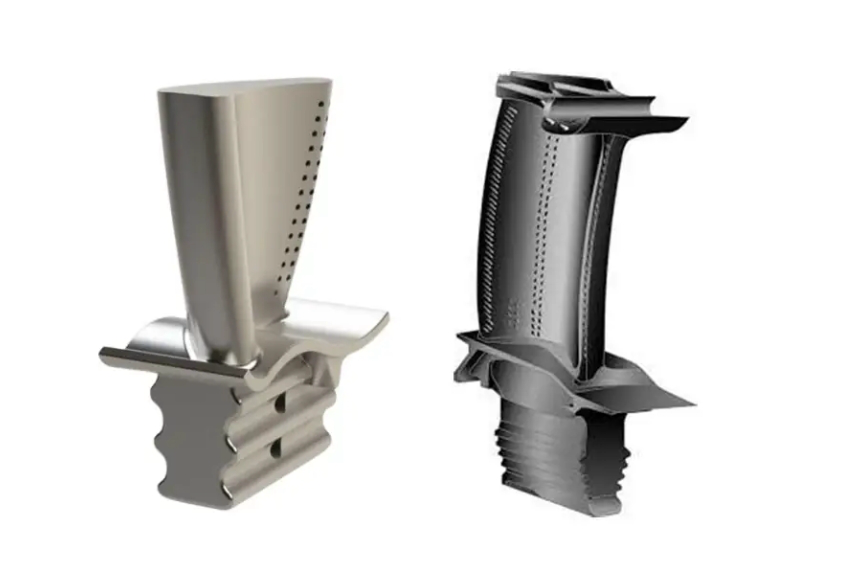
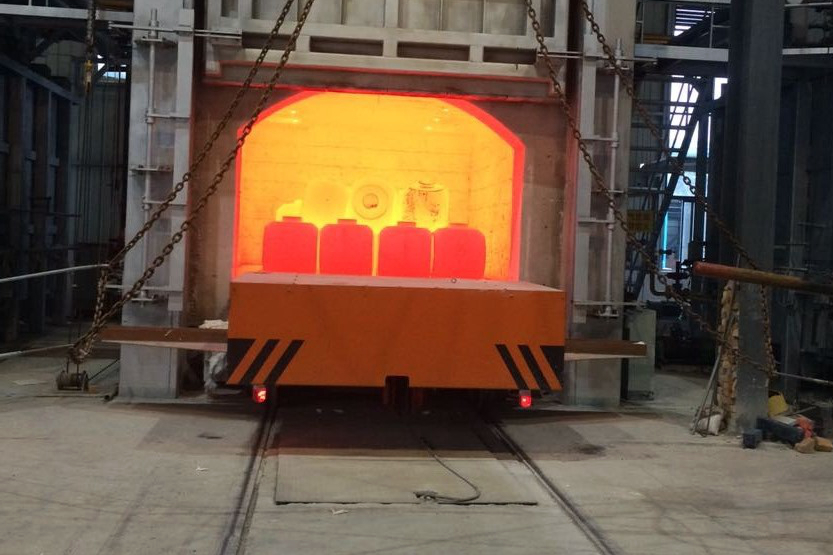
Hydroelectric power components such as turbine runners, guide vanes, and housings operate in high-pressure and high-vibration conditions. Post-processing treatments, such as heat treatment and hot isostatic pressing (HIP), are essential for refining the microstructure of cast or additively manufactured alloys. During heat treatment, controlled heating and cooling cycles relieve internal stresses and homogenize the grain structure, which enhances mechanical stability under cyclic loads. HIP, on the other hand, applies high temperature and pressure to eliminate residual porosity from casting or 3D printing, creating fully dense parts that can withstand the dynamic forces and cavitation effects present in water turbines.
Improving Fatigue Resistance and Dimensional Stability
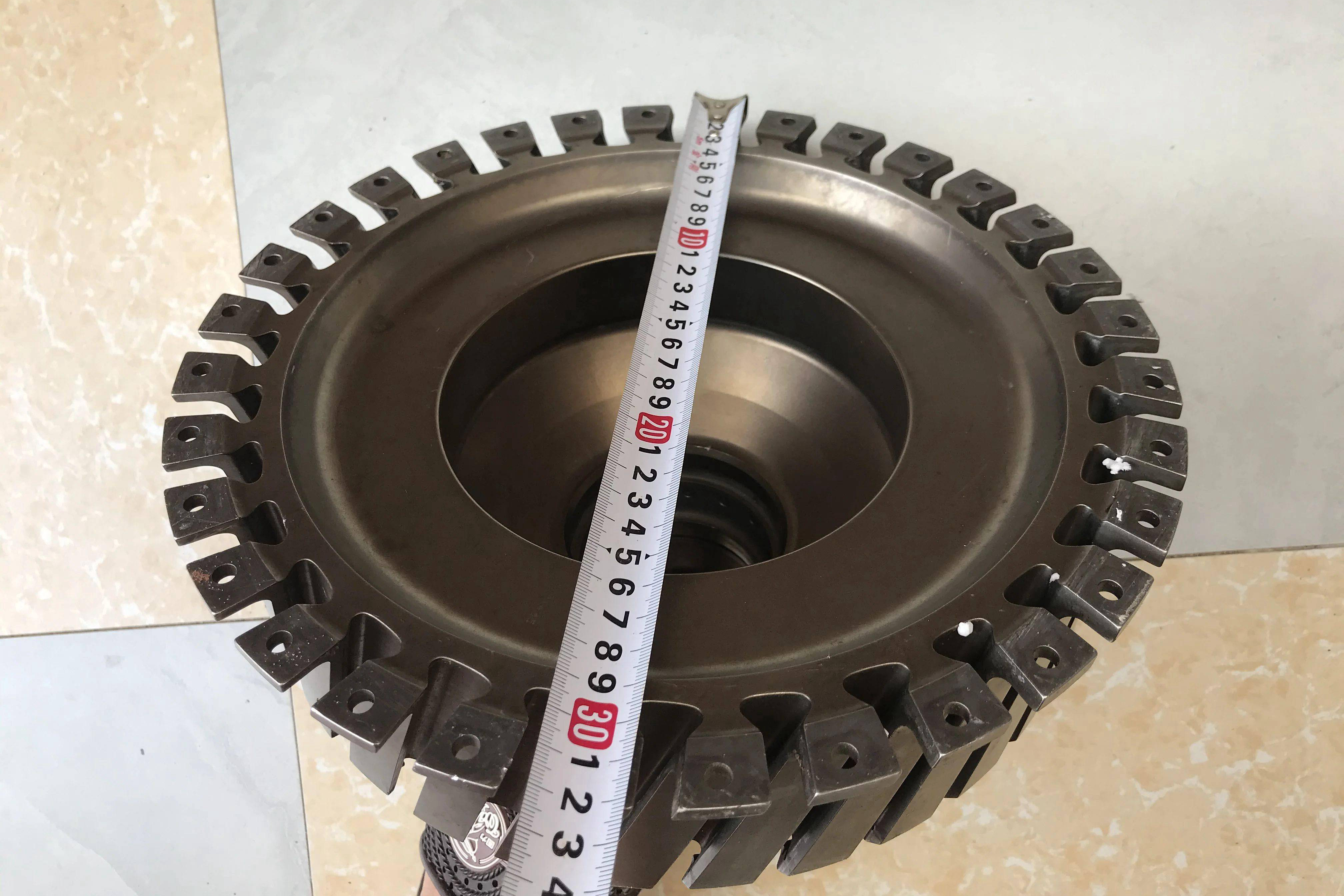
Hydropower systems are subject to constant fluid-induced vibration, which can lead to fatigue cracking in unprocessed or porous materials. By combining superalloy CNC machining with subsequent HIP and heat treatment, the material’s fatigue limit is significantly increased. Alloys such as Inconel 718 and Hastelloy X particularly benefit from these treatments due to their precipitation-hardening response. The result is a more dimensionally stable and crack-resistant part that retains its integrity after years of continuous turbine rotation and exposure to water.
Boosting Corrosion and Cavitation Resistance
Hydroelectric environments are often chemically active, containing dissolved oxygen and minerals that can accelerate corrosion. Proper post-processing enhances the protective oxide layers on metals like stainless steel and titanium alloys, thereby reducing pitting and erosion. When paired with surface enhancement techniques like thermal barrier coating (TBC) or anodizing, these treatments ensure smoother surfaces and improved resistance to cavitation damage—a common degradation mechanism in high-velocity water channels.
Extending Service Life and Maintenance Intervals
Through the synergy of advanced post-processing and precise vacuum investment casting, hydropower components achieve long-term reliability with minimal maintenance. Densified and heat-treated components are less prone to microfractures, enabling longer operational cycles and reduced downtime. This directly benefits energy sector operators seeking to optimize lifecycle costs while maintaining efficiency across large-scale power generation infrastructure. The durability imparted by post-processing also contributes to sustainability by minimizing material waste and reducing the need for replacement.
In short, heat treatment and HIP transform raw castings and printed parts into high-performance components ready for decades of submerged, high-stress operation. Without these critical steps, even precision-manufactured parts would face early degradation in the demanding hydroelectric environment.