How does rapid prototyping contribute to the development of hydroelectric power components?
Accelerating Design Iteration and Validation
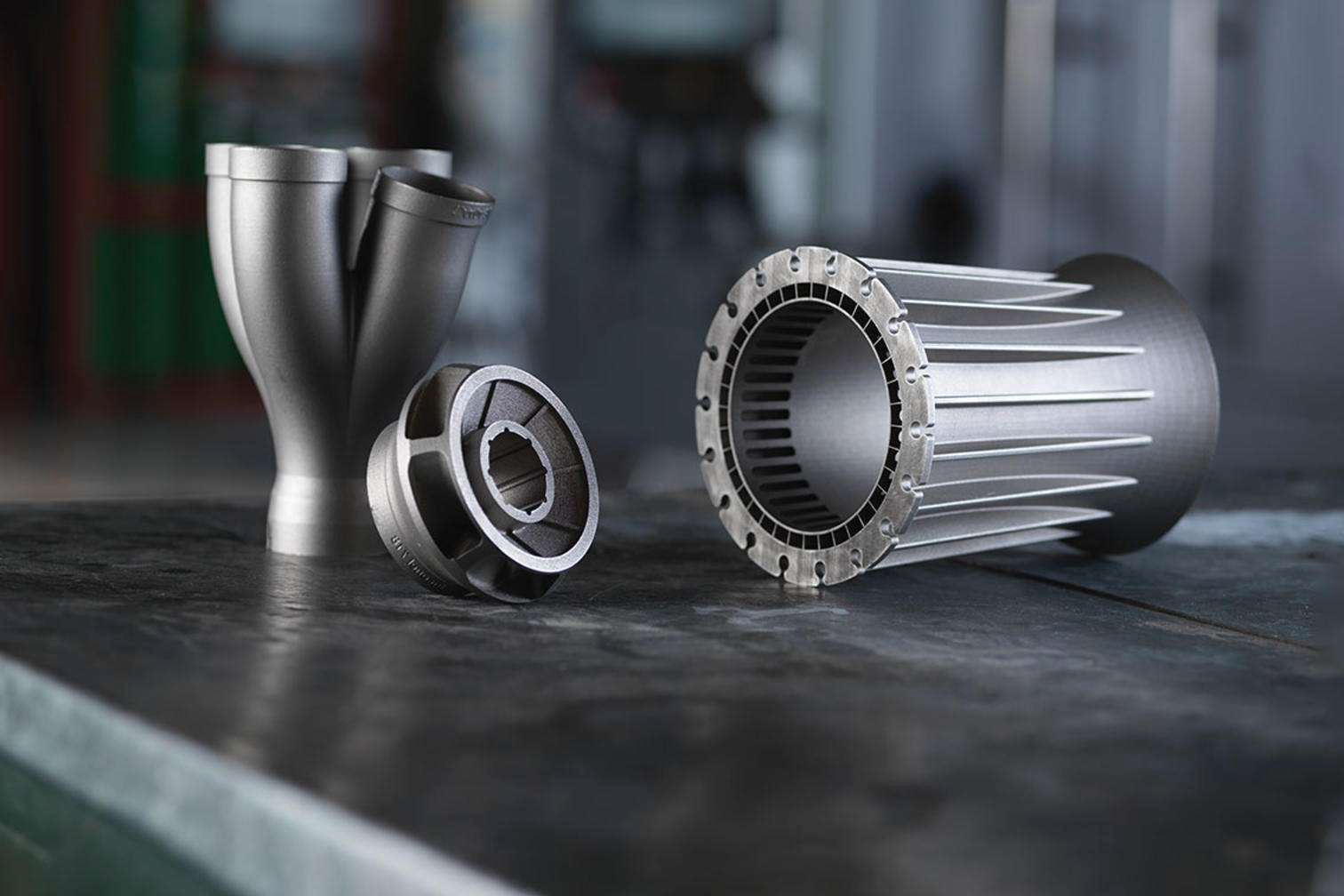
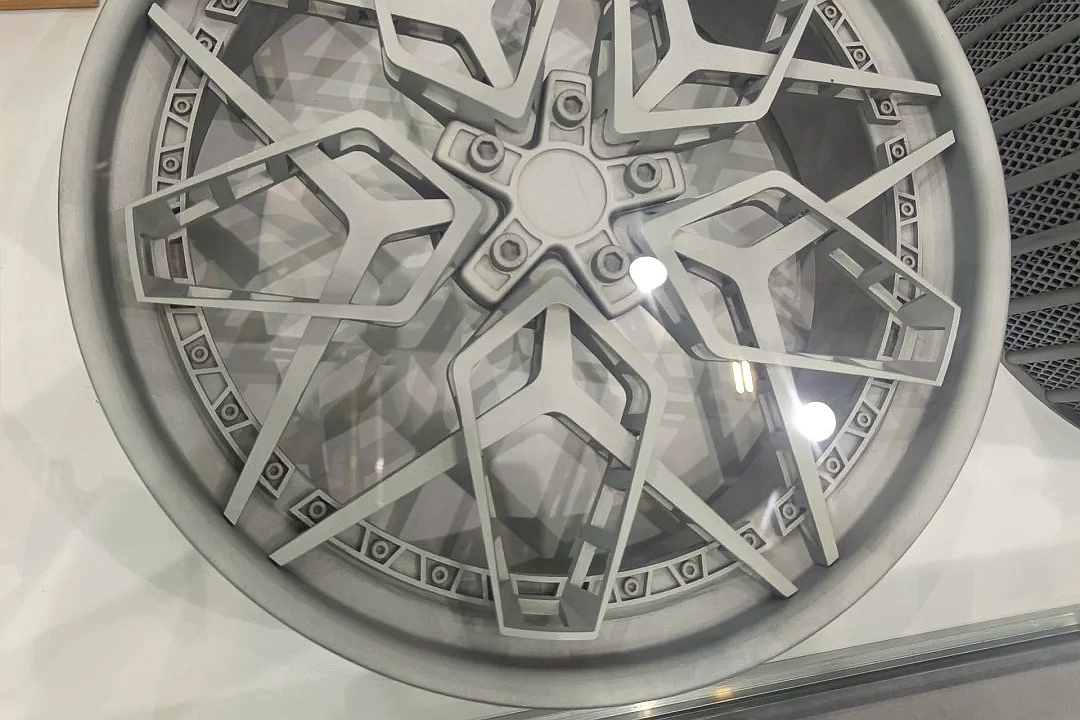
Rapid prototyping, powered by 3D printing services, allows engineers to develop and refine hydroelectric components much faster than traditional manufacturing methods. In turbine systems, for example, components such as guide vanes, impeller blades, and sealing housings can be produced quickly using aluminum 3D printing or plastic 3D printing to validate flow dynamics and dimensional tolerances before full-scale production. This reduces lead times in design verification and enables efficient fluid simulation testing, allowing engineers to evaluate hydraulic efficiency, cavitation resistance, and flow optimization at a fraction of the cost.
Material Simulation and Structural Optimization
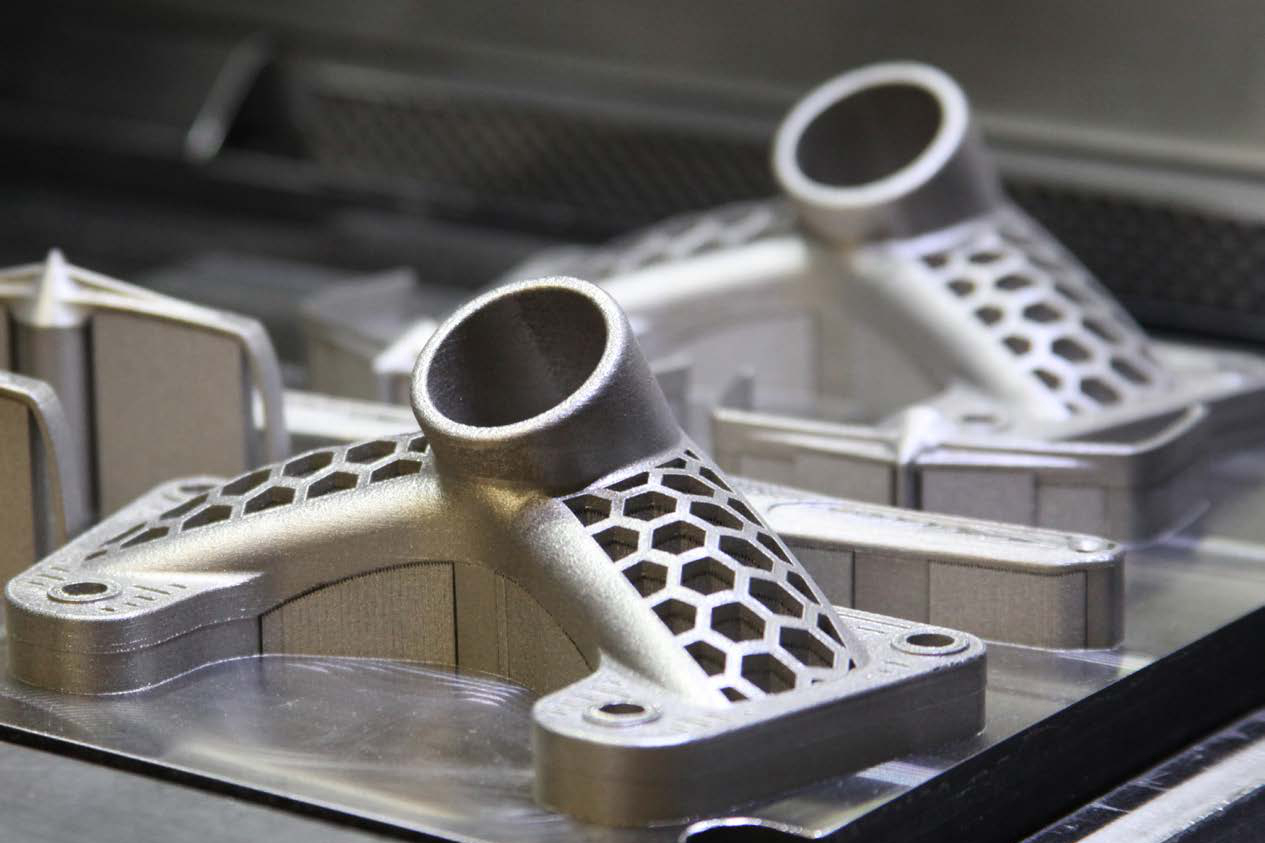
Hydroelectric environments require materials that perform under high pressure, corrosion, and erosion. Through metal additive technologies such as superalloy 3D printing, engineers can prototype using alloys like Inconel 625, Hastelloy X, or Stellite 6 to replicate real-world performance conditions. Titanium variants, such as Ti-6Al-4V, are also used for lightweight, corrosion-resistant components that reduce structural loads in submerged systems. These prototypes can be tested under simulated hydrostatic and thermal cycles, ensuring that the final production parts meet both mechanical and environmental requirements.
Enhancing Surface Performance and Post-Processing
After rapid prototyping, the integration of advanced finishing techniques enhances the mechanical performance and longevity of hydro components. Hot isostatic pressing (HIP) densifies printed parts to remove residual porosity, while heat treatment refines microstructures for improved fatigue resistance. Surface finishing options such as thermal barrier coatings (TBC) protect components from erosion and cavitation caused by continuous water flow. Combined with superalloy CNC machining, these post-processing methods ensure that even additively manufactured prototypes meet the same precision standards as production-grade components.
Supporting Efficient and Sustainable Energy Solutions
In modern power generation systems, rapid prototyping accelerates the development of hydropower turbines, runners, and generator housings while minimizing material waste. This aligns with the broader sustainability objectives of the energy sector by enabling localized, low-volume production for customized retrofit components. It also enables the continuous improvement of flow channel geometries and maintenance parts without incurring costly tooling or downtime, making hydroelectric systems more adaptable to environmental and operational variations.
Through the integration of additive manufacturing, precision post-processing, and digital design validation, rapid prototyping revolutionizes the engineering of hydroelectric components—reducing risk, enhancing efficiency, and ensuring reliable long-term performance.