How does vacuum investment casting enhance component performance?
Superior Purity and Microstructural Integrity
Vacuum investment casting is a precision process designed to produce high-performance metal components under controlled atmospheric conditions. Removing air and contaminants prevents oxidation and gas porosity during melting and solidification. This results in dense, defect-free structures ideal for aerospace, energy, and industrial applications. In the production of superalloy components, processes such as superalloy equiaxed crystal casting and superalloy directional casting ensure fine-grained microstructures and uniform alloy distribution, thereby significantly improving fatigue life and mechanical reliability.
Enhanced Mechanical Properties at High Temperatures
Operating in a vacuum environment allows precise control of alloy composition and temperature gradients. This control is critical when manufacturing single crystal turbine blades and Rene series alloys that must retain strength and creep resistance above 1,000°C. The elimination of oxides and inclusions results in superior tensile strength, fracture toughness, and thermal fatigue resistance. When combined with downstream treatments such as hot isostatic pressing (HIP) and superalloy heat treatment, vacuum-cast parts achieve nearly wrought-like integrity with minimal defects, ensuring optimal load-bearing performance in extreme environments.
Complex Geometry and Dimensional Precision
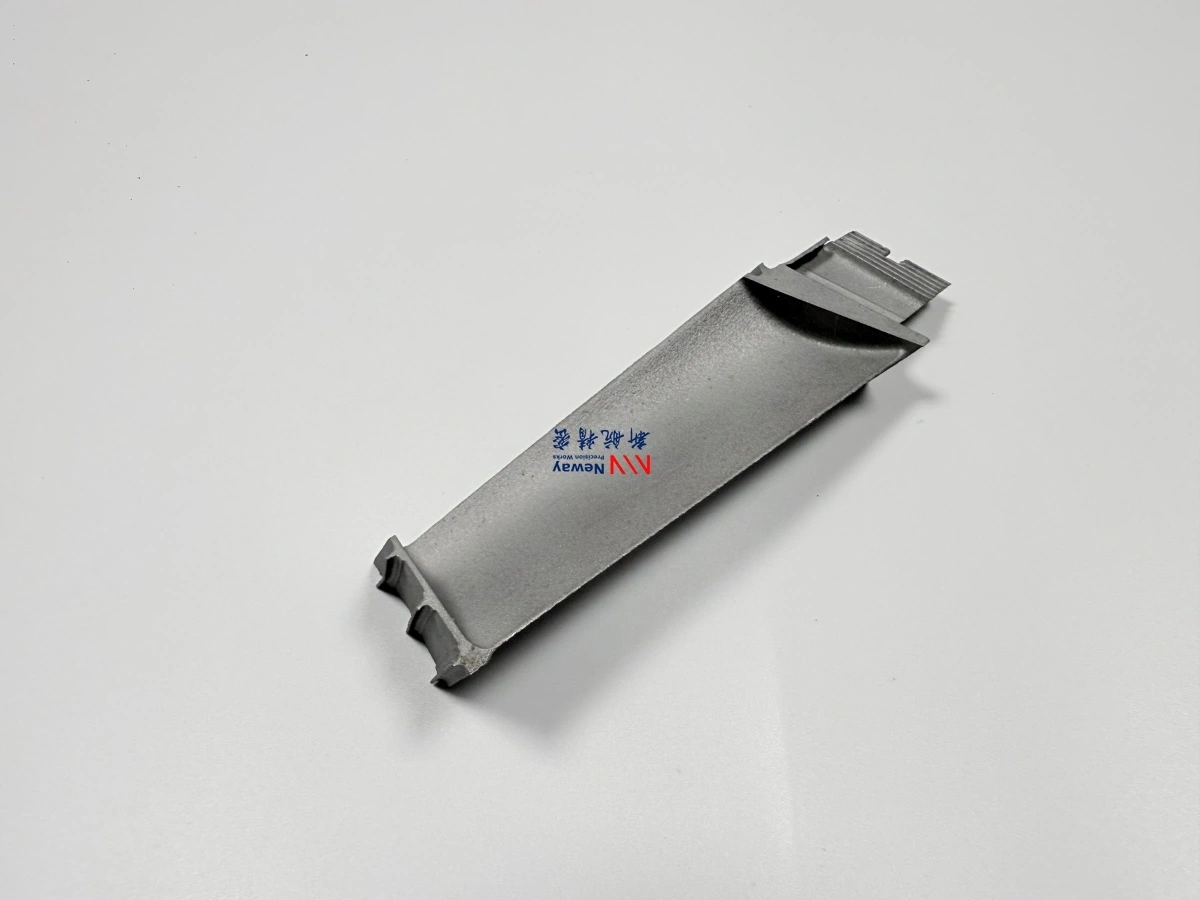
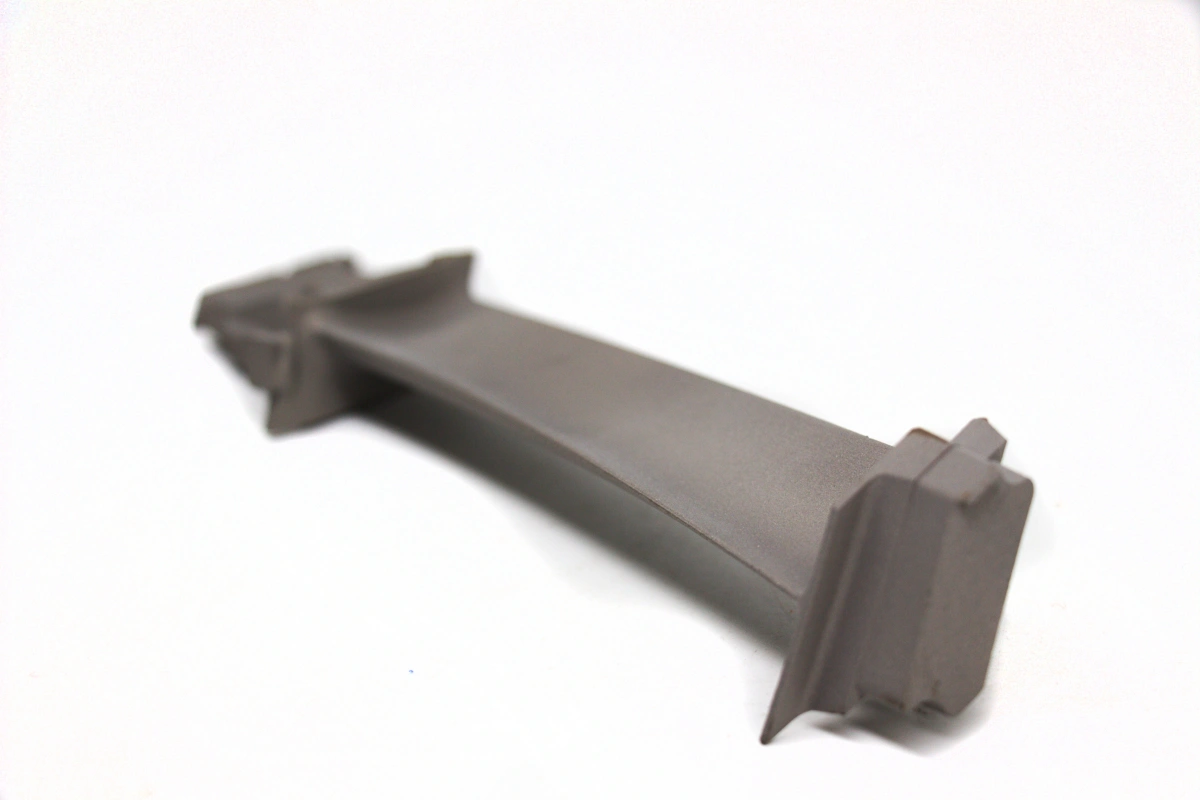
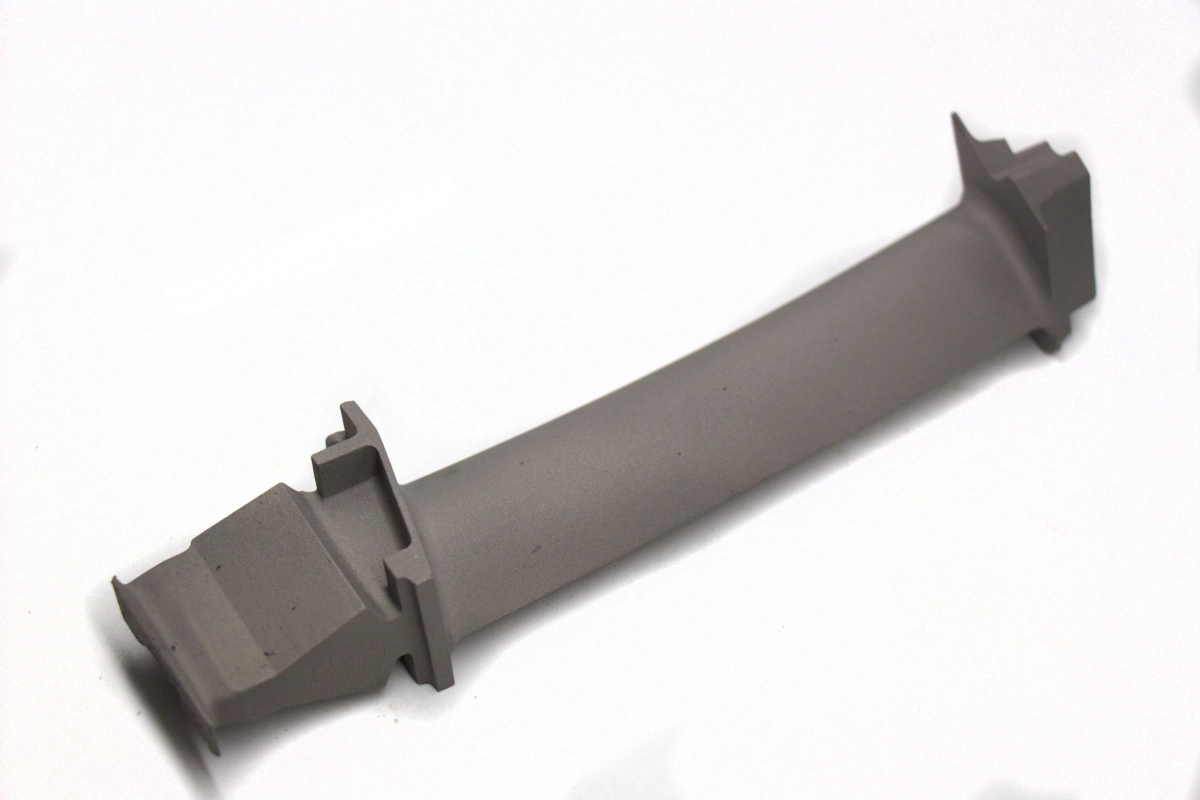
Vacuum investment casting supports the formation of intricate internal cavities and thin walls that traditional machining or sand casting cannot achieve. Through accurate wax pattern replication and controlled shell mold firing, manufacturers can produce near-net-shape components with minimal machining allowance. This precision is critical in turbine nozzles, pump impellers, and high-efficiency aerospace structures. For industries utilizing powder metallurgy turbine discs or superalloy CNC machining, vacuum casting offers a cost-effective route to achieving consistency in both prototype and full-scale production.
Improved Surface Quality and Performance Longevity
The smooth surface finish achieved under vacuum conditions reduces stress concentrators, improving fatigue resistance and surface bonding quality for coatings such as thermal barrier coatings (TBC). Additionally, alloys like Inconel 713LC, Hastelloy X, and Nimonic 105 benefit from superior oxidation and corrosion resistance, which is essential in high-pressure power generation and aerospace turbine environments.
Expanding Applications Across Energy and Aerospace
Vacuum investment casting bridges the gap between precision metallurgy and mass scalability. From aerospace propulsion components to energy sector turbines and marine propulsion systems, its ability to reproduce complex geometries with exceptional consistency allows designers to push performance boundaries while maintaining reliability and cost efficiency.