What are the most common superalloys used in hydroelectric power unit components?
High-Strength Alloys for Turbine and Generator Systems
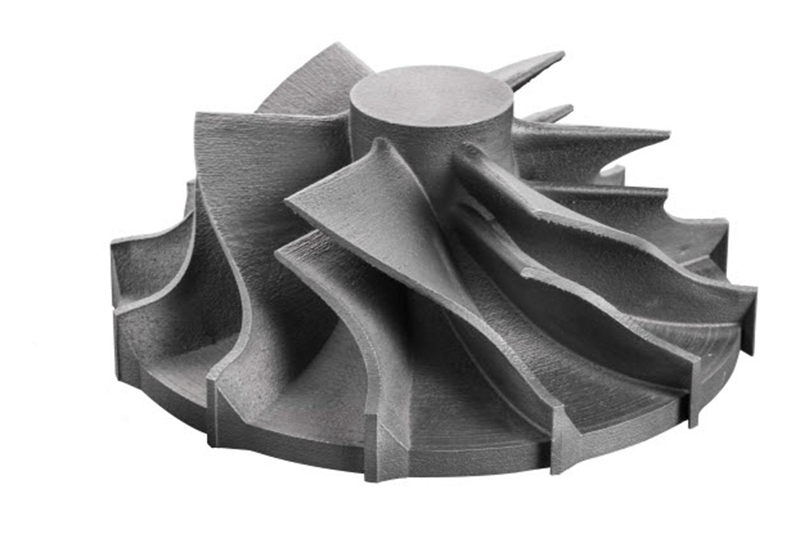
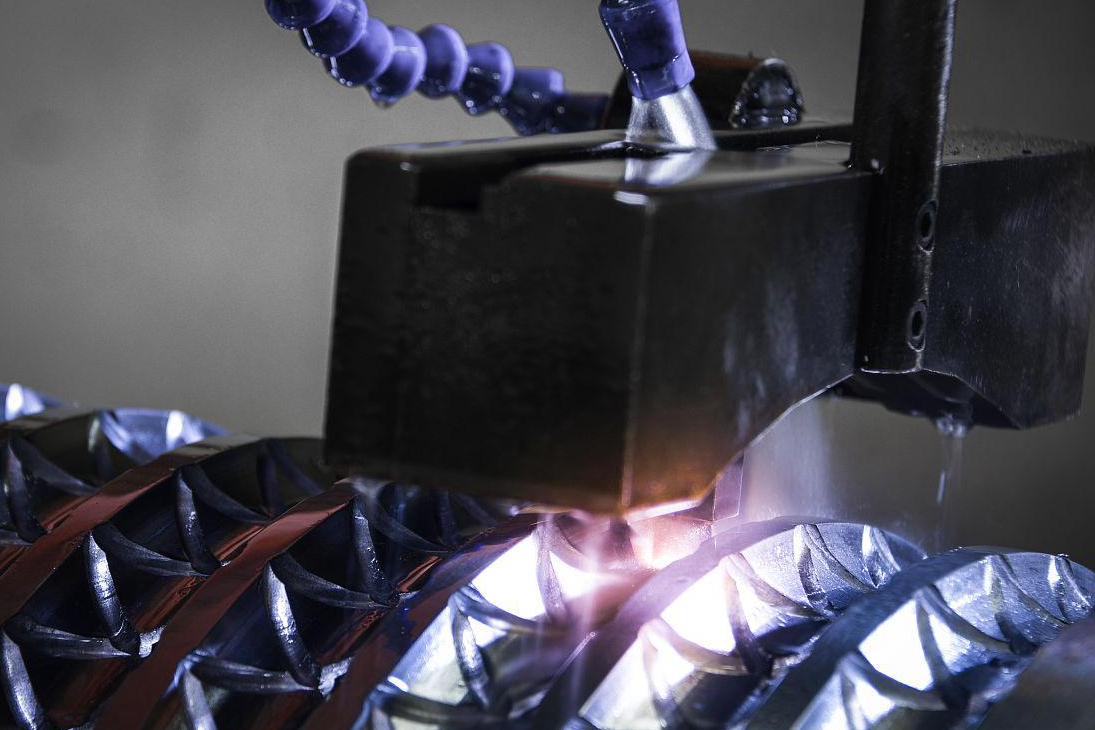
Hydroelectric power units rely on materials that can maintain mechanical strength and corrosion resistance in constantly wet, high-load environments. Superalloys such as Inconel 625 and Inconel 718 are frequently used in turbine shafts, generator rotors, and guide vanes due to their excellent fatigue and stress-rupture resistance. These alloys maintain stability under continuous torque, high rotational velocity, and hydrostatic pressure. Using advanced vacuum investment casting and superalloy precision forging, engineers achieve tight-grained microstructures and defect-free surfaces, ensuring a long service life in submerged conditions.
Corrosion and Erosion Resistance in Water Environments
Hydropower turbines and pump components constantly come into contact with water containing sediments and dissolved minerals, which can cause pitting or cavitation. Nickel-based alloys such as Monel 400 and Hastelloy C-276 exhibit exceptional resistance to chloride-induced corrosion and erosion wear, making them ideal for turbine casings, wicket gates, and stay rings. Additionally, Stellite 6B is often applied as a hardfacing alloy on sealing surfaces and valve seats to withstand cavitation damage and particle abrasion in high-flow environments.
Structural and Rotational Stability at Variable Loads
The dynamic nature of water flow requires materials that can withstand vibration and stress cycling. Cobalt- and nickel-based superalloys like Nimonic 90 and Rene 80 maintain microstructural stability over extended operational periods. When combined with hot isostatic pressing (HIP) and precision heat treatment, these alloys achieve uniform density and superior creep resistance. Such durability reduces unplanned maintenance, improving plant availability and reliability.
Additive and Post-Processing Enhancements for Efficiency
The introduction of superalloy 3D printing enables the design of optimized turbine cooling channels and hydraulic components with improved flow dynamics. After manufacturing, applying thermal barrier coating (TBC) further enhances corrosion resistance and extends surface lifespan. These advanced processes enable the adaptation of hydroelectric components to varying water chemistries and mechanical stresses, while maintaining precision and dimensional accuracy.
Supporting Sustainable Hydropower Applications
In modern power generation systems, these superalloys contribute to sustainability by minimizing energy losses, extending maintenance intervals, and increasing equipment life. Through combined manufacturing approaches such as forging, casting, HIP, and coating, hydroelectric facilities can operate with greater efficiency, safety, and environmental compliance.