
Nimonic-Superlegierungs-Präzisionsschmiede-Hitzeschilde für überlegene Haltbarkeit
Einführung
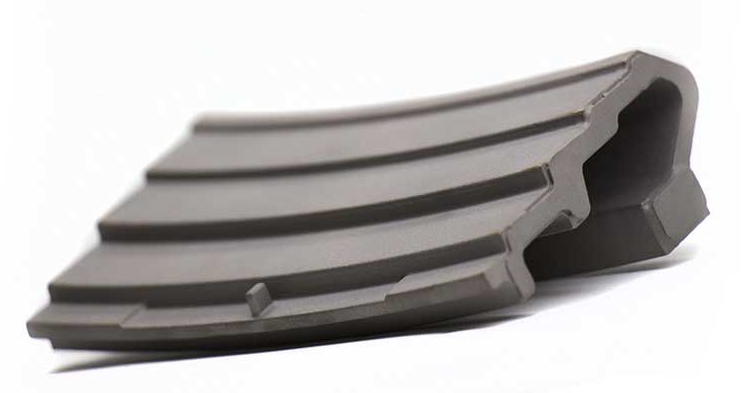
Aus Nimonic-Superlegierungen geschmiedete Hitzeschilde bieten außergewöhnliche Haltbarkeit, Oxidationsbeständigkeit und mechanische Festigkeit bei kontinuierlicher Einwirkung extremer Temperaturen. Bei Neway AeroTech sind wir spezialisiert auf Präzisionsschmiededienstleistungen für Nimonic-Legierungen und stellen hochleistungsfähige Hitzeschilde mit Maßtoleranzen von ±0,05 mm und herausragender Kriech- und Ermüdungsbeständigkeit her.
Durch den Einsatz fortschrittlicher Schmiedeprozesse und luft- und raumfahrtgerechter Qualitätskontrollsysteme sind unsere Nimonic-Hitzeschilde für kritische Anwendungen in Luft- und Raumfahrturbinen, Energieerzeugung und industriellen Wärmeschutzsystemen vertrauenswürdig.
Kernherausforderungen bei der Herstellung von Nimonic-Hitzeschilden
Das Schmieden von Nimonic-Legierungen wie Nimonic 90 und Nimonic 80A birgt mehrere kritische Herausforderungen:
Hohe Festigkeit und Verfestigungsraten erschweren die Umformkontrolle während des Schmiedens.
Einhalten enger Maßtoleranzen (±0,05 mm) für komplexe Schildgeometrien.
Steuerung der Korngröße und -ausrichtung, um überlegene Kriech- und Thermoermüdungsbeständigkeit sicherzustellen.
Erzielen einer konsistenten Oberflächenintegrität (Ra ≤3,2 µm) für effektiven Wärmeschutz.
Präzisionsschmiedeprozess für Nimonic-Hitzeschilde
Der Schmiedeprozess für Nimonic-Superlegierungs-Hitzeschilde umfasst:
Knüppelerwärmung: Kontrolliertes Vorwärmen auf 1050-1150°C für optimale Schmiedbarkeit ohne Kornwachstum.
Präzisionsgesenkschmieden: Schmieden unter streng kontrollierten Bedingungen, um die gewünschte Mikrostruktur und komplexe Geometrien zu erreichen.
Isothermes Schmieden (falls erforderlich): Spezialisiertes isothermes Schmieden für einachsige Kornausrichtung in kritischen Teilen.
Kontrollierte Abkühlung: Ofen- oder Luftabkühlung, um die mikrostrukturelle Integrität zu erhalten und Eigenspannungen zu minimieren.
Wärmebehandlung nach dem Schmieden: Lösungsglühen bei 1080-1120°C gefolgt von kontrolliertem Auslagern, um die mechanische Leistung zu optimieren.
Endbearbeitung durch CNC-Bearbeitung: Erzielen präziser Endtoleranzen (±0,01 mm) und glatter Oberflächen (Ra ≤1,6 µm).
Vergleich von Hitzeschild-Herstellungsverfahren
Herstellungsverfahren | Maßgenauigkeit | Oberflächengüte (Ra) | Mikrostruktursteuerung | Thermoermüdungsbeständigkeit | Kosteneffizienz |
|---|---|---|---|---|---|
Präzisionsschmieden | ±0,05 mm | ≤3,2 µm | Ausgezeichnet | Überlegen | Mittel |
Vakuum-Fein- bzw. Präzisionsguss | ±0,1 mm | ≤3,2 µm | Gut | Gut | Mittel |
CNC-Bearbeitung (aus Vollmaterial) | ±0,01 mm | ≤0,8 µm | Begrenzt | Mäßig | Hoch |
Strategie zur Auswahl des Herstellungsverfahrens
Die Auswahl des optimalen Herstellungsverfahrens für Nimonic-Hitzeschilde erfordert eine Abwägung von Thermoermüdungsleistung, struktureller Integrität und Wirtschaftlichkeit:
Präzisionsschmieden: Das bevorzugte Verfahren für kritische Luft- und Raumfahrt- sowie Energieanwendungen. Es bietet eine überlegene Kornstruktursteuerung mit Maßtoleranzen von ±0,05 mm und Oberflächengüten von Ra ≤3,2 µm. Geschmiedete Nimonic-Hitzeschilde bieten bis zu 30 % höhere Kriechbeständigkeit und verbesserte Ermüdungsleistung im Vergleich zu gegossenen Gegenstücken und gewährleisten einen zuverlässigen Betrieb über 900°C hinaus.
Vakuum-Feinguss: Geeignet für Bauteile mit komplexen Geometrien, bei denen Schmieden unpraktikabel ist. Während es eine gute Oberflächenqualität (Ra ≤3,2 µm) und moderate Maßtoleranzen (±0,1 mm) bietet, weisen Gussteile im Allgemeinen gröbere Kornstrukturen auf, was sie für weniger kritische Hochtemperatur-Schutzanwendungen geeigneter macht.
CNC-Bearbeitung (aus Vollmaterial): Ideal für Kleinserien- oder Prototypenfertigung, die ultrapräzise Maßkontrolle (±0,01 mm) und feine Oberflächengüten (Ra ≤0,8 µm) erfordert. Die Bearbeitung von Nimonic-Vollmaterial ist jedoch weniger materialeffizient und erhöht die Kosten, was sie nur für spezifische Anforderungen wie komplexe Schnittstellenmerkmale oder dringende Lieferzeiten praktikabel macht.
Nimonic-Legierungs-Leistungsmatrix
Legierungswerkstoff | Max. Betriebstemperatur (°C) | Zugfestigkeit (MPa) | Kriechbeständigkeit | Oxidationsbeständigkeit | Typische Anwendungen |
|---|---|---|---|---|---|
950 | 1200 | Ausgezeichnet | Überlegen | Turbinenhitzeschilde, Scheiben | |
850 | 1050 | Gut | Überlegen | Gasturbinen-Wärmeschilde | |
750 | 820 | Mäßig | Gut | Industrielle Hitzeschilde | |
870 | 930 | Ausgezeichnet | Ausgezeichnet | Brennkammerauskleidungen, Luft- und Raumfahrtschilde | |
870 | 960 | Ausgezeichnet | Ausgezeichnet | Luft- und Raumfahrt-Wärmeschutzsysteme | |
980 | 1180 | Überlegen | Überlegen | Hochtemperatur-Gasturbinenschilde |
Legierungsauswahlstrategie für Nimonic-Hitzeschilde
Legierungsauswahlstrategien umfassen:
Nimonic 90: Bevorzugt für kritische Turbinenhitzeschilde, die maximale Zugfestigkeit (1200 MPa) und Kriechbeständigkeit bei 950°C erfordern.
Nimonic 80A: Ausgewählt für Gasturbinenschilde, die Festigkeit (1050 MPa) und Oxidationsbeständigkeit bis zu 850°C in Einklang bringen.
Nimonic 75: Verwendet für industrielle Anwendungen, bei denen gute Wärmebeständigkeit bei moderaten Temperaturen (750°C) benötigt wird.
Nimonic 263: Ideal für Brennkammerauskleidungen und Luft- und Raumfahrtschilde, die eine Kombination aus Zähigkeit und Oxidationsbeständigkeit erfordern.
Nimonic PE16: Geeignet für Luft- und Raumfahrtsysteme, die konsistente Thermoermüdungsbeständigkeit und Festigkeit bei hohen Temperaturen benötigen.
Nimonic 115: Ausgewählt für die anspruchsvollsten Anwendungen, die überlegene Hochtemperaturfestigkeit und Oxidationsbeständigkeit bei fast 1000°C erfordern.
Wichtige Nachbearbeitungstechniken
Kritische Nachbehandlungen:
Heißisostatisches Pressen (HIP): Verbessert die Dichte und beseitigt innere Porosität für eine höhere Ermüdungslebensdauer.
Präzisions-CNC-Bearbeitung: Endanpassung, die Toleranzen von ±0,01 mm und ausgezeichnete Oberflächengüten erreicht.
Wärmebehandlung: Maßgeschneiderte Lösungs- und Auslagerungsprozesse zur Optimierung der Mikrostruktur und mechanischen Festigkeit.
Oberflächenveredelungsprozesse: Schleifen und Polieren zur Verbesserung der Ermüdungslebensdauer und der Wärmebarriereneffizienz.
Prüfmethoden und Qualitätssicherung
Neway AeroTech sichert die Qualität jedes Hitzeschilds durch:
Koordinatenmessmaschine (CMM): Maßvalidierung innerhalb von ±0,005 mm.
Röntgen-Zerstörungsfreie Prüfung: Analyse interner Defekte.
Metallografische Mikroskopie: Bewertung von Kornstrukturen und Karbidverteilung.
Zugversuch: Überprüfung der mechanischen Leistung.
Die Qualitätssicherung erfolgt in voller Übereinstimmung mit den Luft- und Raumfahrtnormen AS9100.
Fallstudie: Präzisionsgeschmiedete Nimonic-90-Hitzeschilde
Neway AeroTech lieferte geschmiedete Nimonic-90-Hitzeschilde für Luft- und Raumfahrturbinen und erreichte:
Betriebstemperatur: Kontinuierlicher Betrieb bis zu 950°C
Ermüdungslebensdauer: Um 38 % erhöht nach HIP und Wärmebehandlung
Maßgenauigkeit: ±0,03 mm eingehalten
Zertifizierung: Vollständige Konformität mit den Luft- und Raumfahrtqualitätsnormen AS9100
FAQs
Welche Vorteile bietet das Präzisionsschmieden für Nimonic-Hitzeschilde?
Welche Nimonic-Legierungssorten eignen sich am besten für Hochtemperatur-Turbinenanwendungen?
Wie stellen Sie enge Maßtoleranzen in geschmiedeten Nimonic-Teilen sicher?
Welche Nachbearbeitungsmethoden verbessern die Leistung von Nimonic-Hitzeschilden?
Welche Qualitätszertifizierungen erfüllen Ihre geschmiedeten Nimonic-Produkte?
