Inconel 713C Turbine Nozzle Casting and Heat-Treatment RFQs
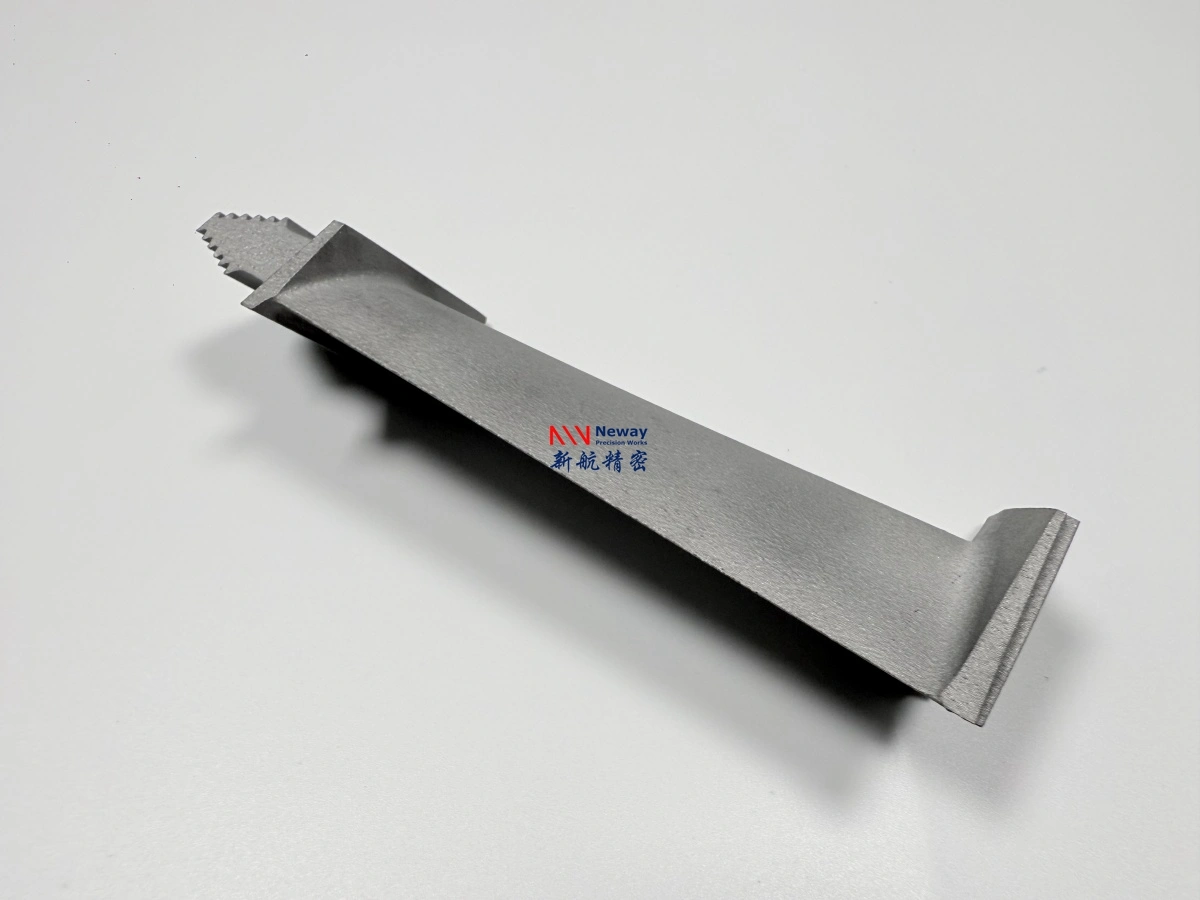
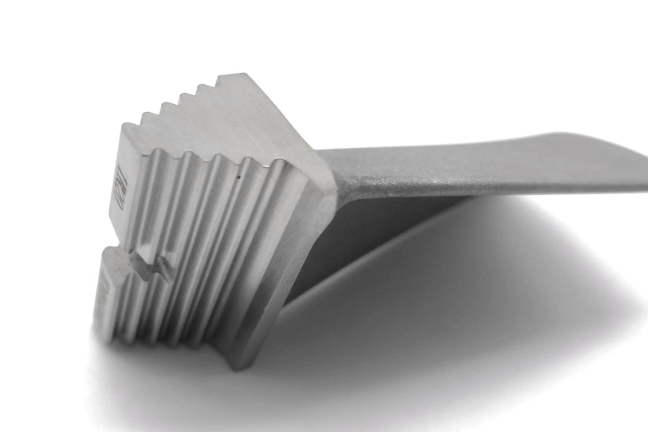
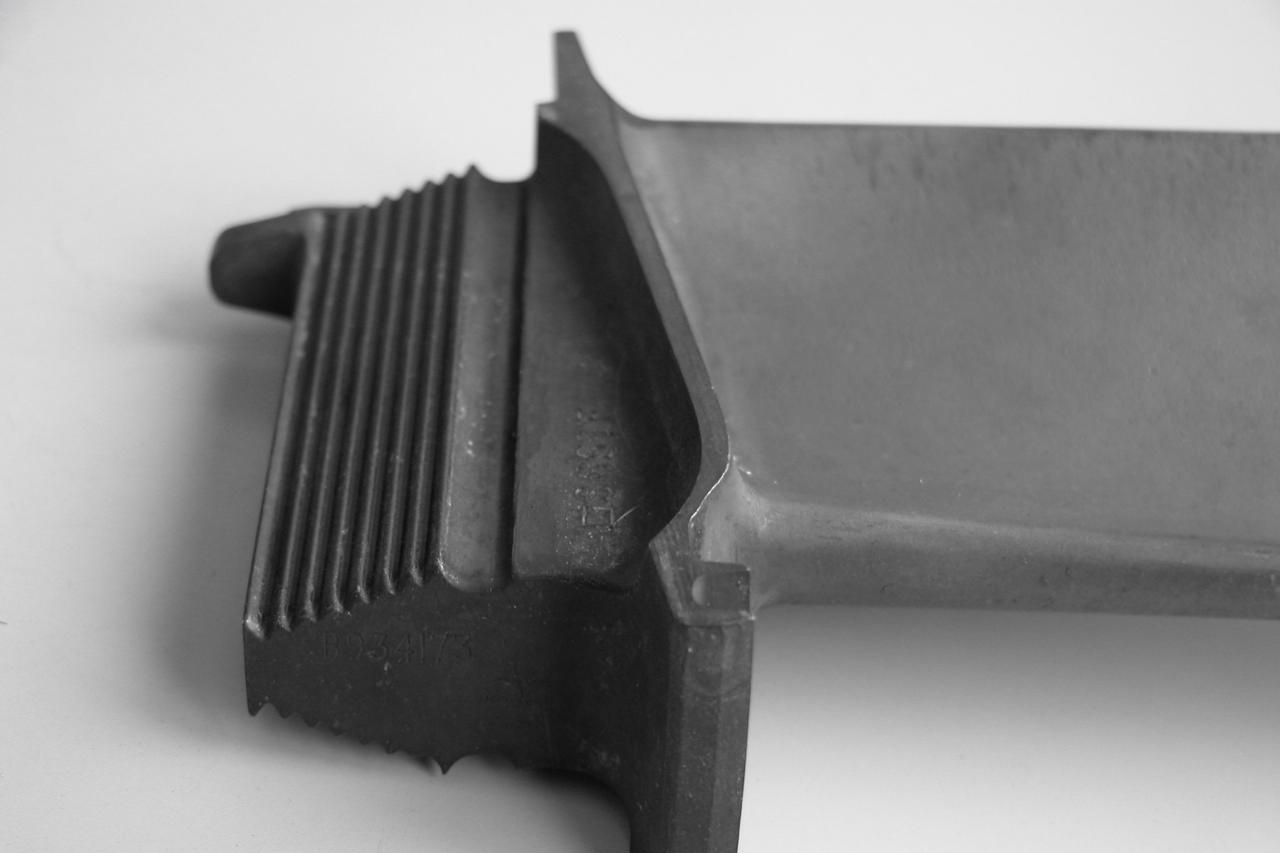
An Inconel 713C turbine nozzle RFQ needs more than an alloy name and a quantity. The buyer should define the nozzle geometry, material basis, casting delivery condition, heat treatment requirement, HIP decision if specified, machining allowance, and inspection records before the supplier can quote the route. Nozzle components may include flow-path surfaces, platforms, seal faces, mounting features, and thin or heavy section transitions that change both casting risk and downstream inspection scope.
NewayAeroTech can review drawing-based Inconel alloy vacuum investment casting projects for turbine nozzle components when the buyer provides drawings, models, alloy specification, quantity, delivery condition, and acceptance requirements. Suitable RFQs usually involve custom high-temperature hardware where casting, heat treatment, CNC machining, and material testing must be planned together. The project is not quote-ready if the buyer only provides a generic nozzle description without geometry or release evidence.
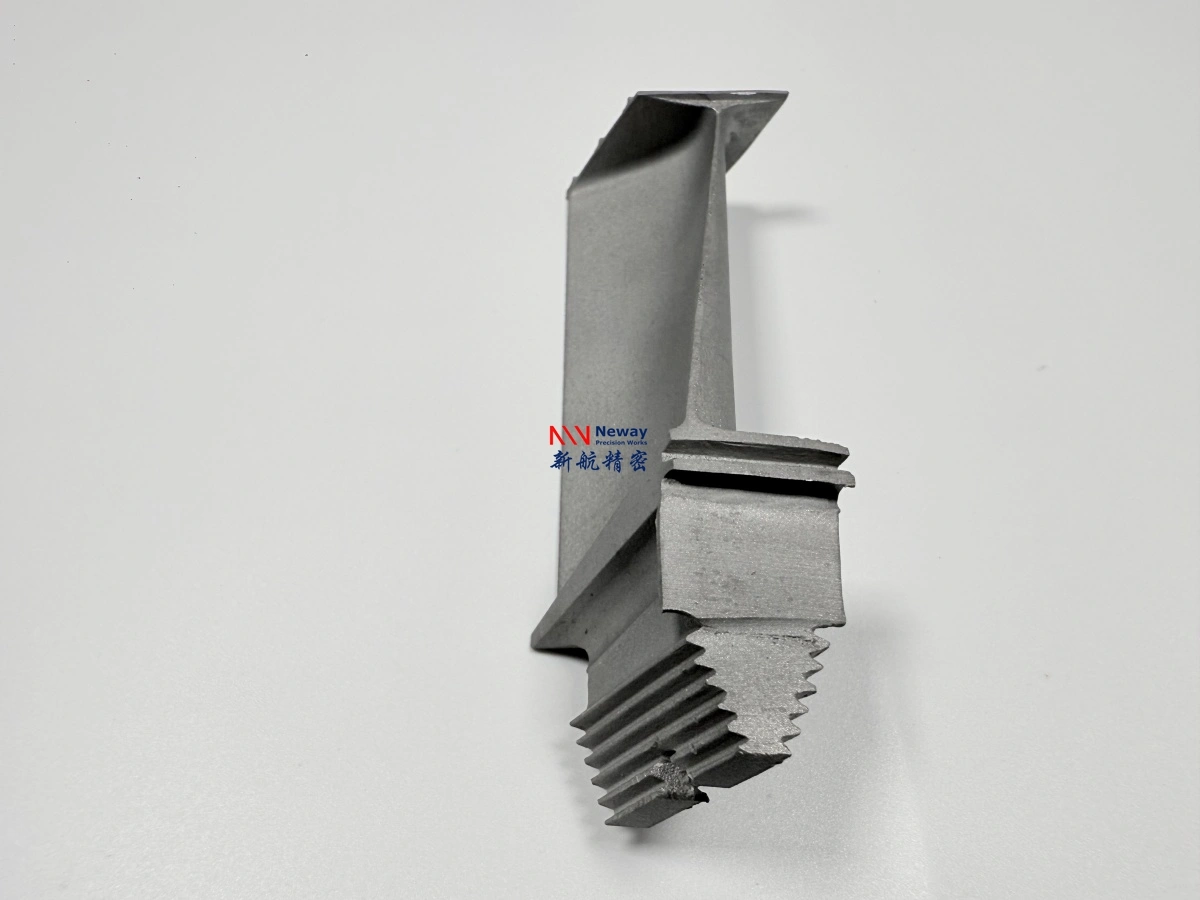
Confirm Inconel 713C Material Basis Before Nozzle Quotation
For this RFQ, buyers should first state whether Inconel 713C is fixed by the drawing, selected from a legacy component, or still under material review. Inconel 713C is commonly associated with high-temperature cast components, but the supplier still needs the exact material requirement, acceptance basis, and heat-treatment condition before treating the quote as final. If the buyer has a specification, include it. If the buyer only has a used part, identify what evidence supports the material assumption.
Material basis affects casting route, post-processing, and inspection records. A nozzle cast in Inconel 713C may need chemical verification, heat treatment, hardness or metallography when specified, and surface or internal defect screening. The supplier should not be asked to approve an application without customer requirements, but it can review manufacturability and the evidence needed for release.
Material input | Buyer should provide | Quotation effect |
|---|---|---|
Fixed drawing alloy | Inconel 713C grade requirement, drawing revision, and heat-treatment condition. | Lets the supplier quote casting, treatment, testing, and records against the stated basis. |
Legacy sample assumption | Sample condition, known history, coating or oxidation notes, and chemical analysis need. | May require material confirmation before route and pricing are finalized. |
Alternative alloy review | Operating environment, nozzle duty, temperature notes if known, and acceptance limits. | Turns the RFQ into a material-route review rather than a fixed-material quote. |
Customer-controlled requirement | Specification, report format, and any required hold points. | Defines release evidence and supplier responsibility. |
Nozzle Ring and Segment Geometry That Changes Casting Route
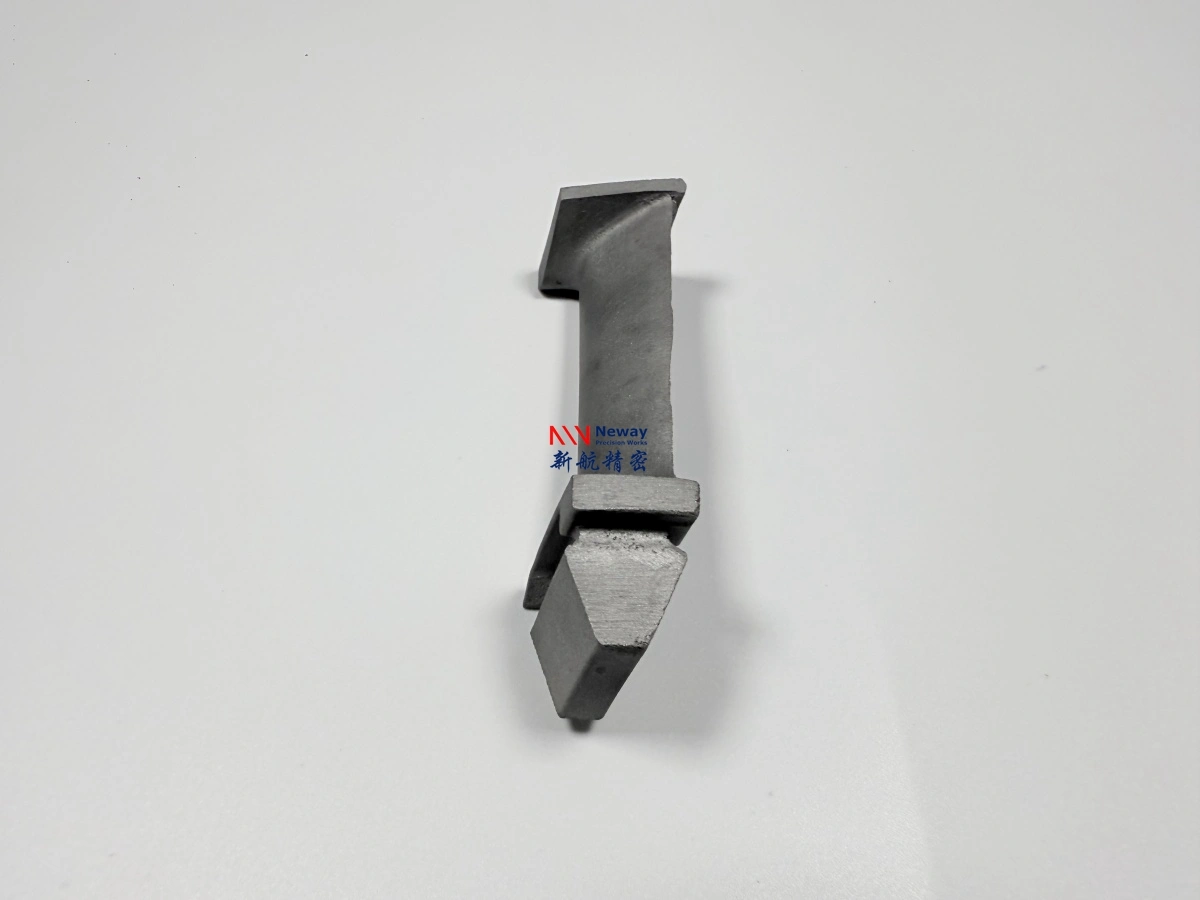
Nozzle geometry often decides whether the casting route is straightforward or needs deeper review. A single nozzle vane, nozzle segment, nozzle ring sector, or flow-directing component can include platforms, trailing edges, seal faces, mounting pads, ribs, and internal or external flow surfaces. These features affect wax pattern design, ceramic shell planning, feeding, shrinkage risk, distortion, and inspection. A quote based only on overall size may miss the features that determine success.
The buyer should mark which surfaces are functional and which surfaces are allowed to remain as cast. Flow-path surfaces may need controlled contour. Platform and seal faces may need machining stock. Mounting holes, bosses, and datum pads may require CNC machining or EDM after heat treatment. Thin trailing edges and heavy-to-thin transitions may need X-ray, CT, or section review depending on the acceptance plan.
Nozzle feature | Casting route risk | RFQ detail to include |
|---|---|---|
Flow-path surface | Surface cleanup, contour control, and distortion risk. | Final profile requirement, as-cast versus machined boundary, and inspection method. |
Platform or seal face | Stock allowance and machining datum strategy. | Seal surface, datum face, flatness or finish need, and CMM scope. |
Mounting boss or hole | Local shrinkage and post-cast machining access. | Hole machining, EDM, or drill requirement and feature tolerance. |
Thin edge or section transition | Fill, surface indication, and internal defect risk. | Wall section, acceptable cleanup, FPI, X-ray or CT requirement when specified. |
Heat Treatment, HIP, and Machining Allowance Decisions
Heat treatment should be defined before the supplier quotes a finished nozzle component. If the buyer requires a specific heat-treatment condition, include the process requirement and record expectation. If heat treatment is open to supplier review, say so clearly. The timing affects dimensional planning, machining sequence, hardness checks, and final inspection. A quote for an as-cast nozzle blank is different from a quote for a heat-treated and machined nozzle segment.
HIP should only be added when the drawing, specification, or engineering review requires it. It may be part of a casting quality route for certain superalloy components, but it is not a generic substitute for good casting practice or inspection. The RFQ should state whether HIP is required, optional for review, or outside scope. If HIP is included, the supplier should explain how it fits with casting inspection, heat treatment, machining, and final release records.
Machining allowance needs feature-level planning. Root or platform features, seal faces, flow-path edges, mounting holes, and datum pads may each require different stock. Too little stock can make the casting unusable after cleanup. Too much stock can increase cost and delay route validation. NewayAeroTech can review casting plus superalloy CNC machining scope when the buyer supplies the final drawing and controlled surfaces.
Route decision | Buyer should define | Supplier response should include |
|---|---|---|
Heat treatment | Required condition, specification, and report requirement. | Process responsibility, hold point, and inspection after treatment. |
HIP | Required, optional for review, or excluded from scope. | Where HIP sits in the route and which records are supplied. |
Machining allowance | Surfaces needing stock, datums, final tolerance, and surface finish. | Blank boundary, CNC sequence, and CMM report boundary. |
Delivery condition | As-cast, heat-treated blank, machined blank, or finished inspected nozzle. | Quote structure and acceptance evidence list. |
FPI, X-Ray, CMM, and Chemistry Records for Nozzle Castings
Inspection records should answer the release questions created by the nozzle geometry and route. FPI can help screen surface indications after casting and processing. X-ray or CT may be needed for internal features, shrinkage, inclusions, or wall-section risk when specified. CMM reports can verify machined seal faces, datums, mounting features, and selected flow-path geometry. Chemical verification can support material identity and lot records.
Buyers should state whether inspection is required for every part, a sample quantity, first article only, or by lot. They should also define the report format and acceptance standard when one applies. NewayAeroTech can support superalloy material testing and analysis as part of an Inconel 713C nozzle project, depending on the supplied specification and manufacturing route.
The inspection plan should also match the delivery condition. A casting blank may not need the same CMM report as a finished machined nozzle. A heat-treated blank may need material and surface evidence before machining continues. A finished component may need a broader release package. The quote should make these differences clear so competing suppliers can be compared fairly.
Buyers should also define how nonconforming findings will be handled during first-article review. A small surface indication, local shrinkage concern, or dimensional cleanup issue may lead to route adjustment, additional inspection, machining allowance revision, or rejection depending on the drawing requirement. Without that boundary, the supplier and buyer may read the same report differently. A practical RFQ asks for the inspection method, report format, acceptance owner, and decision point after inspection.
RFQ Checklist for Inconel 713C Turbine Nozzle Components
A quote-ready Inconel 713C turbine nozzle package should include a 2D drawing, 3D model, alloy requirement, quantity, target delivery condition, heat treatment requirement, HIP requirement if specified, controlled surfaces, machining surfaces, inspection standard, and sample or photo evidence if available. If the nozzle is part of a segment or ring assembly, include how the part interfaces with adjacent components and which faces control sealing or flow.
Buyers should also tell the supplier what is outside scope. If NewayAeroTech is asked only to cast a blank, later machining responsibility should be clear. If NewayAeroTech is asked to deliver a finished machined nozzle, final tolerances and inspection records must be part of the RFQ. If the material basis comes from a used sample, worn and oxidized surfaces should be separated from reliable geometry.
The checklist should be reviewed before the buyer asks for a firm price. If material, heat treatment, and inspection are still open, the supplier may return a feasibility review or missing-information list instead of a complete quotation. That response is useful for a nozzle project, where tooling, casting trial, treatment sequence, machining, and inspection can each change the cost and technical risk.
RFQ item | Information to send | Quote decision it supports |
|---|---|---|
Nozzle geometry | Drawing, model, flow-path surfaces, platforms, seal faces, holes, and segment boundary. | Casting route, tooling review, machining stock, and inspection plan. |
Material and treatment | Inconel 713C requirement, heat treatment, HIP decision, and report expectation. | Material sourcing, process sequence, and release evidence. |
Machining scope | Datums, final tolerances, surface finish, and features requiring CNC or EDM. | Fixture strategy, cleanup risk, and CMM reporting. |
Inspection scope | FPI, X-ray, CT, CMM, chemistry, hardness, metallography, or other records when required. | Quote completeness and acceptance boundary. |
Send the nozzle drawing, model, Inconel 713C specification, quantity, heat-treatment requirement, machining surfaces, and inspection records. NewayAeroTech can review whether vacuum investment casting with post-process and testing support fits the turbine nozzle RFQ.
Related FAQs
What are the most commonly used alloys in gas turbine components?
How do manufacturing processes affect the performance of gas turbine components?
What are the most common superalloys used in gas turbine assemblies?
What quality control tests are essential for gas turbine assemblies?
What inspections are typically conducted to ensure quality in gas turbine components?
What inspection methods are commonly used after heat treatment?