How do manufacturing processes affect the performance of gas turbine components?
The Role of Manufacturing in Gas Turbine Reliability
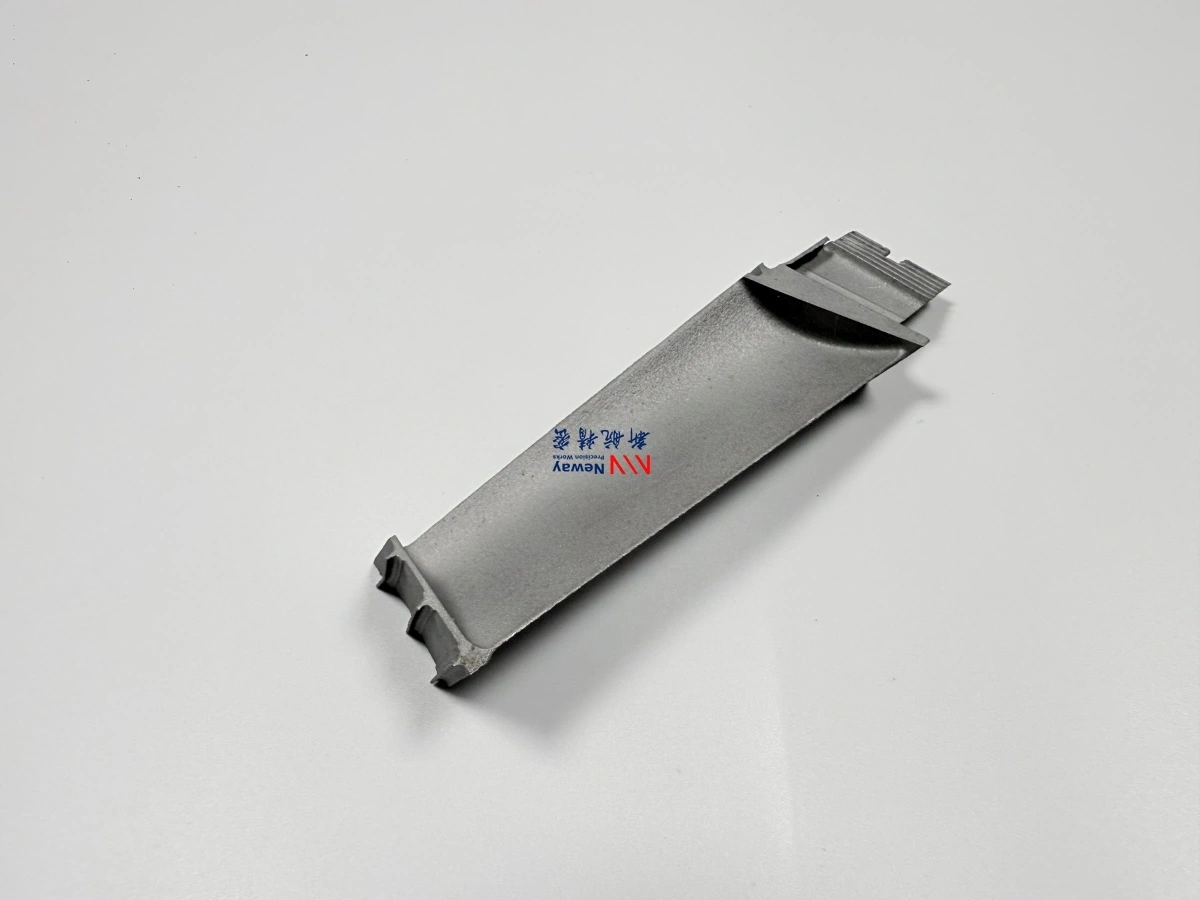
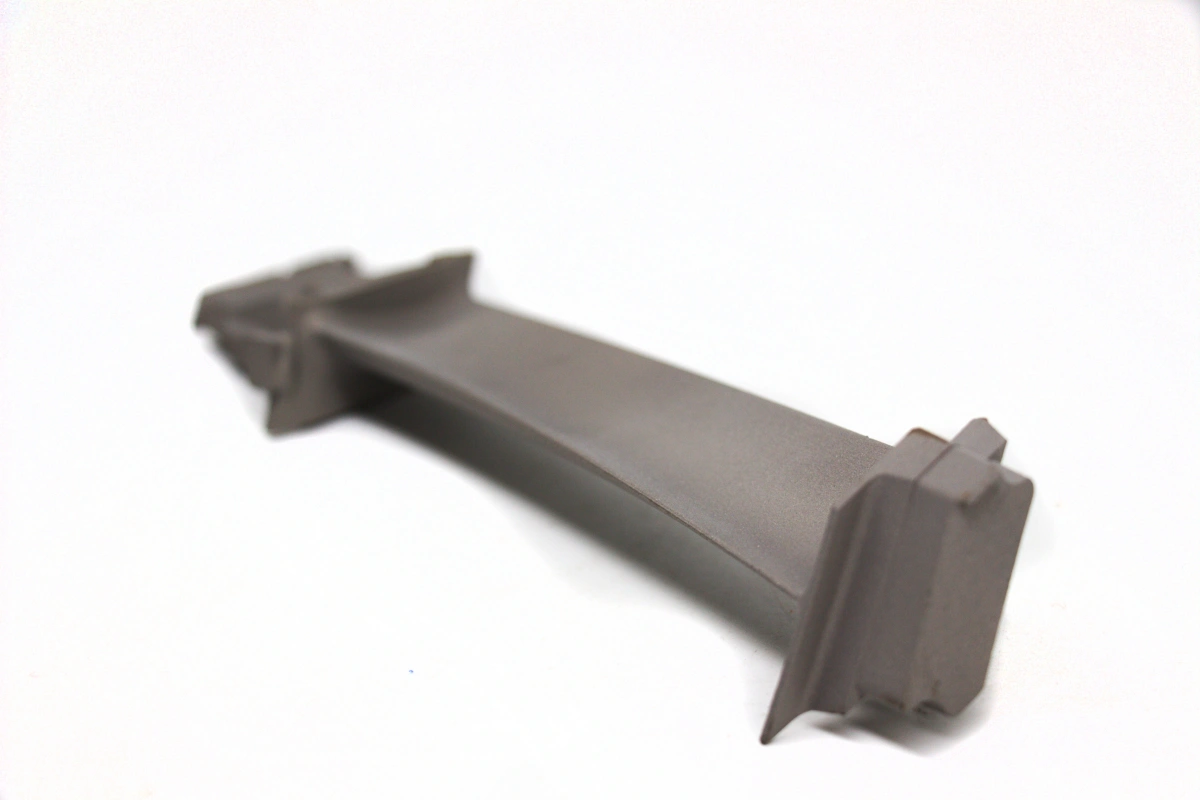
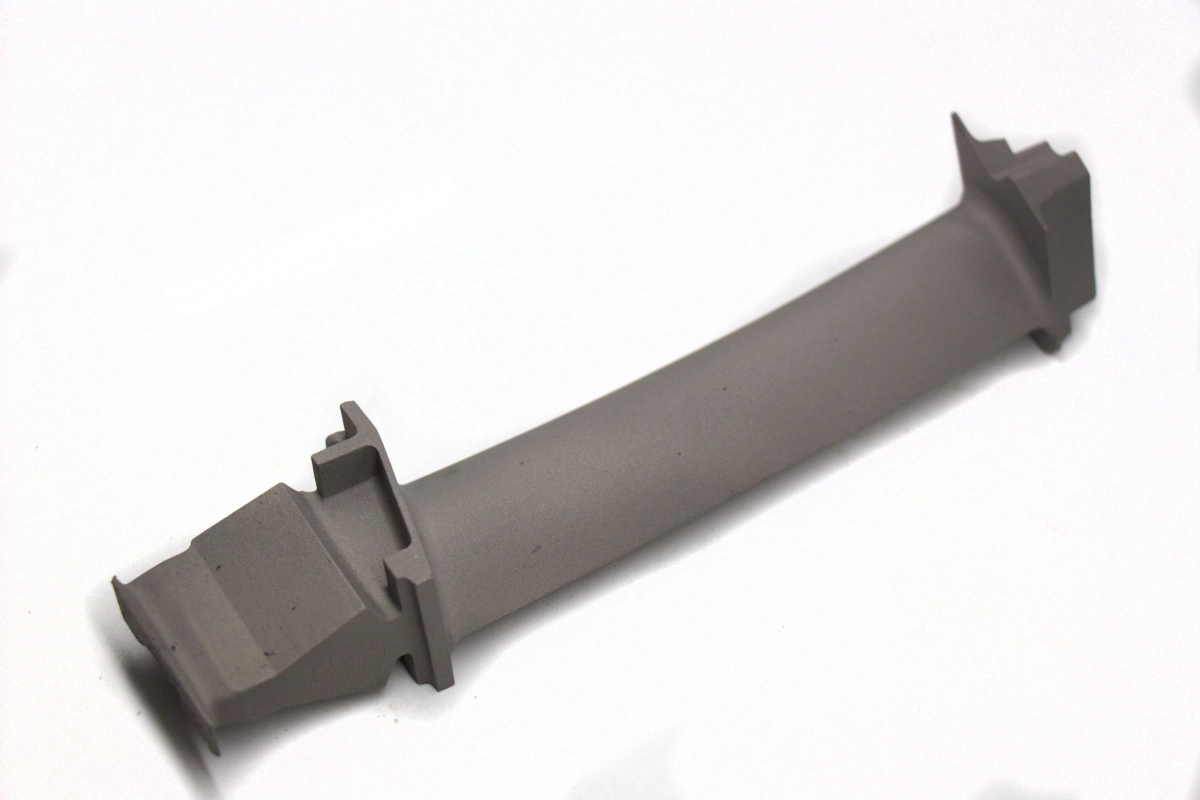
The performance, efficiency, and lifespan of gas turbine components depend heavily on the precision of their manufacturing processes. Components in turbines—such as blades, vanes, and discs—must withstand extreme mechanical and thermal stresses. Any deviation in microstructure or surface integrity can drastically reduce operational reliability. Advanced manufacturing techniques, such as vacuum investment casting, superalloy precision forging, and powder metallurgy for turbine disc production, play key roles in defining the final properties of these critical parts.
Casting and Forming Processes
Among the most influential methods, superalloy directional casting and superalloy single crystal casting enable the production of blades with exceptional creep and fatigue resistance. These techniques eliminate grain boundaries or align them along the stress axis, minimizing deformation at high temperatures. Alloys such as CMSX-4 and Rene N5 are commonly used due to their outstanding mechanical performance.
For discs and shafts, superalloy precision forging ensures uniform grain flow and high density, resulting in superior strength and toughness. These forming processes significantly influence fatigue resistance and crack propagation behavior in rotating parts.
Post-Processing and Surface Treatments
Post-processing has a direct impact on the microstructural and surface quality of turbine components. Techniques such as hot isostatic pressing (HIP) remove residual porosity and enhance isotropic strength, while superalloy heat treatment optimizes the distribution of precipitates, thereby improving high-temperature stability.
Critical surfaces are then enhanced with thermal barrier coatings (TBC) to protect blades and vanes from oxidation and thermal fatigue. For precision finishing, superalloy CNC machining and electrical discharge machining (EDM) ensure tight tolerances and aerodynamic smoothness, essential for maintaining turbine efficiency.
Material Selection and Testing
High-performance alloys, such as Inconel 718, Hastelloy X, and Stellite 6B, are often chosen for their exceptional high-temperature strength and corrosion resistance. These materials undergo rigorous material testing and analysis to validate mechanical and chemical properties before use. The precision of these processes ensures that gas turbine parts in aerospace and aviation or power generation meet stringent performance requirements.
Conclusion
Every manufacturing step—from alloy selection and casting to machining and coating—directly shapes the structural integrity, efficiency, and longevity of gas turbine components. The synergy of advanced forming and finishing technologies ensures that each part performs reliably under extreme operational environments, securing the future of high-efficiency turbine design.