What are the most common superalloys used in gas turbine assemblies?
High-Temperature Performance Requirements
Gas turbine assemblies—comprising blades, vanes, discs, and combustor liners—operate under extreme temperatures exceeding 1000 °C. Materials must resist creep, oxidation, and fatigue while retaining mechanical strength. Superalloys designed for such environments typically feature nickel, cobalt, or iron-based compositions, produced through processes such as vacuum investment casting, single-crystal casting, directional solidification, and powder metallurgy for turbine disc processing. These advanced manufacturing processes ensure microstructural uniformity and grain control, which are essential for thermal stability.
Nickel-Based Superalloys
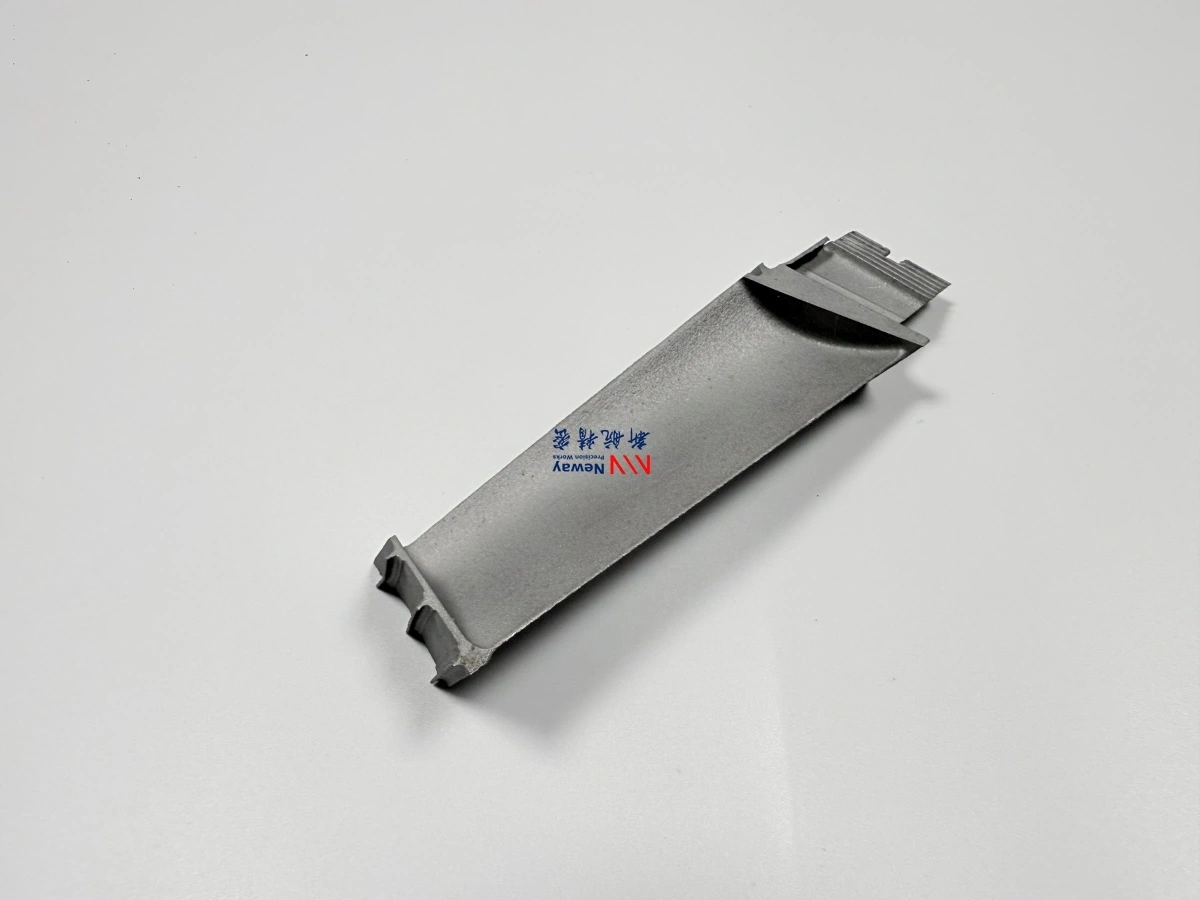
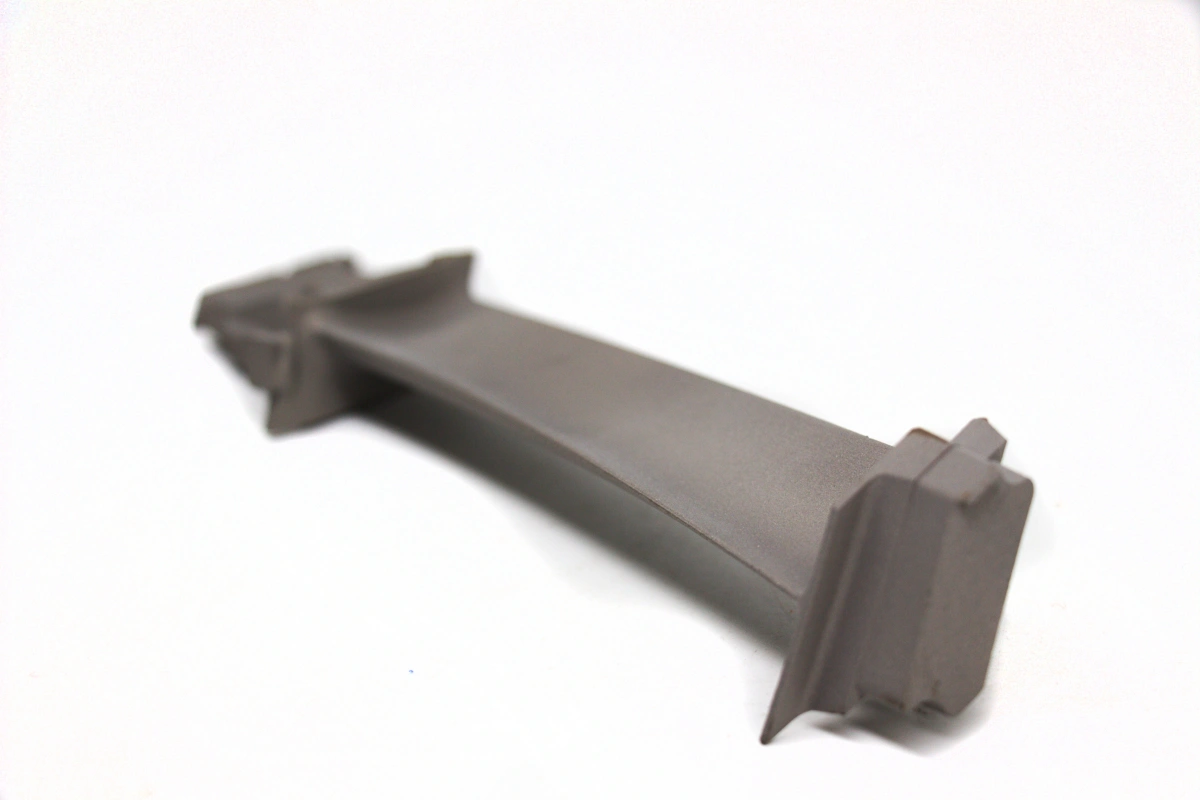
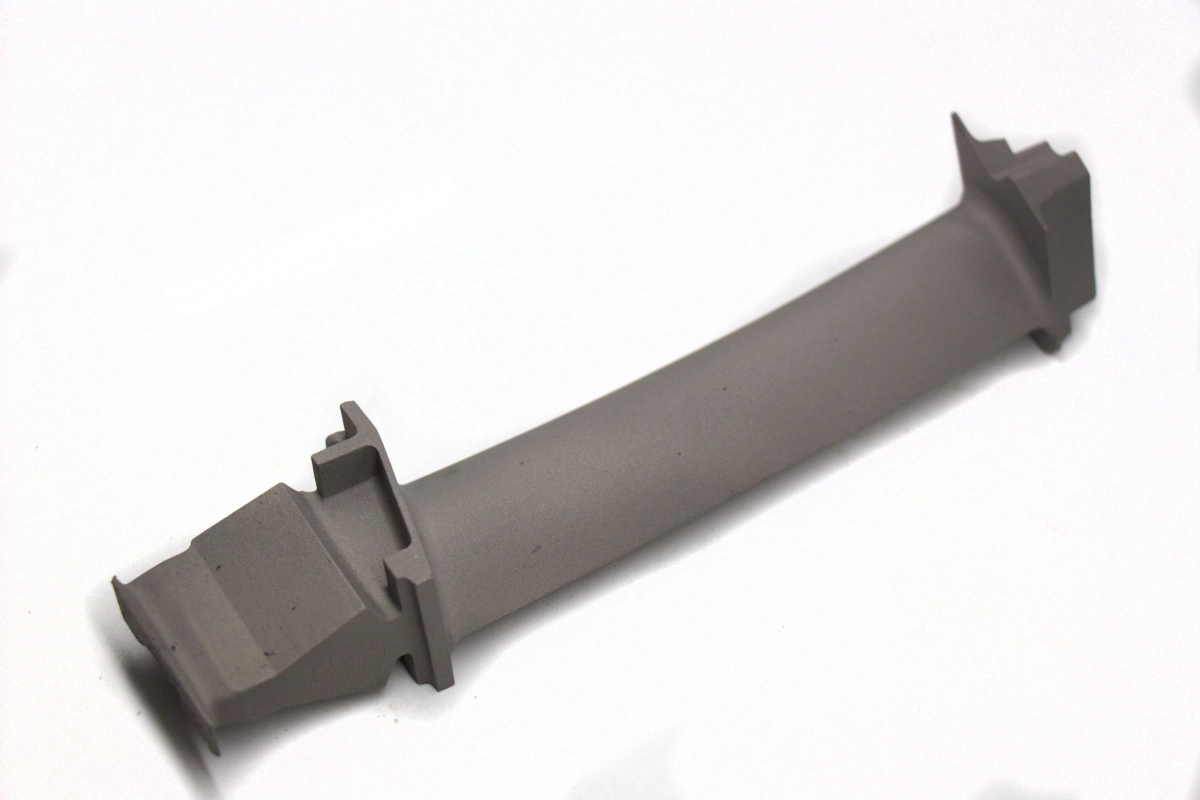
Nickel-based systems dominate turbine hot sections. Inconel 718 is widely used in compressor discs and shafts due to its strength and weldability up to 700 °C. For turbine blades and nozzles, precipitation-hardened grades like Inconel 738LC and Inconel 939 resist thermal fatigue and oxidation. Single-crystal superalloys such as CMSX-4, Rene N5, and PWA 1484 eliminate grain boundaries, further enhancing creep life in high-pressure turbine blades.
Cobalt- and Iron-Based Superalloys
Cobalt-based alloys, such as Stellite 6B, excel in oxidation and thermal shock resistance, making them suitable for combustor liners and seals. Iron-nickel-chromium variants, such as Nimonic 90, are common in intermediate temperature regions, offering a cost-effective balance between creep resistance and formability.
Titanium and Specialty Alloy Applications
In cooler turbine sections and fan blades, Ti-6Al-4V is employed for weight reduction. Certain advanced intermetallics, including titanium-aluminum compounds, are used for high specific strength in low-density rotating components.
Post-Processing and Finishing
Post-processing ensures structural reliability. Hot isostatic pressing (HIP) removes internal voids, heat treatment refines the γ′ microstructure, and thermal barrier coatings (TBC) enhance oxidation resistance. Critical sections are then precision-finished through superalloy CNC machining and validated by material testing and analysis.
Industrial Applications
These materials and processes enable long-term reliability in aerospace and aviation turbines, power generation systems, and energy sector gas turbines, where efficiency and safety depend on consistent metallurgical integrity.