What quality control tests are essential for gas turbine assemblies?
Dimensional and Structural Integrity Verification
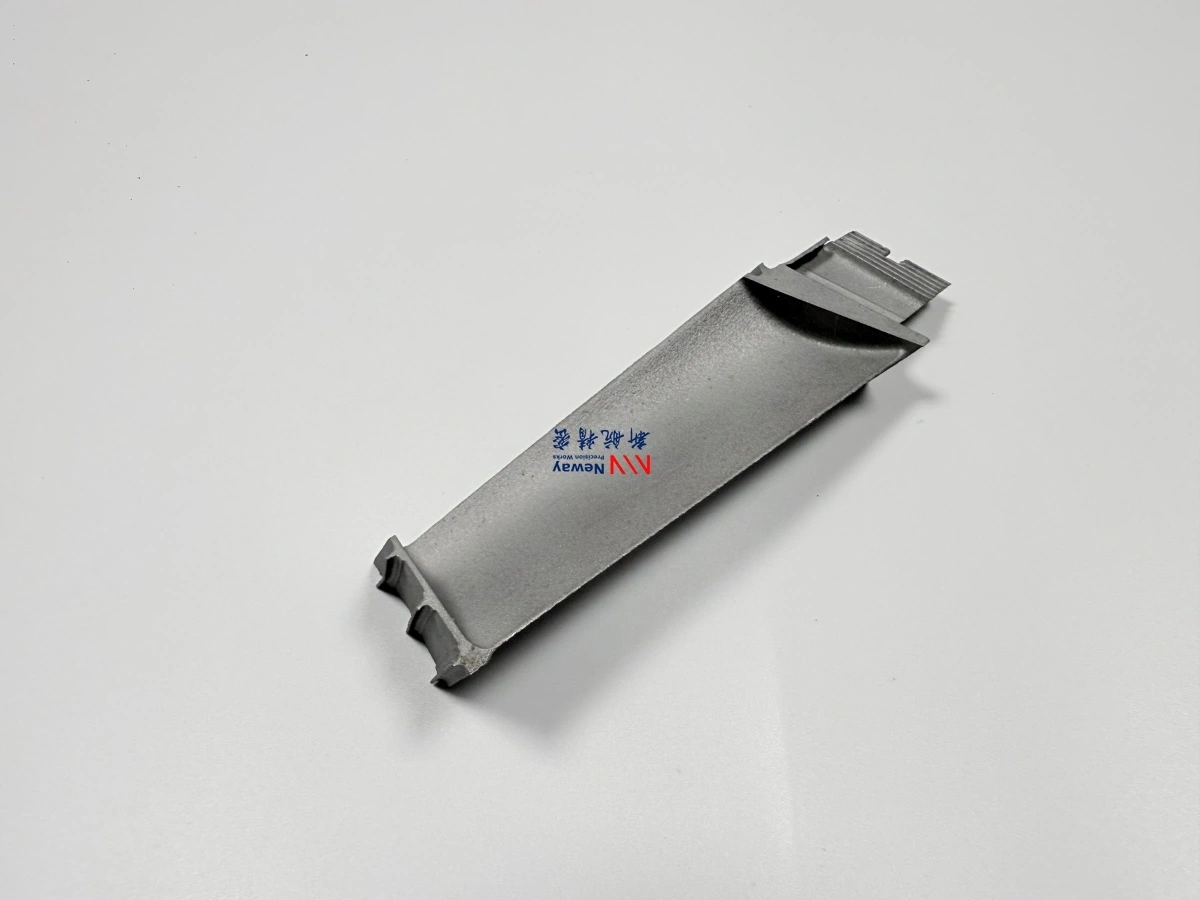
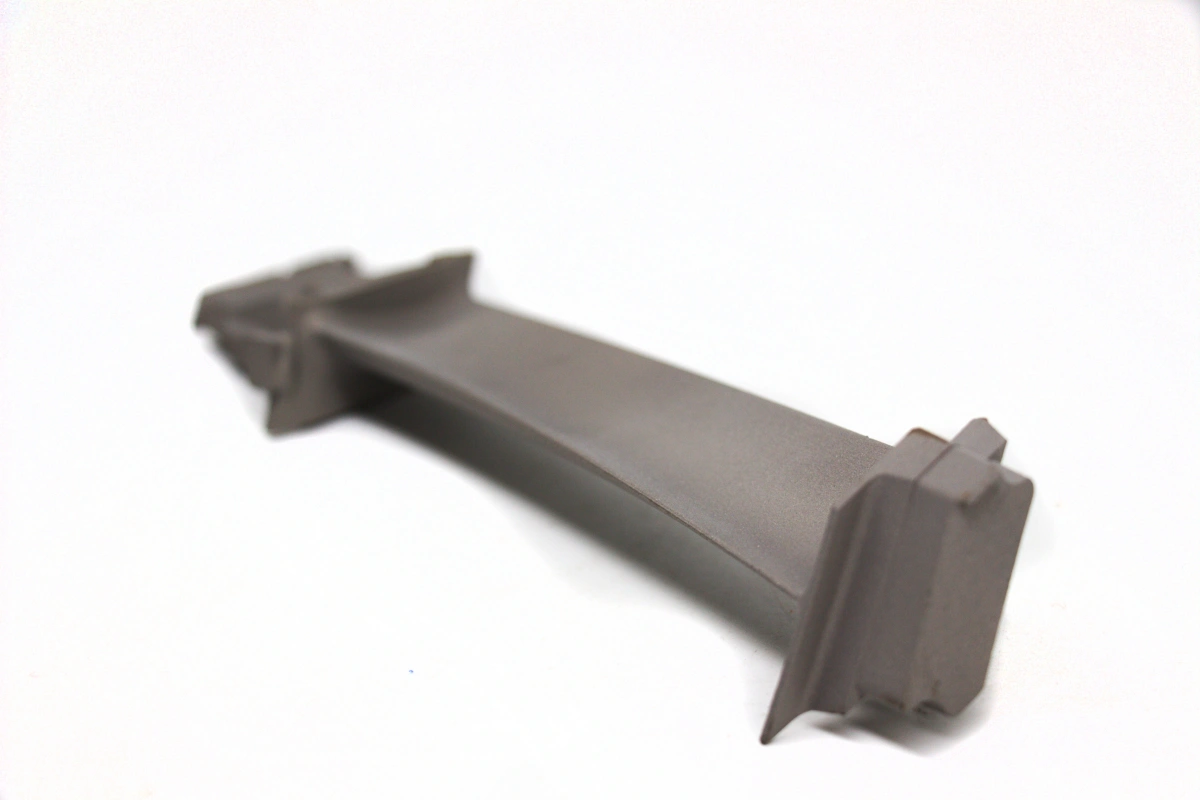
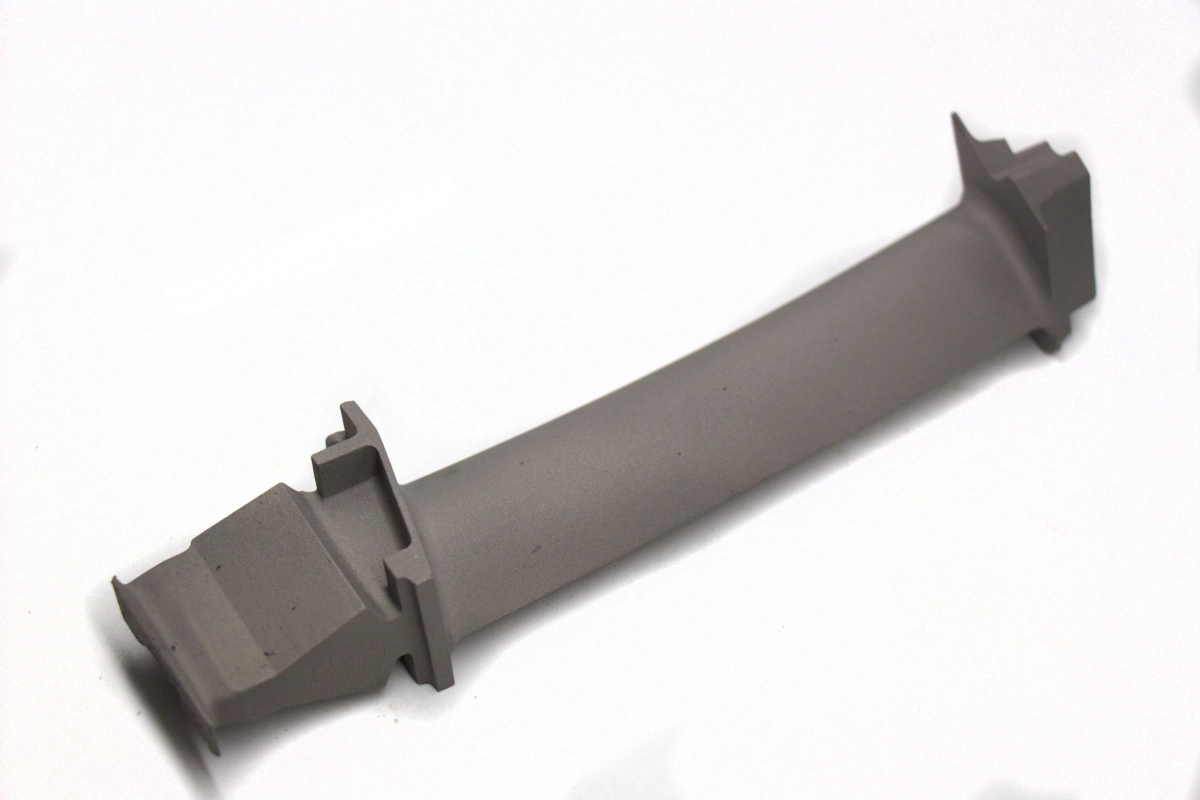
Gas turbine assemblies demand exceptional precision to ensure balance, efficiency, and safety under high-speed rotation. Components, such as blades, vanes, and discs, undergo dimensional verification using coordinate measuring machines (CMMs) and laser contour scanning, derived from superalloy CNC machining. Non-destructive evaluation (NDE) through X-ray, ultrasonic, and dye penetrant inspection identifies casting defects, cracks, and porosity in parts manufactured by vacuum investment casting or directional solidification casting. These tests ensure the internal integrity of the components before assembly.
Metallurgical and Microstructural Examination
Microstructure determines creep and fatigue behavior. Material testing and analysis includes optical microscopy, scanning electron microscopy (SEM), and phase verification to ensure correct γ/γ′ distribution in nickel-based alloys such as Inconel 718 and CMSX-4. For single-crystal components, X-ray diffraction determines lattice orientation, confirming alignment with design specifications.
Mechanical Testing
Mechanical validation ensures parts meet operational load conditions. Tensile, hardness, and fatigue testing confirm yield strength and endurance. Creep testing evaluates long-term deformation resistance at high temperatures, while stress rupture testing measures the time to failure under a sustained load. These tests are critical for alloys such as Rene N5 and Hastelloy C-276, which serve in turbine hot sections.
Post-Processing Validation
After hot isostatic pressing (HIP) and heat treatment, density and grain refinement are verified through ultrasonic testing and metallography. Thermal barrier coating (TBC) thickness and adhesion are tested via microscopy and bond-strength assessments to ensure oxidation resistance. Electrical discharge machining (EDM) precision is confirmed through surface roughness and dimensional audits, while deep hole drilling channels are borescoped for uniformity.
Assembly and Functional Testing
Once subcomponents pass individual inspection, turbine assemblies undergo static and dynamic balancing, vibration analysis, and flow testing. These ensure aerodynamic stability and alignment within tolerance. Functional validation under simulated operating pressure and temperature conditions confirms component synergy before final delivery to aerospace and aviation, power generation, or energy applications.