Why is HIP used in the post-process of gas turbine parts?
Eliminating Internal Defects and Porosity
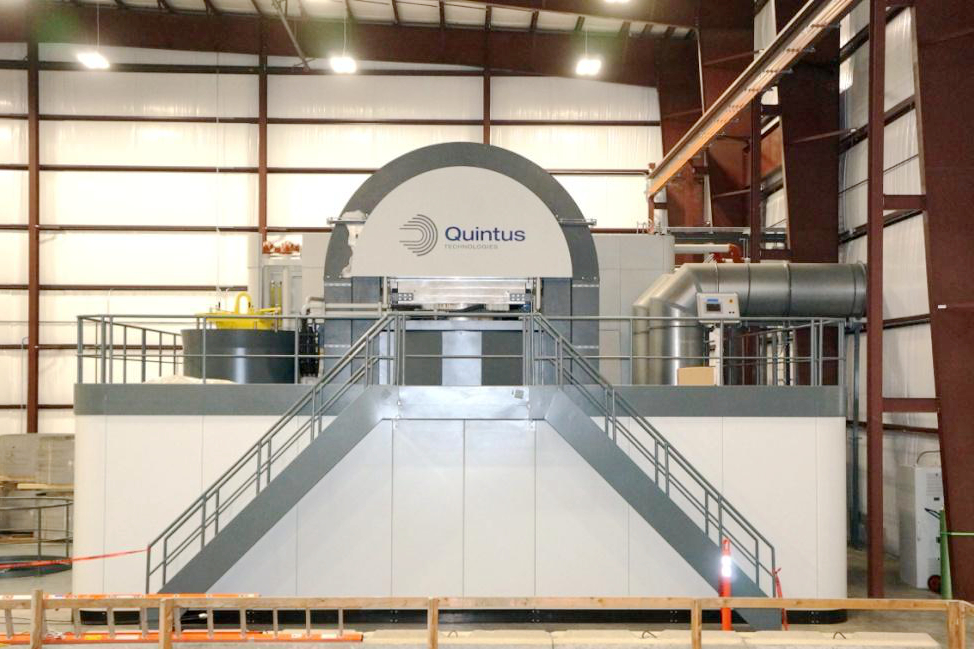
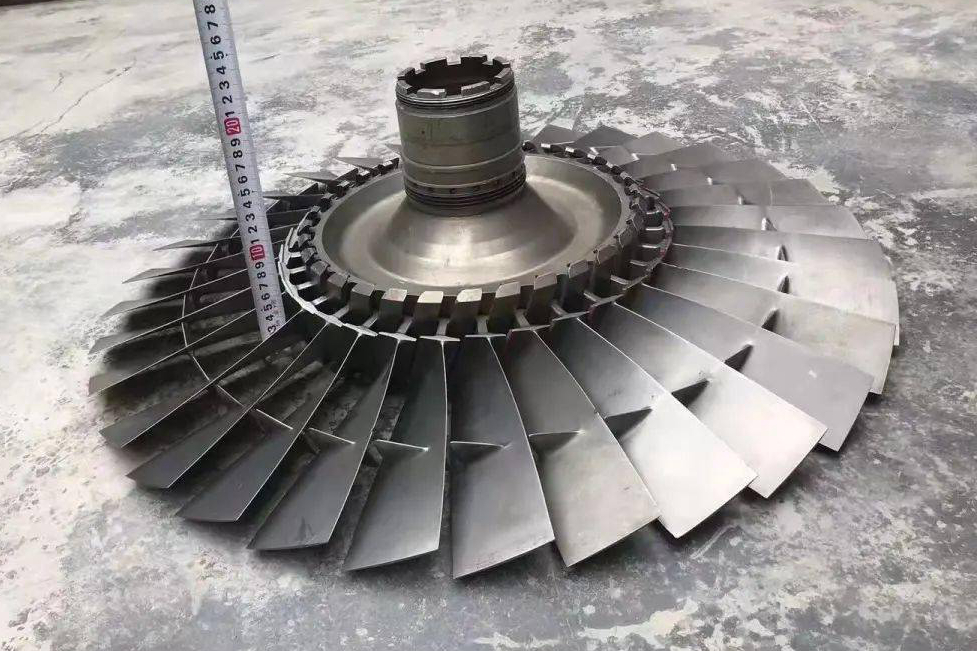
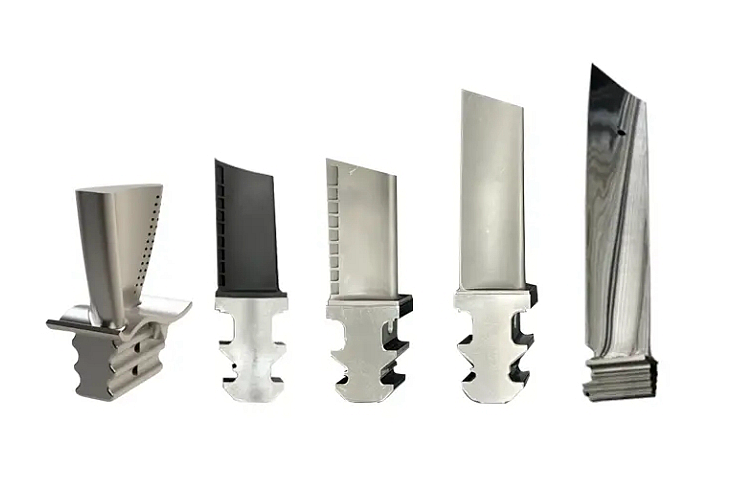
Gas turbine parts, such as blades, vanes, and turbine discs, are typically produced by vacuum investment casting, directional solidification, or powder metallurgy turbine disc. These methods can leave microscopic voids or shrinkage cavities that weaken the alloy under cyclic thermal and mechanical stresses. Hot isostatic pressing (HIP) applies high gas pressure (typically 100–200 MPa) and elevated temperatures (around 1100–1250 °C) uniformly to the component, consolidating internal porosity and healing microcracks. This process restores full material density and enhances the fatigue resistance essential for rotating turbine parts.
Enhancing Mechanical and Fatigue Properties
Under HIP, simultaneous high temperature and pressure cause diffusion bonding within the alloy matrix. This improves ductility, creep strength, and impact toughness in nickel- and cobalt-based superalloys such as Inconel 718, Rene N5, and CMSX-4. It is especially valuable for critical components in the turbine hot section that experience repeated start-stop cycles. HIP also extends low-cycle fatigue life, delaying crack initiation and propagation.
Improving Structural Uniformity and Microstructure
Following HIP, components undergo heat treatment to refine the γ/γ′ phase structure, achieving optimal precipitation hardening. This ensures consistent grain morphology and uniform stress distribution, key to resisting creep at extreme temperatures. Combined with thermal barrier coating (TBC), HIP enhances oxidation and corrosion protection, extending the life of turbine blades and combustion components.
Integration with Other Precision Processes
After HIP, parts are precision-finished through superalloy CNC machining and electrical discharge machining (EDM) for intricate cooling channels or sealing surfaces. Structural verification follows through material testing and analysis such as ultrasonic and metallographic inspection to confirm defect closure and grain uniformity. These ensure parts meet the rigorous standards demanded by aerospace and aviation, power generation, and energy turbine systems.