What are the most commonly used alloys in gas turbine components?
Overview of Alloy Selection in Gas Turbine Engineering
Gas turbines operate under extreme thermal and mechanical stresses, often exceeding 1000°C in the combustion section. To maintain structural integrity and efficiency, engineers select alloys with exceptional creep resistance, oxidation stability, and strength at elevated temperatures. The foundation of every turbine—whether for aerospace and aviation or power generation—relies heavily on nickel-based, cobalt-based, and titanium-based superalloys.
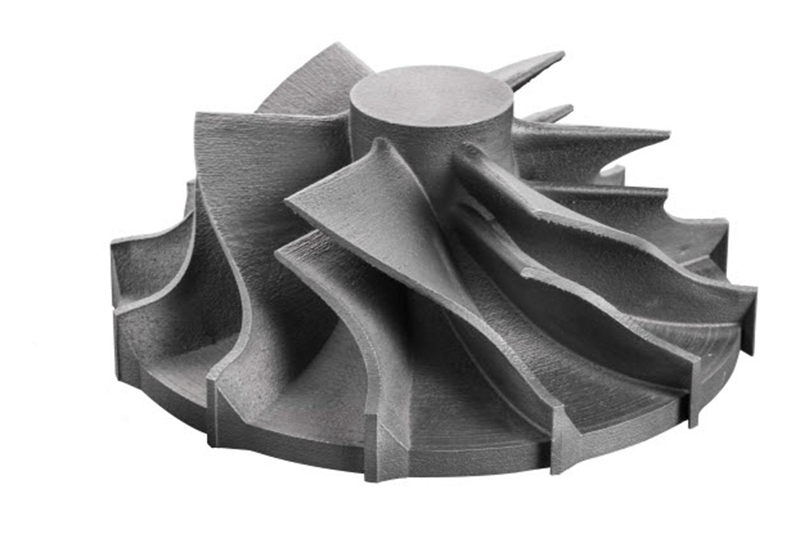
Advanced manufacturing technologies, such as vacuum investment casting and superalloy precision forging, are utilized to form these high-performance materials into turbine blades, discs, and vanes, ensuring both dimensional precision and microstructural stability.
Nickel-Based Superalloys
Nickel-based superalloys dominate turbine hot-section components due to their outstanding thermal fatigue and creep resistance. Alloys such as Inconel 718, Inconel 939, and Rene 80 are widely used in the manufacture of turbine blades and discs. These materials retain strength beyond 700°C and exhibit excellent oxidation resistance.
For high-efficiency engines, single-crystal superalloys such as CMSX-4 and PWA 1484 eliminate grain boundaries, further enhancing creep life and fatigue strength. These alloys often undergo superalloy heat treatment and hot isostatic pressing (HIP) to refine their microstructure and ensure defect-free internal density.
Cobalt-Based and Titanium Alloys
Cobalt-based materials, such as Stellite 6 and Hastelloy X, are often used in combustion liners and nozzle guide vanes, where high-temperature corrosion resistance is crucial. Their superior wear resistance and hot hardness make them ideal for parts that experience severe oxidation and abrasion cycles.
For cooler turbine zones, titanium alloys such as Ti-6Al-4V (TC4) and Ti-6Al-2Sn-4Zr-6Mo offer high strength-to-weight ratios, thereby reducing mass while maintaining performance in compressor stages.
Manufacturing and Post-Processing Integration
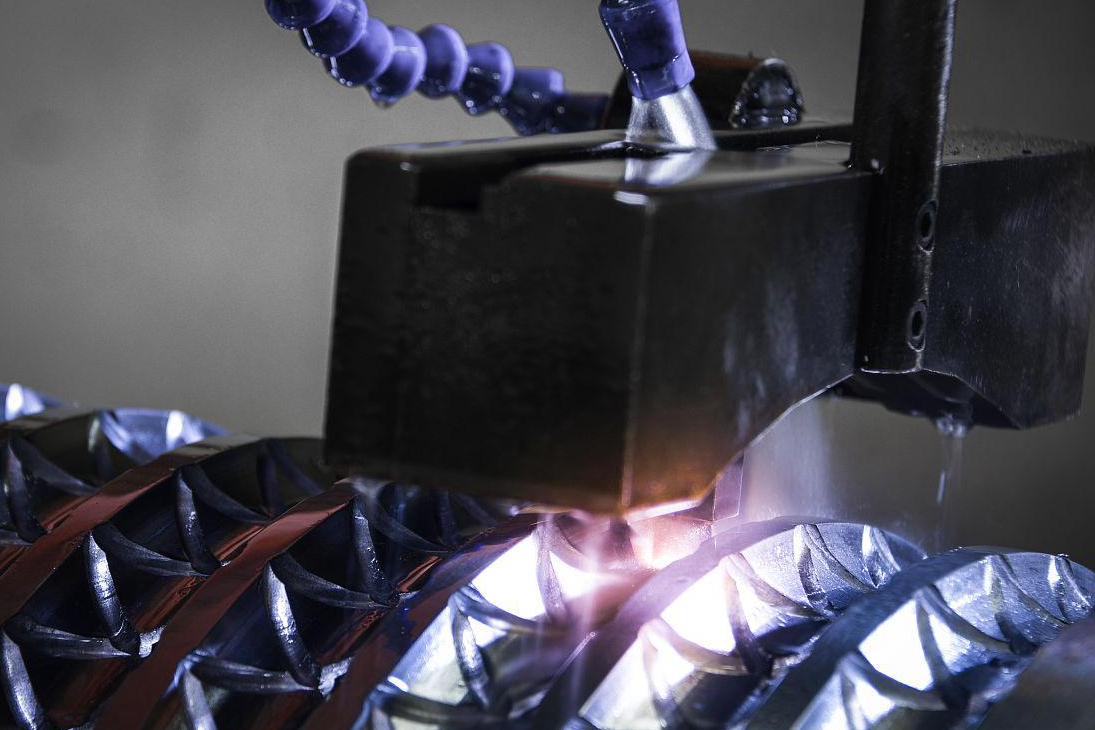
The precision of gas turbine parts depends not only on alloy selection but also on the use of advanced post-processing methods. Techniques like superalloy CNC machining and thermal barrier coating (TBC) further enhance fatigue resistance and oxidation control.
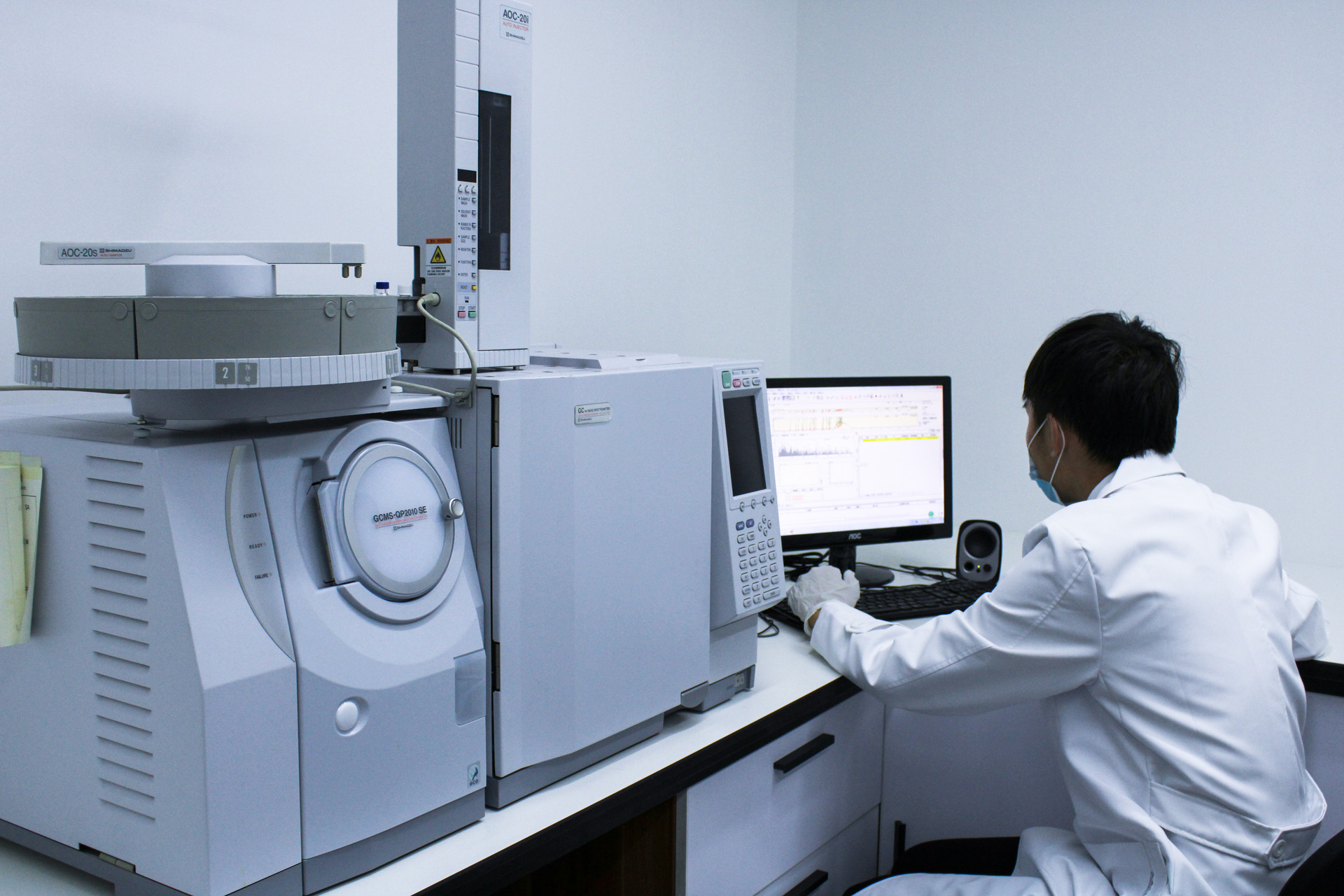
To ensure full material integrity, each component undergoes material testing and analysis for microstructural verification, phase composition, and mechanical strength assessment before being used in military and defense turbines or energy systems.
Conclusion
Gas turbine performance depends on the precise balance between advanced alloy systems and meticulous processing control. Through nickel, cobalt, and titanium-based superalloys, combined with state-of-the-art forming and surface treatments, manufacturers achieve exceptional temperature resistance, mechanical endurance, and long-term operational reliability.