Hastelloy B2 Valve Component Casting Supplier Checklist
A Hastelloy B2 valve component casting RFQ should begin with the valve function and corrosion exposure, then move into casting, machining, and inspection scope. A buyer may ask for a valve body insert, seat carrier, plug-related component, bonnet detail, trim part, sleeve, or corrosion-resistant fitting. Those parts may share an alloy family, but they do not share the same casting risk or sealing-surface responsibility.
NewayAeroTech can review Hastelloy alloy vacuum investment casting projects when buyers provide drawings, material requirement, service medium, delivery condition, inspection needs, and quantity. For this RFQ, the supplier should see whether Hastelloy B2 is fixed by the drawing and which surfaces control corrosion exposure, sealing, mounting, or flow.
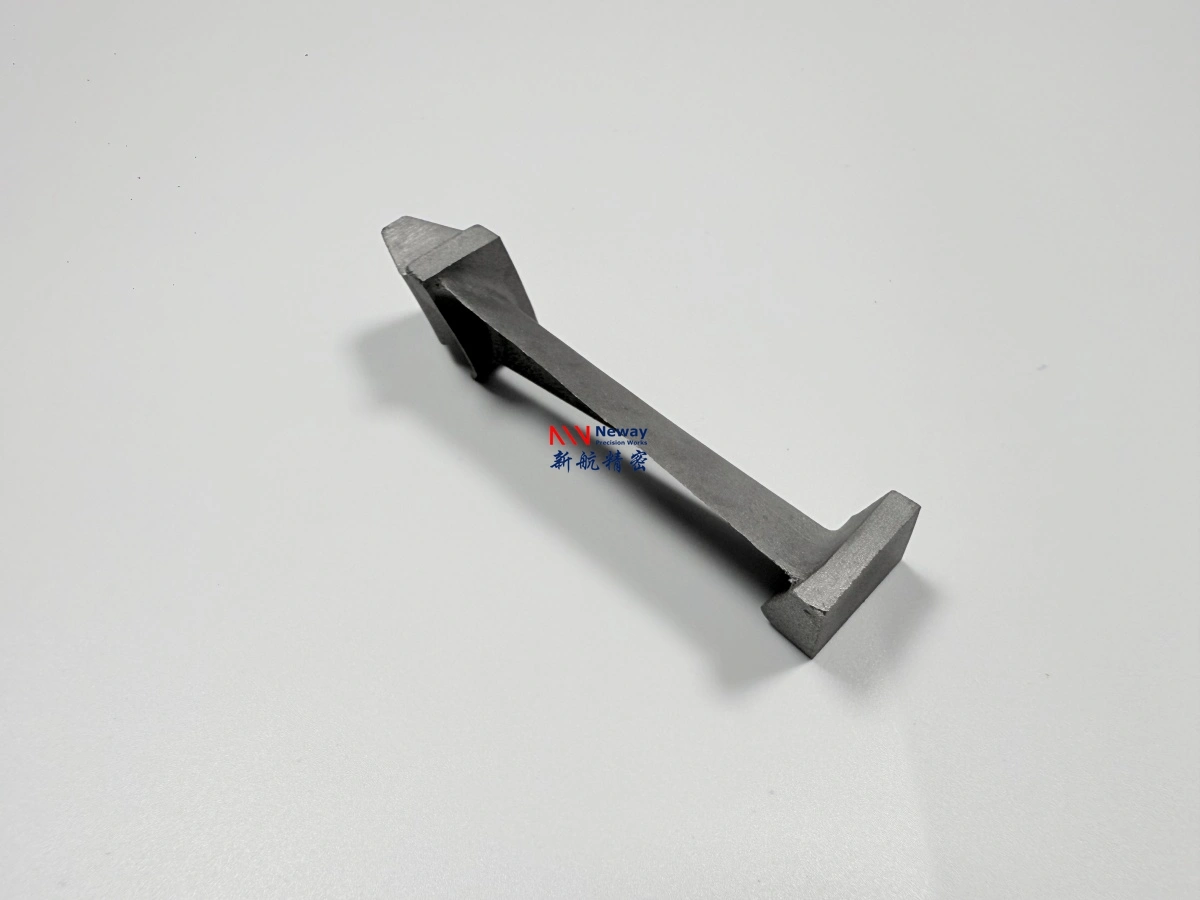
Define the Valve Component Function Before Casting Quotation
For this RFQ, buyers should identify what the valve component actually does in the assembly. A wetted flow component, pressure-adjacent cover, stem guide, seat carrier, trim part, and mounting bracket create different manufacturing questions. The supplier needs that role before it can quote mold design, machining allowance, inspection stages, and documentation. A material name alone does not tell the supplier which surface controls acceptance.
The function statement should mark wetted surfaces, sealing interfaces, threaded ports, bolt faces, and noncritical stock areas. If the valve component is pressure-adjacent or located near a seal, the buyer should provide the drawing requirement that governs final acceptance. NewayAeroTech can manufacture custom components to an agreed buyer drawing, but the buyer remains responsible for defining the design requirement and approval boundary.
Valve component role | Buyer should define | Supplier response should address |
|---|---|---|
Wetted flow component | Medium, wetted surface zones, flow cleanup, and corrosion exposure notes. | Casting surface condition, machining scope, cleaning assumption, and inspection zone. |
Sealing or seat-related component | Contact face, mating part, flatness, finish, and final assembly responsibility. | Machining allowance, datum plan, surface finish method, and final dimensional report. |
Mounting or cover component | Bolt pattern, gasket face, flatness, and pressure-adjacent caution. | Machined face scope, CMM or layout inspection, and stock distribution. |
Trim or guide detail | Wear location, sliding surface, bore alignment, and fit relationship. | Material records, turning or grinding scope, and feature-specific inspection. |
Buyers should also state whether they need a casting blank or a finished valve component. A rough casting can be suitable when the buyer controls machining and qualification. A finished component requires NewayAeroTech to plan CNC machining, surface finish, deburr, and final inspection. These two requests should not be priced as the same work.
Hastelloy B2 Material and Environment Information to Provide
Hastelloy B2 is normally selected for demanding corrosion environments, so the buyer should explain why the alloy appears on the drawing. The RFQ can describe reducing media, acidic exposure, chemical concentration range, cleaning chemicals, operating temperature, intermittent service, or buyer-side compatibility requirements. The supplier does not need confidential process data, but it does need enough context to avoid quoting the valve component as an ordinary high-temperature casting.
If Hastelloy B2 is mandatory, send the material specification and any chemistry or record requirement. If equivalent Hastelloy grades or other corrosion-resistant alloys may be considered, state that route at the quotation stage. A supplier cannot responsibly substitute material on its own; it can only review manufacturability and quote the grade or alternative list the buyer allows. This distinction keeps material approval separate from manufacturing feasibility.
The environment also affects post-casting operations. Some buyers require specific cleaning, machining finish, passivation-like treatment by their own process, or packaging protection for wetted parts. Those requirements should be visible before casting starts. If a surface is later found to need a smoother finish or additional cleaning, the project may need a new machining or inspection step that was not priced in the first offer.
Environment data | Why the supplier needs it | Quote output to request |
|---|---|---|
Medium and concentration range | Separates corrosion-service parts from general alloy castings. | Material record assumption and any cleaning or surface caution. |
Temperature and cycling | Helps review heat exposure, distortion sensitivity, and finish requirement. | Delivery condition and inspection stage after machining or heat exposure. |
Wetted surface map | Identifies which surfaces need closer review. | Surface finish and defect inspection zones tied to the drawing. |
Allowed material list | Prevents uncontrolled alloy substitution. | Quote limited to buyer-approved grade or stated alternatives. |
Casting, Machining, and Sealing Surface Responsibilities
A Hastelloy B2 valve casting may be quoted as a rough blank, semi-machined part, or finished component. The difference is often hidden in the sealing surface. A sealing face may need controlled flatness, finish, concentricity, roundness, or a final lapping allowance. If the drawing leaves these features unclear, the supplier may quote only a casting while the buyer expects a finished valve-ready surface.
For a finished component, the RFQ should mark datum surfaces, seal faces, threads, bores, grooves, and flow edges. Machining allowance should be assigned by feature rather than applied globally. A gasket face may require final milling or grinding. A bore may need turning and inspection against alignment. A nonfunctional external contour may only need casting cleanup. The supplier should quote those responsibilities separately so the buyer can see where cost comes from.
Surface or feature | If buyer controls machining | If NewayAeroTech quotes finished supply |
|---|---|---|
Seal face or gasket face | Specify stock left for buyer-side finishing and protect datum reference. | Define finish, flatness, inspection method, and delivery protection. |
Threaded port | Send pre-machined hole or casting stock requirement. | Confirm tool access, thread form, gauge requirement, and deburr scope. |
Flow path | Identify as-cast areas and areas to be blended later. | State machined, blended, or as-cast delivery condition by zone. |
Mounting face | Define rough envelope and cleanup allowance. | State datum sequence and CMM or layout reporting. |
Buyers should include an assembly note when the valve component fits against a softer seal, hard seat, coated part, or buyer-finished surface. That note helps the supplier decide which features need careful stock control. It also prevents unnecessary precision machining on surfaces that will be modified during buyer-side assembly.
Inspection Records for Corrosion-Resistant Valve Components
Inspection records for Hastelloy B2 valve components should be tied to material, corrosion exposure, and functional surfaces. A rough casting may need material traceability, visual inspection, dimensional envelope checks, and defect review in critical zones. A finished component may need CMM or layout report, surface roughness check, FPI where specified, and final feature inspection. The buyer should name the reports instead of asking for a broad quality package.
NewayAeroTech can support inspection planning through material testing and analysis when the buyer defines the required acceptance records. For corrosion-resistant valve components, the inspection plan should not ignore surface condition. Casting indications, machining marks, sharp edges, cleaning residue, or local mismatch at a seal face can matter more than a noncritical outside contour.
If radiography, CT, pressure-related testing, or special corrosion testing is required by the buyer's system, include the standard, sample plan, inspected region, and whether the test applies to every part or a lot sample. NewayAeroTech can quote agreed manufacturing and inspection work, but the RFQ should not imply system authorization or final valve performance approval unless the buyer supplies that approval basis.
RFQ Checklist for Hastelloy B2 Valve Casting Suppliers
A complete Hastelloy B2 valve component casting RFQ should include the 2D drawing, 3D model, material requirement, service medium, wetted surface map, quantity, delivery condition, machining allowance, sealing-surface note, inspection records, and packaging requirement. If the component is reverse-engineered from a sample, state which surfaces are worn and which dimensions are buyer-approved. A used valve sample should not be treated as final geometry without engineering review.
The technical offer should separate mold/tooling, casting, heat treatment if specified, rough machining, final machining, surface finishing, inspection, and documentation. Buyers can then compare suppliers by responsibility, not only by line-item price. If NewayAeroTech is expected to deliver a finished valve component, the RFQ should include the drawing revision and acceptance records needed at final shipment.
When a legacy component is involved, the buyer should not send a sample alone and expect the supplier to infer every controlled dimension. Corrosion loss, seal wear, thread damage, and previous rework can all distort the sample. The RFQ should identify which features come from the approved drawing, which features are measured from the sample only for reference, and which features require buyer-side engineering confirmation before tooling or machining approval.
Related NewayAeroTech valve content can help buyers frame the application, including corrosion-resistant valve assemblies and high-pressure valve components. The Hastelloy B2 quote still needs its own material and surface map because corrosion service and sealing requirements are part-specific.
Send the Hastelloy B2 drawing, service medium, wetted surface map, sealing-surface requirement, quantity, delivery condition, machining scope, and inspection records. NewayAeroTech can review whether casting, CNC machining, and testing support fit the valve component RFQ.
Related FAQs
What superalloys are most commonly used in subsea valve components?
How does vacuum investment casting contribute to the manufacturing of subsea valve components?
What are the key challenges in manufacturing subsea valve components from superalloys?
What are the main benefits of using superalloys in valve assemblies?
How do casting and forging processes differ in manufacturing valve assemblies?
What is the role of CNC machining in producing superalloy valve assemblies?