How Is Corrosion Resistance Achieved in These Components?
The Importance of Corrosion Resistance in HRS and Reactor Applications
Corrosion resistance is a critical factor in ensuring the durability and performance of industrial components—particularly those used in Hot Rolled Steel (HRS) production, power generation, and nuclear reactor systems. Exposure to moisture, oxidizing gases, and high-temperature environments accelerates degradation, leading to reduced efficiency or mechanical failure. To combat these challenges, manufacturers integrate advanced alloy compositions, precision post-treatments, and protective coatings to form stable surface layers that resist chemical attack.
Alloy Composition and Material Selection
Corrosion resistance begins at the metallurgical design stage. Materials such as Inconel 718, Hastelloy C-22, and Nimonic 90 contain nickel, chromium, and molybdenum, which promote the formation of a stable oxide film that prevents further oxidation and pitting. Nickel-based superalloys provide exceptional protection in reducing and oxidizing environments, maintaining strength and ductility even at high temperatures.
For high-wear surfaces and sliding parts, cobalt-based materials like Stellite 6 are preferred because their inherent carbide phase structure resists both mechanical abrasion and chemical corrosion. In environments involving coolants or steam, titanium alloys such as Ti-6Al-4V form dense oxide films that naturally block ion diffusion, making them ideal for reactor containment and water-cooled systems.
Post-Processing for Surface Integrity
After forming, components undergo densification through hot isostatic pressing (HIP), eliminating internal porosity that can initiate corrosion. This step ensures homogeneous grain structure and uniform chemical distribution. Subsequent superalloy heat treatment refines precipitation phases, enhancing chromium diffusion and stabilizing protective oxide layers.
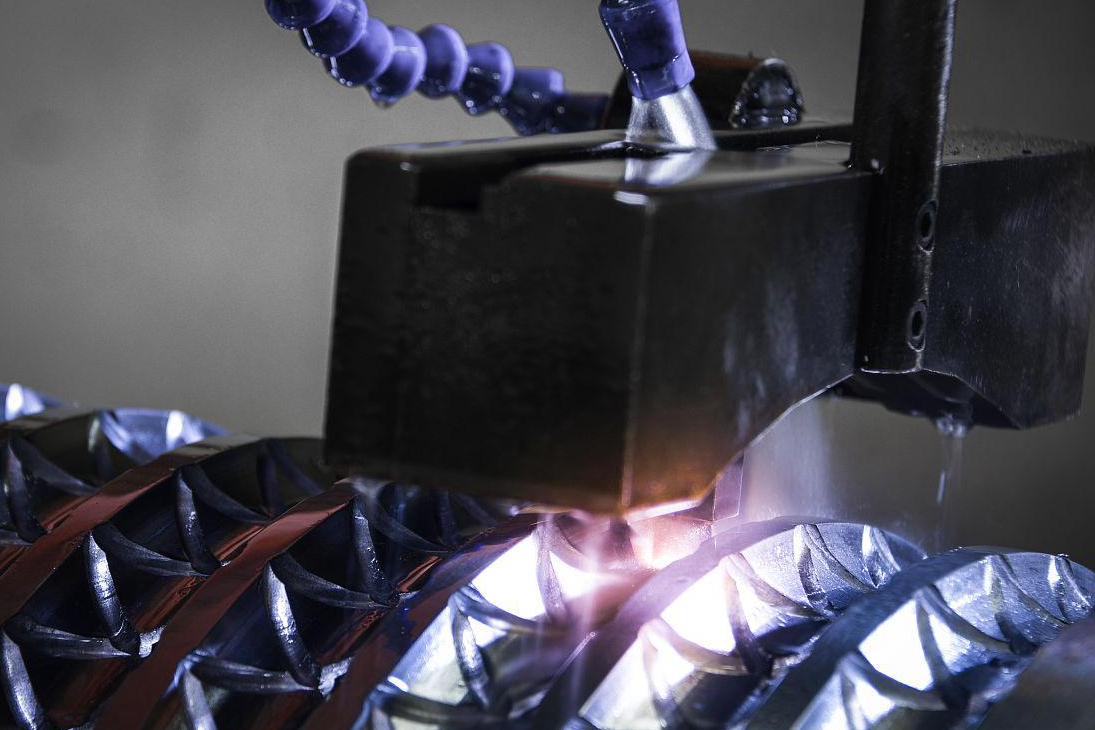
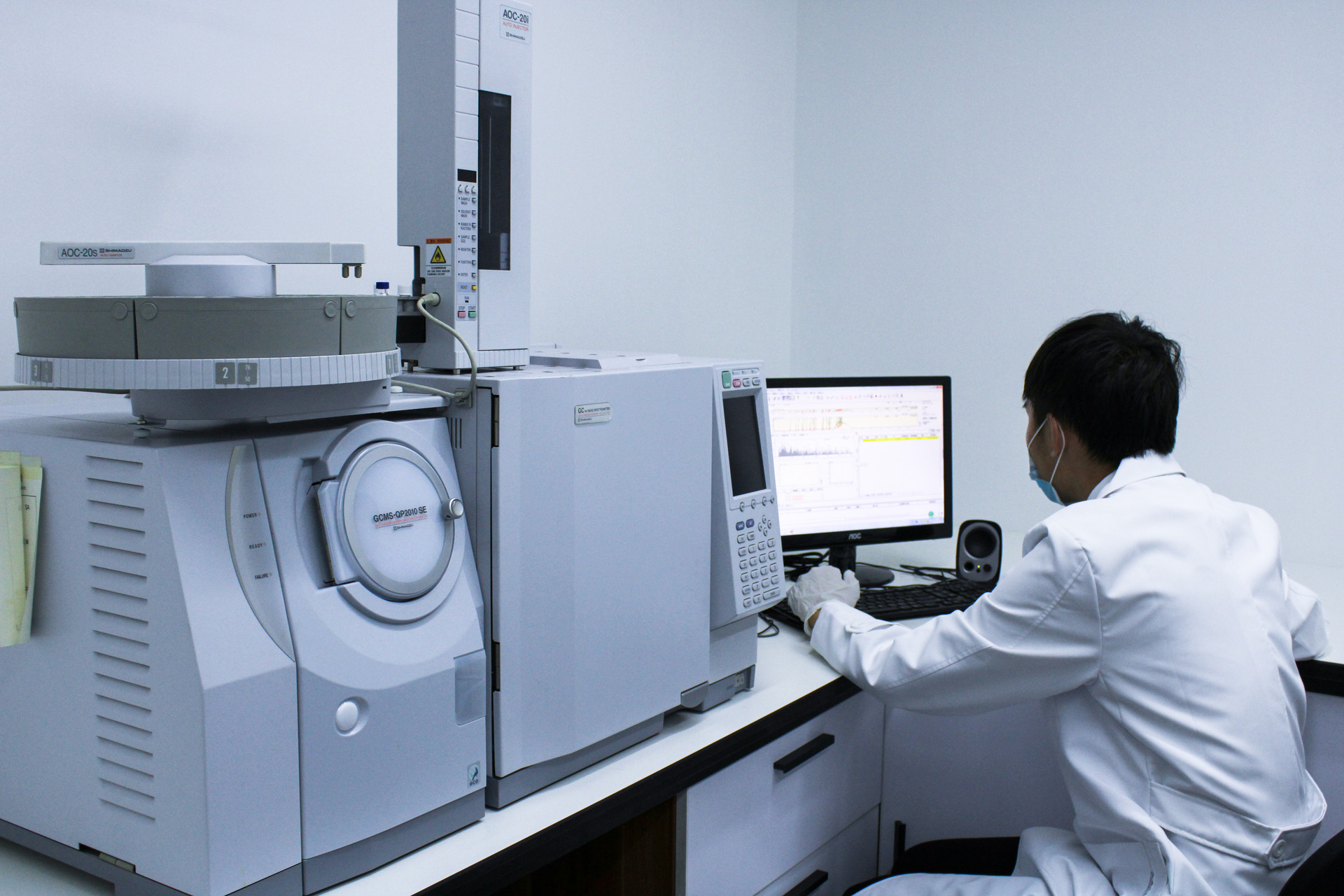
Polishing and superalloy CNC machining further improve surface smoothness, minimizing crevice formation where corrosive agents could accumulate. Components are often evaluated through material testing and analysis to ensure consistent microstructural quality and integrity of the oxide film.
Surface Coatings and Protective Treatments
Protective coatings provide an additional barrier against corrosive agents. Thermal barrier coatings (TBC) are frequently applied to superalloy turbine parts and reactor fittings to resist oxidation and high-temperature scaling. Diffusion coatings, including aluminides and MCrAlY (a nickel-chromium-aluminum-yttrium alloy), enhance surface passivation by forming adherent oxide scales.
In certain HRS equipment, surface cladding using materials like Hastelloy X or Rene 80 adds both mechanical and chemical durability to high-stress contact zones.
Application in Industrial Systems
In the nuclear industry, corrosion control has a direct impact on reactor safety and service life. Similarly, in energy and marine sectors, corrosion-resistant alloys maintain operational stability under saline and thermal cycling conditions. By combining optimized alloy chemistry, heat treatment, and coatings, manufacturers ensure that every component sustains its mechanical and structural integrity through decades of service.
Conclusion
Corrosion resistance in advanced components is achieved through a synergistic combination of alloy design, controlled post-processing, and protective coatings. From Inconel and Hastelloy to titanium and cobalt-based materials, each selection and treatment step contributes to exceptional durability in aggressive thermal and chemical environments.