What are the key challenges in manufacturing subsea valve components from superalloys?
Machining Difficulty and Tool Wear
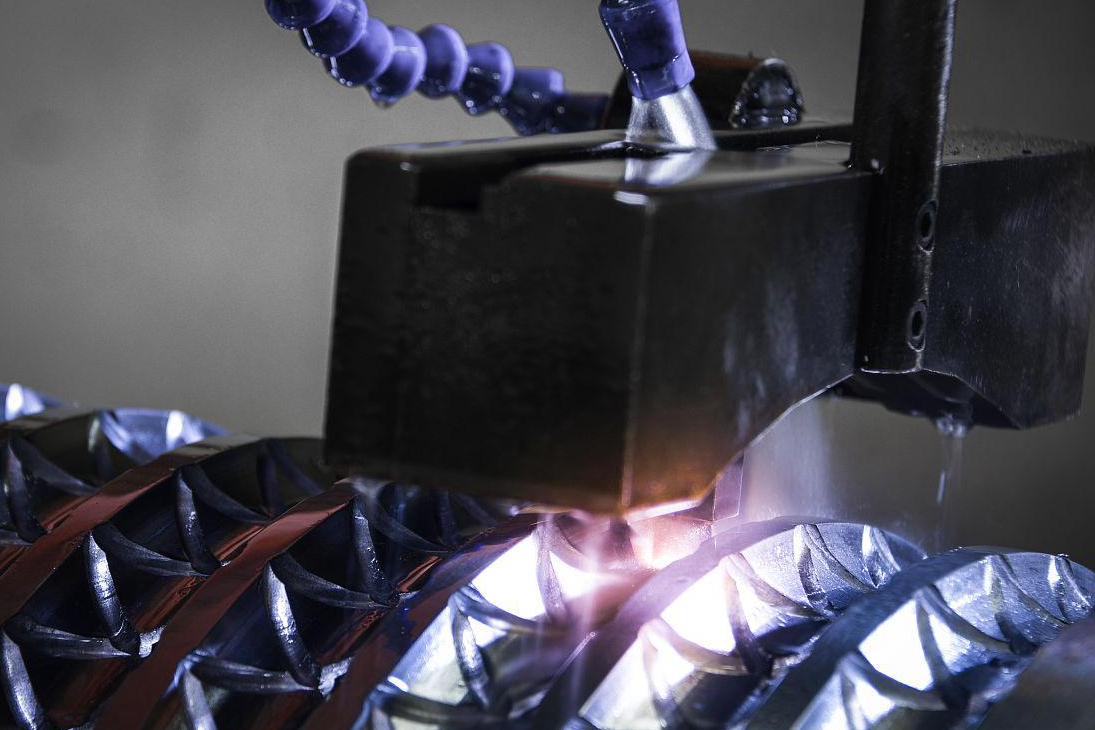
Superalloys such as Inconel 718, Hastelloy C-276, and Rene 77 are designed to retain strength at elevated temperatures, which also makes them extremely challenging to machine. Their high hardness, work-hardening tendency, and low thermal conductivity accelerate tool wear and demand specialized superalloy CNC machining strategies. Optimized cutting speeds, advanced carbide or CBN tooling, and high-pressure coolant systems are required to maintain surface finish and dimensional accuracy.
In precision areas such as valve seats or sealing surfaces, tool degradation can easily cause micro-burrs or dimensional deviations, leading to leakage or fatigue failure under subsea pressure.
Casting and Solidification Complexity
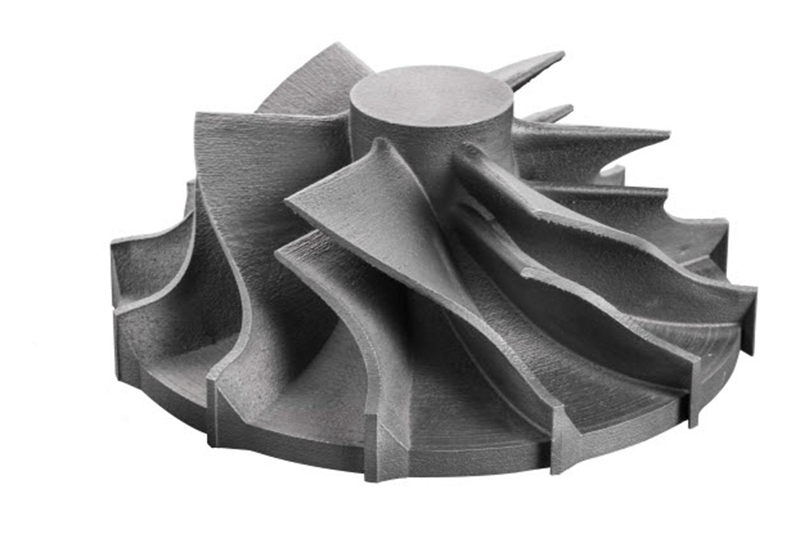
Producing defect-free valve bodies and housings from superalloys via vacuum investment casting presents significant challenges. These alloys have narrow solidification ranges and high melting points, increasing the risk of shrinkage porosity and microsegregation. Achieving uniform grain structures is especially demanding in thick-walled castings used in high-pressure valves. Advanced methods, such as equiaxed crystal casting and directional solidification, help minimize segregation but require precise thermal control and expertise in mold design.
Even with these controls, internal porosity often necessitates post-casting hot isostatic pressing (HIP) to achieve full density and mechanical uniformity.
Material Brittleness and Stress Control
Superalloys derive their strength from gamma-prime precipitation; however, this can also render them brittle if the microstructure is not carefully controlled through heat treatment. Improper temperature control during aging or annealing can lead to grain coarsening, which reduces ductility and toughness—properties essential for subsea valve operation, where impact resistance and pressure cycling are critical.
Residual stresses from casting, forging, or electrical discharge machining (EDM) must also be mitigated through stress-relief heat treatments to prevent cracking during service.
Corrosion and Surface Protection
Although nickel- and cobalt-based alloys inherently resist corrosion, subsea environments introduce additional risks from chlorides, hydrogen sulfide, and high-pressure brines. Without adequate finishing processes such as thermal barrier coating (TBC) or specialized polishing, components may still experience localized corrosion or crevice attack. Applying coatings uniformly on internal valve cavities or complex surfaces remains a manufacturing challenge.
Testing, Validation, and Compliance
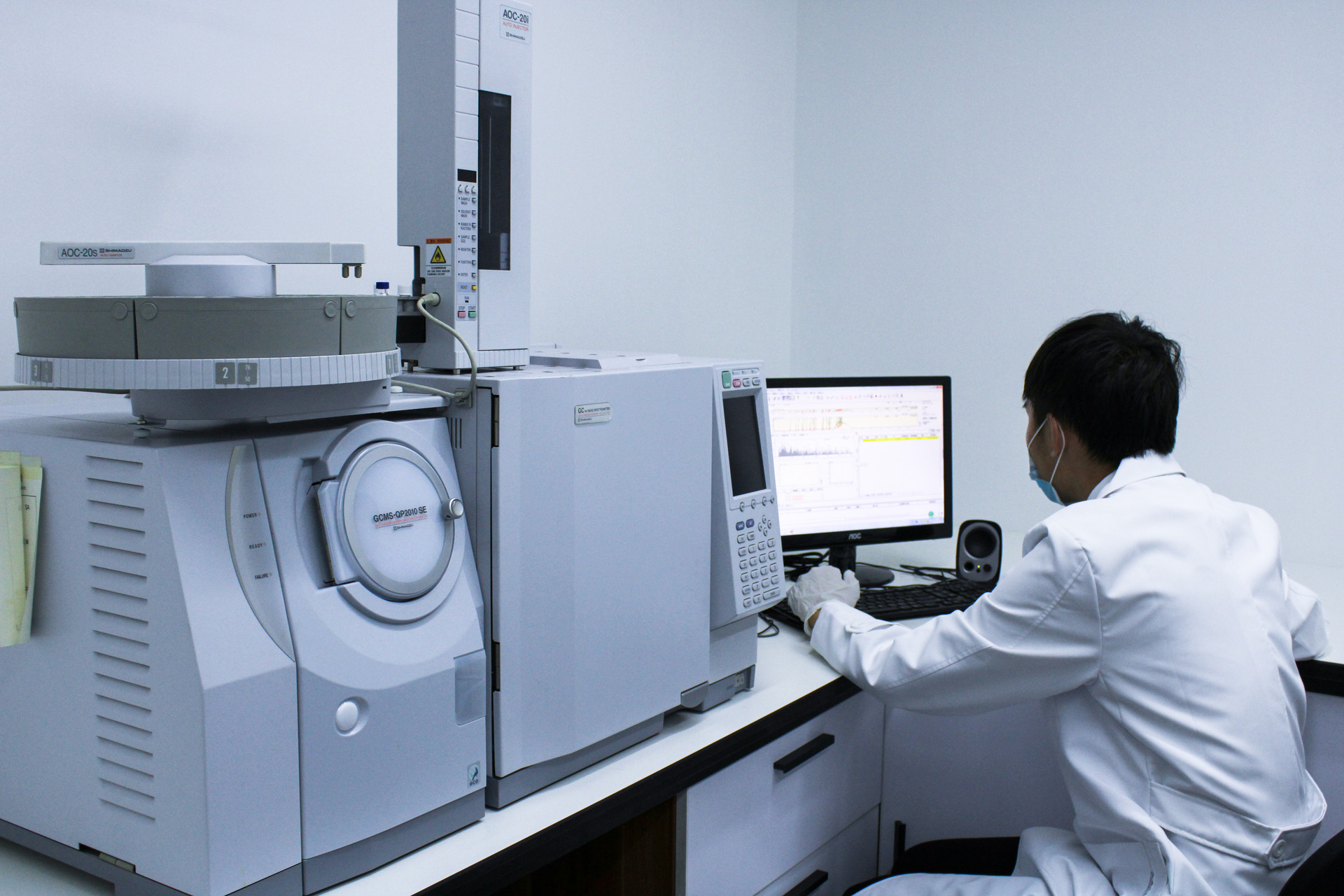
Subsea valves operate in safety-critical systems, requiring full compliance with API 6A, NACE MR0175, and ISO 9001 standards. This entails rigorous testing and analysis of superalloy materials, including X-ray, ultrasonic, and metallographic inspections at multiple stages. The complexity and cost of testing each valve body, trim, and actuator for high-integrity applications—especially in oil and gas, marine, and energy industries—add significant time and expense to production.
Maintaining traceability from alloy batch to final assembly requires a robust quality management system and advanced data tracking for every process stage.
By addressing these challenges through optimized process integration—combining precision casting, HIP densification, CNC finishing, and multi-stage inspection—manufacturers can consistently produce subsea valve components that are capable of surviving for decades in the world’s harshest underwater environments.