What is the role of CNC machining in producing superalloy valve assemblies?
Precision in Complex Geometries
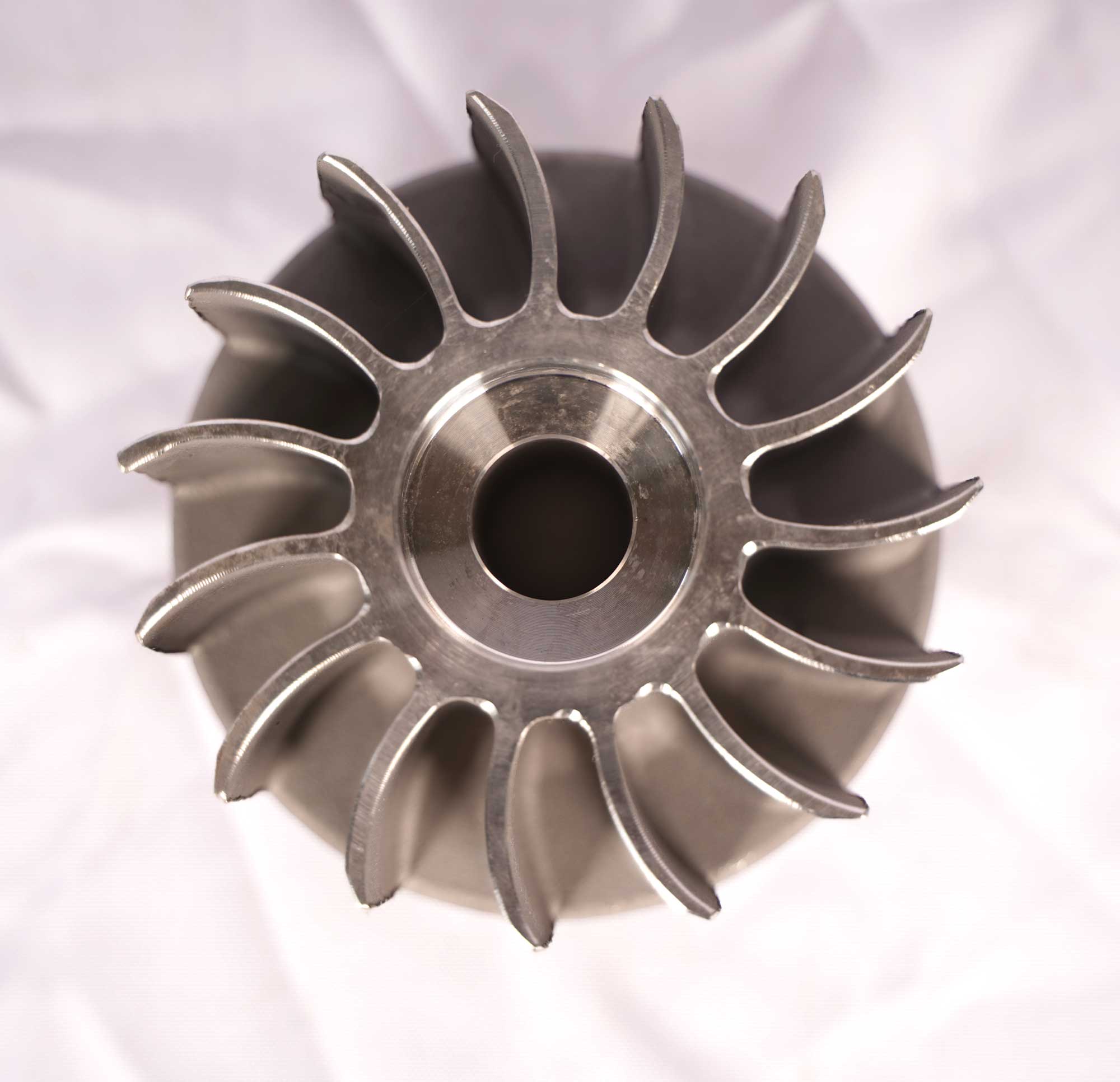
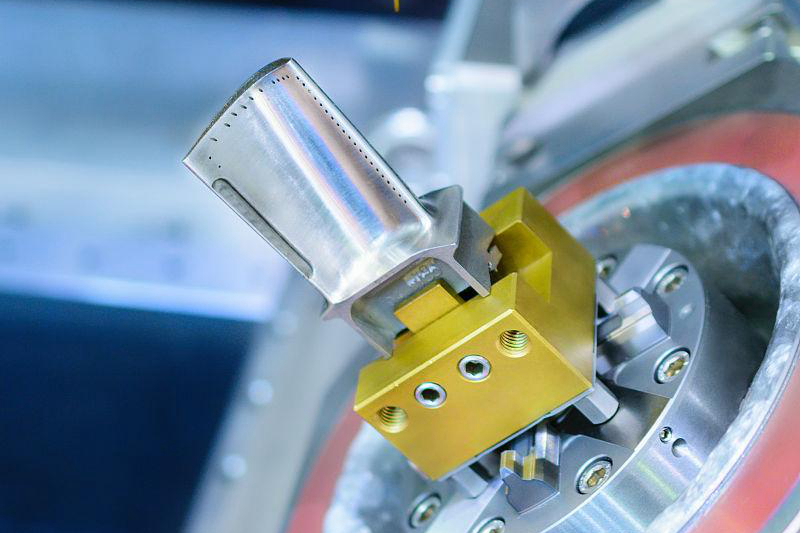
Superalloy valve assemblies—used in aerospace engines, nuclear systems, and high-pressure energy facilities—require exceptional precision in sealing, flow regulation, and surface finish. Because alloys like Inconel 718, Hastelloy C-22, and Stellite 21 are extremely hard and difficult to machine, superalloy CNC machining plays a critical role in shaping valve bodies, seats, stems, and housings with sub-micron accuracy. CNC lathes and multi-axis machining centers provide the concentricity, surface tolerance, and tight dimensional control required for high-temperature sealing applications.
Integration with Advanced Casting and Forging Processes
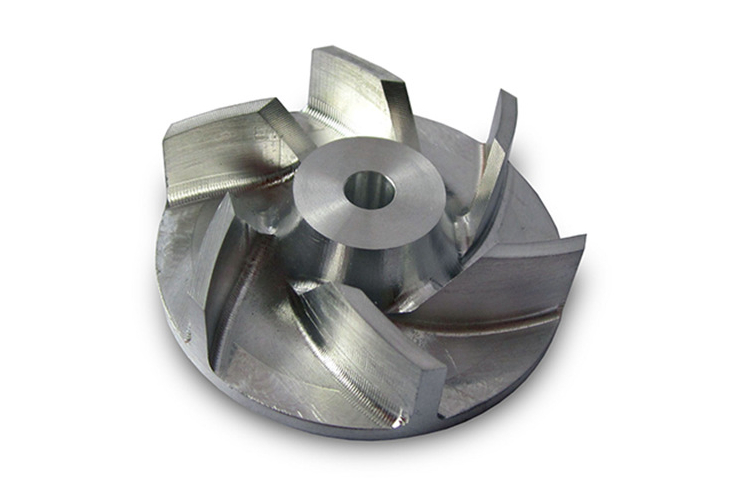
While vacuum investment casting, directional solidification, and superalloy precision forging define the macro-shape of critical valve components, CNC machining ensures precision interface surfaces and internal flow passages. The process eliminates minor porosity or geometric deviations post-casting and refines sealing edges and thread zones. This hybrid workflow, which combines casting and machining, optimizes mechanical properties while maintaining economic efficiency for both mass and prototype production.
Enhancing Material Integrity and Surface Quality
CNC machining also interfaces closely with post-processing operations such as hot isostatic pressing (HIP) and superalloy heat treatment, which stabilize the alloy microstructure before final finishing. After HIP densification, precision CNC machining removes minimal surface stock to reveal fully dense, flaw-free surfaces. When followed by thermal barrier coating (TBC) or specialized coatings, machining creates uniform bonding surfaces essential for valve performance under service conditions ranging from 900–1100 °C.
Material Versatility for Demanding Applications
CNC machining supports a broad portfolio of alloys optimized for specific valve environments. Rene 41 and Nimonic 90 are used in aerospace or power generation turbines where temperature gradients and fatigue cycles are extreme. Hastelloy C-276 and Monel 400 are suitable for chemical processing and marine valves that require exceptional corrosion resistance. In oil and gas systems, where sour gas and abrasive fluids are common, Inconel 625 ensures reliable sealing and prolonged operational lifespan.
Delivering Reliability Across Industries
Through advanced superalloy parts manufacturing, CNC machining ensures every valve component meets dimensional accuracy, fatigue strength, and leak-tightness requirements. The combination of precision machining, alloy expertise, and controlled post-processing enables consistent performance in demanding sectors such as energy, aerospace, and marine power systems. As part of Neway AeroTech’s integrated manufacturing chain, CNC machining transforms cast or forged superalloy blanks into critical components that guarantee safety, durability, and operational reliability across global high-pressure systems.