Superalloy Corrosion-Resistant Valve Assemblies Supply
A corrosion-resistant valve assembly RFQ should identify the wetted pressure boundary before material or unit price is discussed. Valve assemblies can include valve bodies, seats, plugs, stems, cages, discs, bonnets, trim rings, gland parts, flanges, and special flow inserts. Some components contact corrosive media directly. Others only carry bolting load or locate adjacent parts. A quote that treats the whole assembly as one generic superalloy item can miss the surfaces that decide leakage, wear, corrosion, and fit.
NewayAeroTech supports corrosion-resistant alloy valve parts through vacuum investment casting, special alloy casting, CNC machining, heat treatment, and post-process inspection. For a buyer, the RFQ should separate casting blank, machined trim, finished pressure-retaining component, and sample-based replacement work. That boundary changes alloy selection, machining allowance, inspection scope, and supplier responsibility.
Define the valve assembly boundary before quoting
The first drawing review should divide the valve assembly into functional zones. A body or bonnet may be pressure-retaining and corrosion-exposed. A seat or plug controls shutoff and wear. A stem or guide controls movement and alignment. A cage or flow insert controls velocity, pressure drop, and erosion risk. A flange or cover face controls gasket compression. Each zone needs a different manufacturing and inspection emphasis.
The RFQ should state the media, temperature, pressure class or working pressure notes, flow direction, cleaning medium, and whether the component sees slurry, seawater, sour gas, acid, alkali, steam, or high-temperature exhaust gas. The supplier does not need the buyer's complete plant design, but it needs enough environment information to judge whether a nickel, cobalt, titanium, stainless, or other special alloy route is credible.
If the buyer sends a used valve part as the only reference, the supplier should not treat all worn areas as original geometry. Seat wear, stem scoring, corrosion pits, gasket impressions, and thread damage need to be separated from intended dimensions. A sample can guide reverse measurement and manufacturing planning, but acceptance should be tied to a controlled drawing or an agreed first-article review.
Match alloy selection to media, trim duty, and wear risk
Corrosion-resistant valve assemblies often use nickel-based, cobalt-based, titanium, or high-alloy stainless materials, but the best choice depends on the exact part. Hastelloy alloy casting may be reviewed for severe corrosion environments. Monel alloy casting may be reviewed where seawater or related media are central. Stellite alloy casting may be considered for wear-resistant trim features. The buyer should tell the supplier what risk the selected alloy is meant to solve.
Valve trim and pressure-retaining parts should not be judged by the same criteria. A valve body may need casting soundness, corrosion resistance, and pressure-boundary dimensional control. A seat may need hardness, finish, concentricity, and edge integrity. A cage may need repeatable flow holes and burr-free passages. A stem guide may need roundness and smooth sliding surfaces. The alloy choice should be paired with these functional features.
When a buyer is open to material review, the RFQ should list the current grade, observed failure mode, and any restricted material choices. The supplier can then comment on manufacturability and route risk without pretending to own the full process-design decision for the valve system.
Choose casting route for bodies, cages, and complex flow forms
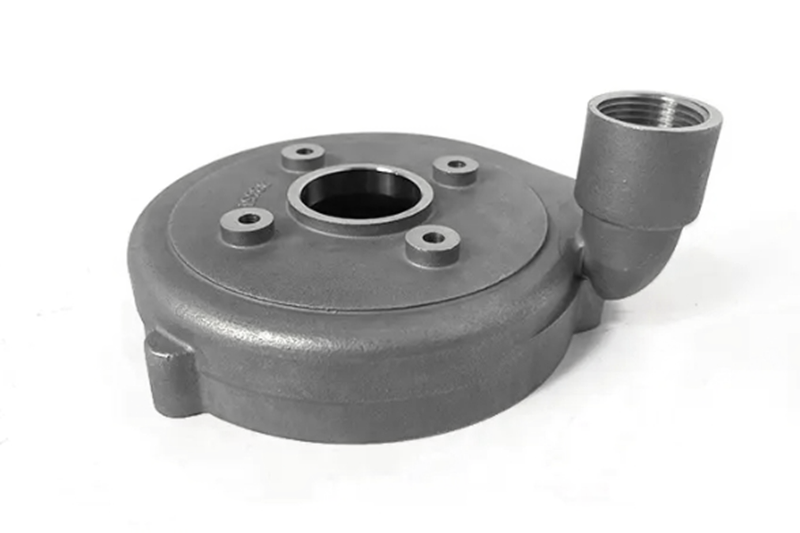
Vacuum investment casting can be useful for valve bodies, cage-like components, transition flow forms, and trim support pieces with complex geometry. A near-net casting can reduce material waste and preserve features that would be expensive to machine from solid stock. It also introduces casting-specific planning: tooling, gating, shrinkage, shell removal, surface condition, and first-article measurement. The buyer should identify whether the quote is for a raw casting, machined casting, or finished valve component.
For simple seats, rings, stems, or flat retainer parts, machining from wrought or forged stock may be more appropriate. Superalloy CNC machining often controls the final valve function because seats, bores, grooves, and threads require stable datums. A cast body may still need substantial machining at flange faces, gasket lands, stem bores, and connection ports. Those surfaces should be marked before quotation.
Route comparison is valuable when quantities are uncertain. A prototype valve insert may be machined quickly for test fitting, while a recurring batch may justify casting tooling. A complex cage may need EDM, drilled holes, or staged machining after casting. A responsible supplier quote should explain the tradeoff in tooling, machining time, inspection evidence, and first-article risk.
Control seat, seal, bore, and thread features separately
Valve assemblies are judged by functional interfaces. Seat faces need the right geometry and surface condition. Stem bores need alignment and finish. Flange faces need flatness and bolt-hole position. Threaded ports need clean entry, correct depth, and burr control. Flow holes and slots need consistent edge condition. A drawing with only broad dimensional notes may not show which of these features decide acceptance.
Machining allowance should be planned around those interfaces. A cast valve body may need extra stock at flange faces and stem-bore bosses. A cast trim part may need stock at sealing diameters and flow-control edges. Too little allowance can leave casting skin or surface variation in a functional area. Too much allowance can increase distortion risk or machining cost. The buyer should ask the supplier to mark final-machined and as-cast surfaces in the route proposal.
Edge condition matters in valve parts because burrs and sharp transitions can interfere with sealing, movement, or flow. The RFQ should state whether deburring, edge break, polishing, or cleaning requirements apply to internal passages. These requirements are manufacturing items, not cosmetic notes.
Tie post-process work to corrosion and shutoff function
Post-process work for valve assemblies should connect directly to the part's function. Cleaning and surface preparation matter for wetted parts. Heat treatment may be needed for selected alloys and routes. Heat treatment should be sequenced with finish machining so seal faces and stem bores are controlled after thermal movement when necessary. Surface treatment, coating preparation, or polishing should be defined by the drawing and media exposure.
For cast pressure-retaining or thick-section valve components, hot isostatic pressing may be reviewed when alloy, geometry, and internal soundness requirements justify it. The buyer should ask what defect type or soundness risk the process addresses and how it will be verified. A process name alone does not make the part suitable for a given pressure or media condition.
Cleaning after machining is especially important for cages, ports, and narrow grooves. Abrasive residue, chips, or loose burrs can damage sealing surfaces or contaminate downstream equipment. The supplier's route proposal should identify how these features are cleaned and inspected before delivery.
Build inspection evidence around leakage, pressure, and motion
Material testing and analysis should support the actual valve risk. For cast bodies and bonnets, inspection may include material chemistry, dimensional reporting, visual inspection, penetrant inspection, radiographic review where agreed, hardness checks where required, and surface review at pressure-boundary areas. For trim parts, inspection may focus on seat geometry, concentricity, surface finish, hole pattern, stem-bore alignment, and edge condition.
The buyer should separate component-level inspection from valve-level performance testing. A component manufacturer can document the material, route, dimensions, and agreed NDT. The buyer or valve assembler may still need hydrostatic, pneumatic, functional, or system-level tests under its own procedure. If the component supplier is expected to perform any special test, that scope should be stated in the RFQ with method, acceptance reference, and reporting format.
Inspection reports should be readable and tied to the drawing. A CMM report should identify datums and critical dimensions. A surface-finish report should identify the seat or seal face measured. A visual or penetrant report should identify relevant areas. This evidence helps the buyer compare suppliers without relying on vague quality language.
What to send for a corrosion-resistant valve assembly RFQ
A strong RFQ includes drawings, models, current material or candidate material, media details, temperature, pressure notes, quantity range, valve component role, surface-finish requirements, inspection requirements, and sample photos when replacement work is involved. For chemical processing, oil and gas, marine, or energy systems, the buyer should describe the media and function instead of relying only on the industry label.
The supplier response should separate alloy recommendation, manufacturing route, machining boundary, post-process scope, inspection evidence, and open questions. If the part is only a casting blank, the quote should not imply final valve performance. If the part is a finished trim component, the quote should include the surfaces and reports that make it ready for the next assembly step.
NewayAeroTech's value in this RFQ is the ability to connect alloy casting, machining, post-process, and inspection into one manufacturable route. That route should be specific to the valve body, seat, cage, stem, or trim part in question, not a recycled process list for every corrosion-resistant component.
Related FAQs
What are the main benefits of using superalloys in valve assemblies?
How do casting and forging processes differ in manufacturing valve assemblies?
What are the most common post-processing techniques for superalloy valve assemblies?
What are the primary quality control measures for superalloy valve assemblies?
What is the role of CNC machining in producing superalloy valve assemblies?
What are the most common superalloys used for valve components?
What industries benefit most from corrosion-resistant valve assemblies?