What are the most common post-processing techniques for superalloy valve assemblies?
Hot Isostatic Pressing (HIP)
One of the most critical steps in achieving defect-free superalloy valve assemblies is hot isostatic pressing (HIP). This process subjects components to high temperature and uniform isostatic gas pressure, eliminating internal voids or micro-porosity often found in cast parts. HIP improves fatigue resistance, creep strength, and overall reliability—qualities essential for valves operating under high pressure or cyclic thermal stress in energy and nuclear environments.
Heat Treatment for Microstructure Optimization
Following HIP, superalloy heat treatment is performed to refine the grain structure, dissolve segregated phases, and enhance mechanical uniformity. Controlled aging and solution treatments optimize precipitation hardening systems in alloys like Inconel 718 and Rene 80, ensuring long-term stability in extreme conditions. Proper heat treatment also prevents stress-corrosion cracking in chloride-rich environments, such as those found in chemical processing and oil and gas systems.
Machining and Finishing Operations
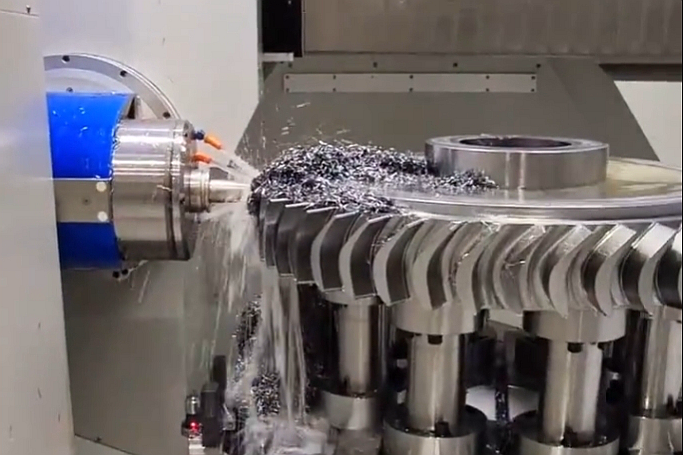
Precision finishing remains essential for meeting tight tolerances and sealing requirements. Processes such as superalloy CNC machining, deep hole drilling, and electrical discharge machining (EDM) are commonly employed to achieve dimensional accuracy and smooth surface finishes on valve stems, seats, and trim. These methods are vital for maintaining proper flow regulation and minimizing wear in high-cycle industrial valves.
Surface Coatings and Protection
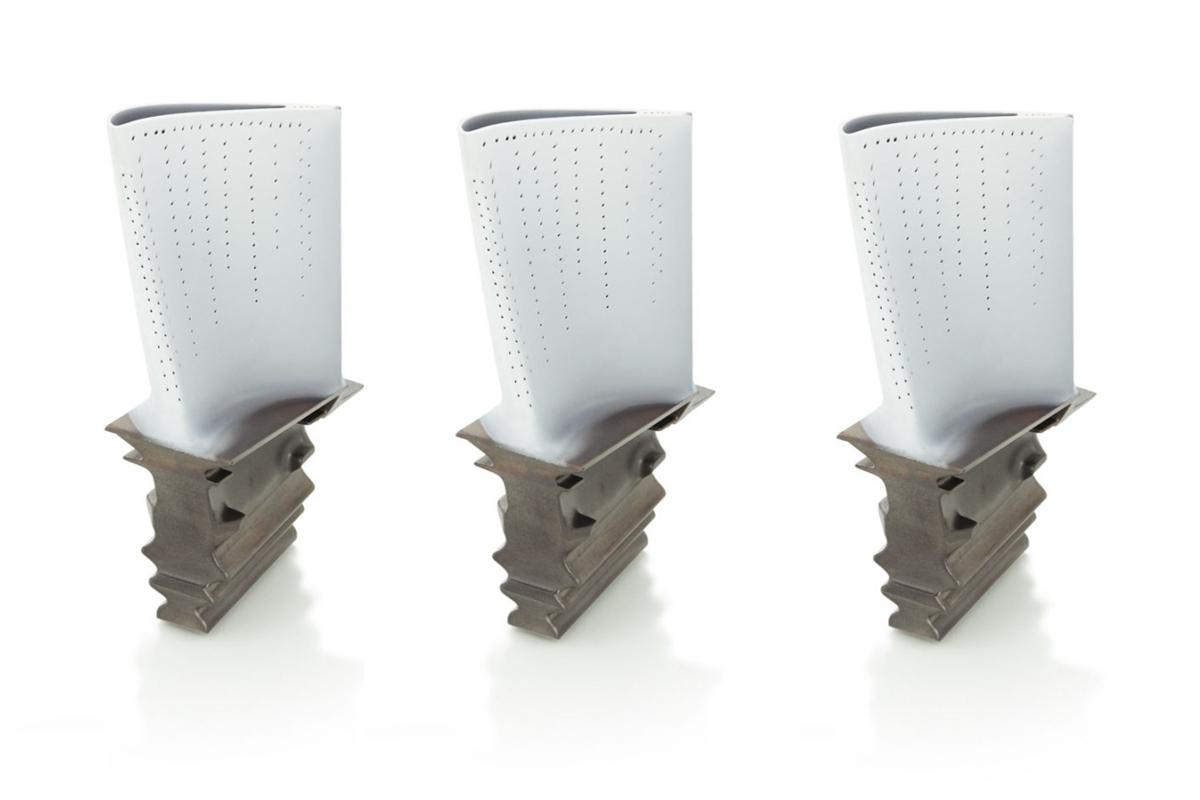
To extend service life in high-temperature or corrosive applications, thermal barrier coatings (TBC) and protective overlays are applied. TBCs enhance oxidation and heat resistance, especially in aerospace or power generation valves. For marine or chemical exposure, corrosion-resistant layers derived from Stellite 6 or Hastelloy C-276 improve hardness and prevent erosion. These treatments ensure consistent performance even under continuous pressure fluctuations.
Welding, Assembly, and Testing
Complex valves often require precision superalloy welding to join dissimilar metals or repair casting defects. Post-weld heat treatment is applied to relieve residual stress and restore uniform microstructure. Finally, every valve undergoes material testing and analysis — including non-destructive evaluation, hardness checks, and microstructural inspection — to verify compliance before deployment in demanding applications such as power generation, marine, or oil and gas systems.