How do casting and forging processes differ in manufacturing valve assemblies?
Structural Formation and Grain Integrity
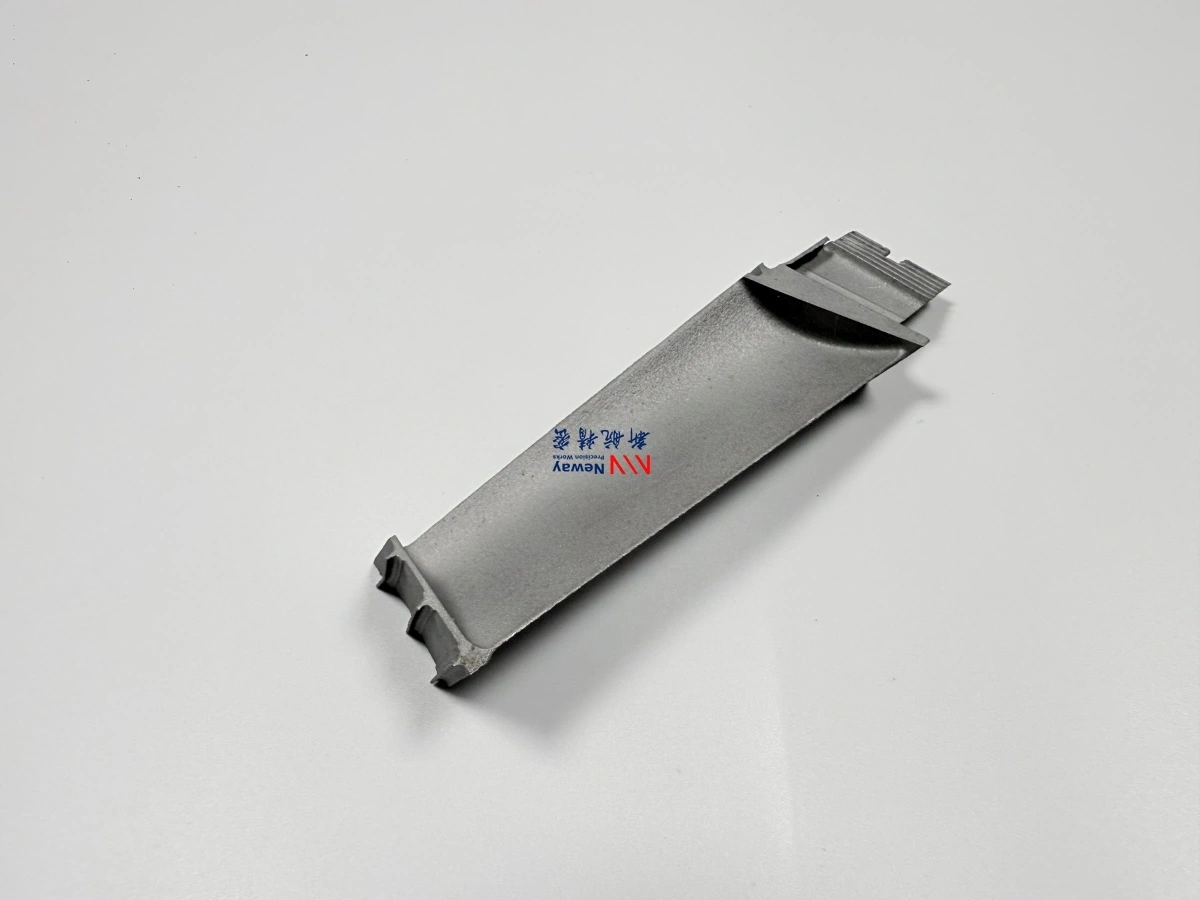
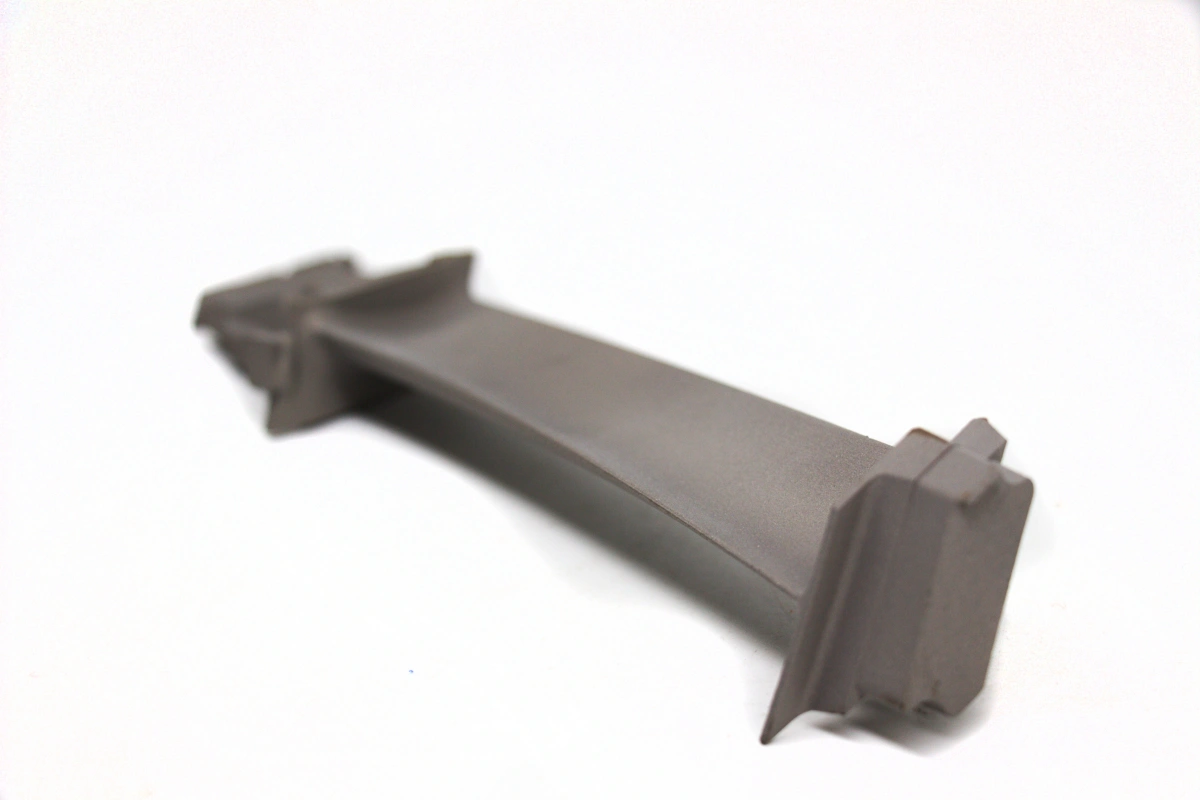
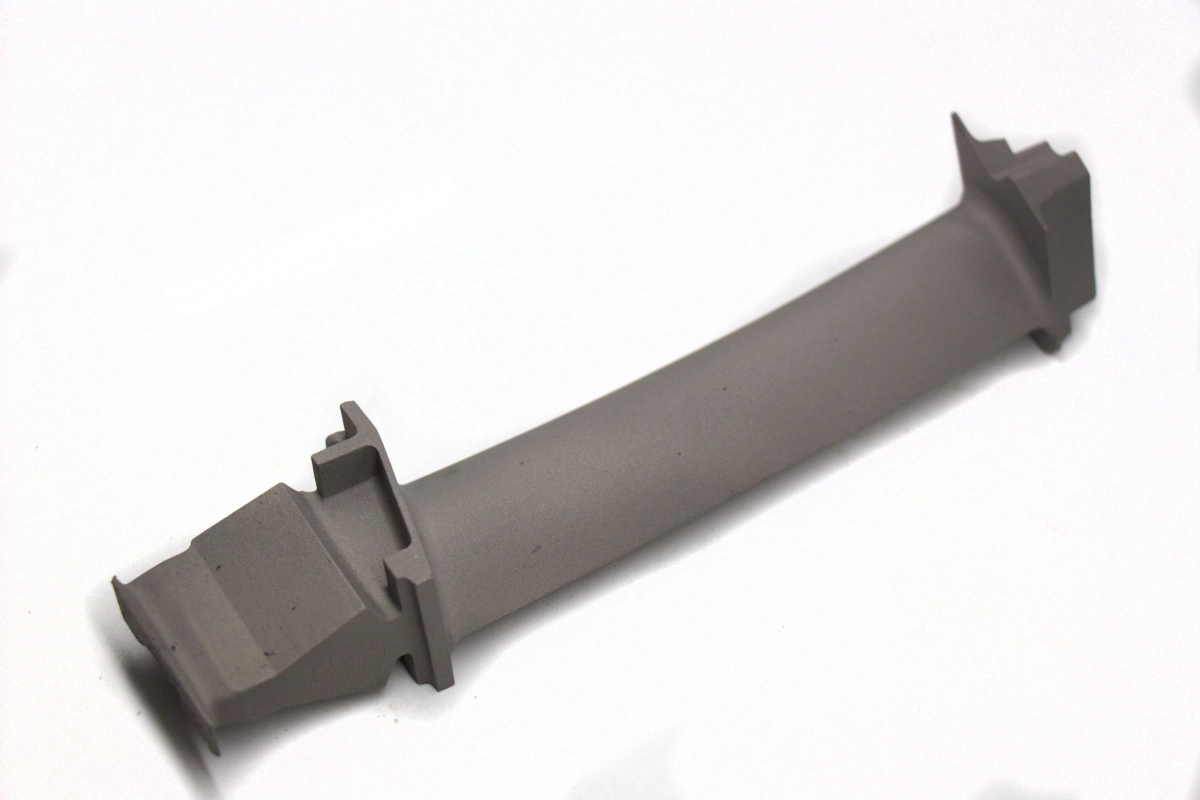
The fundamental difference between casting and forging lies in how the metal’s microstructure is formed. In vacuum investment casting, molten metal is poured into a ceramic mold to form complex valve bodies or housings with precise geometries. This process enables intricate internal flow paths and facilitates lightweight design optimization. Conversely, superalloy precision forging utilizes mechanical deformation under high temperatures and pressures to shape preheated billets. Forging aligns the metal’s grain flow along the part’s geometry, significantly improving strength, impact resistance, and fatigue life—an advantage in high-pressure or safety-critical valve assemblies.
Material Density and Defect Control
Casting provides flexibility for large, complex parts but may introduce micro-porosity or segregation if not properly managed. These issues are often minimized through hot isostatic pressing (HIP), which consolidates internal voids and ensures uniform density. Forging inherently produces higher density with fewer inclusions, making it ideal for components such as valve stems or seats, where structural integrity and leak-tightness are crucial. When paired with heat treatment, forged alloys achieve superior toughness and stress-relief stability.
Design Flexibility and Manufacturing Efficiency
Casting excels in geometric freedom, allowing designers to incorporate complex cavities, ribs, and integrated flow channels in valve housings—features that are difficult or impossible to machine from forged blanks. This makes casting preferred for intricate configurations found in chemical processing and power generation valves. Forging, however, is more efficient for simpler, high-strength components such as stems, bonnets, or connectors, where dimensional precision and mechanical strength are prioritized over design complexity.
Surface Quality and Post-Processing
While both processes require finishing, cast valves often undergo extensive superalloy CNC machining and material testing and analysis to ensure dimensional and metallurgical accuracy. Forged valves generally exhibit better surface integrity with minimal machining allowance. For both types, applying protective coatings such as thermal barrier coatings (TBCs) or corrosion-resistant claddings extends the operational lifespan in demanding environments, including oil and gas and nuclear facilities.
Application Suitability and Performance
In summary, casting is preferred for large or complex valve bodies where design precision outweighs peak strength requirements, whereas forging is chosen for smaller, high-stress parts that require superior mechanical reliability. Integrating both—cast bodies with forged internals—creates hybrid valve assemblies optimized for weight, performance, and cost efficiency across various industries, including energy, marine, and defense systems.