Stellite 6B Valve Seat Casting Supplier Checklist for Wear RFQs
A Stellite 6B valve seat casting RFQ should start with the wear surface, not with a generic cobalt alloy material note. The buyer is usually trying to solve abrasive wear, adhesive wear, galling, erosion, hot gas exposure, or repeated sealing contact. Each condition changes the casting route, machining allowance, hardness expectation, surface finish, and inspection evidence that a supplier should quote.
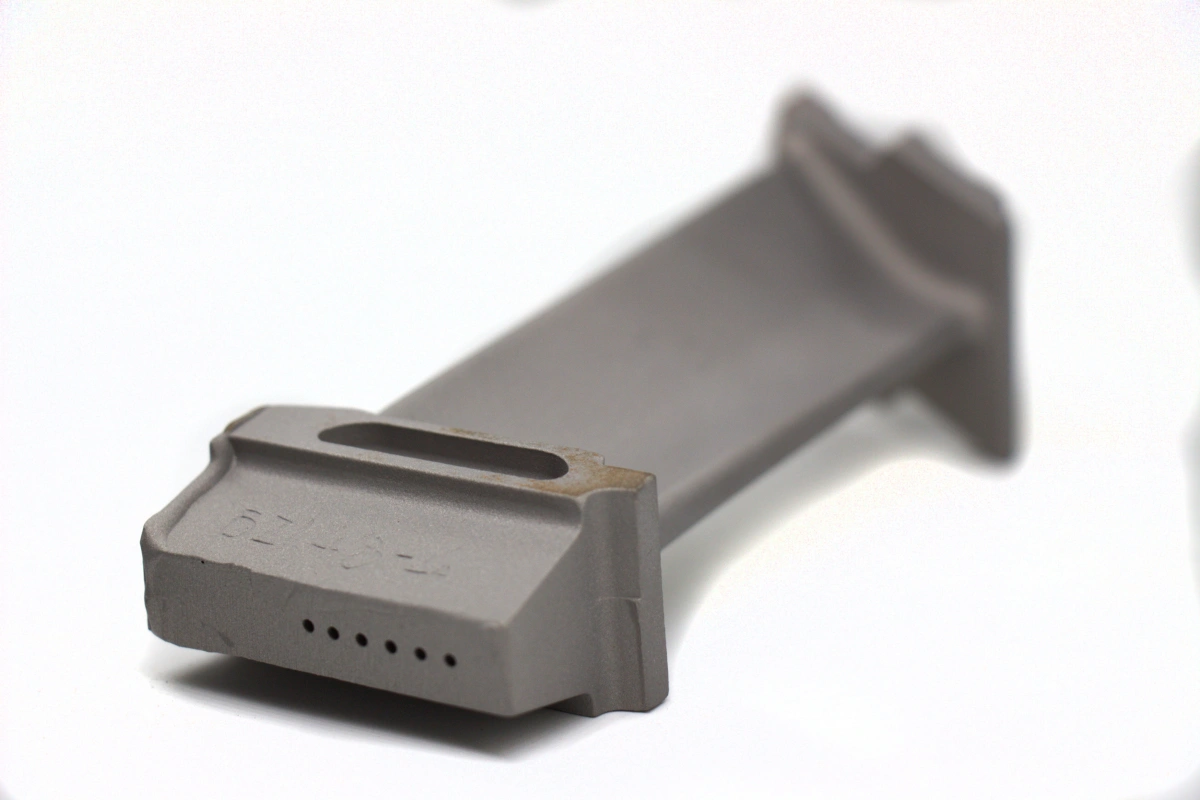
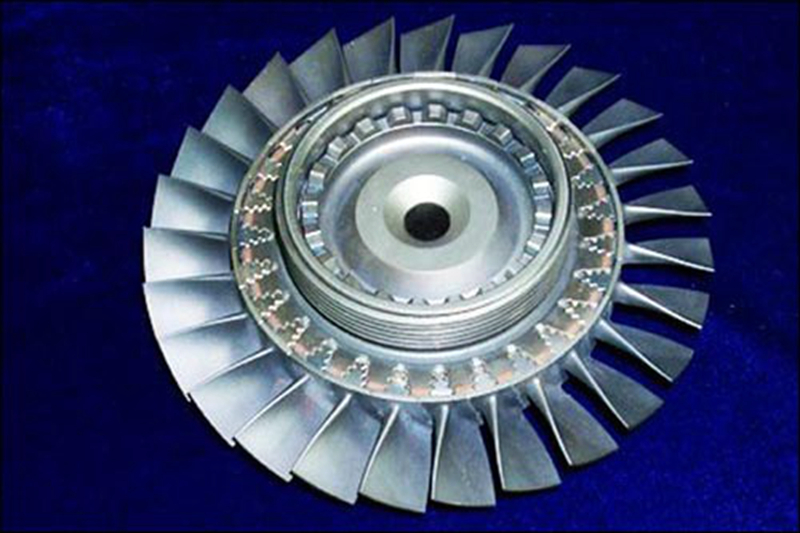
NewayAeroTech can review Stellite alloy vacuum investment casting projects for valve seats, rings, sleeves, bushings, wear pads, and other cobalt alloy components when buyers provide drawings, medium, temperature range, mating material, quantity, and delivery condition. For this RFQ, the supplier should know whether the valve seat will be delivered as a rough casting, semi-machined blank, or finished component ready for buyer-side assembly.
Define the Valve Seat Wear Surface Before Quote Review
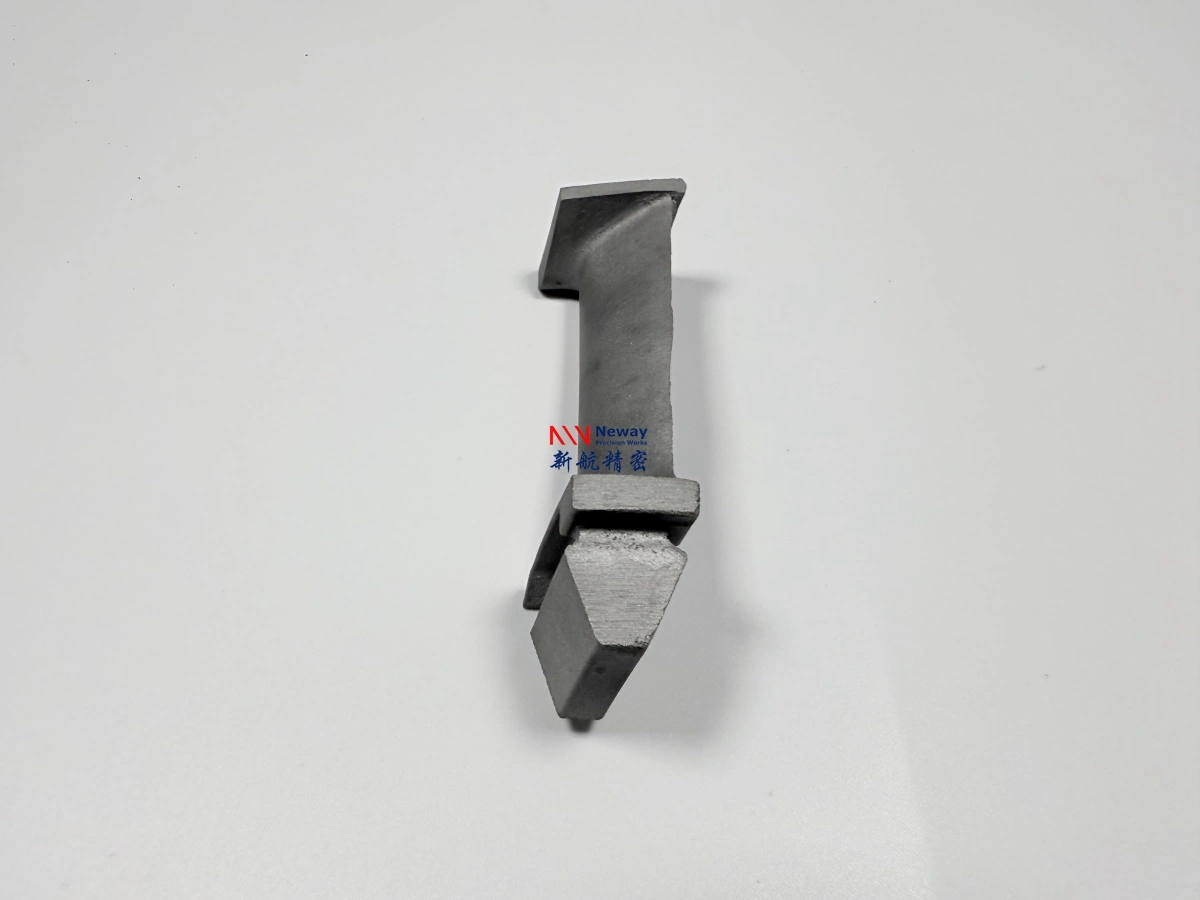
For this RFQ, buyers should identify the exact contact band that makes the part a valve seat. A drawing may show many diameters, chamfers, grooves, and mounting faces, but only one or two surfaces may carry the critical wear and sealing function. The supplier needs that distinction before selecting wax pattern stock, casting orientation, machining sequence, and final inspection points.
The wear surface definition should include whether the seat runs against a ball, gate, plug, disc, stem, or mating ring. It should also state whether the contact is continuous sliding, intermittent impact, rotating contact, or static sealing under pressure. A Stellite 6B casting supplier can then quote the correct blank condition and avoid treating a low-risk outside diameter the same way as a sealing face that will be lapped, ground, or tightly inspected.
Valve seat feature | Buyer should define | Supplier quotation impact |
|---|---|---|
Primary wear band | Contact width, mating part, load condition, and whether lapping or grinding is required. | Controls machining stock, fixture planning, surface finish method, and inspection effort. |
Sealing face | Drawing tolerance, leakage-critical surface, surface roughness, and acceptance reference. | May require a finished-machined scope instead of rough casting supply only. |
Mounting or backup face | Datum role, perpendicularity, flatness, and assembly relationship. | Defines CMM or layout checks and whether seat distortion must be monitored. |
Nonfunctional envelope | Allowed stock, cleanup requirement, and cosmetic expectations. | Prevents unnecessary machining cost on surfaces that do not affect service. |
Wear language should also avoid vague phrases such as "high wear resistance" without a service condition. A seat used in slurry service, high-temperature gas, corrosive liquid, or dry sliding contact may require different discussion. NewayAeroTech does not need proprietary system data to begin a review, but it does need enough operating context to separate casting feasibility from finishing risk.
Why Stellite 6B Changes Casting and Machining Scope
Stellite 6B is a cobalt-based wear alloy chosen for surfaces that must resist galling, abrasion, and hot wear better than many ordinary stainless or nickel alloys. That benefit also means the RFQ should treat machining as part of the manufacturing route, not as an afterthought. A supplier may be able to cast a near-net blank, but final seat geometry often depends on controlled CNC turning, grinding, lapping, EDM support, or special fixturing.
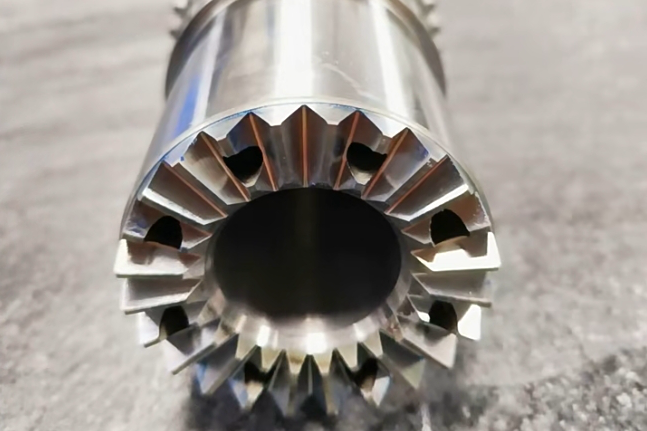
The casting supplier should know whether the buyer is open to a near-net seat blank or requires a finished seat. Rough cast delivery can be suitable when the buyer has qualified machining capacity and only needs a cobalt alloy blank. Finished delivery is different. It requires datum control, tool access review, fixture stability, surface finish planning, and inspection after machining. If the buyer expects NewayAeroTech to handle superalloy CNC machining, the quote should show that scope separately from casting.
Requested condition | Manufacturing responsibility | RFQ detail needed |
|---|---|---|
Rough Stellite 6B casting | Cast blank, gating cleanup, basic visual review, and agreed envelope dimensions. | Final machining drawing, machining stock expectation, and casting acceptance level. |
Semi-machined seat blank | Critical datum surfaces or location faces machined while sealing face remains buyer-finished. | Datum scheme, remaining stock, and which surfaces must not be final-machined. |
Finished valve seat | Casting, heat treatment if required, machining, surface finishing, and final inspection. | Final drawing, surface finish, hardness requirement, leakage-related feature notes, and report format. |
Buyers should also identify whether weld overlay, wrought bar machining, forging, or investment casting has already been selected by engineering. If the process is still open, the RFQ can ask for a manufacturability review. If the process is fixed to casting, send the reason so the supplier can focus on mold design, solidification, stock allowance, and machining cleanup instead of reopening the route decision.
Sealing-Face Allowance, Hardness, and Surface Finish Planning
The sealing face is often the feature that decides whether a valve seat casting quotation is useful. A supplier needs to know the required surface finish, whether the surface will be ground or lapped, whether a hardness range is specified by the buyer, and how much stock is allowed before finishing. Stellite alloys can be difficult to machine compared with many standard alloys, so a thin or poorly located allowance can create cost and scrap risk.
For a finished seat, the RFQ should separate cast allowance from final finish allowance. Cast allowance protects cleanup after solidification and heat exposure. Final finish allowance protects the last grinding or lapping operation. These are not the same number. The quotation should also indicate whether hardness will be checked on the part, on a test coupon, or through material records, depending on the buyer specification and part size.
Surface finish should be written as an engineering requirement rather than a sales phrase. If a sealing face needs a specific roughness value, define the measurement location and direction. If only functional seating after buyer-side assembly matters, state what NewayAeroTech should deliver and what the buyer will finish later. This avoids a quote that includes an expensive finished surface the buyer intends to rework anyway.
Sealing requirement | Question to answer before quote | Evidence or action in supplier response |
|---|---|---|
Machining allowance | How much stock must remain on the sealing band after casting cleanup? | Quote should state rough, semi-finished, or final-machined delivery condition. |
Hardness expectation | Is hardness specified by drawing, purchasing standard, or buyer-side process note? | Supplier should state whether hardness evidence is included and where it is measured. |
Surface finish | Is the finish turned, ground, lapped, or left for buyer-side completion? | Quote should identify finishing method and inspection record if included. |
Distortion sensitivity | Can the seat move after heat treatment or machining stress release? | Supplier should define hold points and final dimensional check stage. |
When the seat has thin walls, interrupted grooves, or asymmetric mounting features, the machining plan should be reviewed early. Tool pressure, clamp location, and datum choice can change final roundness or face runout. A low unit price for a rough blank may not reduce total cost if the downstream machining supplier later needs extra setup time to protect the sealing band.
Inspection Evidence for Cobalt Alloy Valve Seat Castings
Inspection evidence should match the buyer's delivery condition. A rough Stellite 6B casting may need chemical verification, visual inspection, dimensional envelope checks, and traceability records. A finished valve seat may require CMM or layout inspection, surface roughness verification, hardness evidence, FPI where specified, and final dimensional reports tied to the drawing revision. The supplier response should make those documents visible before the purchase order is placed.
For cobalt alloy cast components, buyer-side inspection language should be practical. Asking for every possible test can slow the RFQ and raise cost without improving acceptance clarity. Asking for too little can create a dispute after delivery if the sealing band does not meet expectations. NewayAeroTech can review inspection packages through material testing and analysis support when the buyer specifies the required evidence.
Defect review should focus on service-critical regions. Internal porosity away from a nonfunctional envelope may not carry the same risk as a surface indication on the sealing face or a casting defect at a thin edge. If radiographic, penetrant, or CT review is required, identify the inspected zone and acceptance reference. If inspection is by drawing only, state the drawing revision and reporting language so the supplier does not guess.
Buyers should also confirm whether Stellite 6B material paperwork or brand-specific records are required by their internal system. NewayAeroTech can provide manufacturing and inspection documentation agreed in the purchase scope, but the RFQ should avoid implying third-party authorization unless the buyer supplies that approval route. This keeps the project focused on custom manufacturing evidence rather than unsupported claims.
RFQ Checklist for Stellite 6B Valve Seat Suppliers
A strong Stellite 6B valve seat RFQ should include the final drawing, material grade, casting or finished-part delivery condition, quantity, mating component, medium, temperature range if available, wear mode, sealing face requirement, machining allowance, hardness requirement, inspection records, and packaging expectation. If the buyer has a used sample, explain whether it is only for reference or whether it controls any dimensions. A worn seat should not be treated as final geometry unless the buyer has already corrected the design package.
The quote should separate the responsibilities that are often bundled together: casting, gating removal, heat treatment if needed, rough machining, final CNC machining, surface finishing, hardness checks, dimensional inspection, and material records. This separation helps buyers compare suppliers on technical scope. It also gives engineering teams a way to decide which work belongs with NewayAeroTech and which work remains with the buyer's assembly or qualification process.
If the valve seat is part of a corrosion-resistant assembly, buyers can also share the broader valve component context. Existing NewayAeroTech resources on corrosion-resistant valve assemblies and subsea valve supply may help define the environment, but the Stellite 6B seat quote still needs its own wear-surface and sealing-face detail.
Send the drawing, alloy requirement, sealing surface note, wear condition, quantity, delivery condition, and inspection package. NewayAeroTech can review whether Stellite 6B investment casting, machining, and inspection support fit the valve seat RFQ.
Related FAQs