What are the primary quality control measures for superalloy valve assemblies?
Dimensional and Structural Integrity Verification
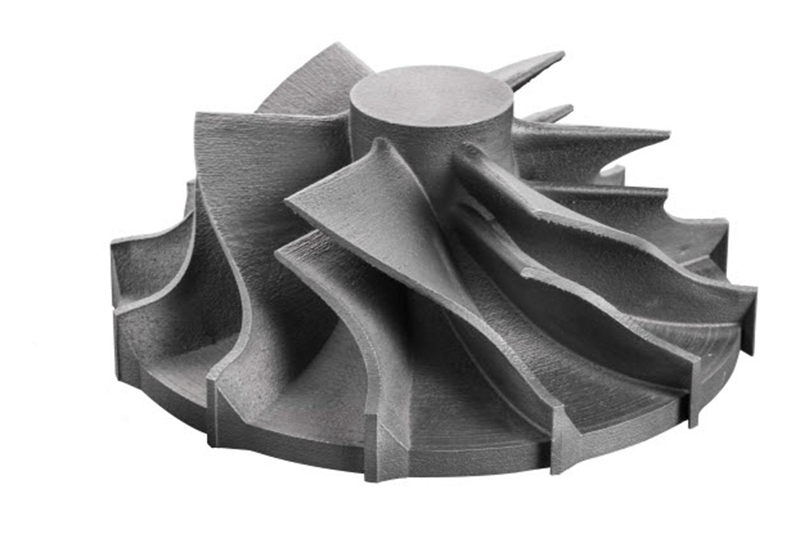
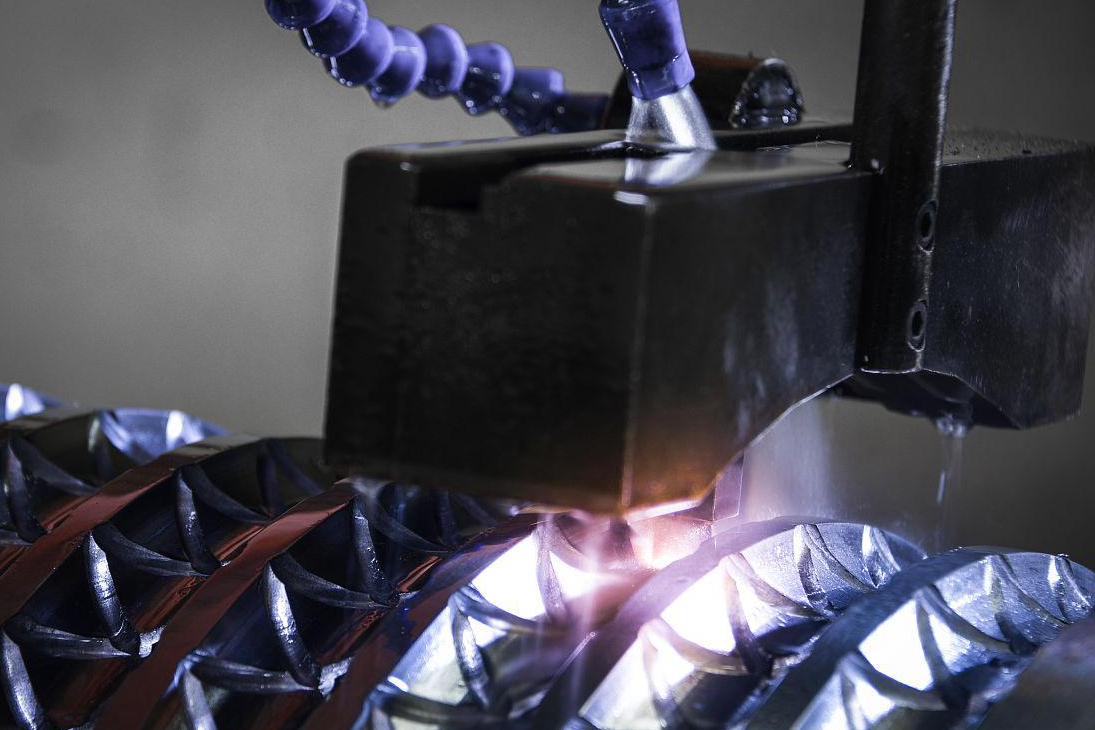
Superalloy valve assemblies require exceptional precision, as even micron-level deviations can compromise sealing and pressure retention. Dimensional control begins during vacuum investment casting and continues through superalloy precision forging and superalloy CNC machining. Coordinate Measuring Machines (CMMs) and laser scanning are used to ensure that critical tolerances meet design specifications. Additionally, non-destructive testing and material analysis help identify voids, inclusions, or microcracks within cast or forged structures, ensuring internal soundness before assembly.
Alloy Certification and Metallurgical Control
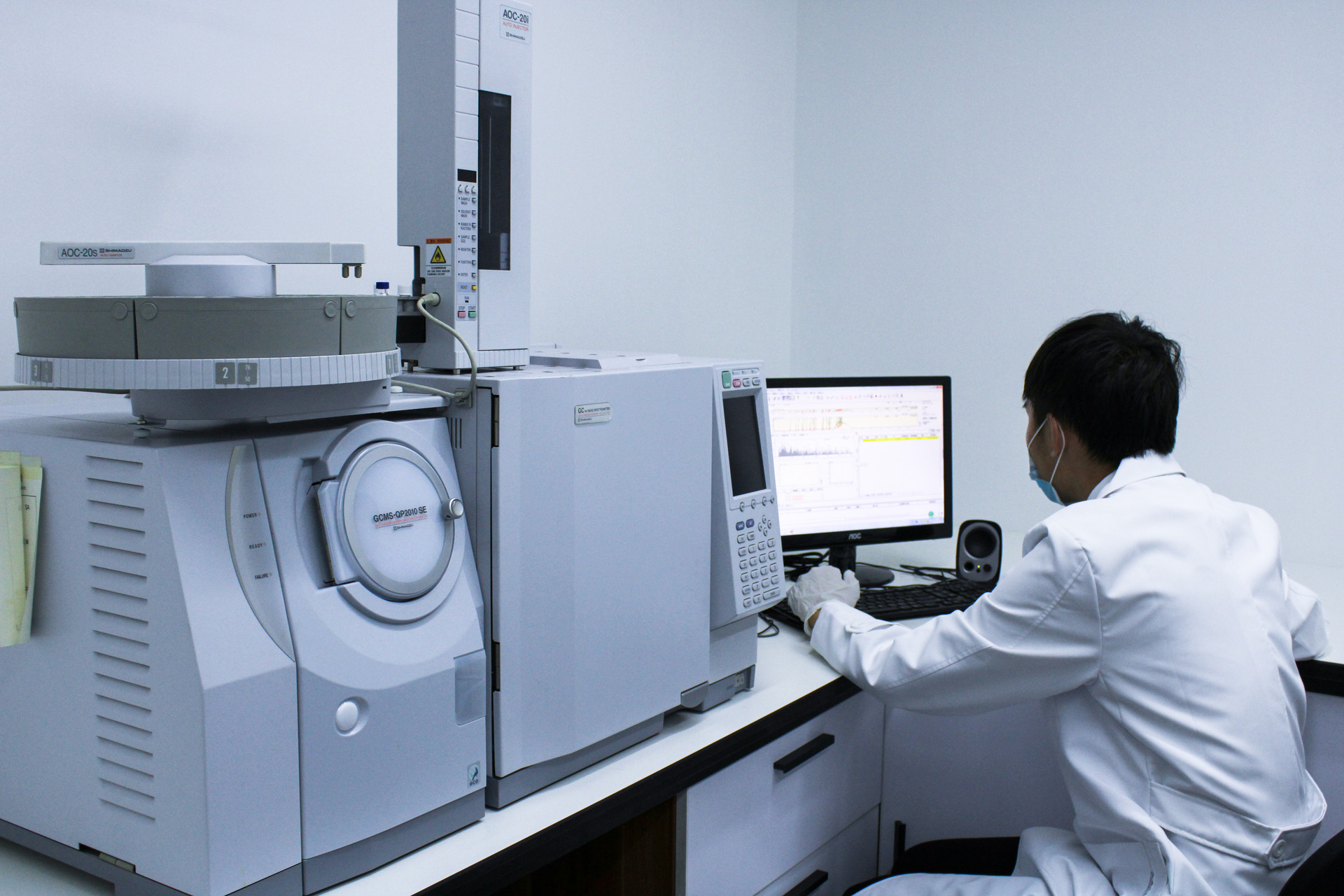
Each heat batch of alloys—such as Inconel 625, Hastelloy C-22, Stellite 21, and Nimonic 90—is subjected to chemical composition verification via spectrometric analysis. Microstructural evaluation confirms proper solidification morphology, grain boundary cleanliness, and absence of segregation. For single-crystal or directionally solidified components, superalloy directional casting ensures grain alignment, which is critical to the longevity of valve stems and seats under thermal stress.
Post-Process Enhancement and Heat Stability Testing
Mechanical property consistency is achieved through heat treatment and hot isostatic pressing (HIP), which eliminates porosity and refines the microstructure to provide superior fatigue strength. Surface finishing and wear resistance are further enhanced with superalloy welding for seat hardfacing and thermal barrier coatings where elevated temperature flow control is required.
Functional Testing and Application-Specific Validation
Functional evaluation simulates real service conditions, including thermal cycling, corrosion, and high-pressure endurance. Flow testing verifies valve coefficient (Cv), leakage performance, and actuation response. Components designed for use in oil and gas systems, power generation, and chemical processing undergo stringent environmental compatibility testing to validate their performance under corrosive, erosive, and thermal extremes. Precision superalloy equiaxed crystal casting is frequently used for parts requiring uniform isotropic strength across multi-directional loads in these sectors.
Continuous Improvement Through Data and Process Control
Manufacturers integrate Statistical Process Control (SPC) across machining and assembly operations, supported by digital traceability of furnace logs, inspection records, and non-destructive test results. Every valve assembly is serialized to ensure full traceability from the alloy batch to final inspection, guaranteeing compliance with API, ASME, and ISO standards demanded by critical flow-control industries.