What are the main benefits of using superalloys in valve assemblies?
Exceptional Strength and Creep Resistance
Superalloys are engineered to maintain high mechanical strength and stability at elevated temperatures, making them ideal for valves that regulate the flow of steam, gas, or aggressive fluids under extreme conditions. Using advanced manufacturing routes such as vacuum investment casting, superalloy directional casting, and superalloy precision forging, valve bodies and trim components achieve outstanding resistance to deformation and creep, ensuring consistent sealing and dimensional accuracy during continuous operation in turbines, reactors, and process lines.
Superior Corrosion and Oxidation Resistance
In corrosive or oxidizing environments, such as those found in power generation, chemical processing, and oil and gas systems, valves are exposed to acids, chlorides, and high-temperature gases. Alloys like Hastelloy C-276, Inconel 625, and Monel K500 provide exceptional protection against pitting, crevice, and intergranular corrosion. For high-temperature oxidation environments, Nimonic 105 and Rene 80 maintain surface stability and mechanical reliability over thousands of operating cycles.
Enhanced Wear and Erosion Resistance
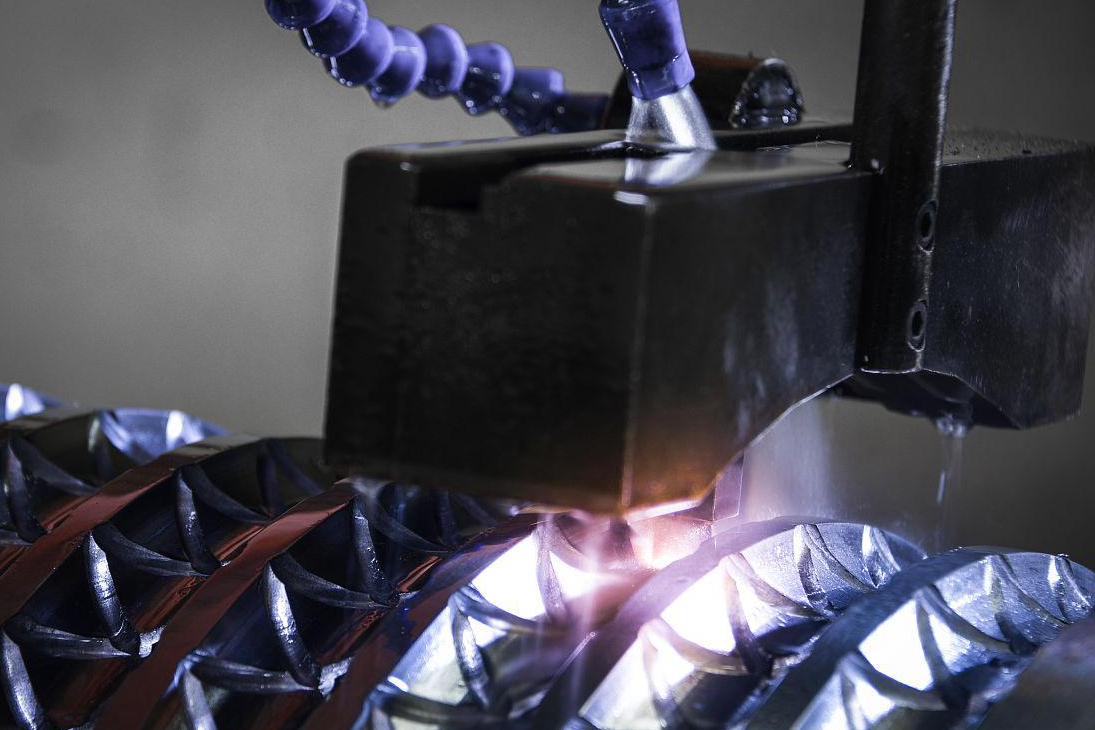
Valve seats, stems, and discs are subjected to continuous impact and erosion from abrasive fluids or high-velocity gases. Cobalt-based alloys such as Stellite 6 and Stellite 21 are frequently used to hardface contact surfaces. When combined with hot isostatic pressing (HIP) and superalloy CNC machining, these materials provide long-term erosion resistance and eliminate micro-porosity that can lead to premature leakage.
Precision Processing and Lifecycle Reliability
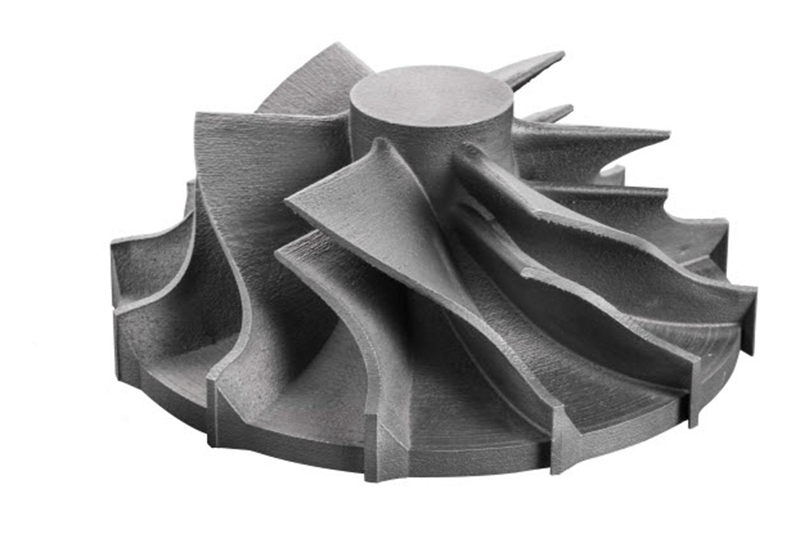
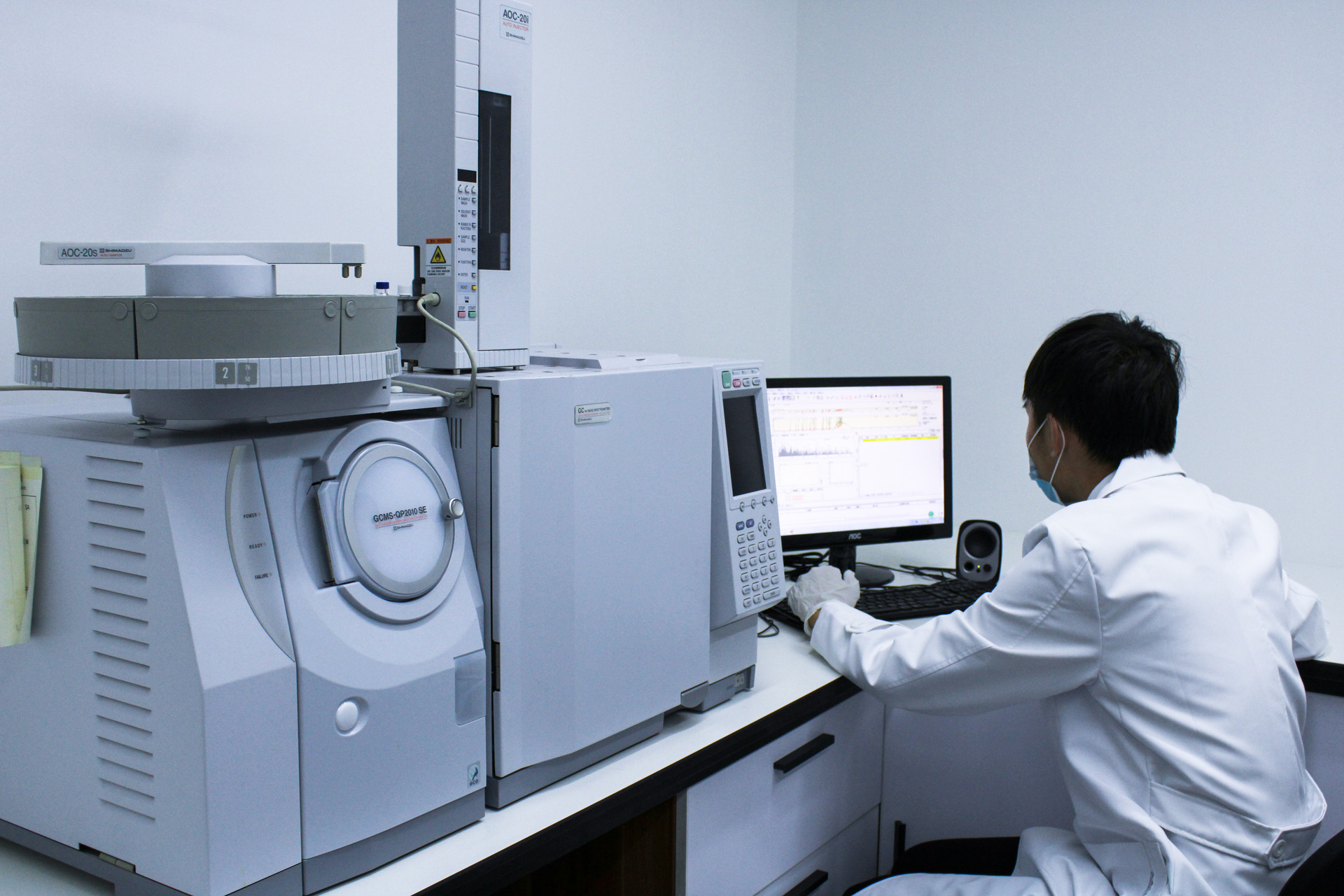
Advanced processes such as superalloy post-process treatment, heat treatment, and material testing and analysis ensure that every valve component meets exact metallurgical specifications. This precision is critical for applications in energy and nuclear sectors, where failure tolerance is near zero. Furthermore, integrating additive routes like superalloy 3D printing enables rapid prototyping of complex valve geometries before final production, accelerating testing and qualification cycles.
Performance and Longevity in Critical Environments
Superalloy valve assemblies provide unmatched reliability across various industrial sectors, including aerospace, marine, and heavy manufacturing. Their ability to retain hardness, resist scaling, and maintain integrity under combined stress, temperature, and corrosion loads ensures long service life and minimal maintenance intervals—directly reducing downtime and total lifecycle costs.