What are the most common superalloys used for valve components?
Introduction
Valve components in aerospace, power generation, and chemical processing industries operate under extreme temperature and corrosive conditions. Superalloys are therefore indispensable for manufacturing these parts, offering excellent mechanical strength, oxidation resistance, and structural stability. The selection of a specific alloy depends on the fluid medium, operating temperature, and pressure requirements.
Key Manufacturing Processes for Superalloy Valves
For high-performance valve production, advanced processes ensure precision and material integrity. The most widely used include:
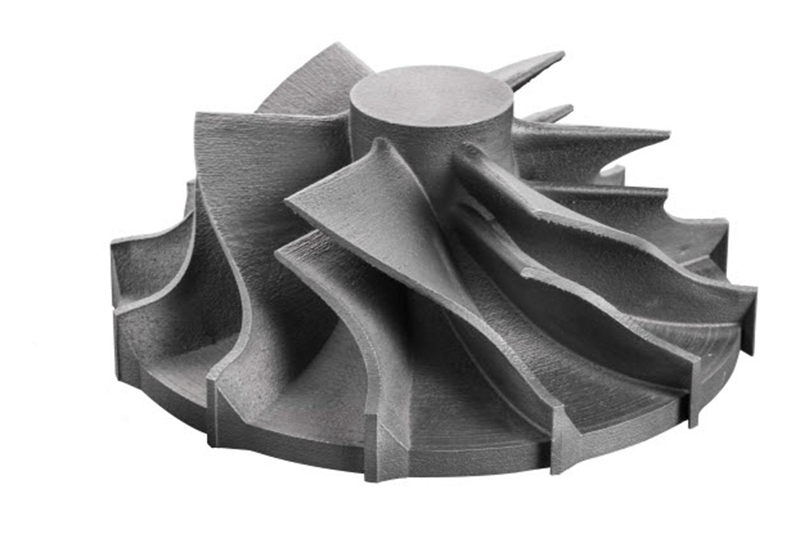
Vacuum Investment Casting – ensures dense, defect-free valve bodies.
Superalloy Equiaxed Crystal Casting – ideal for complex valve geometries.
Superalloy Directional Casting – provides grain orientation for improved creep strength.
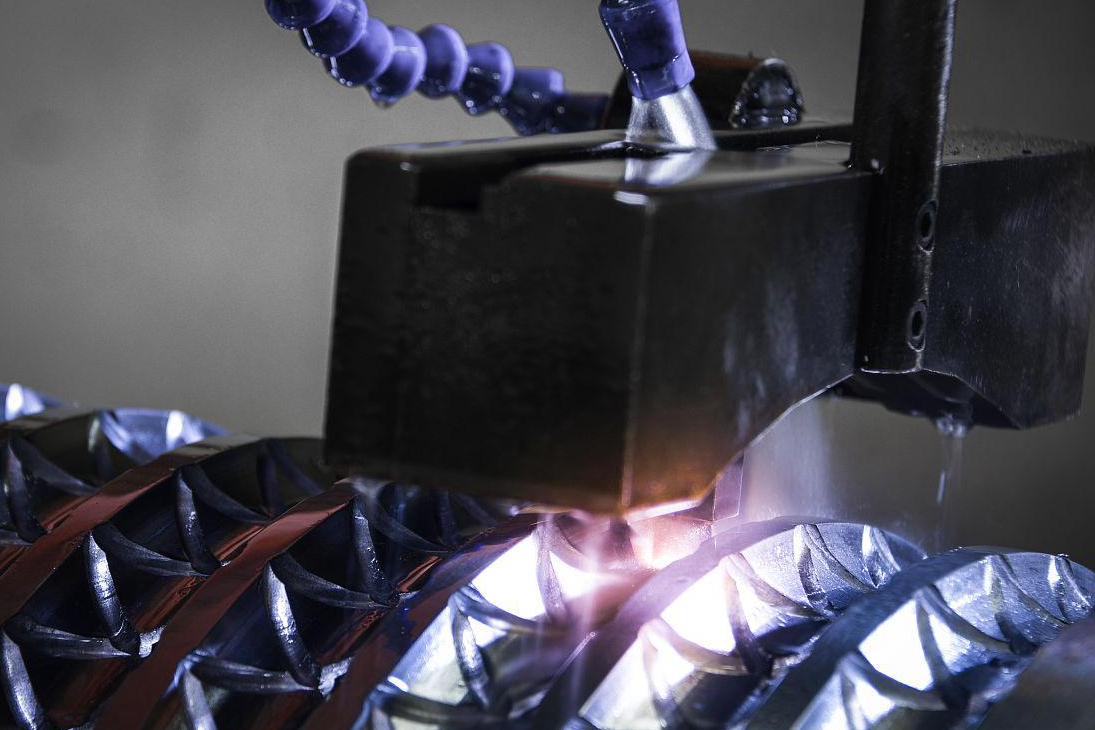
Superalloy Precision Forging – enhances fatigue resistance and mechanical properties.
Powder Metallurgy Turbine Disc – used for specialized high-stress valve seats and stems.
Each process supports tight dimensional control, which is critical for sealing performance and longevity in superalloy valve applications.
Post-Processing and Surface Treatment
After casting or forging, valve components undergo treatments to optimize microstructure and corrosion resistance. Common steps include:
Hot Isostatic Pressing (HIP) to eliminate internal porosity and increase density.
Thermal Barrier Coating (TBC) for improved oxidation protection and thermal insulation.
These processes extend component life, especially in valves operating in combustion or oxidizing environments.
Common Superalloys for Valve Manufacturing
Superalloys chosen for valve components must resist corrosion, scaling, and thermal fatigue. The following materials are widely used across industries:
Inconel 625 – superior resistance to acids and seawater, suitable for chemical and marine valves.
Hastelloy C-276 – offers excellent performance in oxidizing and reducing conditions.
Monel K500 – ideal for oil and gas valves due to its toughness and corrosion resistance.
Stellite 6B – preferred for valve seats and discs requiring wear resistance.
Nimonic 90 – maintains mechanical integrity under high thermal loads in aerospace valves.
For extreme performance demands, single-crystal materials such as CMSX-4 or Rene 77 may also be used to improve fatigue resistance.
Industrial Applications of Superalloy Valves
Superalloy valves serve across multiple high-demand sectors:
Aerospace and Aviation – for turbine bleed and fuel control systems.
Power Generation – handling superheated steam and gas turbine circuits.
Oil and Gas – used in high-pressure corrosive fluid regulation.
Each industry leverages specific alloy properties to strike a balance between cost, machinability, and service life.
Conclusion
Superalloys such as Inconel, Hastelloy, Monel, Stellite, and Nimonic remain the industry standards for valve manufacturing, providing unmatched durability and corrosion resistance under extreme conditions. Combined with precise casting, forging, and advanced surface treatments, these materials ensure reliability and safety in critical applications.