Qu'est-ce qui rend le Nimonic 80A adapté à l'impression 3D SLM pour les applications à haute tempéra...
Résistance à haute température et au fluage
Le Nimonic 80A conserve une excellente résistance et une grande résistance à la déformation par fluage à des températures dépassant 800 °C, ce qui le rend idéal pour les aubes de turbine, les composants d'échappement et les structures d'isolation thermique. La solidification rapide du SLM affine la microstructure du Nimonic 80A, améliorant la stabilité des phases et soutenant les performances à long terme dans les environnements chauds typiques des systèmes aérospatial et aéronautique.
Stabilité pendant le traitement additif
Comparé à d'autres alliages à base de nickel, le Nimonic 80A offre une bonne imprimabilité en SLM avec une sensibilité limitée à la fissuration à chaud. Son retrait thermique et sa composition gérables le rendent bien adapté à la fusion couche par couche, assurant des bains de fusion stables et une distorsion réduite lors de la fabrication de pièces complexes.
Avantages du post-traitement
Après l'impression SLM, le Nimonic 80A répond bien aux procédures de traitement thermique et de vieillissement pour optimiser la précipitation γ′ et améliorer la résistance à haute température. Si nécessaire, le HIP peut éliminer la porosité et améliorer la résistance à la fatigue pour les composants rotatifs critiques.
Application dans les secteurs à haute contrainte
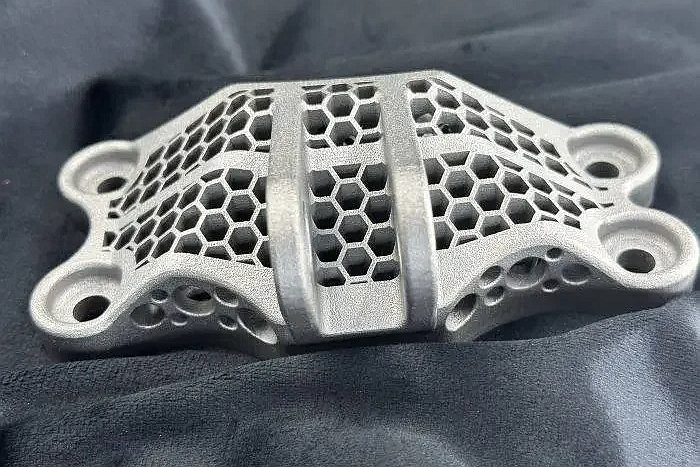
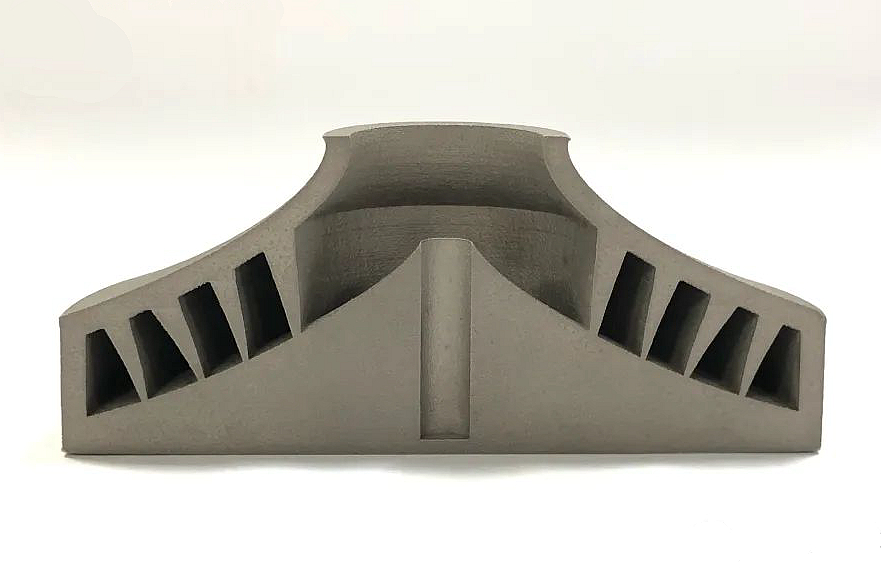
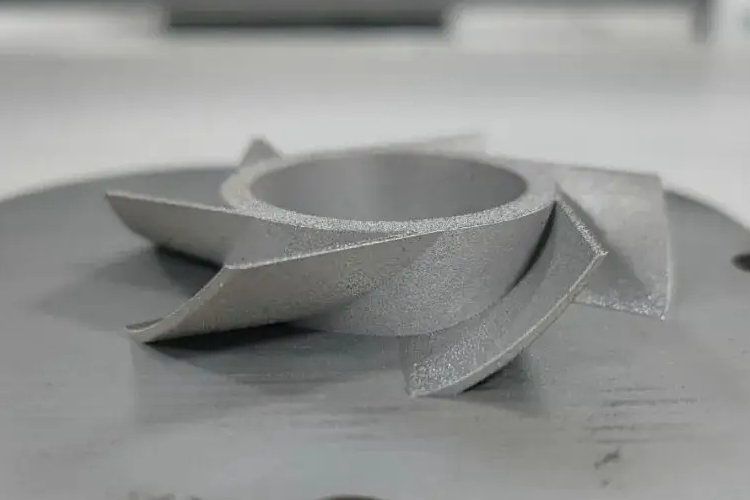
La stabilité thermique et la durabilité mécanique de l'alliage le rendent idéal pour les chambres de combustion, les étages de turbine et les composants de gaz chaud utilisés dans les applications de production d'énergie et pétrole et gaz. Grâce au SLM, des pièces de forme quasi-nette peuvent être produites avec des canaux de refroidissement internes et des structures optimisées en poids que les procédés traditionnels ont du mal à réaliser.