
Piezas de aleación de alta gama para proveedores de sistemas de energía de hidrógeno y pilas de comb...
Introducción a las piezas de superaleación para pilas de combustible
En los últimos años, la demanda de soluciones energéticas limpias y sostenibles ha impulsado avances significativos en la tecnología de pilas de combustible. Las pilas de combustible de hidrógeno, en particular, han ganado atención como una fuente de energía alternativa para diversas industrias, incluidas la automotriz, la aeroespacial y la generación de energía. Estas pilas de combustible dependen de componentes altamente ingenierizados fabricados con materiales avanzados como las superaleaciones. Las piezas de superaleación, con su excepcional resistencia a altas temperaturas, resistencia a la corrosión y durabilidad, son críticas para garantizar la fiabilidad y eficiencia de los sistemas de pilas de combustible. Este blog examina el papel de las piezas de aleación de alta gama en los sistemas de energía de hidrógeno y pilas de combustible, los procesos de fabricación típicos empleados para producirlas y las técnicas de prueba y postprocesamiento necesarias para asegurar la calidad y el rendimiento.
La tecnología de pilas de combustible convierte la energía química del hidrógeno u otros combustibles directamente en energía eléctrica mediante un proceso electroquímico, siendo el agua y el calor los subproductos principales. Las pilas de combustible se consideran cada vez más como una solución viable para reducir las emisiones de gases de efecto invernadero, particularmente en sectores como el transporte, la generación de energía estacionaria y los dispositivos portátiles.
Los sistemas de pilas de combustible comprenden varios componentes, incluidos electrodos, separadores e interconectores, todos los cuales deben construirse con materiales capaces de soportar condiciones operativas extremas. Estos componentes están expuestos a altas temperaturas, entornos químicos agresivos y tensiones mecánicas, lo que hace crucial la elección del material. Es aquí donde entran en juego las superaleaciones.
Las superaleaciones, especialmente las aleaciones base níquel, son el material elegido para los componentes de las pilas de combustible debido a su excepcional resistencia a altas temperaturas, resistencia a la oxidación y durabilidad. Son particularmente adecuadas para las pilas de combustible de hidrógeno, que operan a temperaturas de 600–1000 °C, requiriendo materiales que puedan mantener la integridad mecánica bajo tales condiciones extremas. Las piezas de superaleación se utilizan en componentes críticos como pilas de celdas de combustible, turbocompresores, colectores y estructuras de soporte de pilas de combustible, asegurando que estos sistemas operen de manera eficiente y fiable.
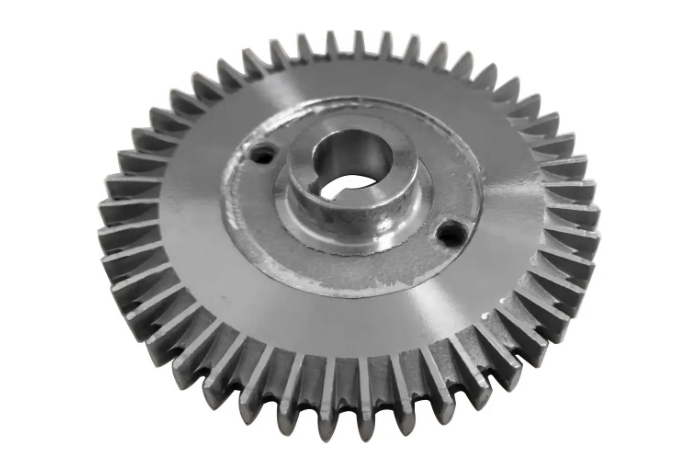
Superaleaciones típicas utilizadas en la fabricación de piezas de superaleación para pilas de combustible
Las superaleaciones se clasifican según su composición, que típicamente incluye una combinación de níquel, cobalto, hierro y otros elementos de aleación, como cromo, molibdeno y aluminio. La composición y estructura específicas de una superaleación determinan su rendimiento en aplicaciones de alta temperatura.
Aleaciones Inconel
Inconel es una de las familias de superaleaciones más utilizadas en componentes de pilas de combustible. Las aleaciones Inconel base níquel, como Inconel 718 e Inconel 625, son reconocidas por su excepcional resistencia a la oxidación, alta resistencia a temperaturas elevadas y capacidad para mantener la integridad estructural bajo tensión. Las aleaciones Inconel son especialmente efectivas en entornos que requieren resistencia tanto al calor intenso como a gases corrosivos, lo que las hace ideales para componentes como colectores de pilas de combustible, sistemas de escape y estructuras de soporte.
Aleaciones Hastelloy
Las aleaciones Hastelloy, notablemente Hastelloy X y Hastelloy C-276, exhiben alta resistencia a la oxidación, corrosión y picaduras. Estas aleaciones se utilizan comúnmente en aplicaciones donde la exposición a entornos hostiles, como gas hidrógeno, ácido sulfúrico o sales de cloruro, es frecuente. Hastelloy X, por ejemplo, es una opción común para componentes de alta temperatura en pilas de combustible, como cámaras de combustión, debido a su excelente resistencia a altas temperaturas y a la oxidación.
Aleaciones Nimonic
Las aleaciones Nimonic, como Nimonic 80A, son otra superaleación base níquel utilizada en aplicaciones de pilas de combustible. Estas aleaciones tienen buena resistencia a altas temperaturas y excelente resistencia a la fluencia, lo que las hace muy adecuadas para uso prolongado en componentes expuestos a temperaturas extremas. A menudo se utilizan en motores de turbinas y son beneficiosas en sistemas de pilas de combustible que requieren estabilidad térmica y resistencia mecánica a altas temperaturas de operación.
Estas superaleaciones proporcionan la base para componentes de pilas de combustible de alto rendimiento, asegurando que las pilas de combustible operen eficientemente y duren más en entornos exigentes. La selección de materiales, como Inconel, Hastelloy y Nimonic, garantiza fiabilidad, durabilidad y mantenimiento mínimo, contribuyendo así a la eficiencia general y sostenibilidad de los sistemas de pilas de combustible.
Proceso de fabricación y equipo de piezas de superaleación para pilas de combustible
La fabricación de piezas de superaleación para pilas de combustible implica una variedad de técnicas avanzadas de fundición, conformado y mecanizado para lograr las propiedades materiales requeridas y geometrías complejas. El proceso de fabricación debe garantizar alta precisión y calidad para cumplir con los estrictos requisitos de las aplicaciones de pilas de combustible. A continuación se presentan los procesos de fabricación típicos utilizados para piezas de superaleación para pilas de combustible.
Fundición de precisión al vacío
La fundición de precisión al vacío es uno de los métodos más comunes para fabricar piezas hechas de superaleaciones para pilas de combustible. Este proceso es particularmente efectivo para producir componentes con formas complejas y detalles finos. El proceso comienza con la creación de un patrón de cera de la pieza deseada recubierto con una carcasa cerámica. La cera se funde y la carcasa se llena con superaleación fundida bajo vacío para prevenir la oxidación. Este proceso permite la creación de piezas intrincadas de alta precisión que son cruciales en los sistemas de pilas de combustible.
Fundición de monocristal
La fundición de monocristal produce piezas que requieren propiedades mecánicas óptimas en entornos de alta tensión y alta temperatura. En las pilas de combustible, la fundición de monocristal se utiliza para fabricar álabes de turbina, interconectores y otros componentes con estructuras de grano uniformes para un rendimiento superior. Este método ayuda a eliminar los límites de grano, que pueden actuar como puntos de falla en el material, aumentando así su resistencia y durabilidad.
Fundición direccional de superaleaciones
La fundición direccional de superaleaciones implica enfriar la superaleación fundida de manera controlada para crear una microestructura específica con granos alineados. Este método se utiliza a menudo en álabes de turbina y otros componentes que experimentan altas tensiones térmicas. La fundición direccional mejora la resistencia a la fluencia y el rendimiento mecánico general, haciéndola adecuada para piezas de pilas de combustible de alto rendimiento sometidas a condiciones extremas.
Metalurgia de polvos de superaleaciones
La metalurgia de polvos es otro proceso de fabricación efectivo para componentes de pilas de combustible. Este método implica comprimir polvos metálicos finos en un molde y luego sinterizar el material a altas temperaturas para formar piezas sólidas. El proceso permite la creación de formas intrincadas y detalles finos con un desperdicio mínimo de material, lo cual es particularmente beneficioso para componentes complejos de pilas de combustible.
Forjado de superaleaciones y mecanizado CNC
Una vez fundidas o sinterizadas, las piezas de superaleación a menudo se someten a forjado para refinar aún más sus propiedades mecánicas, particularmente en términos de resistencia y resistencia a la fatiga. El mecanizado CNC, especialmente con centros CNC avanzados de 5 ejes, logra las tolerancias ajustadas y el acabado superficial requeridos para las piezas de pilas de combustible. Estos procesos aseguran que los componentes estén conformados con precisión para encajar juntos y funcionar de manera fiable en el sistema de pilas de combustible.
Fabricación aditiva (SLM y WAAM)
Las tecnologías de fabricación aditiva, como la Fusión Selectiva por Láser (SLM) y la Fabricación Aditiva con Alambre y Arco (WAAM), se utilizan cada vez más para fabricar piezas de pilas de combustible. SLM utiliza un láser para fundir capas delicadas de polvo metálico y construir piezas capa por capa, produciendo piezas altamente complejas y personalizadas. WAAM, por otro lado, utiliza un alimentador de alambre para depositar metal fundido y es particularmente adecuado para producir componentes estructurales significativos con alta resistencia del material. Estos procesos de fabricación aditiva permiten el prototipado rápido y la producción de componentes de pilas de combustible con geometrías complejas que serían difíciles o imposibles de lograr mediante métodos de fundición tradicionales.
Métodos de prueba y equipo en el control de calidad de piezas de superaleación para pilas de combustible
Es necesario realizar pruebas exhaustivas para garantizar el rendimiento y la longevidad de las piezas de superaleación en los sistemas de pilas de combustible. Las piezas de superaleación para pilas de combustible deben someterse a varias pruebas de control de calidad (QC) para verificar sus propiedades mecánicas, térmicas y químicas. A continuación se presentan algunos de los métodos de prueba críticos utilizados en el QC de componentes de pilas de combustible.
Pruebas mecánicas
Las pruebas mecánicas, incluyendo resistencia a la tracción, dureza y fatiga, son cruciales para evaluar la capacidad de un material para soportar tensiones mecánicas. Estas pruebas ayudan a evaluar la resistencia, flexibilidad y durabilidad de las piezas de superaleación, asegurando que puedan funcionar bajo condiciones extremas en aplicaciones de pilas de combustible. Las pruebas mecánicas son cruciales para determinar la resistencia de los materiales bajo cargas dinámicas.
Pruebas térmicas
Las piezas de pilas de combustible deben poder mantener sus propiedades mecánicas a altas temperaturas. Las pruebas térmicas, incluidas las pruebas de fluencia y ciclos térmicos, ayudan a evaluar la capacidad del material para resistir la deformación y la falla a temperaturas elevadas. Las pruebas de estabilidad térmica, conductividad térmica y expansión por calor también son esenciales para determinar cómo se desempeñan las piezas en condiciones del mundo real, particularmente en sistemas de pilas de combustible de alta temperatura.
Pruebas de corrosión y oxidación
Los componentes de las pilas de combustible están expuestos a gases agresivos, incluidos hidrógeno y oxígeno, que pueden conducir a la oxidación y corrosión con el tiempo. Las pruebas de resistencia a la corrosión, como las pruebas de rocío salino e inmersión, evalúan la capacidad de las piezas de superaleación para resistir la degradación en estos entornos hostiles. Garantizar que las piezas de las pilas de combustible mantengan su integridad con el tiempo es crítico para el rendimiento a largo plazo del sistema, particularmente en pilas de combustible expuestas a entornos altamente corrosivos.
Análisis microestructural
El análisis microestructural, utilizando herramientas como microscopios electrónicos de barrido (SEM) y difracción de rayos X, es crucial para comprender la estructura interna del material e identificar cualquier defecto o inconsistencia que pueda impactar su rendimiento. Este análisis ayuda a asegurar que la aleación tenga la microestructura deseada y esté libre de defectos como porosidad, grietas o inclusiones. El SEM proporciona información detallada sobre la estructura del grano y la distribución de fases.
Industrias y aplicaciones de las piezas de superaleación para pilas de combustible
Las piezas de superaleación para pilas de combustible tienen una amplia gama de aplicaciones en varias industrias. Su capacidad para funcionar bajo condiciones de alta temperatura y alta tensión las hace invaluable en los siguientes sectores:
Industria Automotriz: Los vehículos de pila de combustible (FCV) utilizan pilas de combustible de hidrógeno como alternativa a los motores de combustión interna tradicionales. Las piezas de superaleación se utilizan en pilas de celdas de combustible, turbocompresores y sistemas de escape para garantizar eficiencia y longevidad.
Aeroespacial y Aviación: Las pilas de combustible de hidrógeno también se están explorando como una posible fuente de energía para aeronaves. Se requieren componentes de superaleación de alto rendimiento para los sistemas de pilas de combustible utilizados en aviación, donde el peso, la fiabilidad y el rendimiento son primordiales.
Energía y Generación de Energía: Las pilas de combustible se utilizan cada vez más en sistemas estacionarios. Las piezas de superaleación se utilizan en pilas de celdas de combustible y estructuras de soporte para asegurar que estos sistemas puedan operar eficientemente durante períodos prolongados.
Militar y Defensa: Las pilas de combustible de hidrógeno están ganando interés en aplicaciones de defensa debido a su capacidad para proporcionar una fuente de energía fiable y silenciosa para plataformas móviles. Las piezas de superaleación se utilizan en pilas de combustible para aplicaciones militares, donde el rendimiento y la durabilidad son críticos.
Postprocesamiento típico de las piezas de superaleación para pilas de combustible
Las técnicas de postprocesamiento son cruciales para mejorar las propiedades mecánicas y el acabado superficial de los componentes de superaleación para pilas de combustible. Los métodos estándar de postprocesamiento incluyen:
Tratamiento Térmico: Los procesos de tratamiento térmico, como el recocido y el temple, mejoran la resistencia, dureza y elasticidad de las piezas de superaleación. Este proceso ayuda a aliviar las tensiones internas, optimizar la estructura del grano y mejorar las propiedades del material.
Prensado Isostático en Caliente (HIP): El Prensado Isostático en Caliente (HIP) se utiliza para eliminar la porosidad y mejorar la densidad de las piezas de superaleación. Aplica alta presión y temperatura al material, ayudando a eliminar cualquier gas atrapado o vacíos y asegurando que las piezas tengan las propiedades mecánicas deseadas.
Recubrimientos de Barrera Térmica (TBC): Los recubrimientos de barrera térmica se aplican a las piezas de superaleación para mejorar su resistencia a la oxidación y corrosión a altas temperaturas. Los TBC son especialmente importantes para las piezas expuestas a temperaturas extremas, ya que proporcionan protección adicional y mejoran el rendimiento general.
Prototipado rápido y verificación de piezas de superaleación para pilas de combustible
El prototipado rápido y la verificación son pasos críticos en el desarrollo de componentes de pilas de combustible. Los fabricantes pueden producir rápidamente piezas prototipo para pruebas y validación utilizando tecnologías como la impresión 3D (por ejemplo, SLM y WAAM) y el mecanizado CNC. Verificar la funcionalidad y el rendimiento de estos prototipos antes de la producción en masa asegura que las piezas finales cumplan con las especificaciones requeridas y funcionen de manera óptima en aplicaciones del mundo real.
Preguntas Frecuentes (FAQs)
