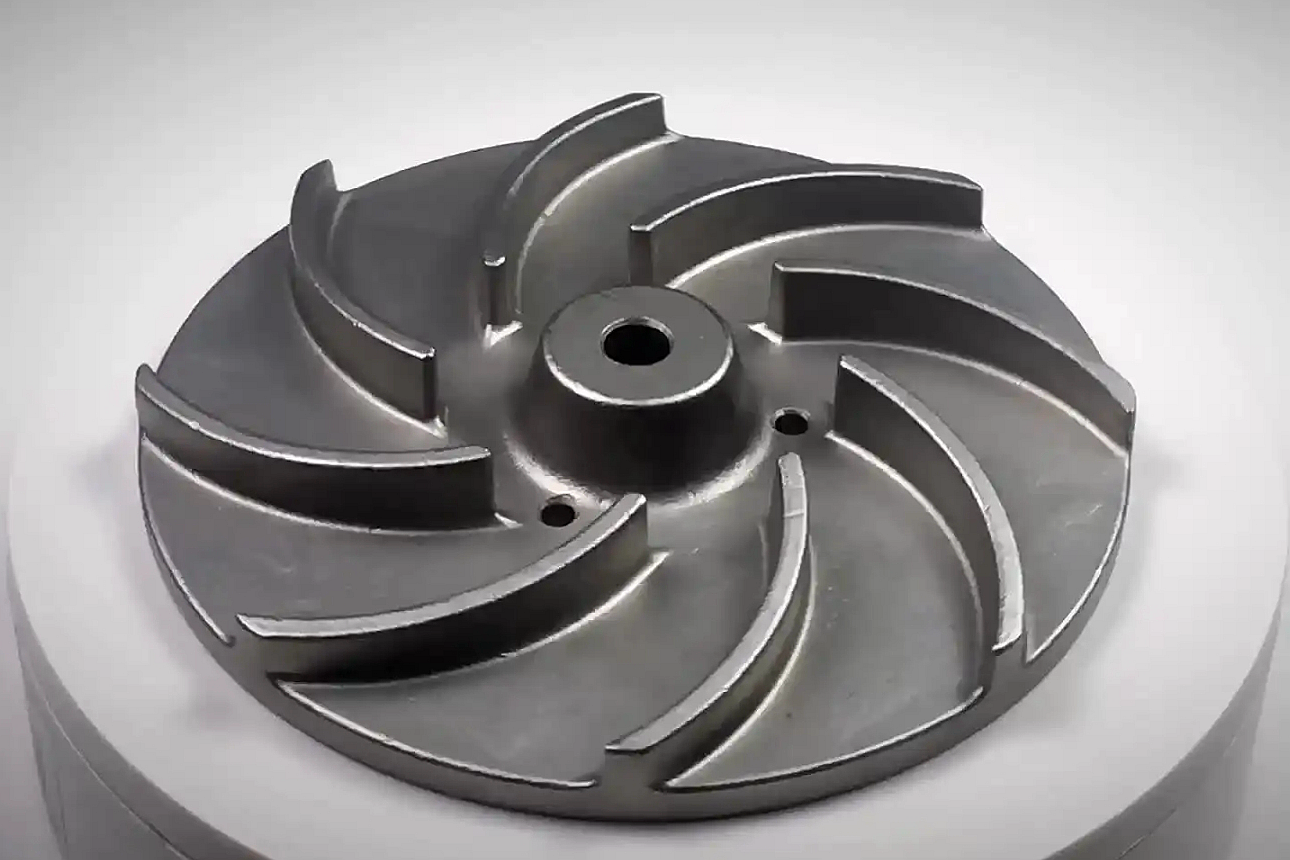
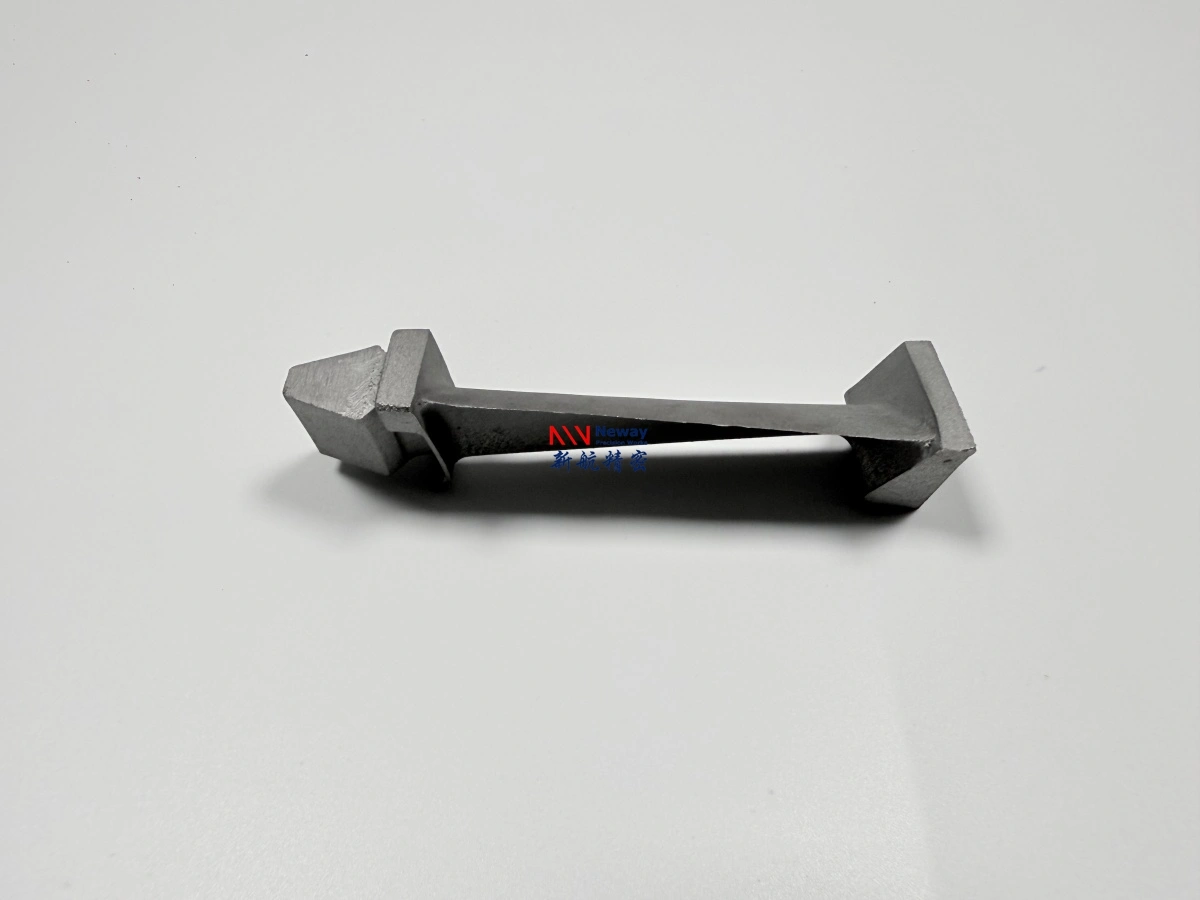
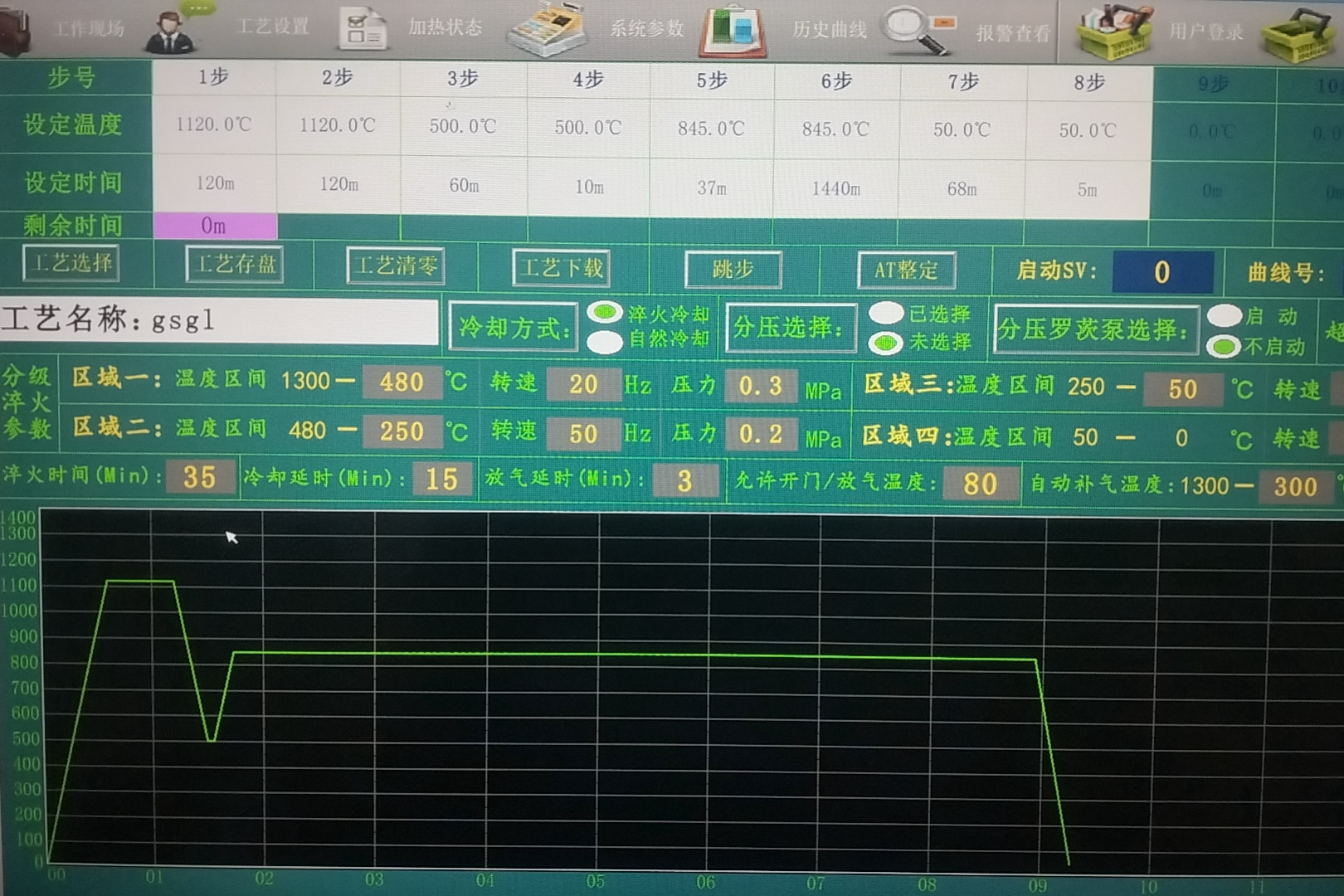
Was ist isothermes Schmieden von Hochtemperaturlegierungen?
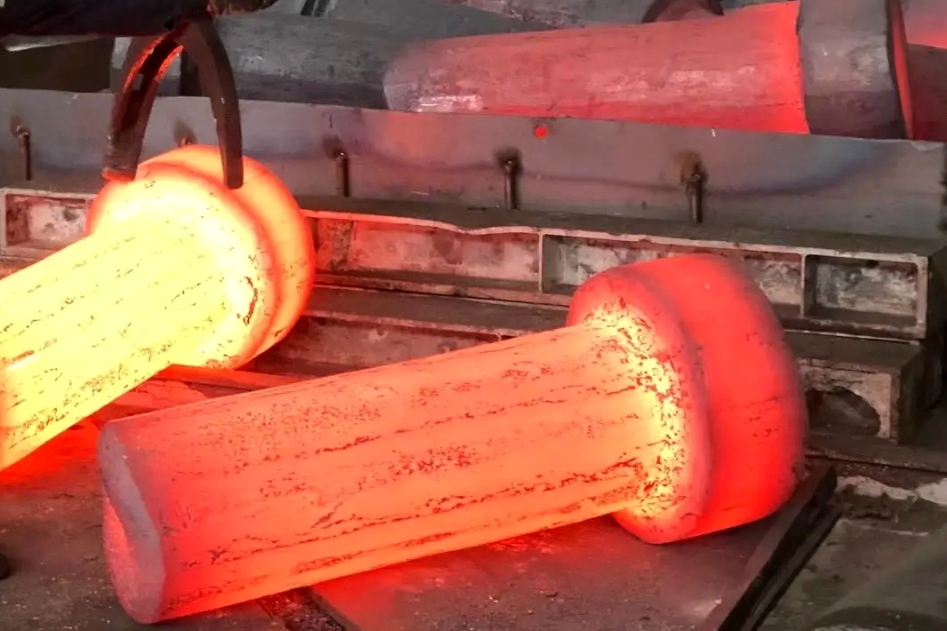
Isothermisches Schmieden ist ein spezialisiertes Metallumformungsverfahren, das häufig zur Herstellung von Komponenten aus Hochtemperaturlegierungen wie Inconel, Hastelloy und CMSX-Legierungen eingesetzt wird. Diese Legierungen werden häufig in der Luft- und Raumfahrt, der Energieerzeugung und der Verteidigungsindustrie eingesetzt, wo hohe Leistung unter extremen Bedingungen erforderlich ist. Der Schmiedeprozess umfasst das Umformen von Metallen durch Wärme und Druck, wobei das isothermische Schmieden durch eine präzise Temperaturregelung gekennzeichnet ist. Dadurch entstehen Bauteile mit verbesserten mechanischen Eigenschaften, was sie besonders für Anwendungen in hochbelasteten Umgebungen geeignet macht.
Dieser Blog beleuchtet den Prozess des isothermischen Schmiedens, seine entscheidende Bedeutung für Hochtemperaturlegierungen und seinen Beitrag zur Herstellung hochwertiger Komponenten, die extremen Betriebsbedingungen standhalten können.
Die Wissenschaft hinter dem isothermischen Schmieden
Isothermisches Schmieden ist ein hochkontrolliertes Verfahren, bei dem das Werkstück und das Gesenk während des gesamten Prozesses auf derselben erhöhten Temperatur gehalten werden. Im Gegensatz zu konventionellen Schmiedeverfahren, bei denen die Gesenktemperatur niedriger ist, sorgt das isothermische Schmieden für Temperaturgleichmäßigkeit, was Defekte wie Spannungen und Risse reduziert. Die konstante Temperaturregelung stellt sicher, dass die Legierung in einem superplastischen Zustand bleibt, wodurch große Umformungen ohne Rissbildung möglich sind und präzise Formen sowie hervorragende Oberflächenqualitäten erzielt werden.
Dieses Schmiedeverfahren ist besonders vorteilhaft für Hochtemperaturlegierungen und erzeugt Komponenten mit außergewöhnlicher Festigkeit, Haltbarkeit und Ermüdungsbeständigkeit. Isothermisches Schmieden bewahrt die Integrität des Werkstoffs und macht ihn geeignet für Bauteile wie Turbinenschaufeln, die unter extremen thermischen und mechanischen Bedingungen arbeiten.
Warum isothermisches Schmieden für Hochtemperaturlegierungen?
Hochtemperaturlegierungen wie Nimonic und Rene-Legierungen sind dafür ausgelegt, unter extremen thermischen und mechanischen Belastungen zu arbeiten. Ihre Zusammensetzung, typischerweise mit hohem Anteil an Nickel, Kobalt und Chrom, verleiht ihnen ausgezeichnete thermische Stabilität und Oxidationsbeständigkeit. Diese Eigenschaften machen sie ideal für Gasturbinen, Strahltriebwerke, Kernreaktoren und andere hochbelastete Umgebungen. Ihre geringe Verformbarkeit erschwert jedoch den Einsatz konventioneller Schmiedeverfahren.
Beim isothermischen Schmieden hält die konstant hohe Temperatur die Legierung in einem besser verformbaren Zustand, wodurch Defekte wie Rissbildung oder ungleichmäßige Korngrößen vermieden werden. Das Ergebnis sind Komponenten mit hervorragender Kriechfestigkeit und mechanischen Eigenschaften, weshalb isothermisches Schmieden für Superlegierungskomponenten bevorzugt wird.
Der Prozess des isothermischen Schmiedens Schritt für Schritt
Der Prozess des isothermischen Schmiedens umfasst mehrere sorgfältig kontrollierte Schritte, um sicherzustellen, dass das Endprodukt die anspruchsvollen Anforderungen von Hochtemperaturlegierungsanwendungen erfüllt.
1. Vorbereitung des Gesenks und der Legierungsmaterialien
Der Prozess beginnt mit der Vorbereitung sowohl des Gesenks als auch des Legierungswerkstücks. Das Gesenk wird exakt in der gewünschten Form des Bauteils ausgelegt und aus einem Werkstoff hergestellt, der hohen Temperaturen und wiederholter Nutzung standhält. Das Werkstück wird auf eine für die jeweilige Legierung geeignete Temperatur erhitzt, beispielsweise bei CMSX-4, sodass die Materialeigenschaften konstant bleiben.
2. Erhitzen auf Schmiedetemperatur
Werkstück und Gesenk werden auf dieselbe Zieltemperatur erhitzt, die zwischen 900 °C und 1250 °C liegen kann. Beispielsweise erfordert Inconel 718 eine präzise Temperaturhaltung, da isothermisches Schmieden die Materialgleichmäßigkeit und Festigkeit während des gesamten Schmiedeprozesses sicherstellt.
3. Schmiedeprozess
Sobald die Komponenten die Zieltemperatur erreicht haben, wird das Werkstück in das erhitzte Gesenk eingelegt und Druck aufgebracht. Das isothermische Schmieden erfolgt mit kontinuierlicher Druckbeaufschlagung, sodass sich das Material plastisch verformen kann, ohne zu reißen. Diese Technik stellt sicher, dass die Kornstruktur erhalten bleibt, was für Komponenten wie Turbinenscheiben von entscheidender Bedeutung ist.
4. Abkühlung und Nachbearbeitung
Nach dem Schmieden ist eine kontrollierte Abkühlung entscheidend, um die gleichmäßige Kornstruktur der Komponente zu erhalten. Je nach Anforderung können zusätzliche Nachbearbeitungsschritte wie Wärmebehandlung oder CNC-Bearbeitung erforderlich sein, um die Komponente auf ihr Endmaß zu bringen.
Wesentliche Vorteile des isothermischen Schmiedens
Isothermisches Schmieden bietet zahlreiche Vorteile für Komponenten aus Hochtemperaturlegierungen in anspruchsvollen Industrien.
1. Gleichmäßige Kornstruktur
Die konstante Temperatur während des Schmiedens erzeugt eine gleichmäßige Kornstruktur, was zu Bauteilen mit überlegenen mechanischen Eigenschaften und verbesserter Ermüdungsbeständigkeit führt.
2. Reduzierte Defekte
Durch die konstante Temperatur minimiert das isothermische Schmieden Defekte wie Porosität und Eigenspannungen. Dies gewährleistet eine bessere Kontrolle des Materialflusses und reduziert Fehler in kritischen Komponenten wie Turbinenschaufeln für die Luft- und Raumfahrt.
3. Verbesserte mechanische Eigenschaften
Bauteile, die mit dem isothermischen Verfahren geschmiedet werden, weisen verbesserte mechanische Eigenschaften auf, darunter höhere Zugfestigkeit und Kriechfestigkeit, was für Teile wie Turbinen von Strahltriebwerken und Reaktorkomponenten entscheidend ist.
4. Komplexe Geometrien
Der superplastische Zustand ermöglicht die Herstellung komplexer Geometrien, wodurch das isothermische Schmieden für Bauteile mit anspruchsvollen Formen wie Steuerstangenmechanismen geeignet ist.
5. Hohe Materialausnutzung
Das Verfahren ermöglicht zudem eine hohe Materialausnutzung bei minimalem Abfall, was besonders vorteilhaft ist, wenn mit teuren Legierungen wie Ti-6Al-4V (TC4) gearbeitet wird.
Industrien und Anwendungen
Isothermisches Schmieden wird in großem Umfang in Industrien eingesetzt, die überlegene mechanische Eigenschaften und hohe Temperaturbeständigkeit erfordern:
1. Luft- und Raumfahrt
In der Luft- und Raumfahrtindustrie wird isothermisches Schmieden zur Herstellung kritischer Komponenten wie Turbinen von Strahltriebwerken und Verdichterschaufeln eingesetzt. Diese Komponenten müssen extremen thermischen und mechanischen Belastungen standhalten.
2. Energieerzeugung
Gasturbinen in der Energieerzeugung profitieren vom isothermischen Schmieden aufgrund ihrer Anforderungen an Hochtemperaturfestigkeit. Dadurch können Komponenten wie Turbinenschaufeln hohen Belastungen ohne Ausfall standhalten.
3. Militär und Verteidigung
Die Militär- und Verteidigungsindustrie nutzt isothermisches Schmieden für Komponenten wie Triebwerke, bei denen Zuverlässigkeit unter extremen Bedingungen oberste Priorität hat.
4. Kernenergie
Isothermisches Schmieden wird auch für Komponenten von Kernreaktoren eingesetzt, darunter Reaktorinnenteile, die Festigkeit, Strahlungsbeständigkeit und Haltbarkeit erfordern.
Herausforderungen beim isothermischen Schmieden
1. Hohe Kosten
Der Prozess des isothermischen Schmiedens ist mit hohen Kosten verbunden, da spezielle Ausrüstung und die Energie für die Aufrechterhaltung konstanter Temperaturen erforderlich sind. Anlagen wie heißisostatisches Pressen (HIP) können im Betrieb kostspielig sein.
2. Technisches Fachwissen
Isothermisches Schmieden erfordert qualifiziertes Personal für präzise Temperaturregelung und sorgfältige Materialhandhabung, um sicherzustellen, dass die Schmiedeparameter hochwertige Komponenten liefern.
Technologische Innovationen und zukünftige Trends
Jüngste Fortschritte begegnen den Herausforderungen des isothermischen Schmiedens:
1. Simulation und Modellierung
Innovationen wie Computersimulation helfen, den Schmiedeprozess zu optimieren und liefern Einblicke in Materialfluss und Verformung, was f��������r Komponenten wie Rene 80 von entscheidender Bedeutung ist.
2. Automatisierung und Steuerungssysteme
Automatisierung im isothermischen Schmieden, wie automatisierte Steuerungssysteme, gewährleistet eine präzise Temperaturkontrolle und Kraftaufbringung und reduziert so das Risiko menschlicher Fehler.
3. Integration mit additiver Fertigung
Die Kombination von isothermischem Schmieden mit additiver Fertigung kann hochwertige Komponenten mit reduziertem Abfall erzeugen. Verfahren wie 3D-Druckservices können zur Effizienzsteigerung integriert werden.
Fazit
Isothermisches Schmieden ist entscheidend für die Herstellung von Komponenten aus Hochtemperaturlegierungen mit außergewöhnlicher Festigkeit, Haltbarkeit und Widerstandsfähigkeit gegenüber extremen thermischen und mechanischen Bedingungen. Trotz Herausforderungen wie hoher Kosten ebnen technologische Fortschritte den Weg für verbesserte Effizienz und breitere Anwendungen.
Mit dem Fortschritt von Innovationen wie Simulation, Automatisierung und Integration mit additiver Fertigung sieht die Zukunft des isothermischen Schmiedens für Anwendungen in der Luft- und Raumfahrt, Energieerzeugung, Verteidigung und Kernenergie vielversprechend aus.
FAQs