
पावर जनरेशन हेस्टेलॉय सुपरएलॉय पार्ट्स कस्टम नोजल रिंग्स सप्लायर
पावर जनरेशन नोजल रिंग्स के लिए हेस्टेलॉय सुपरएलॉय का परिचय
हेस्टेलॉय सुपरएलॉय असाधारण जंग प्रतिरोध, उत्कृष्ट यांत्रिक गुण और चरम तापीय परिस्थितियों में उल्लेखनीय स्थिरता प्रदान करते हैं, जो उन्हें पावर-जनरेशन टर्बाइन नोजल रिंग्स के लिए आदर्श बनाते हैं। न्यूवे एयरोटेक में, हम उन्नत विनिर्माण तकनीकों का उपयोग करके सटीक-अनुकूलित हेस्टेलॉय नोजल रिंग्स वितरित करते हैं, जिनमें वैक्यूम इन्वेस्टमेंट कास्टिंग और सुपरएलॉय इक्विएक्स्ड क्रिस्टल कास्टिंग शामिल हैं।
पावर जनरेशन क्षेत्र की मांगों के अनुरूप विशेषज्ञता के साथ, हम यह सुनिश्चित करते हैं कि हमारे हेस्टेलॉय घटक लगातार उद्योग मानकों से अधिक हों, जो उच्च-तापमान संचालन स्थितियों में विश्वसनीय, दीर्घकालिक प्रदर्शन और विस्तारित सेवा जीवन प्रदान करते हैं।
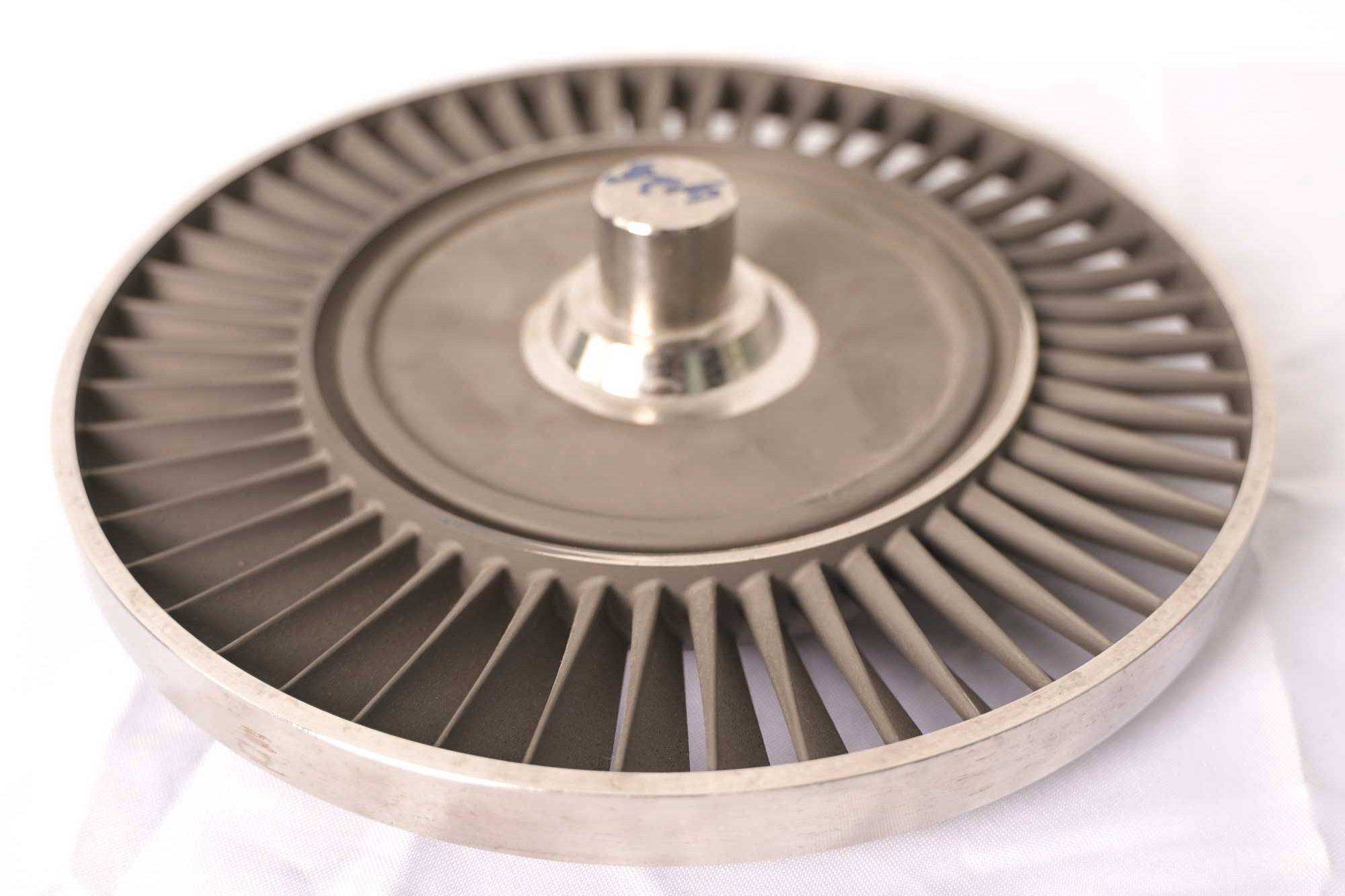
हेस्टेलॉय नोजल रिंग्स उत्पादन में प्रमुख विनिर्माण चुनौतियाँ
हेस्टेलॉय मिश्र धातुओं से नोजल रिंग्स का उत्पादन विशिष्ट विनिर्माण चुनौतियाँ प्रस्तुत करता है, जिनमें शामिल हैं:
उच्च-तापमान स्थिरता: 900°C से ऊपर आयामी स्थिरता और यांत्रिक अखंडता सुनिश्चित करना।
जंग और ऑक्सीकरण: आक्रामक दहन वातावरण में गंभीर ऑक्सीकरण और जंग के प्रति प्रतिरोध की गारंटी देना।
जटिल ज्यामिति: सख्त आयामी सहनशीलता (±0.15 मिमी) के साथ जटिल शीतलन चैनलों को सटीक रूप से ढालना।
मशीनीकरण समस्याएँ: उच्च कार्य-कठोरीकरण दरों पर काबू पाना, जिसके लिए विशेष उपकरण और मशीनिंग रणनीतियों की आवश्यकता होती है।
हेस्टेलॉय नोजल रिंग विनिर्माण प्रक्रियाओं का विस्तृत विवरण
वैक्यूम इन्वेस्टमेंट कास्टिंग
सटीक मोम पैटर्न जटिल नोजल रिंग डिजाइनों की नकल करते हैं, जिनमें जटिल आंतरिक शीतलन संरचनाएँ शामिल हैं।
सिरेमिक साँचे रिफ्रैक्टरी कोटिंग्स के माध्यम से बनाए जाते हैं; मोम को ऑटोक्लेव (~180°C) द्वारा हटा दिया जाता है।
हेस्टेलॉय मिश्र धातुओं को अशुद्धियों को दूर करने के लिए वैक्यूम (<0.01 Pa) स्थितियों में ढाला जाता है।
नियंत्रित शीतलन (लगभग 40°C/घंटा) आंतरिक तनावों को कम करती है और आयामी सटीकता बनाए रखती है।
इक्विएक्स्ड क्रिस्टल कास्टिंग
पिघले हुए हेस्टेलॉय को नियंत्रित तापीय प्रवणता (~20–40°C/सेमी) के तहत ठोस किया जाता है ताकि एकसमान, समदैशिक अनाज संरचनाएँ बन सकें।
यह प्रक्रिया घटक भर में सुसंगत यांत्रिक गुण सुनिश्चित करती है।
सावधानीपूर्वक शीतलन और ठोसीकरण प्रबंधन (25–35°C/घंटा) के माध्यम से आंतरिक दोषों को कम किया जाता है।
हेस्टेलॉय विनिर्माण प्रक्रियाओं का तुलनात्मक अवलोकन
प्रक्रिया | आयामी सटीकता | सतह परिष्करण | उत्पादन दक्षता | जटिलता क्षमता |
|---|---|---|---|---|
वैक्यूम इन्वेस्टमेंट कास्टिंग | ±0.15 मिमी | Ra 3.2–6.3 µm | मध्यम | उच्च |
इक्विएक्स्ड क्रिस्टल कास्टिंग | ±0.20 मिमी | Ra 6.3–12.5 µm | मध्यम | मध्यम |
सीएनसी मशीनिंग | ±0.01 मिमी | Ra 0.8–3.2 µm | मध्यम | मध्यम |
एसएलएम 3डी प्रिंटिंग | ±0.05 मिमी | Ra 6.3–12.5 µm | उच्च | बहुत उच्च |
नोजल रिंग्स के लिए विनिर्माण प्रक्रियाओं का रणनीतिक चयन
वैक्यूम इन्वेस्टमेंट कास्टिंग: सटीकता (±0.15 मिमी) के साथ जटिल आंतरिक ज्यामिति के निर्माण के लिए आदर्श, मध्यम मात्रा के लिए उपयुक्त।
इक्विएक्स्ड क्रिस्टल कास्टिंग: एकसमान यांत्रिक गुणों और समदैशिक अनाज संरचनाओं की आवश्यकता वाले घटकों के लिए इष्टतम, लगभग ±0.20 मिमी की सहनशीलता के साथ।
सीएनसी मशीनिंग: सटीक परिष्करण के लिए अनुशंसित, उत्कृष्ट आयामी सटीकता (±0.01 मिमी) प्राप्त करना।
एसएलएम 3डी प्रिंटिंग: त्वरित प्रोटोटाइपिंग या जटिल आंतरिक चैनलों के लिए उपयुक्त, ±0.05 मिमी के भीतर सटीकता बनाए रखना।
हेस्टेलॉय नोजल रिंग्स के लिए सामग्री प्रदर्शन मैट्रिक्स
सामग्री | तन्य शक्ति (MPa) | उपज शक्ति (MPa) | अधिकतम सेवा तापमान (°C) | जंग प्रतिरोध | विशिष्ट अनुप्रयोग |
|---|---|---|---|---|---|
900 | 350 | 1200 | उत्कृष्ट | टर्बाइन नोजल रिंग्स | |
830 | 390 | 1030 | असाधारण | दहन कक्ष लाइनर्स | |
760 | 350 | 1000 | श्रेष्ठ | उच्च-जंग गैस टर्बाइन वेन्स | |
870 | 400 | 1040 | उत्कृष्ट | उच्च-प्रदर्शन टर्बाइन घटक | |
800 | 360 | 980 | श्रेष्ठ | एग्जॉस्ट सिस्टम घटक | |
860 | 350 | 980 | उत्कृष्ट | परमाणु टर्बाइन नोजल रिंग्स |
नोजल रिंग्स के लिए इष्टतम हेस्टेलॉय सामग्री चयन
हेस्टेलॉय एक्स: 1200°C पर असाधारण तापीय स्थिरता और ऑक्सीकरण प्रतिरोध के कारण टर्बाइन नोजल रिंग्स के लिए आदर्श।
हेस्टेलॉय सी-276: उच्च तापमान (1030°C) पर श्रेष्ठ जंग प्रतिरोध के साथ दहन कक्षों के लिए अनुशंसित।
हेस्टेलॉय बी-2: आक्रामक संक्षारक वातावरण के संपर्क में आने वाले टर्बाइन वेन्स के लिए पसंदीदा, 1000°C तक संचालित।
हेस्टेलॉय सी-22: उत्कृष्ट शक्ति (870 MPa) और 1040°C तक उच्च-तापमान जंग प्रतिरोध के कारण मांग वाले टर्बाइन घटकों के लिए इष्टतम।
हेस्टेलॉय जी-30: 980°C तक के तापमान पर विश्वसनीय जंग प्रतिरोध की आवश्यकता वाले एग्जॉस्ट सिस्टम घटकों के लिए उपयुक्त।
हेस्टेलॉय एन: परमाणु शक्ति नोजल रिंग्स के लिए आदर्श, उत्कृष्ट तन्य शक्ति (860 MPa) और विकिरण-प्रेरित जंग के प्रति उच्च प्रतिरोध प्रदान करता है।
हेस्टेलॉय नोजल रिंग्स के लिए आवश्यक पोस्ट-प्रोसेसिंग तकनीकें
हॉट आइसोस्टेटिक प्रेसिंग (HIP): सरंध्रता को कम करता है और दबाव (~150 MPa) और तापमान (~1150°C) के तहत थकान प्रतिरोध बढ़ाता है।
थर्मल बैरियर कोटिंग (TBC): सतह के तापमान को काफी कम (~200°C) करता है, घटक के जीवन को बढ़ाता है।
इलेक्ट्रिकल डिस्चार्ज मशीनिंग (EDM): आंतरिक चैनलों और शीतलन मार्गों को सटीक रूप से बनाता है, सहनशीलता ±0.005 मिमी बनाए रखता है।
हीट ट्रीटमेंट: हेस्टेलॉय सूक्ष्म संरचनाओं को अनुकूलित करता है, उन्नत तापमान पर शक्ति और आयामी स्थिरता में सुधार करता है।
उद्योग अनुप्रयोग और केस स्टडी: हेस्टेलॉय एक्स टर्बाइन नोजल रिंग विनिर्माण
न्यूवे एयरोटेक ने पावर-जनरेशन टर्बाइनों के लिए कस्टम हेस्टेलॉय एक्स टर्बाइन नोजल रिंग्स की आपूर्ति की, जिसमें असाधारण क्रीप प्रतिरोध, आयामी सटीकता (±0.15 मिमी), और 1200°C पर उत्कृष्ट जंग प्रतिरोध प्रदान करने के लिए वैक्यूम इन्वेस्टमेंट कास्टिंग और HIP का लाभ उठाया गया।
हमारा विशेष अनुभव और सख्त गुणवत्ता प्रबंधन महत्वपूर्ण पावर-जनरेशन उद्योग मानकों को पूरा करता है, जिससे संचालन विश्वसनीयता और घटक दीर्घायु सुनिश्चित होती है।
हेस्टेलॉय टर्बाइन नोजल रिंग्स पर अक्सर पूछे जाने वाले प्रश्न
आप हेस्टेलॉय नोजल रिंग्स के लिए क्या विशिष्ट उत्पादन समयसीमा प्रदान करते हैं?
क्या आप हेस्टेलॉय टर्बाइन घटकों के लिए छोटे-बैच उत्पादन और प्रोटोटाइपिंग संभाल सकते हैं?
आपके हेस्टेलॉय उत्पाद किन उद्योग मानकों और प्रमाणपत्रों का अनुपालन करते हैं?
कौन सी पोस्ट-प्रोसेसिंग तकनीकें हेस्टेलॉय नोजल रिंग प्रदर्शन और दीर्घायु को बढ़ाती हैं?
क्या आप नोजल रिंग डिजाइन के लिए सामग्री चयन सहायता और तकनीकी परामर्श प्रदान करते हैं?
