Drawing Package Review for Custom Gas Turbine Parts Manufacturing
A custom gas turbine parts manufacturing RFQ is quote-ready only when the drawing package defines the part, material, delivery condition, inspection records, and manufacturing responsibility. A supplier cannot compare casting, forging, machining, or post-process routes from a part name alone. The buyer should show which geometry is controlled, which surfaces must be machined, which alloy is required, what quantity is needed, and what evidence must be delivered with the component.
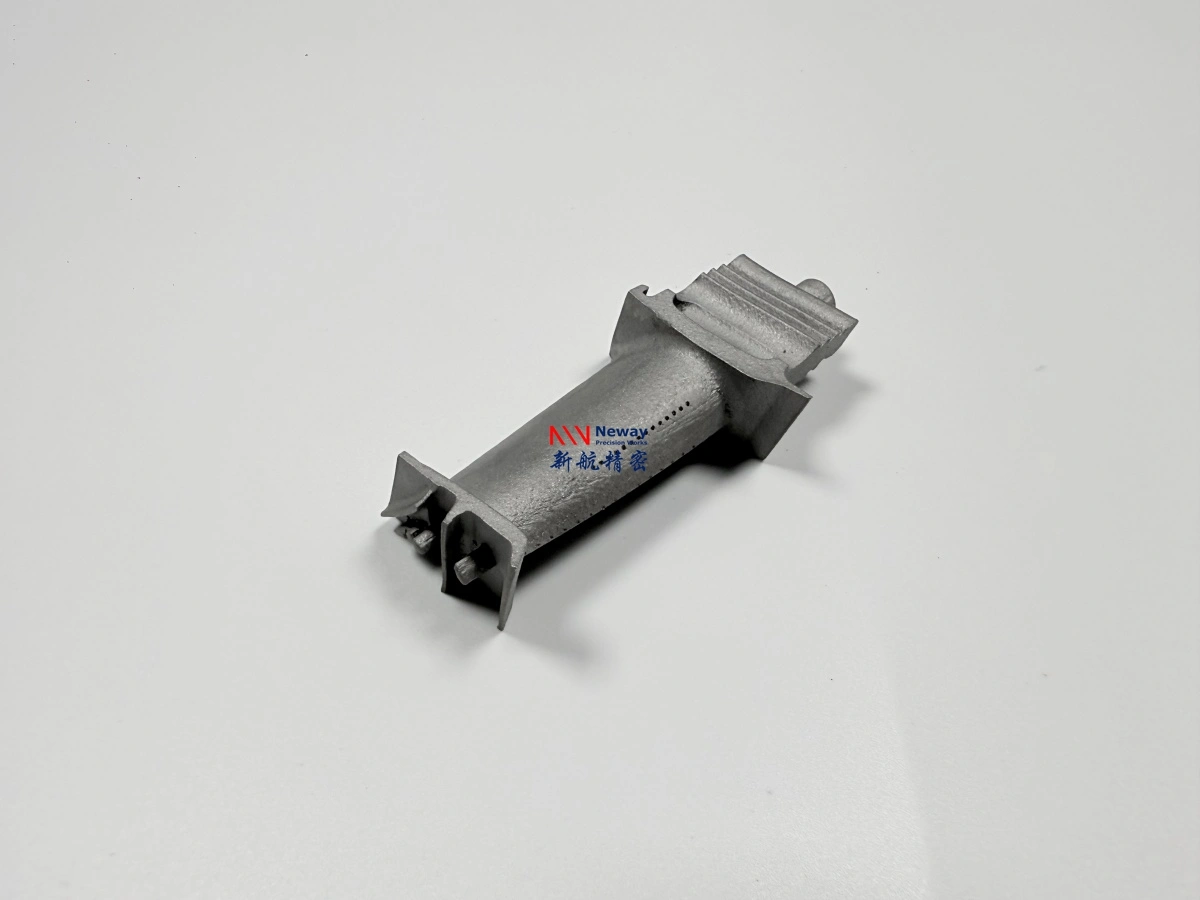
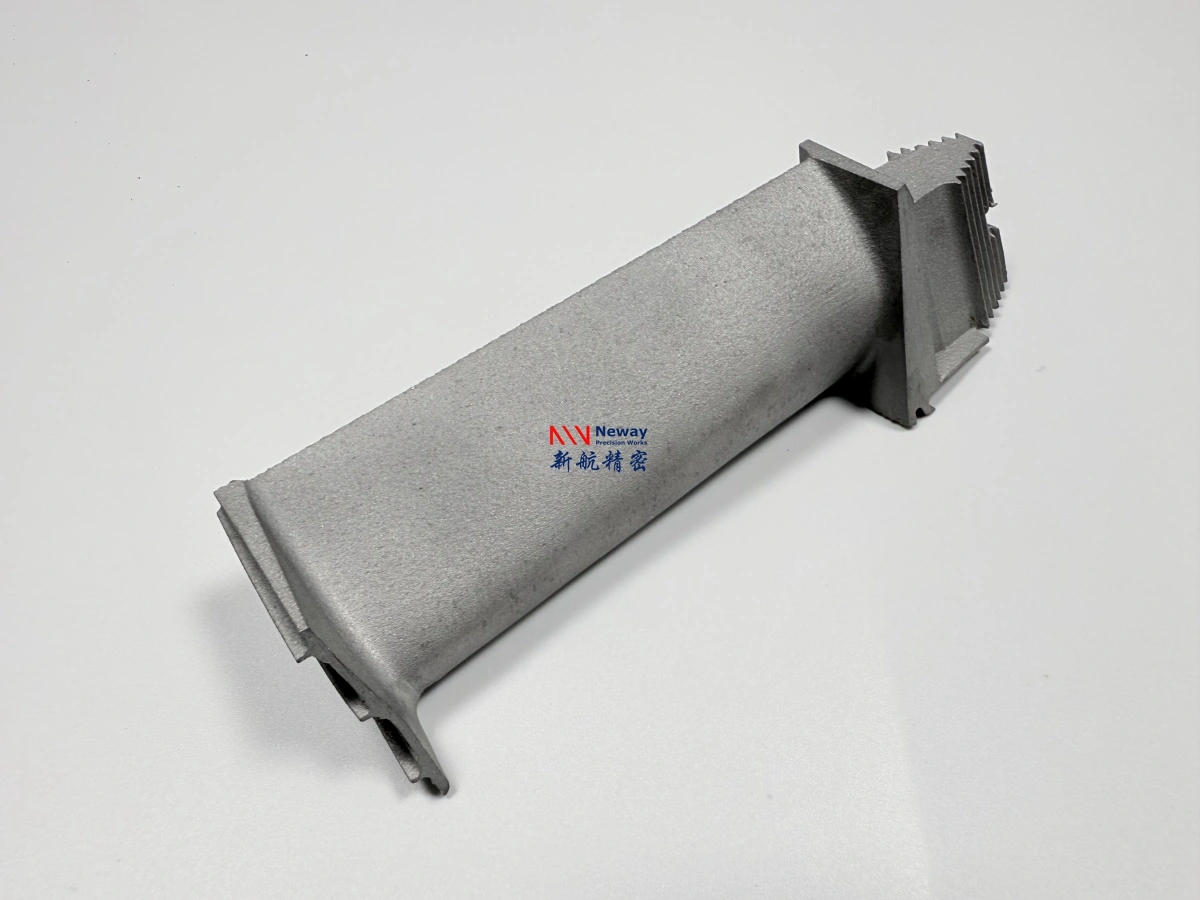
NewayAeroTech can review custom high-temperature alloy turbine component projects for power generation and industrial gas turbine applications when the buyer provides drawings, models, samples, specifications, and inspection requirements. The work fits drawing-based custom manufacturing, small or medium batch hot-section hardware, and projects that need casting, forging, machining, post-processing, and testing support. It does not fit a request for an original branded inventory spare without technical data or a price-only inquiry with no geometry boundary.
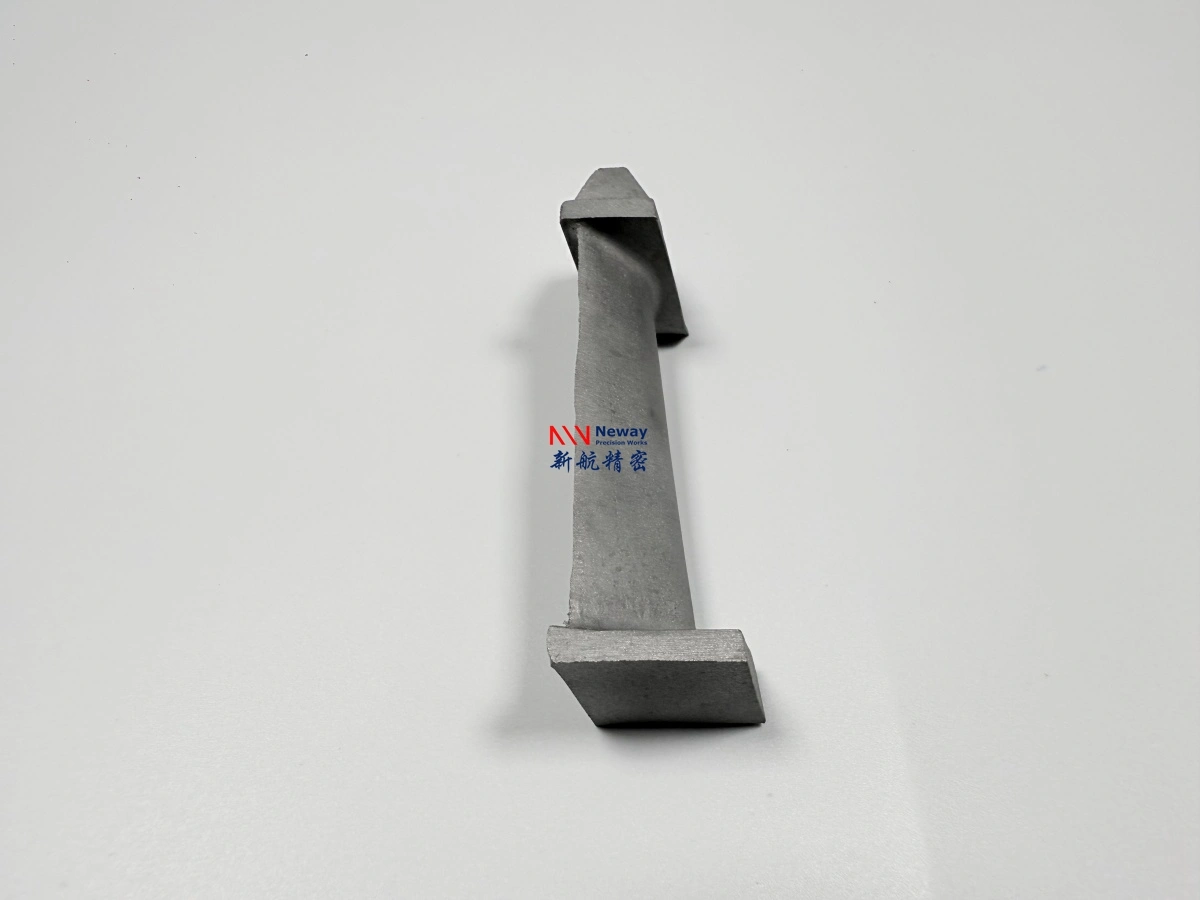
Separate Drawing-Based Manufacturing From Catalog Replacement Buying
For this RFQ, buyers should first identify whether they are buying custom manufacturing support or trying to source a catalog replacement item. Drawing-based manufacturing starts from controlled geometry, alloy requirement, quantity, and inspection scope. Catalog replacement buying starts from a brand or part number and expects an identical inventory item. NewayAeroTech's role is the first path: custom manufacturing based on technical data, not resale of original inventory parts.
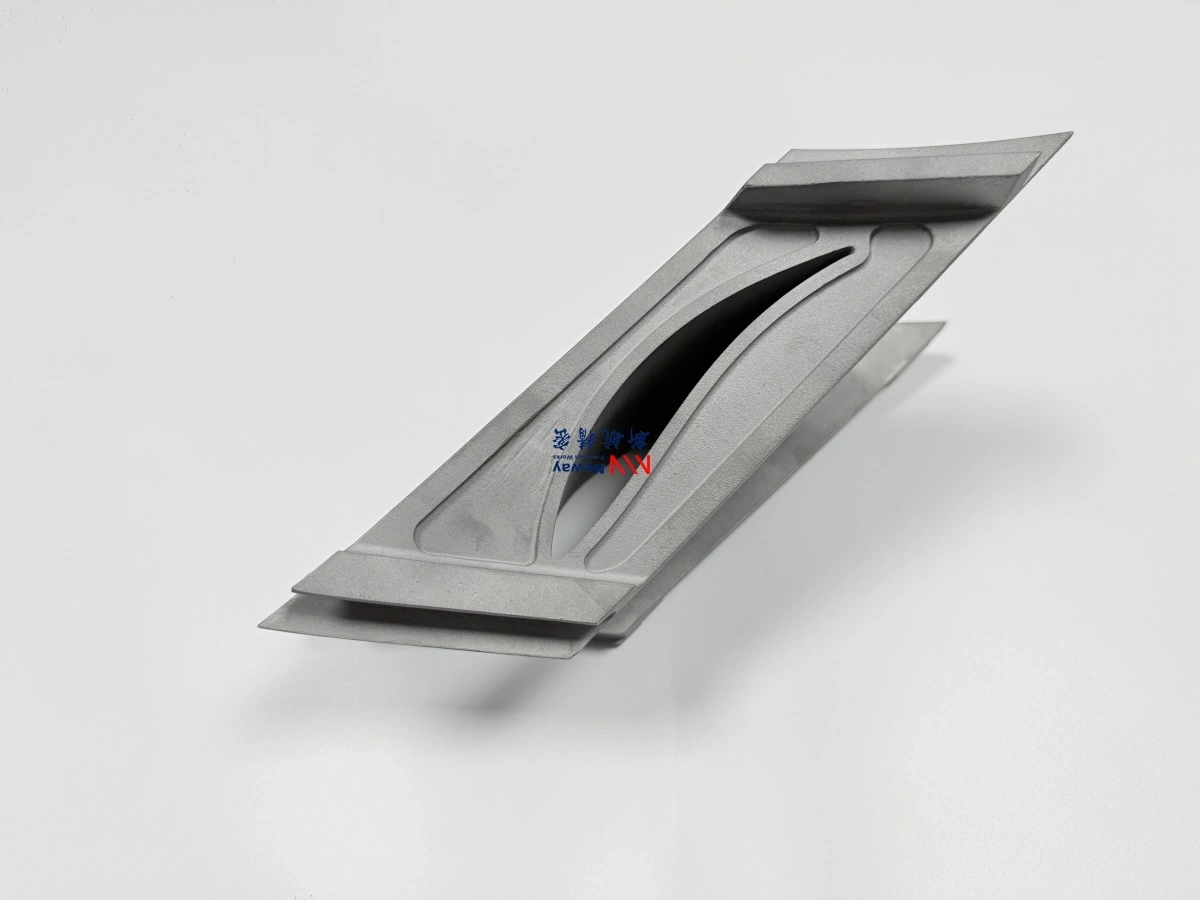
This distinction protects both buyer and supplier. If the buyer has a complete drawing and wants a turbine vane, shroud, seal segment, combustor liner, bracket, casing hardware, or hot gas path component made to specification, the supplier can review a manufacturing route. If the buyer only has a worn part number and no drawing, the first step may be technical reconstruction or feasibility review, not a production quote. A used sample can help, but wear, oxidation, coating residue, and deformation should be marked before the geometry is treated as reliable.
Buyer situation | Quote-ready status | Next supplier action |
|---|---|---|
Controlled drawing and model available | Potentially quote-ready if material, quantity, and inspection are defined. | Review casting, forging, machining, and post-process route options. |
Used sample with partial drawing | Needs boundary review before firm quote. | Identify reliable dimensions, worn surfaces, and material confirmation needs. |
Only part name or inventory code | Not enough for custom manufacturing quotation. | Request drawing, model, sample, material, and acceptance information. |
Early design concept | Suitable for manufacturability review, not final production pricing. | Discuss route options, missing dimensions, and prototype plan. |
What the Drawing Package Must Define Before Quotation
The drawing package should make the supplier's responsibility visible. Buyers should send a 2D drawing, 3D model, material grade, quantity, delivery condition, tolerance notes, surface finish, heat treatment requirement, coating requirement, inspection standard, and sample or photo evidence if available. If the same component needs different delivery stages, separate them: casting blank, rough-machined blank, finished machined component, coated part, or fully inspected assembly-ready part.
Critical surfaces need special attention. A root attachment, platform seal face, bolt hole, bore, flow path, cooling passage, shroud land, or mating face may require machining, EDM, deep hole drilling, CMM reporting, or surface inspection. These surfaces often change the route more than the nominal material grade does. The buyer should mark which features control fit, sealing, clearance, load transfer, or downstream assembly.
The drawing package should also define what can change. If the buyer allows a manufacturing stock proposal, state it. If the alloy grade is fixed, do not invite substitution without a review path. If only the final geometry is controlled and the blank route is open, say so. This makes the quote a manufacturing review instead of a guessing exercise.
Package item | Minimum content | Why it affects quotation |
|---|---|---|
Geometry files | 2D drawing, 3D model, revision, datum scheme, and controlled surfaces. | Defines tooling, machining stock, fixture plan, and inspection method. |
Material requirement | Superalloy grade, standard, heat treatment condition, and substitution rule. | Controls casting or forging feasibility, sourcing, and material records. |
Delivery condition | Blank, machined blank, finished component, coated component, or inspected package. | Defines supplier responsibility and cost structure. |
Acceptance evidence | CMM, FPI, X-ray, CT, material testing, heat treatment, coating, or other records. | Changes hold points, lead planning, and release documents. |
Route Choice for Cast, Forged, Machined, or Repaired Turbine Parts
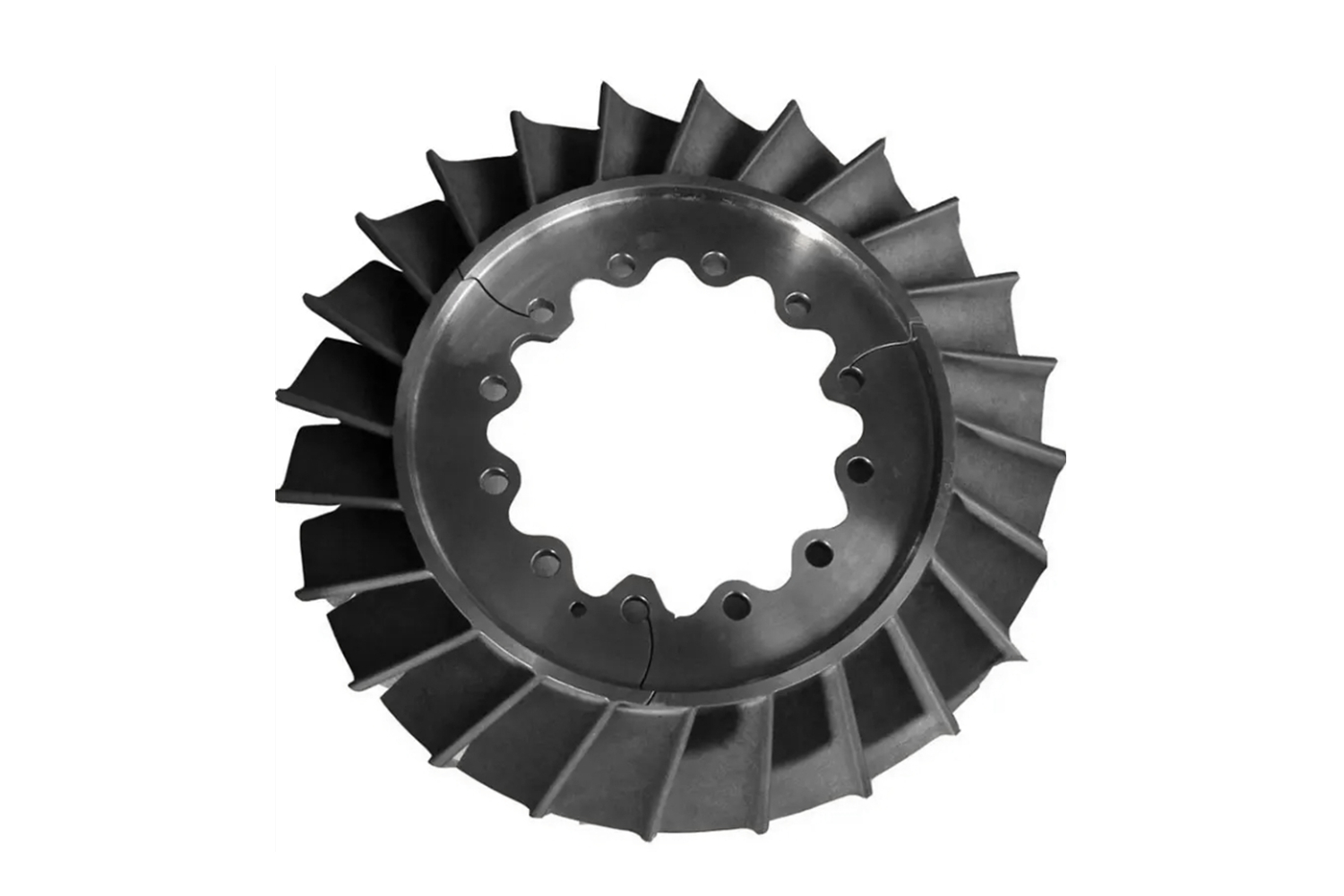
Custom gas turbine parts do not all belong on the same manufacturing route. Vacuum investment casting may fit complex hot-section shapes such as vanes, shrouds, heat shields, nozzle-related hardware, and components with near-net geometry. Superalloy precision forging may fit rings, structural hardware, rotor-adjacent blanks, or parts where wrought structure is part of the requirement. Superalloy CNC machining may be the main route for simpler geometry or the finishing route after casting or forging.
Repair or restoration review is a separate problem. A worn turbine part may need material confirmation, damage assessment, coating removal review, machining allowance, or first-article validation before any manufacturing route is chosen. The buyer should state whether the goal is a new custom-manufactured part, a prototype, a small batch, or a repair-support component. Mixing those goals in one RFQ can create a quote that looks complete but leaves the route unclear.
Route candidate | Typical fit | Drawing-package requirement |
|---|---|---|
Vacuum investment casting | Complex hot gas path geometry, thin walls, airfoil or shroud-type forms. | Wall sections, tooling boundary, casting allowance, and casting inspection records. |
Directional or single crystal casting | Vanes or blades where grain structure is part of the performance requirement. | Alloy, orientation or grain requirement, route evidence, and defect inspection. |
Precision forging | Rings, structural turbine hardware, and high-load blanks. | Forged blank boundary, grain-flow expectation, heat treatment, and machining stock. |
CNC machining or EDM | Finishing critical surfaces, holes, slots, seal faces, and datum features. | Final tolerances, datum scheme, surface finish, and CMM or feature inspection. |
Inspection and Acceptance Records That Change Quote Scope
Inspection scope should be selected according to the part's risk and delivery condition. A cast vane may need FPI and X-ray or CT. A machined shroud may need CMM and surface finish records. A forged ring may need material testing, dimensional inspection, and heat-treatment records. A coated hot-section part may need coating thickness and surface preparation evidence. The supplier cannot include the right records unless the RFQ states what the buyer needs for release.
NewayAeroTech can support superalloy material testing and analysis and superalloy post process planning depending on project requirements. Buyers should define whether reports are needed for every part, sampled parts, first article only, or a defined lot. They should also name the inspection standard when one applies. A request for "full inspection" without a report list often creates delay during order review.
Acceptance records also affect schedule. Chemical analysis, metallography, HIP records, heat treatment, coating checks, X-ray, CT, FPI, CMM, and pressure or fit checks may happen at different route stages. If the buyer needs a report before machining continues, that hold point should be in the quote. If reports are only needed at final release, that should be stated as well.
Supplier Fit Checklist for Custom Gas Turbine Part Manufacturing
A suitable custom gas turbine parts manufacturer should be able to explain the manufacturing route, what information is missing, which processes are included, which records will be supplied, and what scope is outside responsibility. NewayAeroTech is a fit when the buyer needs custom superalloy hot-section hardware manufactured from drawings, models, samples, and specifications with casting, forging, machining, post-processing, and inspection support. It is not a fit for low-detail purchase requests that ask for identical original inventory without manufacturing data.
The best quote package lets the supplier return a technical response, not only a price. Buyers should ask for route assumptions, controlled surfaces, material responsibility, post-process scope, inspection records, and exclusions. If the supplier finds missing geometry, unclear material, impossible tolerance, or an undefined delivery condition, those questions should be answered before order release. A clear RFQ reduces rework and makes competing quotations easier to compare.
The supplier fit check should also identify the first decision point after quotation. For a mature drawing, that may be tooling review or material procurement. For a sample-based project, it may be geometry recovery and material confirmation. For a prototype, it may be a first-article plan with limited quantity and defined inspection evidence. Naming that first decision point keeps the project from moving into production language before the technical boundary is ready.
Supplier review item | Pass condition | Issue to resolve before order |
|---|---|---|
Drawing readiness | Drawing, model, revision, critical features, and sample notes are available. | Unclear dimensions, worn sample surfaces, or missing datum scheme. |
Route clarity | Casting, forging, machining, repair support, or post-process route is explained. | Supplier quotes a part name without route assumptions. |
Material and heat treatment | Alloy grade, heat-treatment condition, and material records are defined. | Material is guessed from a sample or left open without approval path. |
Inspection evidence | Reports match part risk, delivery condition, and release requirement. | Inspection is described only as a generic quality check. |
Send the drawings, model, material grade, quantity, delivery condition, application notes, controlled surfaces, post-process requirements, and inspection records. NewayAeroTech can review the drawing package and recommend a custom manufacturing route for gas turbine parts when the technical boundary is clear enough for quotation.
Related FAQs
What are the most commonly used alloys in gas turbine components?
How do manufacturing processes affect the performance of gas turbine components?
What post-processing methods are essential for gas turbine components?
What inspections are typically conducted to ensure quality in gas turbine components?
What quality control tests are essential for gas turbine assemblies?
Which testing methods ensure quality of superalloy components?