
Rene合金等軸晶鋳造品 熱処理サービスプロバイダー
高性能Rene合金タービン部品のための専門熱処理
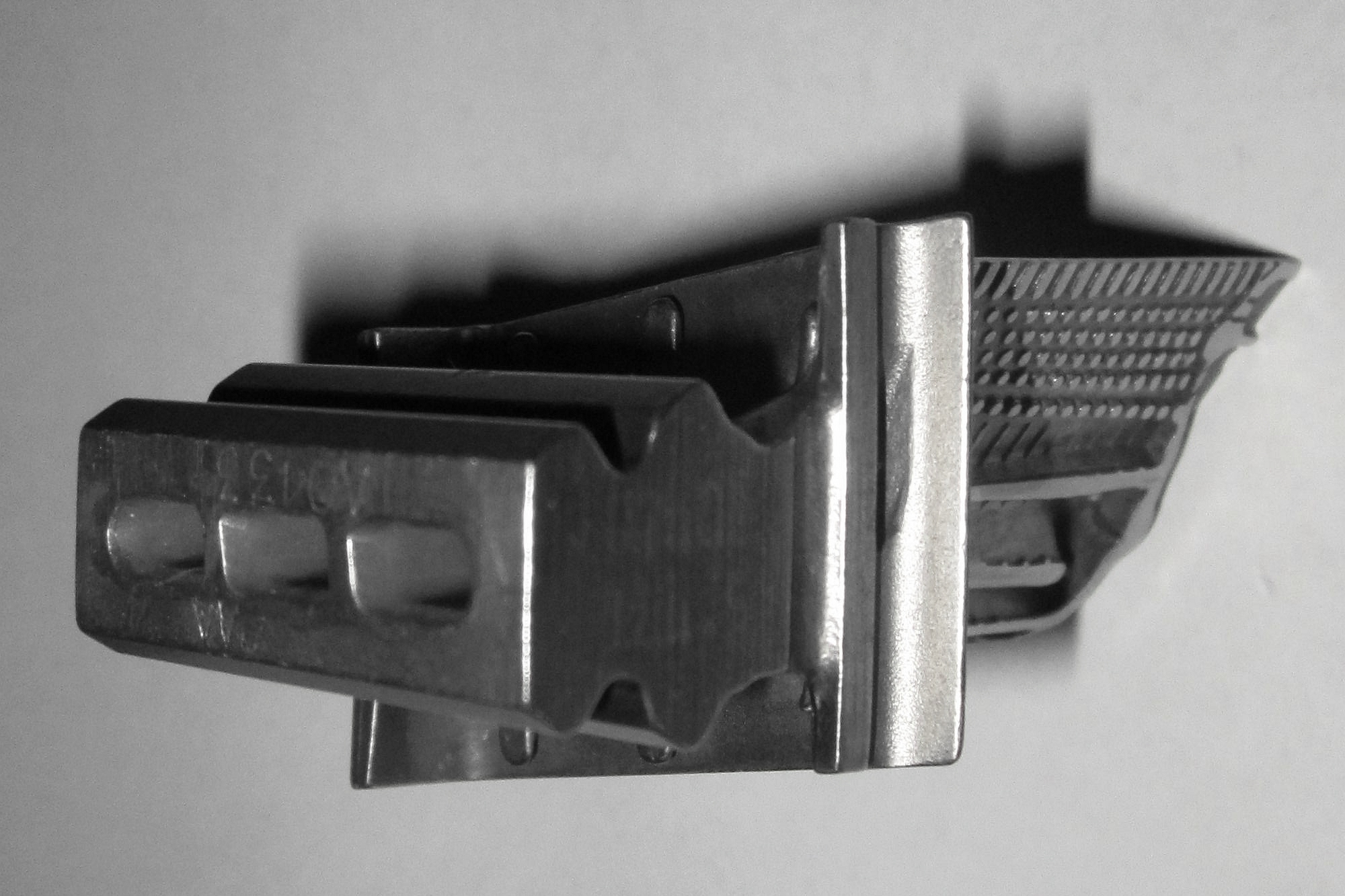
Rene超合金で作られた等軸晶鋳造品は、優れた高温強度と酸化耐性により、タービンノズル、ブレード、ベーン、燃焼器セグメントに広く使用されています。しかし、その機械的ポテンシャルを最大限に引き出すためには、化学組成と鋳造条件に合わせた精密な熱処理を受ける必要があります。
Neway AeroTechは、Rene合金等軸鋳造品の認定熱処理サービスプロバイダーであり、多段階ソリューション、時効処理、応力除去処理を提供しています。当社の熱サイクルは、高温タービンセクションで使用されるRene 41、Rene 77、Rene 80およびその他の等軸合金に対して最適化されています。
Rene等軸鋳造品の中核的熱処理能力
クリープおよび疲労に強いタービン部品のために、合金固有の熱サイクルとリアルタイム雰囲気制御、熱精度を提供します。
1120–1170°Cでの溶体化焼鈍:組織の均質化と相安定化のため
845–870°Cでの時効処理:γ′析出硬化のため
応力除去:加工後、歪みリスクを排除
真空または不活性ガス炉操作:酸化に敏感な表面を保護
当社のプロセスは完全にトレーサブルで、AS9100D、NADCAP、およびOEMタービン規格に準拠しています。
一般的に熱処理されるRene合金
合金 | 最高使用温度 (°C) | 降伏強度 (MPa) | 用途 |
|---|---|---|---|
980 | 950 | 燃焼器ライナー、シールキャリア | |
1040 | 960 | タービンベーン、ノズルリング | |
1050 | 900 | 遷移ダクト、高圧タービンブレード | |
1060 | 1010 | 構造用タービンセグメント |
これらの合金は、粒界強化と相分布を制御する最適化された熱処理により、大きな恩恵を受けます。
ケーススタディ:Rene 77タービンノズルリングの熱処理
プロジェクト背景
発電タービンOEMが、鋳造後完全サイクル処理を必要とするRene 77鋳造ノズルセグメントを提供しました。当社は、1160°Cで4時間の溶体化焼鈍を行い、続いて870°Cと760°Cでの2段階時効処理を実施しました。硬度は410 HVに上昇し、SEM分析により最適なγ′形態と炭化物分散が確認されました。
処理部品と用途
部品 | 合金 | 熱処理プロセス | 業界 |
|---|---|---|---|
高圧タービンノズル | Rene 77 | 溶体化 + 時効 | |
フレームホルダー | Rene 41 | 焼鈍 + 応力除去 | |
タービンセグメント | Rene 80 | 完全熱処理サイクル | |
燃焼器リング | Rene 95 | 溶体化処理 + 不動態化 |
すべての部品は、熱処理後の硬度試験、金属組織検査、寸法検査によって検証されました。
Rene等軸部品の熱処理における課題
ガンマプライム制御は、強度と延性のバランスを取るために不可欠
初期溶融の回避:高温保持中の±2°C精度が必要
応力蓄積:非対称断面では加工後の変形を引き起こす可能性
炭化物粗大化:温度が許容範囲を超えるとクリープ寿命に影響
薄肉部の反り:制御された昇温・保持スケジュールなしでは一般的
熱処理ソリューション
プログラム可能な炉プロファイル:多ゾーン熱追跡機能付き
真空およびアルゴン雰囲気チャンバー:酸化制御のため
HIP統合:熱処理前の気孔除去のため
カスタマイズされた時効スケジュール:合金と断面形状ごとに調整
結果と品質検証
プロセス実行
制御された熱サイクルは真空炉で実行されました。昇温速度は1.5°C/分に設定され、オーバーシュートを回避し、微細組織の過時効を防ぎました。
金属組織学的結果
処理後硬度:390–420 HV。SEMにより粒界溶融や過剰析出は確認されず。ベーン形状全体で粒サイズASTM 5–6が維持されました。
最終検査
CMMにより寸法適合性を確認。X線により内部均質性を検証。SEMにより完全なγ′分布と清浄な粒界を確保。
よくある質問
Rene 77の時効処理における典型的な温度範囲は?
Rene 41部品は加工後歪みなしで処理できますか?
Rene部品に対してHIPと熱処理の組み合わせを提供していますか?
Rene 80での過時効や粒粗大化をどのように防ぎますか?
Rene合金熱処理後にはどのような検査方法が使用されますか?
