
炭化ケイ素耐摩耗コーティングのブッシュへの応用
重要な流量制御部品における高温保護
ガスタービン、熱反応器、および高圧蒸気システムで使用されるストップバルブは、900°C を超える温度と激しい熱サイクルに耐えなければなりません。超合金や耐熱ステンレス鋼など、コーティングされていないバルブ部品は、酸化、クリープ、熱疲労を起こしやすい傾向があります。プラズマ溶射された断熱コーティング(TBC)は、金属基材を極度の熱から遮断するセラミック表面層を提供し、表面温度を最大 150°C 低下させ、高温ガス環境におけるバルブ寿命を延ばします。
Neway AeroTechは、ストップバルブの内部部品および外部ハウジング向けにカスタマイズされたプラズマ溶射 TBC ソリューションを提供しています。当社のコーティングは、持続的な断熱性、耐侵食性、および寸法安定性が求められる発電、化学処理、および石油・ガス環境向けに設計されています。
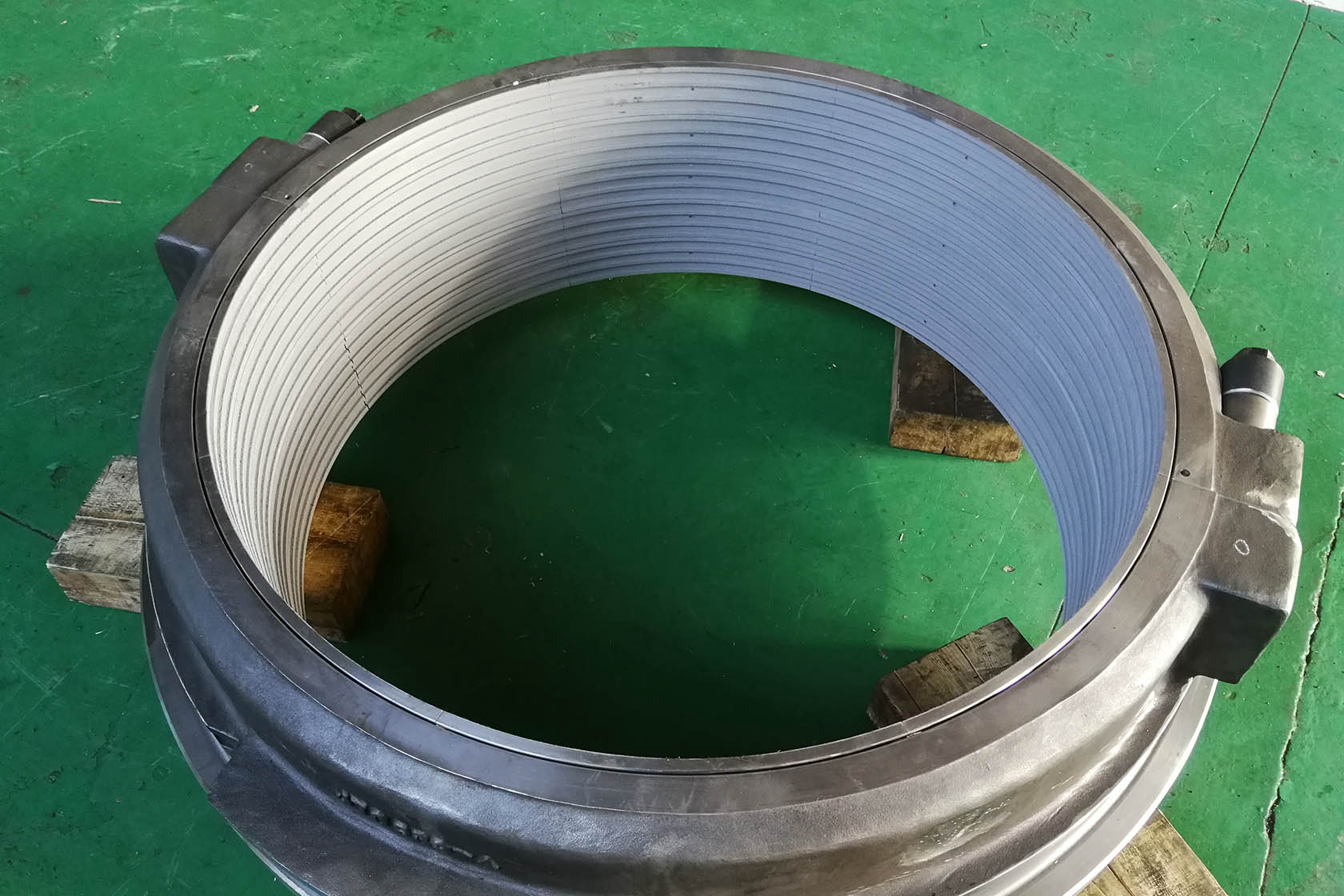
NewayAeroTech では、耐摩耗コーティングを施したブッシュの製造において、基材選定、精密機械加工、コーティング厚さ、表面粗さ、寸法公差、および最終検査を総合的に評価できます。深刻な摩耗や腐食が発生する用途では、コーティングは単なる表面仕上げではなく、機能設計の一部として扱うべきです。
ブッシュに耐摩耗コーティングが必要な理由
ブッシュは、シャフトを支持し、可動部を案内し、摩擦を低減し、より高価な嵌合部品を保護するために使用されます。多くの用途において、ブッシュ表面は繰り返し滑り接触、研摩粒子、潤滑不足、化学流体、および振動に曝されます。
適切な表面保護がない場合、ブッシュでは以下のような問題が発生する可能性があります:
内径または滑り面の急速な摩耗
ブッシュとシャフト間の隙間の増大
摩擦および発熱の増加
表面のきず、かじり、または焼付き
化学環境または海洋環境における腐食促進型の摩耗
機器の精度、安定性、および耐用年数の低下
炭化ケイ素コーティングは、基材が構造支持、被削性、および組立強度を提供することを可能にしつつ、ブッシュの表面性能を向上させるのに役立ちます。
炭化ケイ素耐摩耗コーティングとは何か?
炭化ケイ素耐摩耗コーティングは、部品の選択された表面に適用される硬質セラミックコーティングです。ブッシュの場合、アセンブリ設計に応じて、内径、外径、端面、または特定の滑り接触面にコーティングが適用されます。
SiC コーティングが高く評価されている理由は、以下の特性を提供するためです:
研摩摩耗に対する高い硬度
多くの腐食環境における優れた化学的安定性
滑り接触条件下での低い摩耗率
多くのポリマーまたは軟質金属コーティングと比較して優れた高温安定性
粒子、流体、または高荷重に曝されるブッシュの耐用年数の向上
最終的な性能は、コーティング品質、結合強度、コーティング厚さ、基材の状態、表面粗さ、嵌合材料、潤滑状態、および実際の動作環境に依存します。
SiC コーティングブッシュの典型的な用途
炭化ケイ素コーティングを施したブッシュは、摩耗と腐食が同時に発生する機器で使用できます。特に、金属同士が接触する場合、研摩粒子が存在する場合、または агрессивな流体によって従来のブッシュで故障リスクが高まる場合に有用です。
典型的な用途には以下が含まれます:
化学処理ポンプ用ブッシュ
バルブガイドブッシュおよび流量制御部品
海洋および海水設備用ブッシュ
採鉱およびスラリー取扱機械
回転シャフト支持スリーブ
高速または高荷重の産業用滑り部品
カスタム耐摩耗スリーブおよび耐腐食軸受面
化学処理用途では、腐食性流体、研摩粒子、および滑り接触が同時に存在する場合に、SiC コーティングブッシュを検討することができます。
コーティングブッシュの基材選定
コーティングは耐摩耗性を提供しますが、基材仍然是構造強度、被削性、腐食サポート、および寸法安定性を決定します。コーティングブッシュの一般的な基材には、使用環境に応じて、ステンレス鋼、ニッケル合金、コバルト合金、モニール合金、またはその他の耐腐食材料が含まれる場合があります。
腐食性の化学環境では、ポンプおよび流量制御部品についてモニール合金を検討することができます。より深刻な腐食または高温化学暴露については、ハステロイ合金を考慮することができます。摩耗および高温腐食用途では、ステライト合金などのコバルト系材料も評価できます。
最適な基材は、以下に依存します:
動作温度
化学媒体および濃度
荷重および滑り速度
潤滑状態
嵌合シャフトの材料および硬度
必要な機械加工公差および表面仕上げ
予想されるメンテナンス間隔およびコスト目標
炭化ケイ素コーティングがブッシュの摩耗制御に有用な理由
ブッシュの摩耗は、しばしば滑り接触と研摩粒子によって引き起こされます。ポンプおよび回転機器では、流体中に浮遊する粒子が接触領域に入り込み、摩耗を加速させることがあります。乾燥状態または潤滑が不十分な条件下では、表面損傷がより深刻になる可能性があります。
炭化ケイ素コーティングは、その硬質セラミック表面が多くの未コーティング金属よりも研摩切削や表面除去に対して優れた抵抗力を持つため役立ちます。適切に適用され仕上げられた場合、摩耗率を低減し、隙間の安定性を維持し、機器の耐用年数を向上させることができます。
ただし、SiC コーティングは硬度だけで選択すべきではありません。エンジニアは、コーティングの密着性、コーティング厚さ、表面粗さ、エッジ状態、嵌合材料の適合性、およびコーティングが実際の機械的および熱的条件に耐えられるかどうかについても評価する必要があります。
コーティング厚さと寸法制御
ブッシュの場合、コーティング厚さは最終的な内径、シャフト隙間、圧入許容値、シール状態、および組立公差に直接影響します。機械加工中にコーティング厚さを考慮しない場合、部品はコーティング前の寸法を満たしていても、コーティング後に不合格となる可能性があります。
効果的な寸法制御戦略では、以下を定義する必要があります:
コーティング前の機械加工寸法
目標とするコーティング厚さと公差
コーティング後の最終内径と隙間
コーティング済みおよび未コーティングの領域
ねじ、溝、または組立面に対するマスキング要件
コーティング後の研削、研磨、またはラップ仕上げの要件
これは精密ブッシュにとって特に重要です。なぜなら、わずかな寸法変化でもシャフトの回転、振動、漏れ、および耐用年数に影響を与える可能性があるからです。
表面粗さと摩擦制御
表面粗さは、SiC コーティングブッシュのもう一つの重要な要素です。粗すぎるコーティングは摩擦を増大させ、嵌合シャフトの摩耗を加速させたり、発熱を引き起こしたりする可能性があります。一方、滑らかすぎる表面は、用途によっては潤滑を適切に保持できない場合があります。
表面仕上げの要件は、動作条件に応じて定義する必要があります。例えば、流体潤滑で作動するポンプブッシュは、乾式滑りブッシュや研摩スラリーに曝されるブッシュとは異なる粗さが必要になる場合があります。
コーティング後の仕上げには、必要な表面粗さと寸法精度を達成するための研削、研磨、またはラップが含まれる場合があります。サプライヤーは、最終公差がコーティングおよび仕上げの前か後かに測定されるかを確認する必要があります。
SiC コーティングブッシュの製造ルート
一般的な炭化ケイ素コーティングブッシュの製造ルートには、ベース部品の生産、精密機械加工、表面準備、コーティング、仕上げ、および検査が含まれます。正確なルートは、ブッシュの形状、基材、コーティング方法、および公差要件に依存します。
実用的な工程ルートには以下が含まれる場合があります:
図面、3D モデル、動作条件、およびコーティング要件の確認
腐食、温度、および荷重条件に応じて基材を選定
鋳造、鍛造、棒材加工、またはその他の適切な工程によりブッシュ素形材を生産
コーティング allowance を含めてコーティング前の寸法を機械加工
洗浄、脱脂、粗さ制御、または活性化により表面を準備
指定された表面に炭化ケイ素耐摩耗コーティングを適用
必要に応じて、研削、研磨、またはラップによりコーティング表面を仕上げ
コーティング厚さ、密着性、寸法、表面粗さ、および外観を検査
最終報告書、材料証明書、および納品書類を作成
カスタム合金ブッシュの場合、超合金 CNC 加工は、ニッケル合金、コバルト合金、およびその他の難削材に対して、コーティング前後の正確な寸法制御をサポートできます。
コーティングブッシュ素形材の鋳造および機械加工オプション
ブッシュ素形材は、サイズ、形状、材料、および数量に応じて異なるルートで生産できます。単純な円筒形ブッシュは棒材から機械加工できます。フランジ、溝、リブ、内部流路特徴、またはカスタム取付形状を備えたより複雑なブッシュは、鋳造から恩恵を受ける可能性があります。
ブッシュまたはスリーブに複雑な形状、耐腐食合金要件、またはニアネットシェイプ生産のニーズが含まれる場合、真空精密鋳造を検討することができます。特殊な耐腐食性または耐摩耗性合金については、特殊合金鋳造も検討できます。
素形材が生産された後、CNC 加工を使用して、コーティング前に内径、外径、端面、溝、穴、面取り、および基準面を制御します。コーティング後に厳密な公差が必要な場合、SiC 層を適用した後に追加の仕上げが必要になる場合があります。
炭化ケイ素コーティングブッシュの品質管理
品質管理では、ベース部品とコーティングの両方を検証する必要があります。コーティングが良くても基材が間違っている場合、または基材が正しくてもコーティング厚さと密着性が制御されていない場合、ブッシュは故障する可能性があります。
超合金材料試験および分析は、カスタム合金部品に対する材料検証、寸法検査、表面レビュー、およびコーティング関連の品質チェックをサポートできます。
検査項目 | 確認内容 | 重要性 |
|---|---|---|
基材 | 材料グレード、証明書、化学成分 | 腐食、温度、および強度の適合性を確認 |
コーティング前寸法 | ID、OD、長さ、溝、面取り、コーティング allowance | 最終的なコーティング部品が公差を満たせることを保証 |
コーティング厚さ | コーティング表面における厚さ範囲と均一性 | 最終隙間、耐摩耗性、および組立フィットに影響 |
コーティング密着性 | 結合品質、剥離、割れ、エッジのリフティング | コーティングが滑りサービスに耐えられるかを決定 |
表面仕上げ | 粗さ、研磨品質、接触面状態 | 摩擦、摩耗率、発熱、および嵌合シャフト寿命を制御 |
最終寸法 | 最終 ID、シャフト隙間、真円度、円筒度、端面形状 | 正しい組立と安定した動作を保証 |
コーティング制御が不十分な場合の故障リスク
炭化ケイ素コーティングはブッシュ寿命を向上させることができますが、不適切なコーティング制御は新たなリスクを生み出す可能性があります。コーティングの密着性が弱い場合、稼働中に層が割れたり、剥がれたり、スパリング(欠け落ち)したりする可能性があります。コーティングが厚すぎたり不均一だったりすると、ブッシュの隙間が不足する可能性があります。表面が粗すぎる場合、嵌合シャフトが急速に摩耗する可能性があります。
一般的な故障リスクには以下が含まれます:
荷重または熱サイクル下でのコーティングの剥離
面取り、溝、または油穴におけるエッジの欠け
不適切な粗さによる過度の摩擦
コーティングの不一致または不良な仕上げによるシャフト摩耗
コーティング厚さの蓄積による組立干渉
表面準備不良によるコーティング下の腐食
基材選定の誤りによる耐用年数の短縮
これらのリスクは、コーティング選定がブッシュの完全な設計と連携しなければならず、最終的な化粧工程として扱ってはならない理由を示しています。
SiC コーティングブッシュのための RFQ チェックリスト
炭化ケイ素コーティングブッシュを正確に見積もるためには、顧客は図面と動作条件の詳細の両方を提供する必要があります。サプライヤーは、コーティング厚さ、基材、および仕上げ方法を推奨する前に、実際の摩耗メカニズムを理解する必要があります。
完全な RFQ には以下を含める必要があります:
部品図面および 3D モデル
基材要件または許容される代替案
コーティング面、未コーティング面、およびマスキング要件
必要なコーティング厚さと公差
最終 ID、OD、真円度、円筒度、およびシャフト隙間の要件
コーティング前後の表面粗さ要件
動作温度、荷重、速度、および潤滑状態
化学媒体、研摩粒子、スラリー、海水、または腐食暴露
嵌合シャフトの材料、硬度、および表面仕上げ
材料証明書、コーティング厚さ報告書、密着性試験、CMM、または COC などの検査要件
数量、納期スケジュール、および期待される耐用年数目標
プロジェクトが摩耗したブッシュに基づいている場合、摩耗面の写真、サービス履歴、嵌合シャフトの状態、および故障モード分析は、SiC コーティングが最良の解決策であるか、あるいは材料、隙間、潤滑、または表面仕上げも変更すべきかを特定するのに役立ちます。
結論
炭化ケイ素耐摩耗コーティングは、滑り摩耗、研摩粒子、腐食、および高いサービス荷重が部品寿命を短縮する用途において、ブッシュの性能を向上させることができます。このコーティングは、研摩に抵抗し隙間の安定性を維持するのに役立つ硬質セラミック表面を提供し、一方で基材は構造強度と腐食サポートを提供します。
コーティングブッシュの場合、成功する製造はコーティング選定以上のものに依存します。エンジニアは、基材、コーティング前の機械加工 allowance、コーティング厚さ、表面準備、コーティング後の仕上げ、最終寸法、表面粗さ、および検査要件を制御する必要があります。
NewayAeroTech は、材料選定、鋳造または機械加工ルート、コーティング allowance、表面仕上げ、および最終検査を見直すことで、カスタム SiC コーティングブッシュプロジェクトをサポートできます。技術審査のために、部品図面、3D モデル、基材、コーティング要件、動作条件、嵌合シャフトの詳細、数量、および文書要件をご提供ください。
