
Application of Silicon Carbide Wear-Resistant Coating in Bushings
High-Temperature Protection for Critical Flow Control Components
Stop valves used in gas turbines, thermal reactors, and high-pressure steam systems must endure temperatures above 900°C and severe thermal cycling. Uncoated valve components—particularly those made from superalloys or heat-resistant stainless steels—are prone to oxidation, creep, and thermal fatigue. Plasma-applied thermal barrier coatings (TBC) provide a ceramic surface layer that insulates the metal substrate from extreme heat, reducing surface temperature by up to 150°C and extending valve life in hot gas environments.
Neway AeroTech offers plasma-sprayed TBC solutions tailored for stop valve internals and external housings. Our coatings are engineered for power generation, chemical processing, and oil and gas environments requiring sustained thermal insulation, erosion resistance, and dimensional stability.
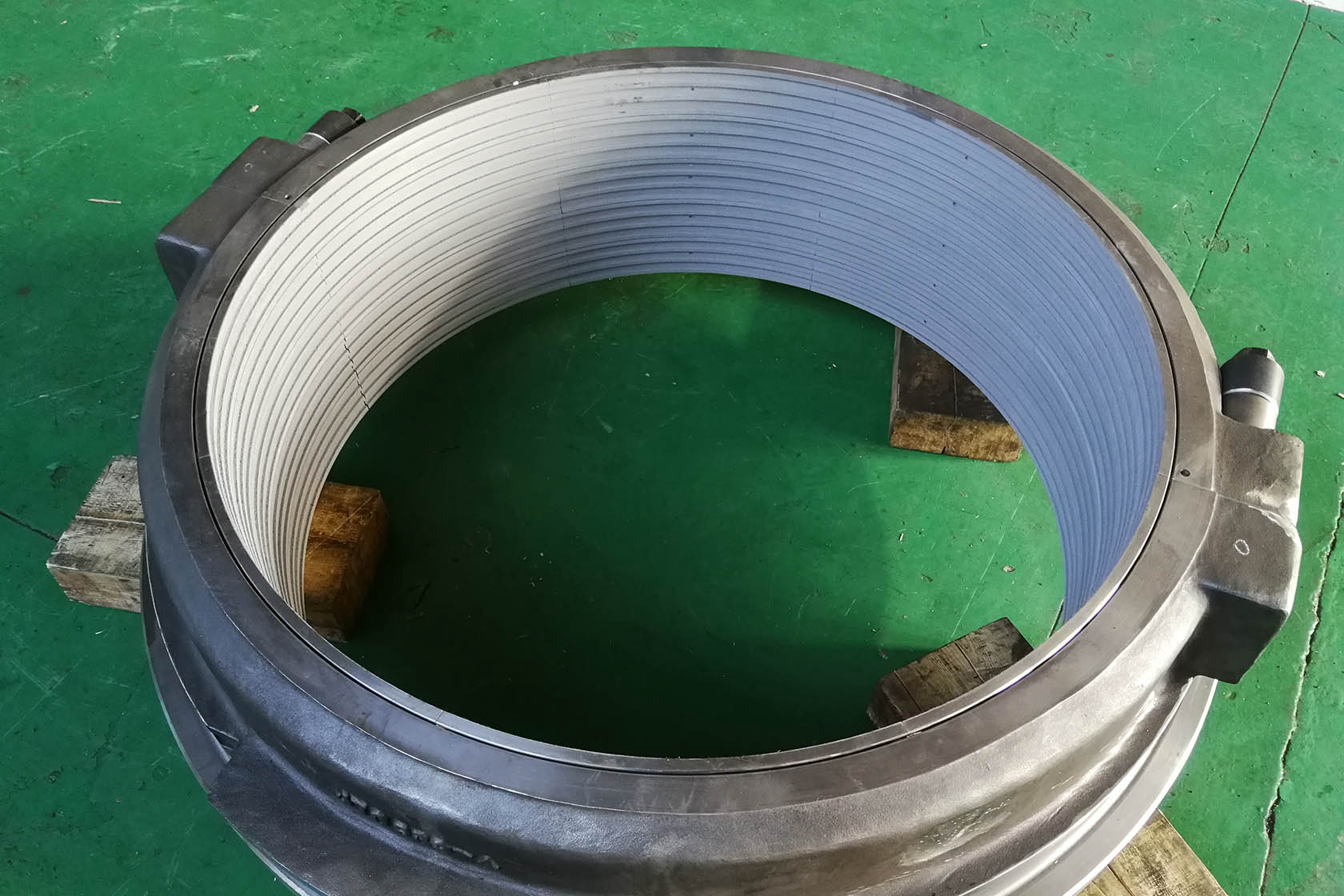
At NewayAeroTech, wear-resistant coated bushing manufacturing can be evaluated together with base material selection, precision machining, coating thickness, surface roughness, dimensional tolerance, and final inspection. For severe wear or corrosion applications, the coating should be treated as part of the functional design rather than only a surface finish.
Why Bushings Need Wear-Resistant Coatings
Bushings are used to support shafts, guide moving parts, reduce friction, and protect more expensive mating components. In many applications, the bushing surface is exposed to repeated sliding contact, abrasive particles, insufficient lubrication, chemical fluids, and vibration.
Without suitable surface protection, bushings may experience:
Rapid wear of the inner diameter or sliding surface
Increased clearance between the bushing and shaft
Higher friction and heat generation
Surface scoring, galling, or seizure
Corrosion-assisted wear in chemical or marine environments
Reduced equipment accuracy, stability, and service life
Silicon carbide coating helps improve the surface performance of the bushing while allowing the base material to provide structural support, machinability, and assembly strength.
What Is Silicon Carbide Wear-Resistant Coating?
Silicon carbide wear-resistant coating is a hard ceramic coating applied to selected surfaces of a component. For bushings, the coating is usually applied to the inner diameter, outer diameter, end face, or specific sliding contact surface depending on the assembly design.
SiC coating is valued because it offers:
High hardness for abrasive wear resistance
Good chemical stability in many corrosive environments
Low wear rate under sliding contact conditions
High-temperature stability compared with many polymer or soft metallic coatings
Improved service life for bushings exposed to particles, fluids, or high load
The final performance depends on coating quality, bonding strength, coating thickness, substrate condition, surface roughness, mating material, lubrication condition, and actual operating environment.
Typical Applications of SiC Coated Bushings
Silicon carbide coated bushings can be used in equipment where wear and corrosion occur together. They are especially useful when metal-to-metal contact, abrasive particles, or aggressive fluids create a high failure risk for conventional bushings.
Typical applications include:
Chemical processing pump bushings
Valve guide bushings and flow-control components
Marine and seawater equipment bushings
Mining and slurry handling machinery
Rotating shaft support sleeves
High-speed or high-load industrial sliding components
Custom wear sleeves and corrosion-resistant bearing surfaces
For Chemical Processing applications, SiC coated bushings may be considered when corrosive fluid, abrasive particles, and sliding contact are present at the same time.
Base Material Selection for Coated Bushings
The coating provides wear resistance, but the base material still determines structural strength, machinability, corrosion support, and dimensional stability. Common base materials for coated bushings may include stainless steel, nickel alloys, cobalt alloys, Monel alloys, or other corrosion-resistant materials depending on the service environment.
For corrosive chemical environments, Monel alloy may be reviewed for pump and flow-control parts. For more severe corrosion or high-temperature chemical exposure, Hastelloy alloy may be considered. For wear and hot corrosion applications, cobalt-based materials such as Stellite alloy can also be evaluated.
The best base material depends on:
Operating temperature
Chemical medium and concentration
Load and sliding speed
Lubrication condition
Mating shaft material and hardness
Required machining tolerance and surface finish
Expected maintenance interval and cost target
Why Silicon Carbide Coating Is Useful for Bushing Wear Control
Bushing wear is often caused by sliding contact and abrasive particles. In pumps and rotating equipment, particles suspended in fluids may enter the contact area and accelerate wear. In dry or poorly lubricated conditions, surface damage can become more severe.
Silicon carbide coating helps because its hard ceramic surface resists abrasive cutting and surface removal better than many uncoated metals. When properly applied and finished, it can reduce wear rate, maintain clearance stability, and improve equipment service life.
However, SiC coating should not be selected only by hardness. Engineers should also evaluate coating adhesion, coating thickness, surface roughness, edge condition, mating material compatibility, and whether the coating can withstand the actual mechanical and thermal conditions.
Coating Thickness and Dimensional Control
For bushings, coating thickness directly affects final inner diameter, shaft clearance, press-fit allowance, sealing condition, and assembly tolerance. If coating thickness is not considered during machining, the part may meet pre-coating dimensions but fail after coating.
A good dimensional control strategy should define:
Pre-coating machining dimensions
Target coating thickness and tolerance
Final inner diameter and clearance after coating
Coated and uncoated areas
Masking requirements for threads, grooves, or assembly surfaces
Post-coating grinding, polishing, or lapping requirements
This is especially important for precision bushings because small dimensional changes can affect shaft rotation, vibration, leakage, and service life.
Surface Roughness and Friction Control
Surface roughness is another important factor for SiC coated bushings. A coating that is too rough may increase friction, accelerate mating shaft wear, or generate heat. A surface that is too smooth may not always retain lubrication properly, depending on the application.
Surface finish requirements should be defined according to the operating condition. For example, a pump bushing working in fluid lubrication may need different roughness than a dry sliding bushing or a bushing exposed to abrasive slurry.
Post-coating finishing may include grinding, polishing, or lapping to reach the required surface roughness and dimensional accuracy. The supplier should confirm whether the final tolerance is measured before or after coating and finishing.
Manufacturing Route for SiC Coated Bushings
A typical silicon carbide coated bushing manufacturing route includes base part production, precision machining, surface preparation, coating, finishing, and inspection. The exact route depends on the bushing geometry, base material, coating method, and tolerance requirement.
A practical process route may include:
Review drawing, 3D model, operating condition, and coating requirement
Select base material according to corrosion, temperature, and load conditions
Produce the bushing blank by casting, forging, bar machining, or other suitable process
Machine the pre-coating dimensions with coating allowance
Prepare the surface by cleaning, degreasing, roughness control, or activation
Apply silicon carbide wear-resistant coating to specified surfaces
Finish coated surfaces by grinding, polishing, or lapping if required
Inspect coating thickness, adhesion, dimensions, surface roughness, and appearance
Prepare final reports, material certificates, and delivery documentation
For custom alloy bushings, Superalloy CNC Machining can support accurate pre-coating and post-coating dimensional control for nickel alloy, cobalt alloy, and other difficult-to-machine materials.
Casting and Machining Options for Coated Bushing Blanks
The bushing blank can be produced by different routes depending on size, geometry, material, and quantity. Simple cylindrical bushings may be machined from bar stock. More complex bushings with flanges, grooves, ribs, internal flow features, or custom mounting geometry may benefit from casting.
Vacuum Investment Castings can be considered when the bushing or sleeve includes complex geometry, corrosion-resistant alloy requirements, or near-net-shape production needs. For special corrosion-resistant or wear-resistant alloys, Special Alloy Casting may also be reviewed.
After the blank is produced, CNC machining is used to control inner diameter, outer diameter, end faces, grooves, holes, chamfers, and datum surfaces before coating. If tight tolerance is required after coating, the part may need additional finishing after the SiC layer is applied.
Quality Control for Silicon Carbide Coated Bushings
Quality control should verify both the base part and the coating. A bushing may fail if the coating is good but the base material is wrong, or if the substrate is correct but coating thickness and adhesion are not controlled.
Superalloy Material Testing and Analysis can support material verification, dimensional inspection, surface review, and coating-related quality checks for custom alloy components.
Inspection Item | What to Check | Why It Matters |
|---|---|---|
Base material | Material grade, certificate, chemical composition | Confirms corrosion, temperature, and strength suitability |
Pre-coating dimensions | ID, OD, length, grooves, chamfers, coating allowance | Ensures the final coated part can meet tolerance |
Coating thickness | Thickness range and uniformity on coated surfaces | Affects final clearance, wear resistance, and assembly fit |
Coating adhesion | Bonding quality, peeling, cracking, edge lifting | Determines whether the coating can survive sliding service |
Surface finish | Roughness, polishing quality, contact surface condition | Controls friction, wear rate, heat generation, and mating shaft life |
Final dimensions | Final ID, shaft clearance, roundness, cylindricity, end face geometry | Ensures correct assembly and stable operation |
Failure Risks If Coating Control Is Poor
Silicon carbide coating can improve bushing life, but poor coating control can create new risks. If coating adhesion is weak, the layer may crack, peel, or spall during operation. If the coating is too thick or uneven, the bushing may have insufficient clearance. If the surface is too rough, the mating shaft may wear quickly.
Common failure risks include:
Coating delamination under load or thermal cycling
Edge chipping at chamfers, grooves, or oil holes
Excessive friction caused by unsuitable roughness
Shaft wear caused by coating mismatch or poor finish
Assembly interference caused by coating thickness buildup
Corrosion under coating caused by poor surface preparation
Reduced service life caused by incorrect base material selection
These risks show why coating selection must be connected with the complete bushing design, not treated as a final cosmetic process.
RFQ Checklist for SiC Coated Bushings
To quote silicon carbide coated bushings accurately, customers should provide both drawings and operating condition details. The supplier needs to understand the actual wear mechanism before recommending coating thickness, base material, and finishing method.
A complete RFQ should include:
Part drawing and 3D model
Base material requirement or acceptable alternatives
Coated surfaces, uncoated surfaces, and masking requirements
Required coating thickness and tolerance
Final ID, OD, roundness, cylindricity, and shaft clearance requirements
Surface roughness requirement before and after coating
Operating temperature, load, speed, and lubrication condition
Chemical medium, abrasive particles, slurry, seawater, or corrosion exposure
Mating shaft material, hardness, and surface finish
Inspection requirements such as material certificate, coating thickness report, adhesion test, CMM, or COC
Quantity, delivery schedule, and expected service life target
If the project is based on a worn bushing, photos of the wear surface, service history, mating shaft condition, and failure mode analysis can help identify whether SiC coating is the best solution or whether material, clearance, lubrication, or surface finish should also be changed.
Conclusion
Silicon carbide wear-resistant coating can improve bushing performance in applications where sliding wear, abrasive particles, corrosion, and high service loads reduce component life. The coating provides a hard ceramic surface that helps resist abrasion and maintain clearance stability, while the base material provides structural strength and corrosion support.
For coated bushings, successful manufacturing depends on more than coating selection. Engineers must control base material, pre-coating machining allowance, coating thickness, surface preparation, post-coating finishing, final dimensions, surface roughness, and inspection requirements.
NewayAeroTech can support custom SiC coated bushing projects by reviewing material selection, casting or machining route, coating allowance, surface finishing, and final inspection. Please provide the part drawing, 3D model, base material, coating requirement, operating condition, mating shaft details, quantity, and documentation requirements for engineering review.
