Polyuréthane thermoplastique (TPU)
Présentation du matériau
Le polyuréthane thermoplastique (TPU) est un polymère flexible, résistant à l'abrasion et hautement élastique, largement utilisé dans la fabrication additive pour des prototypes fonctionnels et des composants d'utilisation finale. Réputé pour son comportement semblable au caoutchouc combiné à une mise en œuvre thermoplastique, le TPU permet la production de pièces nécessitant une absorption des chocs, un amortissement des vibrations et une capacité de flexion. Son excellente adhérence intercouche et sa résilience en font un choix idéal pour les composants soumis à des charges répétées ou à des déformations mécaniques. Lorsqu'il est traité via des flux de travail avancés de fabrication additive de polymères, tels que ceux disponibles dans l'impression 3D TPU dédiée de Neway AeroTech, le TPU offre un comportement mécanique cohérent, une bonne finition de surface et une liberté géométrique. Sa résistance chimique et ses performances durables dans des environnements difficiles en font un matériau courant pour les produits de consommation, les intérieurs aéronautiques, la robotique, les joints industriels, les boîtiers de dispositifs médicaux et les composants automobiles.
Noms internationaux ou grades représentatifs
Région | Nom courant | Grades représentatifs |
|---|---|---|
États-Unis | TPU | TPU 85A, TPU 95A |
Europe | Polyuréthane thermoplastique | Elastollan®, Desmopan® |
Japon | Élastomère de polyuréthane | TPU-A |
Chine | 热塑性聚氨酯 | TPU 90A |
Classification industrielle | Élastomère thermoplastique flexible | TPU-E, TPU-S |
Options de matériaux alternatifs
Plusieurs polymères peuvent être utilisés comme alternatives au TPU lorsque différentes propriétés mécaniques ou environnementales sont requises. Pour les pièces structurelles rigides, le polycarbonate (PC) offre une résistance beaucoup plus élevée et une meilleure résistance thermique. Lorsque la stabilité chimique et la ténacité globale sont nécessaires, le nylon fournit une résistance à l'usure supérieure. Les applications nécessitant une flexibilité maximale peuvent bénéficier de la résine flexible utilisée dans les systèmes basés sur la SLA, qui peut offrir des propriétés élastomères plus souples. Pour des prototypes fonctionnels durables avec une résistance aux chocs améliorée, la résine tough (résistante) constitue une alternative équilibrée. Si la transparence est requise, le PETG offre une bonne clarté et une bonne résistance aux intempéries. Pour des pièces imprimées légères avec une excellente adaptabilité environnementale, l'ABS est une solution éprouvée pour diverses applications d'ingénierie générale.
Objectif de conception
Le TPU a été initialement conçu pour combler le fossé entre les élastomères flexibles semblables au caoutchouc et les thermoplastiques transformables par fusion. Son intention de conception vise à combiner élasticité, résistance à la déchirure et stabilité chimique avec un traitement thermique efficace. Dans la fabrication additive, le TPU a été adopté pour permettre la création de composants durables et flexibles aux performances reproductibles pour l'amortissement, l'étanchéité et les applications dynamiques. La polyvalence du TPU permet aux ingénieurs de créer des surfaces douces au toucher, des articulations dynamiques, des conduits flexibles, des dispositifs portables et des structures absorbant les chocs avec des géométries complexes qui seraient extrêmement difficiles, voire impossibles, à mouler en utilisant des méthodes traditionnelles.
Composition chimique (TPU générique)
Composant | Composition (%) |
|---|---|
Polyols | 50–70 |
Diisocyanates | 20–40 |
Allongeurs de chaîne | 5–15 |
Additifs (stabilisants, colorants) | < 5 |
Propriétés physiques
Propriété | Valeur |
|---|---|
Densité | 1,10–1,22 g/cm³ |
Point de fusion | 160–220 °C |
Dureté Shore | 80A–98A |
Absorption d'eau | Faible |
Conductivité thermique | Modérée |
Propriétés mécaniques
Propriété | Valeur typique |
|---|---|
Résistance à la traction | 25–50 MPa |
Allongement à la rupture | 300–600 % |
Résistance à la déchirure | Élevée |
Résistance à l'abrasion | Excellente |
Module de flexion | Faible (grande flexibilité) |
Caractéristiques clés du matériau
Flexibilité exceptionnelle avec une excellente récupération élastique après des flexions répétées
Haute résistance à la déchirure et durabilité exceptionnelle à l'abrasion pour les composants en mouvement
Forte absorption des chocs et propriétés d'amortissement des vibrations, idéales pour les structures de protection
Bonne résistance chimique aux huiles, aux carburants et aux agents de nettoyage
Excellentes performances en fatigue pour les applications dynamiques et les dispositifs portables
Finition de surface lisse et forte liaison intercouche lors de l'impression 3D
Capacité à former des géométries complexes et flexibles impossibles avec le moulage traditionnel
Comportement cohérent sur une large plage de températures
Toucher doux adapté aux consommateurs et aux composants ergonomiques
Colorabilité et bonne adaptabilité esthétique pour la conception industrielle
Résistant à la microfissuration sous déformation cyclique
Adapté aux prototypes et aux pièces élastomères d'utilisation finale
Fabricabilité selon différents procédés
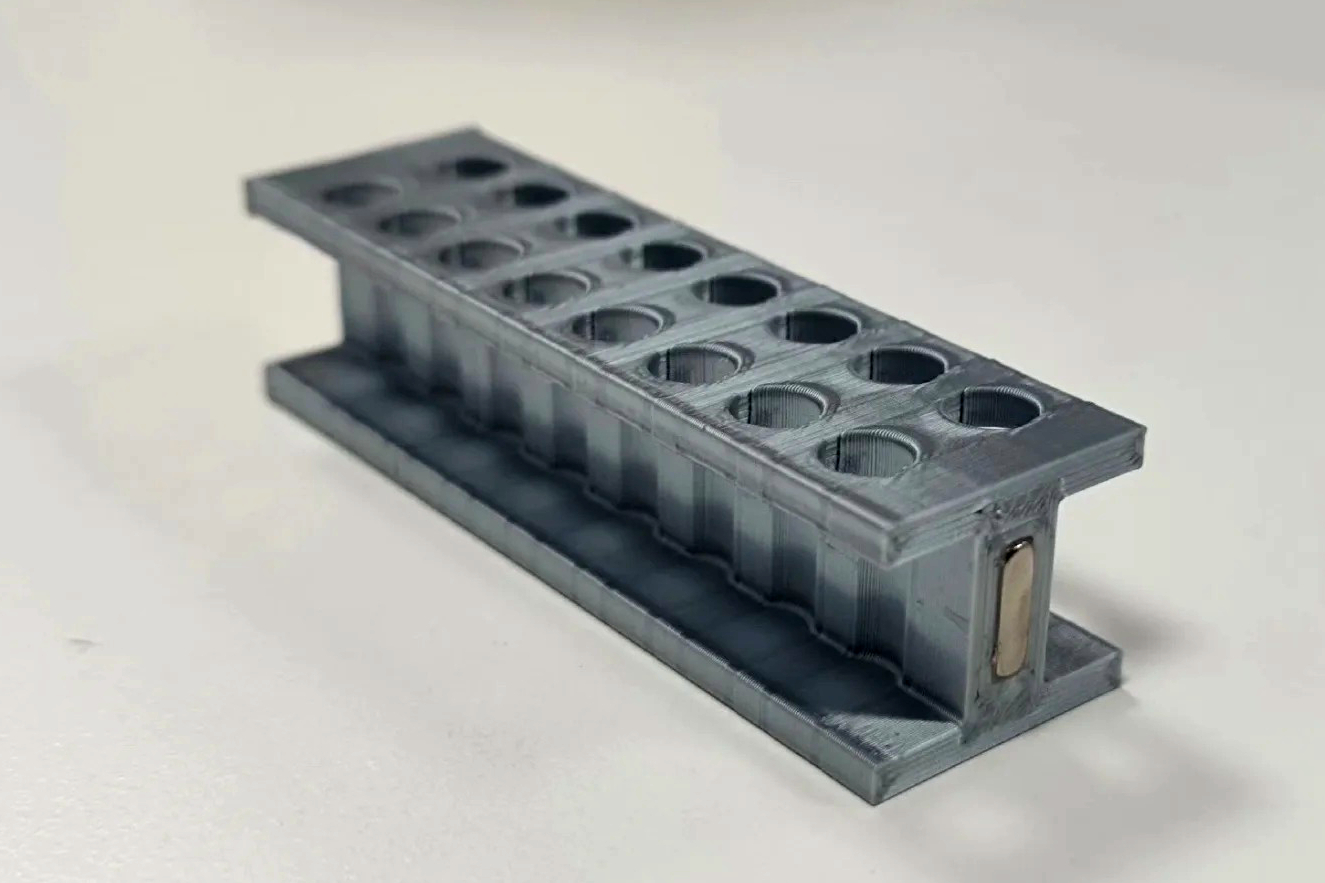
Impression 3D FDM/FFF : Le TPU s'imprime de manière fiable à des gammes de températures plus basses, avec une forte adhérence intercouche, ce qui le rend idéal pour les composants souples et pliables.
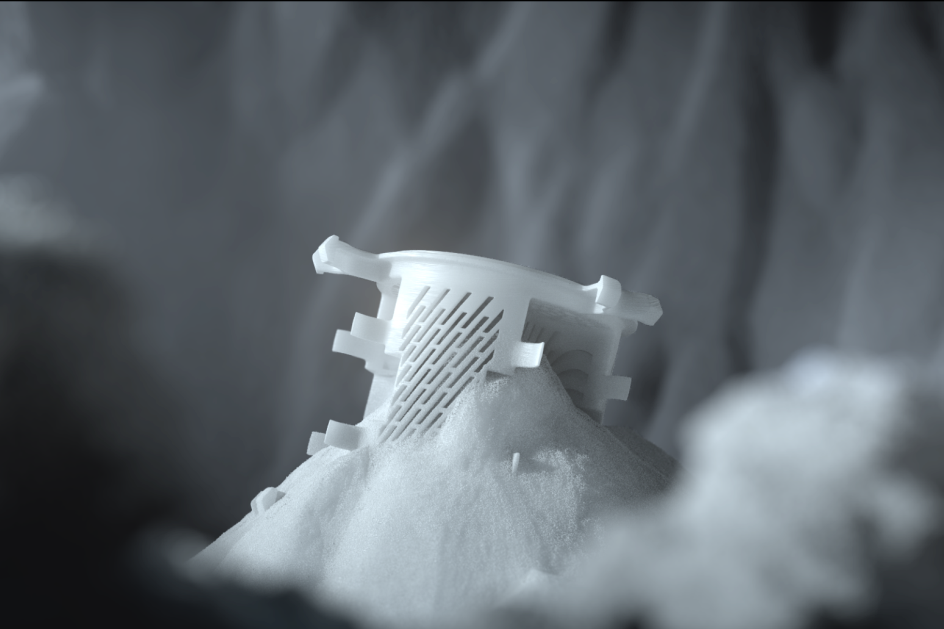
SLS : Le TPU sous forme de poudre permet une densité uniforme et une cohérence mécanique supérieure pour des pièces flexibles de qualité industrielle.
Alternatives élastomères SLA/DLP : Bien qu'il ne soit pas utilisé directement, des résines flexibles similaires au TPU peuvent compléter les applications nécessitant des détails plus fins.
Usinage CNC : Limité en raison de l'élasticité et du faible module, bien que faisable pour l'ébavurage et la finition de composants souples.
Moulage par injection (traditionnel) : Le TPU peut être moulé, mais il n'offre pas la liberté géométrique ni les avantages de petits volumes de la fabrication additive.
Assemblage et collage : Le TPU est compatible avec la fixation mécanique et le collage sélectif pour des assemblages hybrides.
Prototypage : Le TPU s'intègre bien aux flux de travail de prototypage rapide multi-matériaux proposés via les services d'impression 3D de Neway.
Méthodes de post-traitement adaptées
Lissage de surface par exposition contrôlée à la chaleur ou traitement chimique
Ébavurage et découpe pour un affinage précis des bords
Teinture et pigmentation pour une personnalisation esthétique
Scellage de surface pour réduire la porosité et améliorer la résistance chimique
Réglage de l'élasticité par des cycles thermiques contrôlés
Retrait des supports pour les structures FDM/SLS
Étalonnage dimensionnel et essais de compression via des flux de travail d'analyse et test des matériaux
Options d'emballage et de stérilisation pour les composants médicaux ou portables
Industries et applications courantes
Électronique grand public : étuis de protection, bracelets pour dispositifs portables, composants au toucher doux
Automobile : conduits flexibles, joints, garnitures, composants réduisant les vibrations
Intérieurs aéronautiques : structures d'amortissement, connecteurs flexibles, composants de cabine
Robotique : articulations flexibles, préhenseurs conformes, boîtiers dynamiques
Dispositifs médicaux : orthèses, éléments de rembourrage, poignées ergonomiques
Produits industriels : roues, rouleaux, bagues en polyuréthane, supports anti-vibrations
Quand choisir ce matériau
Lorsque la conception nécessite une grande flexibilité, une récupération élastique ou une absorption d'énergie
Lorsque la pièce sera soumise à des charges dynamiques ou à des mouvements mécaniques répétés
Lorsque des caractéristiques de toucher doux ou ergonomiques sont essentielles
Lorsque des géométries flexibles complexes ne peuvent pas être moulées conventionnellement
Lorsqu'une résistance chimique aux huiles, aux carburants, à la transpiration ou aux solvants est requise
Lorsque des composants légers et résilients doivent être produits avec un coût d'outillage faible
Lorsqu'une intégration multi-matériaux ou une fonction portable est nécessaire
Lorsque les prototypes de produits doivent reproduire des performances semblables au caoutchouc
Explorer les blogs associés