Nylon (Polyamide)
Material Introduction
Nylon, also known as Polyamide or PA, is one of the most widely used engineering plastics for functional 3D printed parts. It offers a strong balance of toughness, fatigue resistance, wear resistance, impact performance, and lightweight structure. Compared with brittle resin materials, Nylon is better suited for parts that need repeated handling, snap-fit behavior, sliding contact, or mechanical loading during prototype and low-volume production use.
For product development and engineering applications, Nylon is an important material in plastic 3D printing because it can produce durable prototypes and end-use functional parts without tooling. It is commonly used for brackets, clips, hinges, housings, gears, protective covers, jigs, fixtures, and lightweight mechanical components. NewayAeroTech provides Nylon (Polyamide) 3D printing for custom parts requiring strength, flexibility, impact resistance, and functional testing performance.
International Naming Table
Region / Standard | Naming / Designation |
|---|---|
Common Name | Nylon |
Polymer Family | Polyamide / PA |
Common Grades | PA11, PA12, PA6, PA66, glass-filled Nylon, carbon-fiber-filled Nylon |
Common Printing Technology | SLS / MJF / FDM, depending on grade and part requirement |
Typical Material Behavior | Tough, wear-resistant, fatigue-resistant, lightweight, slightly flexible |
Typical Component Reference | Functional prototypes, housings, brackets, clips, gears, jigs, fixtures |
Alternative Material Options
Nylon is suitable when a 3D printed plastic part requires toughness, durability, wear resistance, and functional performance. However, alternative material selection should depend on stiffness, flexibility, surface finish, temperature exposure, impact load, chemical contact, and testing purpose. For simple visual models or smooth appearance prototypes, Standard Resin may be more cost-effective. For rigid prototypes requiring higher impact resistance than standard resin, Tough Resin may be considered.
For parts requiring elastomer-like flexibility, TPU or Flexible Resin may be more suitable. For transparent, high-impact, or heat-resistant prototypes, Polycarbonate (PC) can be evaluated. For demanding thermal or chemical environments, PEEK or other high-performance plastics may be more appropriate.
Design Intent of Nylon (Polyamide)
Nylon is designed for parts that require a practical balance of strength, toughness, flexibility, and wear resistance. In 3D printing, it is especially useful for functional prototypes and low-volume parts that need to survive assembly, handling, movement, and moderate mechanical load. It is often selected when a prototype must behave more like an engineering plastic part rather than a fragile visual model.
The design intent of Nylon is different from photopolymer resin materials. It is not mainly chosen for ultra-smooth appearance or transparent surfaces; it is selected for practical mechanical performance. Nylon parts can be designed with snap fits, living hinge-like features, lightweight lattice structures, thin-wall housings, threaded inserts, sliding surfaces, and assembly features. Because Nylon can absorb moisture and may show slight dimensional changes depending on environment and printing route, critical dimensions and assembly interfaces should be reviewed carefully during design validation.
Chemical Composition
Material Type | Typical Description |
|---|---|
Polyamide Base | Long-chain polymer containing repeating amide groups |
PA12 | Common powder-bed Nylon grade with good dimensional stability and toughness |
PA11 | Bio-based Nylon grade with high toughness and impact resistance |
PA6 / PA66 | Engineering Nylon grades used in functional and industrial applications |
Filled Nylon | May include glass fiber, carbon fiber, or mineral fillers for stiffness and dimensional control |
Note: Nylon 3D printing properties vary by grade, printing process, filler content, orientation, and post-processing condition. Final performance should be confirmed using the selected material datasheet and printed part testing.
Physical Properties
Property | Typical Reference |
|---|---|
Material Type | Engineering thermoplastic / Polyamide |
Primary Printing Route | SLS / MJF / FDM, depending on grade and requirement |
Density | Lightweight compared with metal materials |
Moisture Absorption | Can absorb moisture; drying and storage control may be important |
Wear Resistance | Good for sliding, rubbing, and functional contact applications |
Surface Finish | Powder-bed parts are slightly textured; resin parts are smoother but less nylon-like |
Mechanical Properties
Property | Engineering Relevance |
|---|---|
Toughness | Supports functional prototypes that need assembly, handling, and impact resistance |
Fatigue Resistance | Useful for clips, hinges, snap fits, and repeated loading features |
Wear Resistance | Important for gears, sliding guides, bushings, and mechanical contact surfaces |
Impact Resistance | Helps parts survive drops, assembly force, and field handling |
Flexibility | Provides slight elastic deformation compared with rigid resin materials |
Dimensional Stability | Good for many functional parts, but moisture absorption and printing process must be considered |
Material Characteristics
Nylon is characterized by toughness, wear resistance, lightweight performance, fatigue resistance, and practical engineering usability. It can handle repeated assembly, moderate load, sliding contact, and impact better than many rigid photopolymer resins. These properties make Nylon useful for functional prototypes that need to be tested in real mechanical environments rather than only reviewed for appearance.
Compared with Standard Resin, Nylon offers better toughness and functional durability. Compared with Flexible Resin or TPU, Nylon is less rubber-like but stronger and more suitable for load-bearing plastic structures. Compared with Polycarbonate (PC), Nylon often provides better wear resistance and fatigue behavior, while PC may offer higher rigidity and transparency depending on grade and process.
Manufacturing Process Performance
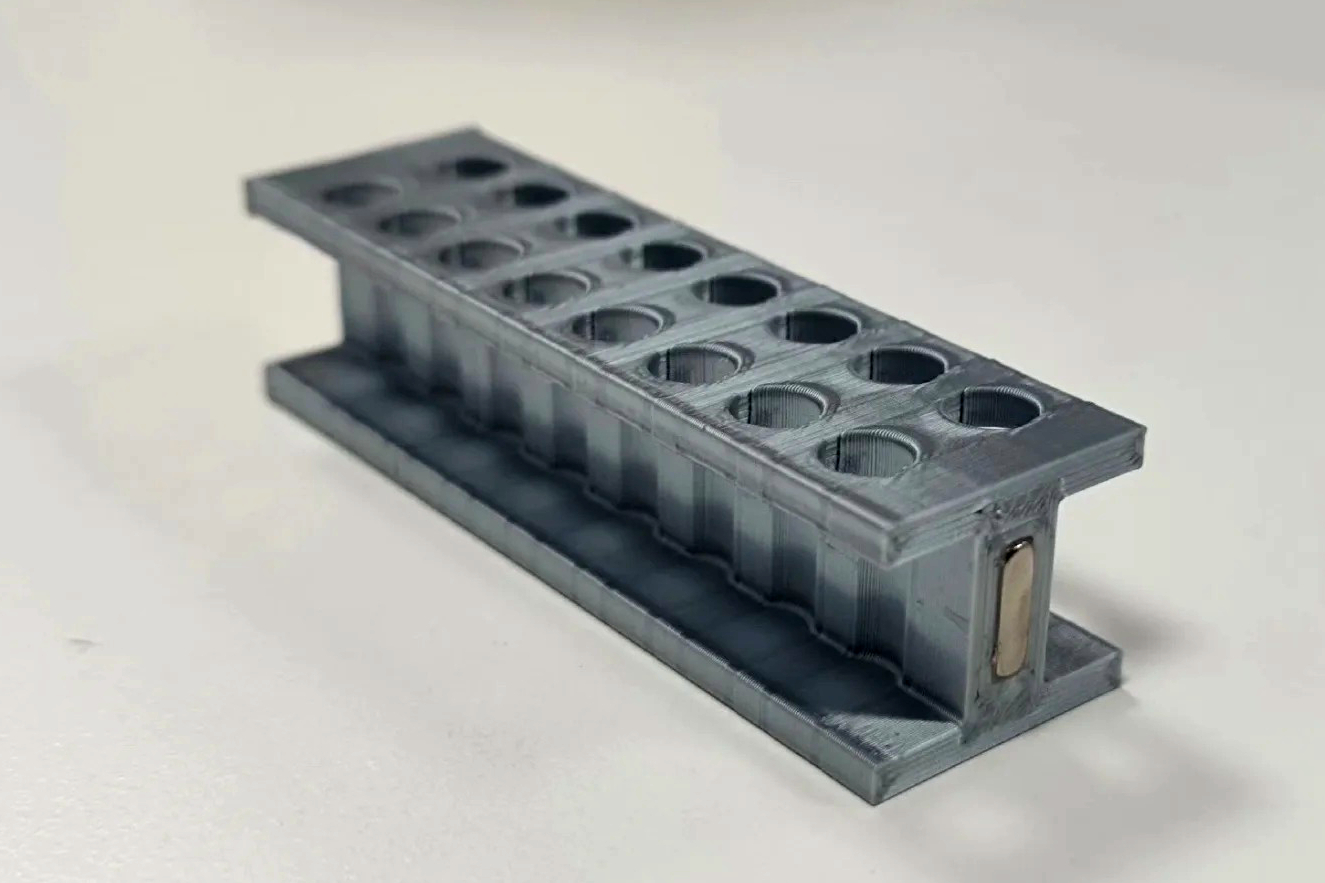
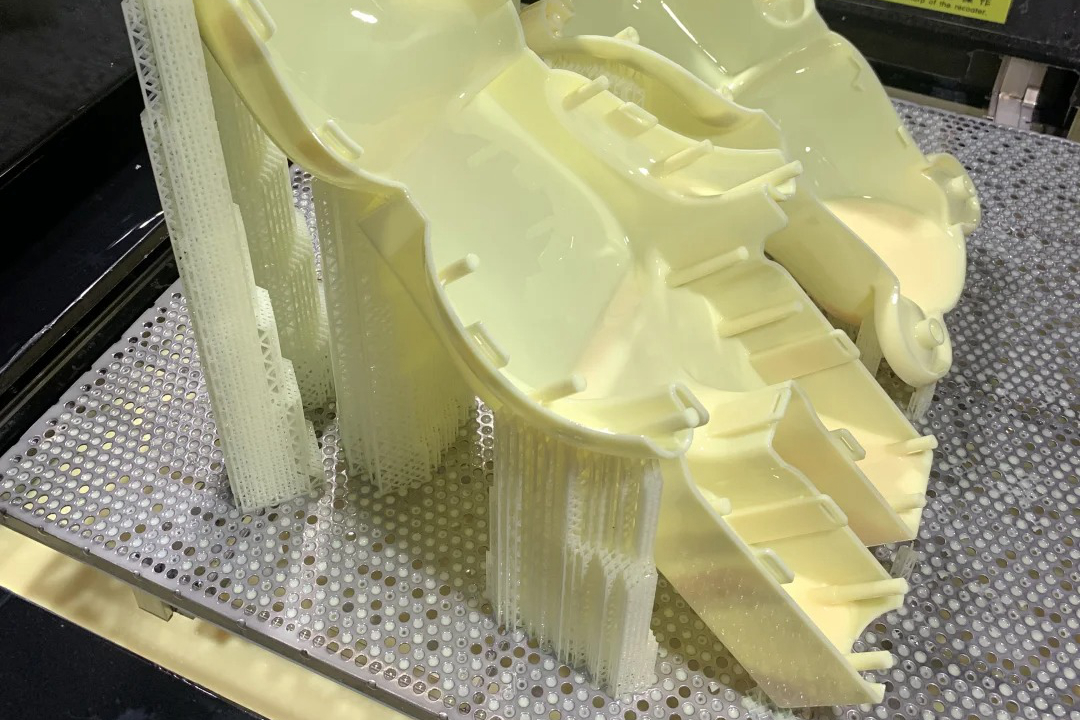
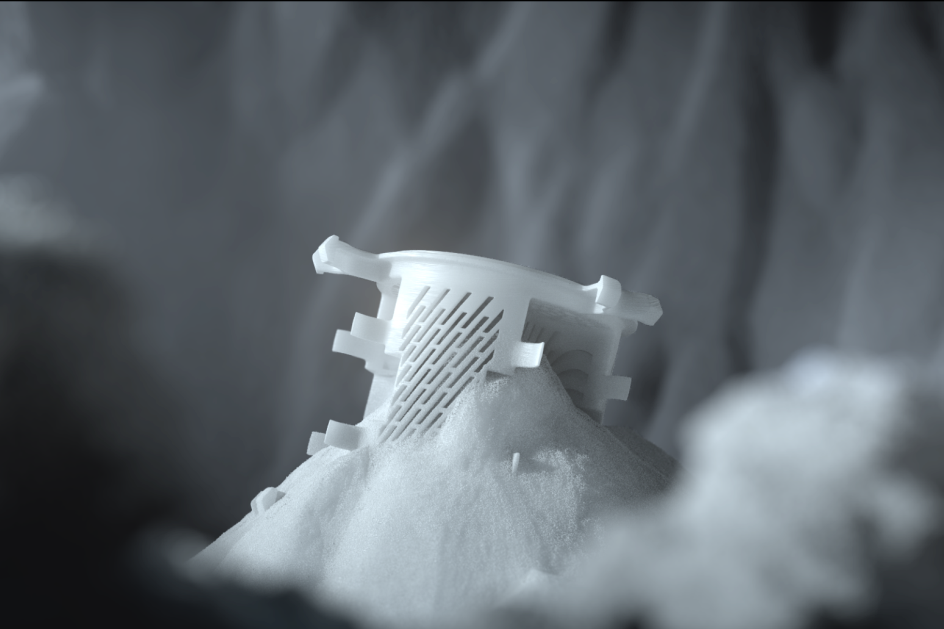
Nylon performs well in powder-bed and filament-based 3D printing service routes. SLS and MJF Nylon printing are commonly used for functional prototypes and low-volume production because they do not require support structures in the same way as many other processes, allowing complex geometries, internal features, lattice structures, and nested batches. FDM Nylon can also be used for larger or lower-cost functional prototypes, but moisture control, warpage, and print orientation are important.
During manufacturing, Nylon parts should be designed with consideration for wall thickness, shrinkage, powder removal, tolerance requirements, and moisture absorption. For parts that need better stiffness or reduced deformation, filled Nylon materials such as glass-filled or carbon-fiber-filled Nylon may be considered. For prototype projects, NewayAeroTech can use Nylon (Polyamide) 3D printing to manufacture durable parts for mechanical testing, assembly checks, product validation, and low-volume functional production.
Applicable Post-processing
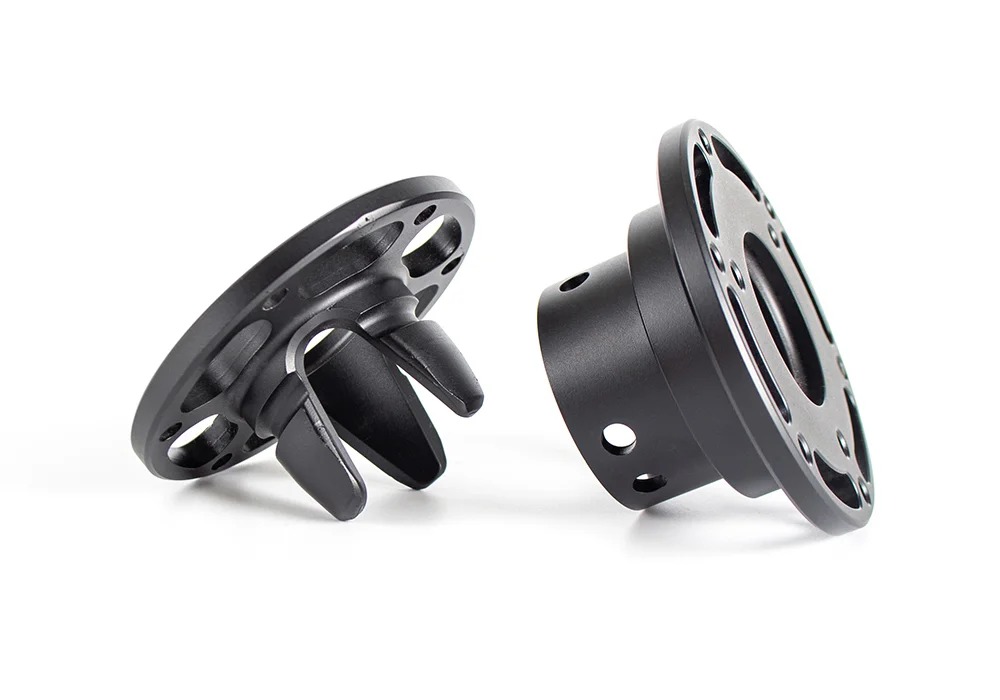
Nylon 3D printed parts may require depowdering, bead blasting, dyeing, smoothing, sealing, painting, insert installation, tapping, machining, and dimensional inspection depending on the application. Powder-bed Nylon parts usually have a slightly grainy surface after printing, which can be improved through blasting, tumbling, or surface finishing. Dyeing is commonly used when black or colored prototype parts are required for presentation or functional testing.
For mechanical assemblies, post-processing should focus on hole quality, insert retention, mating surfaces, thread features, and dimensional accuracy. If the part requires higher thermal resistance, chemical resistance, or improved structural stability, PEEK or other high-performance plastics may be more appropriate. If the part needs rubber-like flexibility, TPU should be evaluated instead.
Common Applications
Nylon is commonly used for functional prototypes, brackets, housings, clips, snap-fit components, gears, bushings, hinges, jigs, fixtures, protective covers, lightweight mechanical structures, robotics components, consumer product parts, and industrial plastic assemblies. It is especially valuable when the printed part must survive handling, assembly, movement, and short-run functional testing.
In these applications, Nylon helps reduce tooling risk by enabling engineers to test mechanical function before injection molding or machining production parts. It is also suitable for low-volume production when tooling cost, lead time, or design iteration frequency makes conventional manufacturing less practical. For end-use applications, the material grade, printing process, moisture exposure, load condition, temperature, and surface finish requirement should be reviewed before final production approval.
When to Choose Nylon (Polyamide)
Choose Nylon when the project requires a strong, durable, lightweight plastic material for functional prototypes or low-volume production parts. It is especially suitable for parts requiring toughness, wear resistance, fatigue resistance, snap-fit behavior, sliding contact, or moderate mechanical loading. Nylon is often a better option than rigid resin when the prototype must be assembled, handled repeatedly, or tested under practical use conditions.
If the part mainly requires smooth visual appearance and simple dimensional checking, Standard Resin may be more cost-effective. If the part requires rubber-like flexibility, Flexible Resin or TPU may be preferred. If the part requires higher heat resistance or chemical resistance, PEEK should be evaluated. The best choice depends on functional load, geometry, tolerance, surface finish, operating environment, and budget.
Engineering Selection Note
Nylon should be evaluated as a functional engineering plastic rather than only a visual prototyping material. For RFQ evaluation, customers should provide the 3D model, target Nylon grade if specified, expected load, mating components, wall thickness requirement, quantity, tolerance requirement, surface finish requirement, color requirement, and expected use condition. This allows NewayAeroTech to determine whether Nylon, TPU, Flexible Resin, Tough Resin, PC, PEEK, or another plastic 3D printing material is most appropriate for the part.
Explore Related Blogs