Tough Resin
Material Introduction
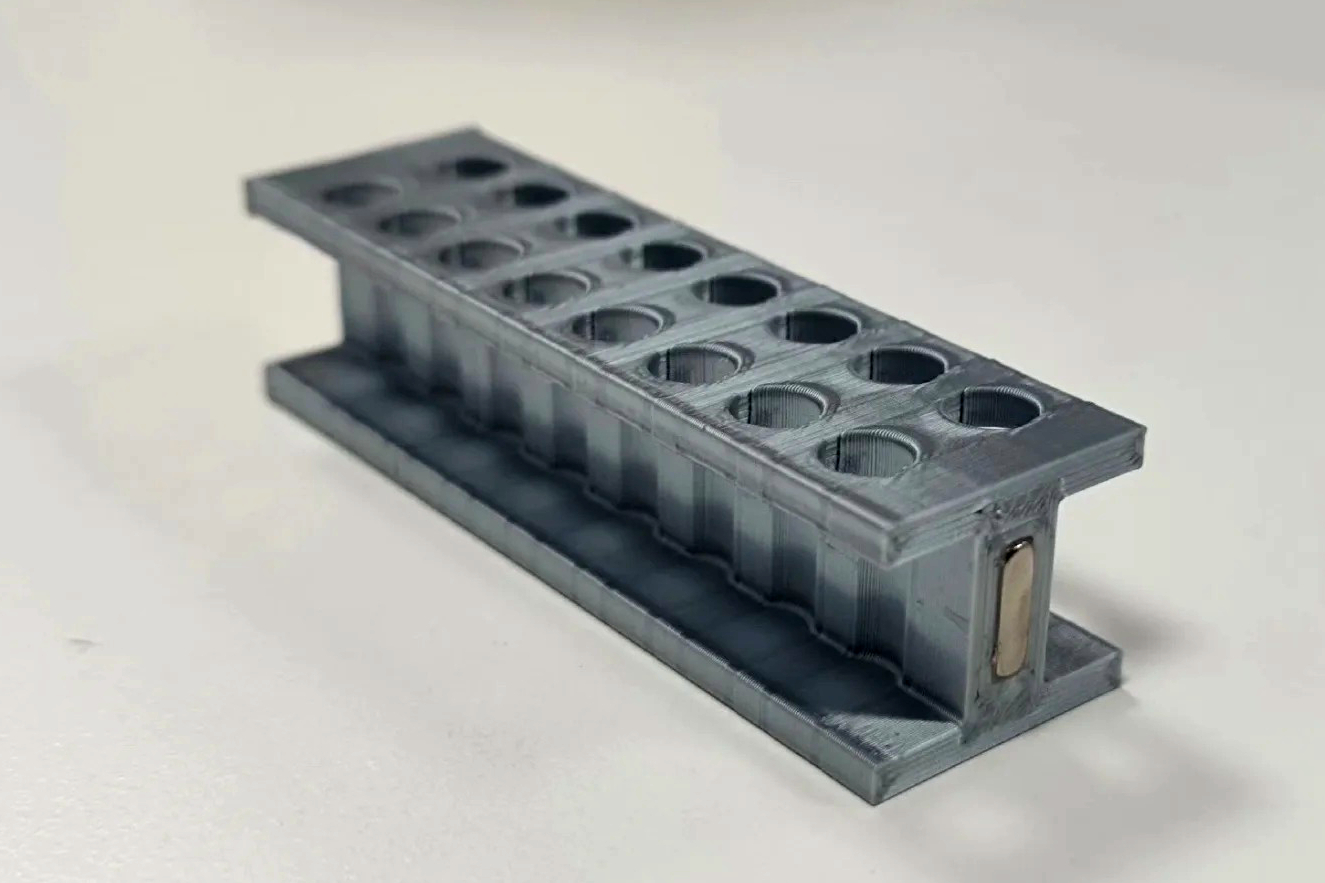
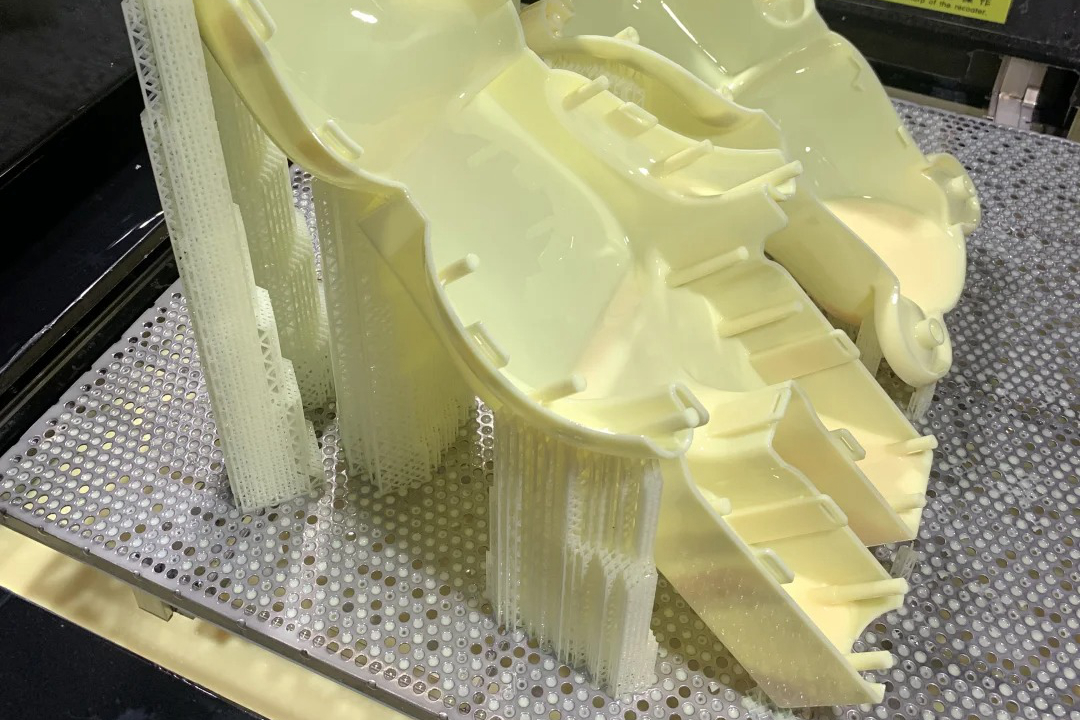
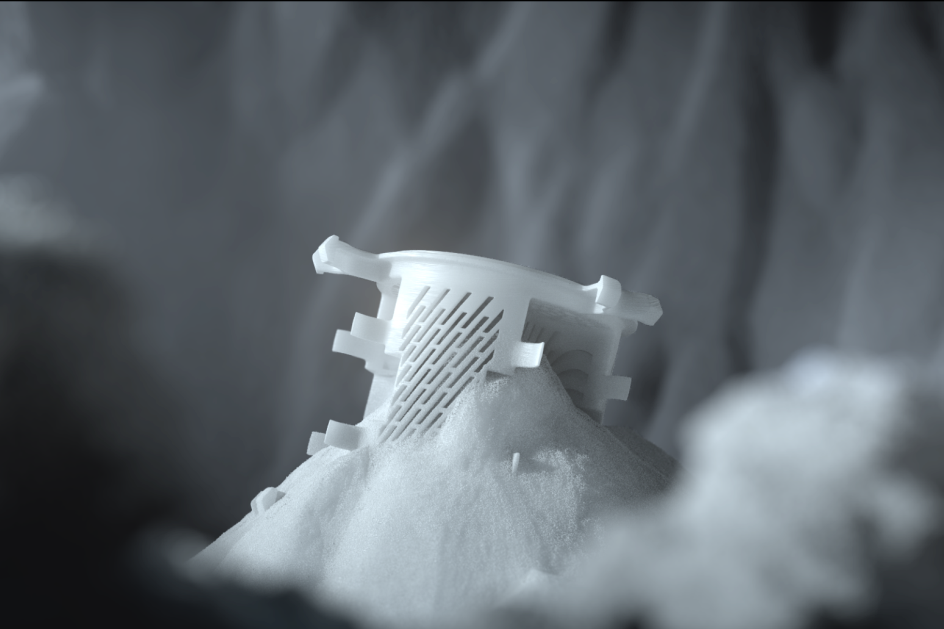
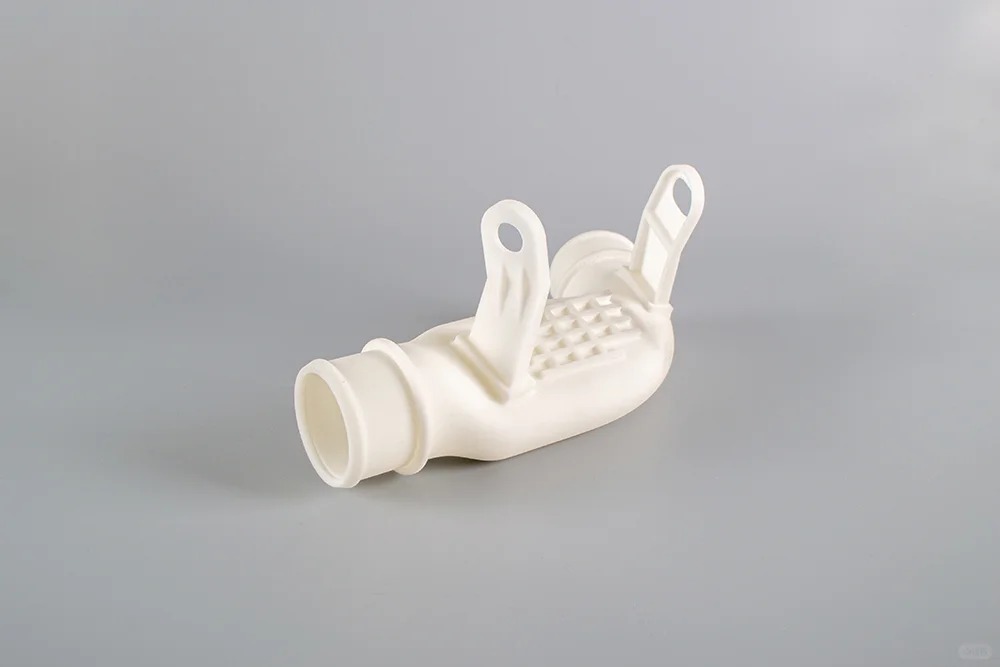
Tough Resin is a light-curable photopolymer material used in resin-based 3D printing processes such as SLA and DLP. It is designed for prototypes that require higher toughness, improved impact resistance, and better handling strength than general-purpose standard resin. Tough Resin is commonly used for functional prototypes, assembly samples, housings, brackets, clips, enclosures, snap-fit trials, and engineering validation parts where both dimensional accuracy and practical strength are required.
As part of the Photopolymer Resins family, Tough Resin provides a useful balance between high-detail resin printing and functional prototype performance. It is not as durable as many thermoplastic materials such as Nylon or PC, but it offers smoother surfaces and finer features than many powder-bed or filament-based plastic printing routes. NewayAeroTech provides Tough Resin 3D printing for prototypes that need improved mechanical performance while maintaining resin-level detail and surface quality.
International Naming Table
Region / Standard | Naming / Designation |
|---|---|
Additive Manufacturing Industry | Tough Resin / Engineering Resin / Impact-Resistant Resin |
Material Category | Toughened light-curable photopolymer resin |
Common Printing Technology | SLA / DLP / LCD resin 3D printing |
Typical Material Behavior | Rigid, tougher than standard resin, impact-resistant, smooth, high-detail |
Typical Prototype Use | Functional prototypes, housings, brackets, clips, snap-fit samples, assembly parts |
Comparable Material Family | Standard Resin, Photopolymer Resins, Nylon, PC, TPU, PP |
Alternative Material Options
Tough Resin is suitable when a prototype requires better handling strength and impact resistance than standard resin while still needing smooth surfaces and fine details. If the prototype is mainly for appearance, customer presentation, or basic fit checking, Standard Resin may be more cost-effective. If the project requires broader resin selection, Photopolymer Resins can be evaluated according to strength, surface finish, flexibility, and heat resistance requirements.
For soft-touch behavior, compression, bending, or ergonomic testing, Flexible Resin or TPU may be preferred. For more durable functional prototypes, snap-fit parts, clips, brackets, and wear-resistant components, Nylon (Polyamide) may be more suitable. For high-impact or heat-resistant engineering parts, Polycarbonate (PC) can be considered.
Design Intent of Tough Resin
Tough Resin is designed for prototypes that need more mechanical reliability than standard visual resin parts. It is commonly selected when engineers need to test assembly behavior, handling strength, impact response, snap-fit geometry, enclosure stiffness, or functional sample performance while still benefiting from the smooth surface finish and fine detail of resin printing.
The design intent of Tough Resin is different from standard visual resin and from thermoplastic engineering materials. Compared with Standard Resin, Tough Resin provides better toughness and reduced brittleness. Compared with Nylon, PC, or PEEK, it usually provides better surface quality and detail but lower long-term durability, heat resistance, and fatigue performance. Therefore, Tough Resin is best used for functional prototype validation rather than final production parts exposed to high load, heat, chemicals, or repeated fatigue cycles.
Chemical Composition
Component Type | Typical Function |
|---|---|
Photopolymer Resin Base | Forms the cured polymer network after UV or visible light exposure |
Toughened Oligomers | Improve impact resistance, elongation, and crack resistance compared with standard resin |
Reactive Monomers | Adjust viscosity, curing response, stiffness, and final mechanical behavior |
Photoinitiators | Trigger polymerization during SLA, DLP, or LCD printing |
Pigments and Additives | Control color, opacity, toughness, surface appearance, and curing behavior |
Note: Tough Resin formulations vary by supplier, printer system, color, and post-curing condition. Final performance should be confirmed using the selected resin datasheet and printed part testing.
Physical Properties
Property | Typical Reference |
|---|---|
Material Type | Toughened photopolymer resin |
Primary Printing Route | SLA / DLP / LCD resin 3D printing |
Surface Finish | Smooth surface suitable for sanding, painting, coating, and presentation models |
Detail Capability | Excellent for fine features, small holes, precise edges, and functional prototype geometry |
Impact Resistance | Better than standard resin, but generally lower than Nylon or PC |
Long-Term Durability | Best suited for prototype validation and short-term functional testing |
Mechanical Properties
Property | Engineering Relevance |
|---|---|
Impact Resistance | Helps prototypes survive handling, assembly force, light drops, and functional testing |
Toughness | Reduces brittleness compared with standard resin and supports more realistic functional validation |
Rigidity | Useful for housings, brackets, enclosures, jigs, and structural prototype shapes |
Dimensional Accuracy | Important for fit checks, assembly samples, mating surfaces, and feature validation |
Surface Quality | Supports cosmetic prototypes, painting, coating, polishing, and customer-facing models |
Fatigue Resistance | Limited compared with thermoplastics; repeated bending or cyclic loading should be tested carefully |
Material Characteristics
Tough Resin is characterized by improved impact resistance, reduced brittleness, smooth surface quality, fine detail, and functional prototype usability. It is useful when a resin prototype needs to be assembled, handled repeatedly, lightly loaded, or tested more aggressively than a standard appearance model. Tough Resin can help bridge the gap between visual resin prototypes and more durable thermoplastic parts.
Compared with Standard Resin, Tough Resin is better for functional samples, assembly trials, and impact-prone prototypes. Compared with Flexible Resin, Tough Resin is more rigid and better for structural prototype shapes, while Flexible Resin is better for rubber-like deformation. Compared with Nylon (Polyamide), Tough Resin offers smoother surfaces and finer detail, while Nylon provides better fatigue resistance, wear resistance, and long-term functional durability.
Manufacturing Process Performance
Tough Resin is processed through resin-based 3D printing service routes such as SLA, DLP, or LCD printing. These processes use controlled light exposure to cure liquid resin into solid layers, producing high-resolution prototypes with smooth surfaces and accurate geometry. Tough Resin is especially suitable for parts that require both cosmetic quality and improved functional strength, such as housings, clips, brackets, fixtures, product samples, and assembly prototypes.
During manufacturing, print orientation, support placement, drainage holes, wall thickness, and post-curing must be planned carefully. Cosmetic surfaces should be oriented to reduce support marks, while functional features such as snap fits, screw bosses, clips, and thin tabs should be designed with enough thickness and fillets to reduce stress concentration. After printing, parts are washed, supports are removed, and UV post-curing is controlled to achieve the intended balance of toughness, strength, and dimensional stability. NewayAeroTech uses Tough Resin 3D printing for functional prototypes, durable models, engineering samples, and low-volume validation parts.
Applicable Post-processing
Tough Resin parts may require cleaning, support removal, UV post-curing, sanding, polishing, painting, coating, bonding, insert installation, tapping, and dimensional inspection depending on the prototype requirement. For appearance and presentation models, sanding and painting can create a production-like surface. For functional samples, post-processing should prioritize hole accuracy, mating surfaces, assembly interfaces, support mark removal, and controlled curing.
Post-curing is especially important because excessive curing may increase stiffness and reduce toughness, while insufficient curing may reduce strength and surface quality. If the part requires repeated flexing, rubber-like behavior, or shock absorption, TPU or Flexible Resin should be evaluated. If the part requires higher heat resistance or long-term mechanical performance, Polycarbonate, Nylon, or PEEK may be more suitable.
Common Applications
Tough Resin is commonly used for functional prototypes, durable appearance models, electronics housings, brackets, clips, snap-fit samples, assembly fixtures, product validation parts, medical device prototypes, consumer product samples, mechanical mockups, jigs, small enclosures, and engineering design review components. It is especially useful when a resin prototype must survive more handling and testing than a standard visual model.
In these applications, Tough Resin helps reduce tooling risk by allowing design teams to review appearance, fit, assembly behavior, handling strength, and functional geometry before moving to injection molding, CNC machining, silicone molding, or production tooling. For low-volume prototype batches, Tough Resin printing can shorten development cycles and support faster design iteration. However, for final end-use parts, mechanical load, fatigue cycle, UV exposure, operating temperature, chemical contact, and long-term aging behavior should be reviewed before approval.
When to Choose Tough Resin
Choose Tough Resin when the project requires a resin prototype with improved impact resistance, better handling strength, smooth surface quality, and fine detail. It is especially suitable for functional samples, housings, brackets, clips, snap-fit trials, assembly prototypes, and customer-facing models that need more durability than Standard Resin but still require resin-level surface quality and dimensional accuracy.
If the part is mainly for visual appearance and simple fit checking, Standard Resin may be more cost-effective. If the part requires soft-touch flexibility, Flexible Resin or TPU should be evaluated. If the part requires repeated mechanical loading, wear resistance, or stronger end-use behavior, Nylon (Polyamide), PC, or another engineering plastic may be more suitable.
Engineering Selection Note
Tough Resin should be evaluated as a functional prototype resin rather than a universal engineering plastic. For RFQ evaluation, customers should provide the 3D model, expected load, assembly function, snap-fit or clip requirement, wall thickness, mating components, quantity, tolerance requirement, surface finish requirement, color requirement, post-processing requirement, and expected use condition. This allows NewayAeroTech to determine whether Tough Resin, Standard Resin, Flexible Resin, Nylon, TPU, PC, PEEK, or another plastic 3D printing material is most appropriate for the part.
Explore Related Blogs