
Empresa de Fundición de Monocristal de Palas de Turbina en Aleaciones de Alta Temperatura CMSX-8
Introducción
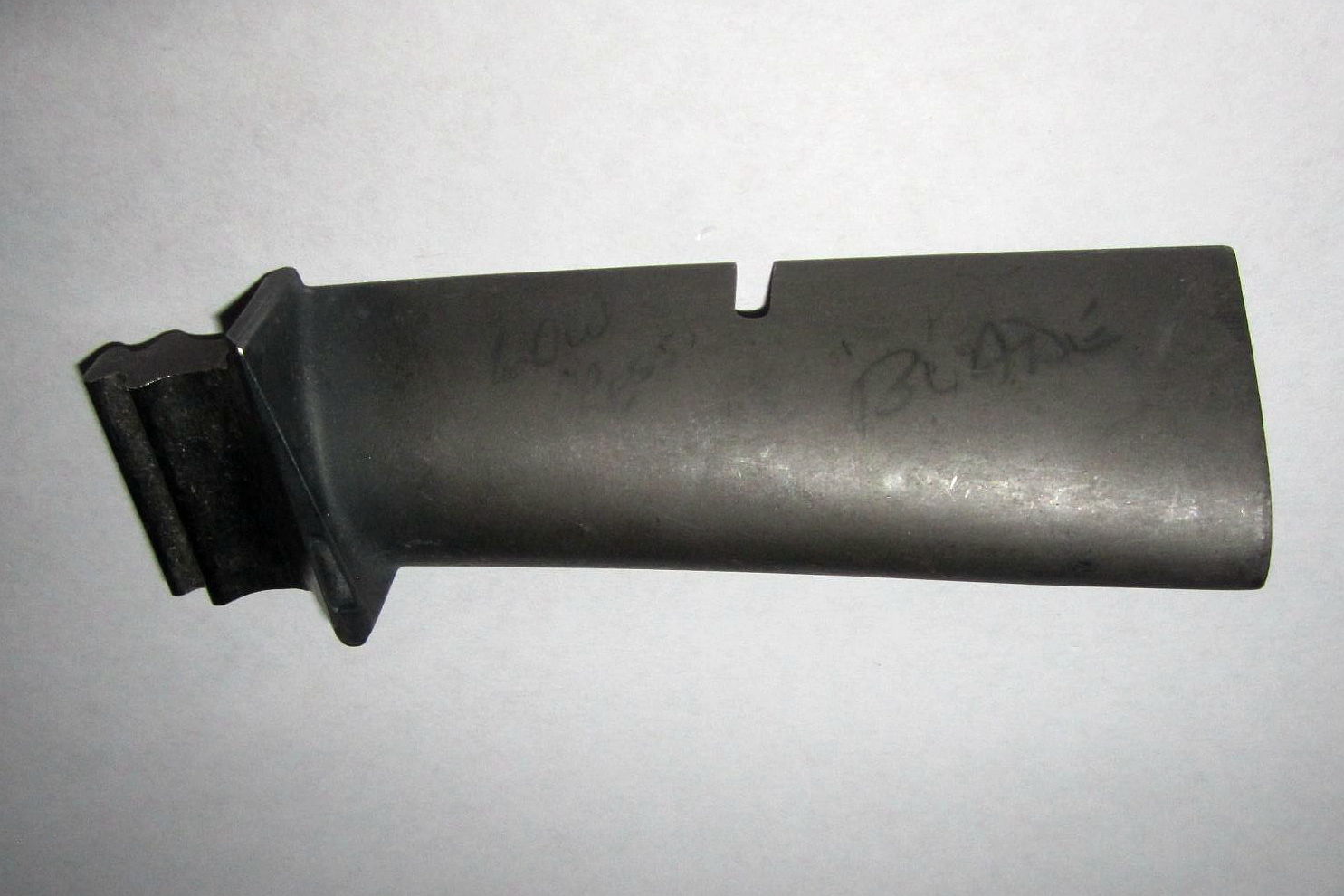
Las aleaciones de alta temperatura como CMSX-8 proporcionan una excepcional resistencia a la fluencia y a la oxidación, ideales para aplicaciones avanzadas en palas de turbina. Utilizando la tecnología de fundición de monocristal, estas aleaciones logran una alineación atómica precisa, mejorando significativamente las propiedades mecánicas y asegurando un rendimiento óptimo en turbinas aeroespaciales y motores de gas industriales sometidos a funcionamiento continuo a temperaturas de hasta 1150°C.
Neway AeroTech se especializa en la fundición de monocristal de CMSX-8, empleando un control meticuloso de la integridad microestructural y la solidificación direccional. Este enfoque riguroso da como resultado palas de turbina que demuestran una resistencia a la fatiga mejorada, una vida útil extendida y una funcionalidad confiable en entornos de estrés térmico y mecánico extremo, críticos para los sistemas de propulsión de aviación y las instalaciones de producción de energía.
Desafíos Clave en la Fabricación de la Aleación CMSX-8
El alto punto de fusión (~1360°C) exige una gestión térmica precisa.
Solidificación direccional controlada para lograr monocristales libres de defectos.
Minimizar la microporosidad y las tensiones internas residuales durante la fundición.
Mantener consistentemente las tolerancias dimensionales dentro de ±0,05 mm.
Descripción General del Proceso de Fundición de Monocristal CMSX-8
El proceso de fundición de monocristal para CMSX-8 implica:
Producción del Modelo de Cera: Creación de moldes de cera precisos mediante moldeo por inyección.
Formación del Caparazón de Inversión: Aplicación de capas de barbotina cerámica y recubrimiento de arena, secado y endurecido meticulosamente.
Eliminación de la Cera (Desencerado): Realizado en autoclave de vapor a 150°C, manteniendo la integridad del caparazón.
Fusión al Vacío y Fundición: Fusión de la aleación en alto vacío (<10⁻³ Pa) para eliminar contaminación, seguida de una solidificación controlada mediante enfriamiento direccional a ~5°C/minuto.
Formación del Monocristal: Utilización de un cristal semilla para promover un crecimiento uniforme del monocristal con la orientación deseada, típicamente <001>.
Análisis Comparativo de Técnicas de Fabricación
Proceso | Estructura de Grano | Resistencia a Alta Temp. | Resistencia a la Fluencia | Anisotropía | Costo de Producción |
|---|---|---|---|---|---|
Fundición de Monocristal | Monocristal | Excelente (1100 MPa) | Superior | Alta (optimizada direccionalmente) | Alto |
Solidificación Direccional | Granos columnares | Muy buena (~1000 MPa) | Alta | Moderada (resistencia direccional) | Moderado |
Fundición Equiaxial | Policristalino aleatorio | Buena (~850 MPa) | Moderada | Baja (propiedades isotrópicas) | Bajo |
Metalurgia de Polvos | Grano fino | Excelente (>1200 MPa) | Muy Alta | Baja (microestructura uniforme de grano fino) | Muy Alto |
Estrategia de Selección de Métodos de Fundición de Palas de Turbina
La fundición de monocristal logra la máxima resistencia a la fluencia y vida a la fatiga para palas de turbina críticas y de alta temperatura que operan alrededor de 1150°C.
La fundición direccional de superaleaciones produce estructuras de grano columnares, ofreciendo un rendimiento sólido a costos ligeramente más bajos y temperaturas de hasta 1100°C.
La fundición de cristal equiaxial de superaleaciones ofrece propiedades confiables a un costo reducido, adecuada para aplicaciones menos exigentes por debajo de 1050°C.
La fabricación de discos de turbina por metalurgia de polvos proporciona una resistencia a la fatiga superior y una alta resistencia a la tracción (1200+ MPa), pero con costos de producción significativamente elevados.
Matriz de Rendimiento del Material CMSX-8
Aleación | Temp. Máx. (°C) | Resistencia a la Tracción (MPa) | Resistencia a la Fluencia | Resistencia a la Oxidación |
|---|---|---|---|---|
1150 | 1100 | Excelente para palas de turbina, estabilidad a largo plazo superior. | Resistencia superior a la oxidación para ciclos térmicos extremos. | |
1100 | 1080 | Alta, resistencia a la fluencia ligeramente inferior a la de CMSX-8. | Resistencia excelente, ampliamente utilizada en motores de aviación. | |
1160 | 1150 | Resistencia excepcional a la fluencia, adecuada para aplicaciones de alta carga. | Superior, excelente estabilidad en condiciones de oxidación agresivas. | |
1150 | 1150 | Rendimiento superior a la fluencia a largo plazo en condiciones de alto estrés. | Resistencia excepcional a la oxidación en sistemas de propulsión aeroespacial. | |
1050 | 980 | Excelente resistencia a la fluencia, eficaz para turbinas de temperatura moderada. | Buena resistencia a la oxidación a temperaturas de servicio intermedias. | |
1140 | 1120 | Resistencia superior a la fluencia, optimizada para componentes de motores a reacción. | Excelente, ideal para exposición prolongada a altas temperaturas. |
Fundamento para la Selección del Material CMSX-8
CMSX-8 se elige por su superior resistencia a la fluencia y estabilidad a la oxidación, ideal para palas de turbina aeroespaciales a ~1150°C.
CMSX-4 se adapta a aplicaciones de temperatura ligeramente inferior (~1100°C) que requieren un equilibrio entre resistencia a la fluencia y resistencia a la oxidación.
CMSX-10 proporciona el máximo rendimiento a la fluencia a temperaturas elevadas (~1160°C), excelente para componentes de turbina de alta carga.
Rene N5 es óptimo para motores de aviación, ofreciendo una resistencia excepcional a la fluencia y protección contra la oxidación alrededor de 1150°C.
Inconel 713C sirve eficazmente a turbinas de temperatura moderada (~1050°C) donde la rentabilidad equilibra un rendimiento confiable a la fluencia.
PWA 1484 está específicamente diseñado para turbinas a reacción de alto rendimiento (~1140°C), asegurando una estabilidad superior a la fluencia a largo plazo y resistencia a la oxidación.
Técnicas Esenciales de Postprocesamiento
Prensado Isostático en Caliente (HIP): Elimina la microporosidad a ~1150°C, 100 MPa, mejorando significativamente la resistencia a la fatiga.
Recubrimiento de Barrera Térmica (TBC): Recubrimiento de zirconia estabilizada con itria (~250 µm), reduciendo la temperatura superficial de la pala en ~150°C.
Mecanizado CNC de Superaleaciones: Acabado de precisión con tolerancias dimensionales dentro de ±0,01 mm, asegurando un ajuste exacto del componente.
Mecanizado por Descarga Eléctrica (EDM): Mecanizado de alta precisión de características intrincadas con una precisión dimensional dentro de ±0,005 mm.
Aplicaciones Industriales y Estudio de Caso
Las palas de turbina de monocristal CMSX-8 fabricadas por Neway AeroTech se aplican extensamente en motores aeroespaciales y turbinas de gas industriales. Un caso notable incluye palas de turbina para un motor de avión comercial que opera consistentemente a temperaturas alrededor de 1100°C, resultando en una extensión de la vida útil del componente de aproximadamente un 25% en comparación con las palas de aleación tradicionales.
Preguntas Frecuentes
¿Qué tolerancias dimensionales se pueden lograr en la fundición de palas de turbina CMSX-8?
¿Cómo mejora la fundición de monocristal el rendimiento y la durabilidad de las palas de turbina?
¿Qué tecnologías de postprocesamiento son esenciales para la fabricación de palas de turbina de alta temperatura?
¿Qué temperatura operativa máxima puede soportar de manera confiable la aleación CMSX-8?
¿Cómo se asegura la calidad y consistencia en la producción de palas de turbina CMSX-8?
