Beneficios del Prensado Isotérmico en Caliente (HIP) en Piezas Fundidas de Superaleación
Piezas Fundidas de Superaleación y su Importancia Industrial
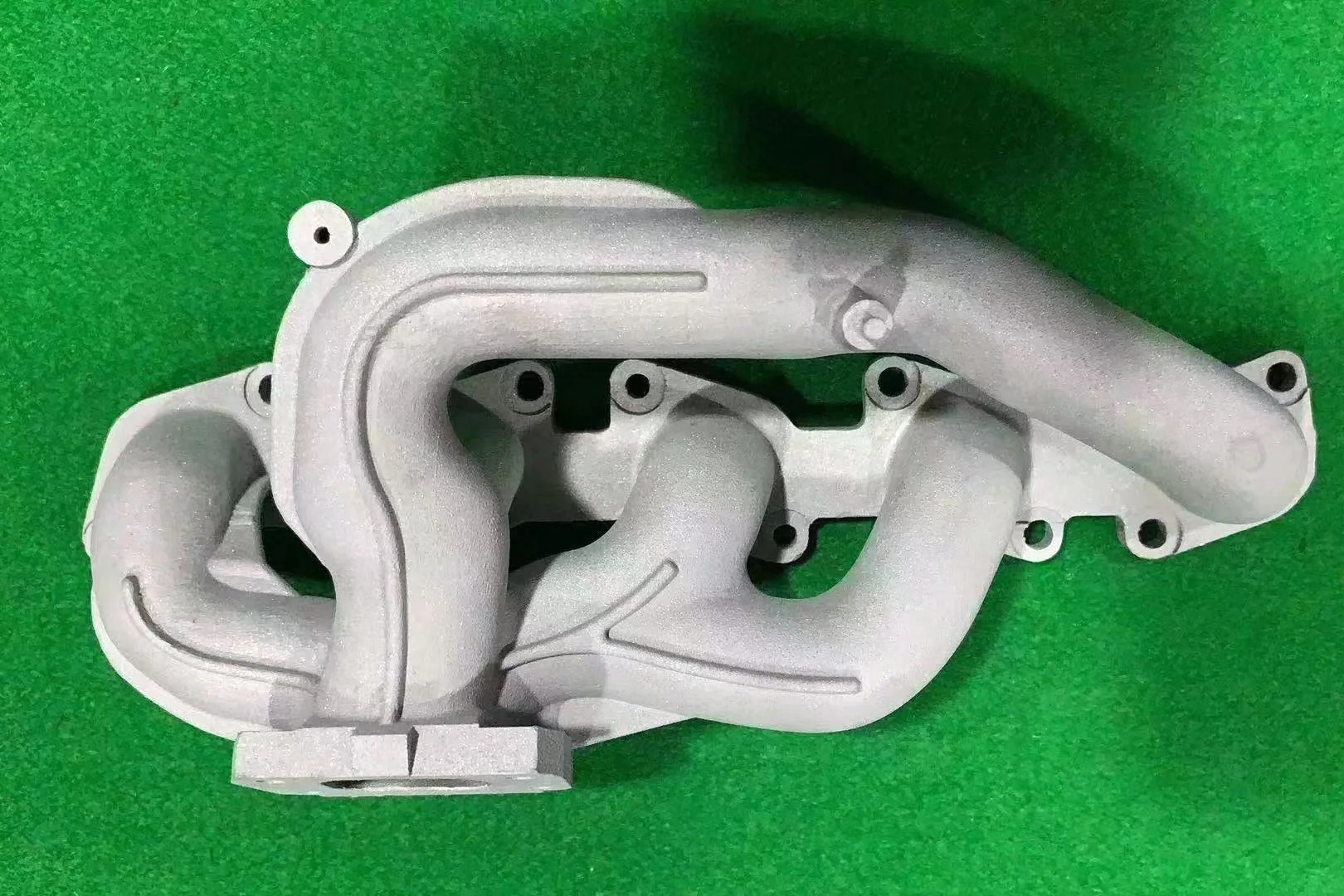
Las piezas fundidas de superaleación son materiales de alto rendimiento diseñados para soportar condiciones extremas. Conocidas por su excepcional resistencia, resistencia a la oxidación y estabilidad térmica, las superaleaciones se utilizan comúnmente en industrias de alto estrés como la aeroespacial, generación de energía, petróleo y gas, y fabricación de equipos médicos. Estas aleaciones componen componentes críticos como álabes de turbina, cámaras de combustión, válvulas y herramientas de fondo de pozo, donde el fallo no es una opción.
Mejora de Piezas Fundidas de Superaleación con Prensado Isotérmico en Caliente (HIP)
El Prensado Isotérmico en Caliente (HIP) es una potente técnica de postprocesado que mejora aún más el rendimiento y la fiabilidad de las piezas fundidas de superaleación. Al aplicar alta presión y temperatura en un entorno controlado, el HIP elimina la porosidad interna, aumenta la densidad y mejora las propiedades mecánicas. Este blog explora cómo funciona el HIP, sus beneficios para las piezas fundidas de superaleación y su importancia en diversas aplicaciones de alta demanda.
Comprensión del Prensado Isotérmico en Caliente (HIP)
¿Qué es el HIP?
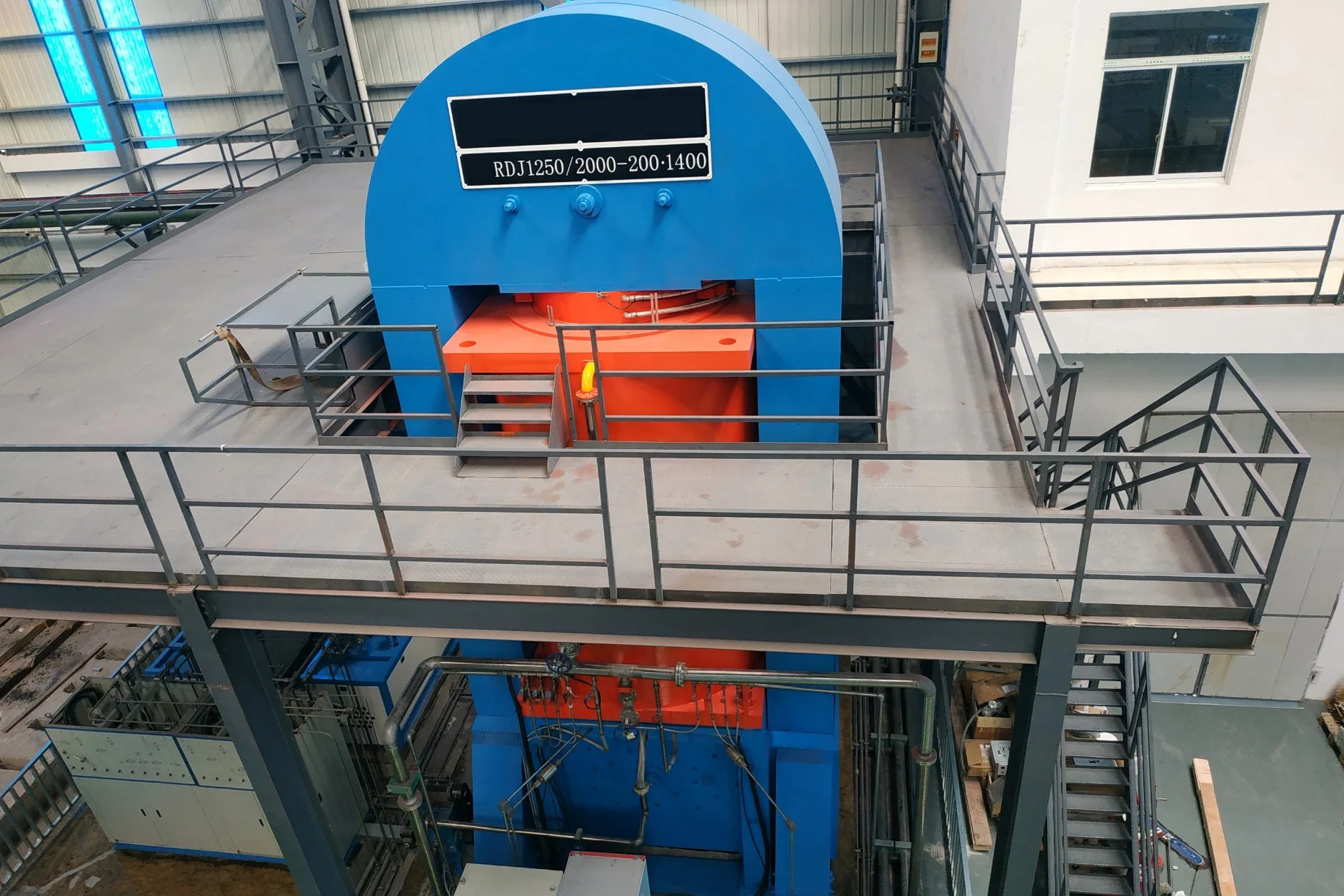
El Prensado Isotérmico en Caliente (HIP) es un método de postprocesado que combina alta presión y alta temperatura en una cámara de gas presurizada (a menudo argón) para densificar materiales y eliminar la porosidad interna. El proceso mejora las propiedades mecánicas del material al crear una estructura uniforme y libre de defectos. El HIP se utiliza ampliamente en la producción de piezas fundidas de superaleación debido a su capacidad para mejorar la resistencia, tenacidad y fiabilidad general de los componentes.
Cómo Funciona el HIP
Carga de la Pieza Fundida: La pieza fundida se coloca en una cámara HIP llena de un gas inerte, típicamente argón.
Presurización y Calentamiento: La cámara se calienta a alta temperatura mientras se aplica presión isostática desde todas las direcciones.
Densificación: Bajo estas condiciones, cualquier poro o vacío interno dentro de la pieza fundida se comprime y elimina a medida que el material sufre deformación plástica para llenar los huecos.
Enfriamiento Controlado: Después de lograr la densidad y microestructura deseadas, el componente se enfría de manera controlada para estabilizar su estructura.
Este proceso HIP paso a paso mejora la uniformidad, densidad e integridad estructural de las piezas fundidas de superaleación, haciéndolas ideales para aplicaciones de alto estrés.
Por qué el HIP es Esencial para las Superaleaciones
Debido a sus complejos procesos de fabricación, las piezas fundidas de superaleación a menudo tienen porosidad interna y estructuras de grano no uniformes. La porosidad y las inclusiones pueden actuar como puntos débiles dentro de la aleación, reduciendo su capacidad para soportar estrés y aumentando el riesgo de fallo. El HIP aborda estos desafíos al comprimir y eliminar la porosidad, homogeneizar la microestructura y refinar el tamaño de grano. Como resultado, las superaleaciones tratadas con HIP ofrecen propiedades mecánicas mejoradas y un rendimiento duradero bajo condiciones exigentes.
Cómo el HIP Apoya Aplicaciones Específicas de Superaleación
Componentes Aeroespaciales
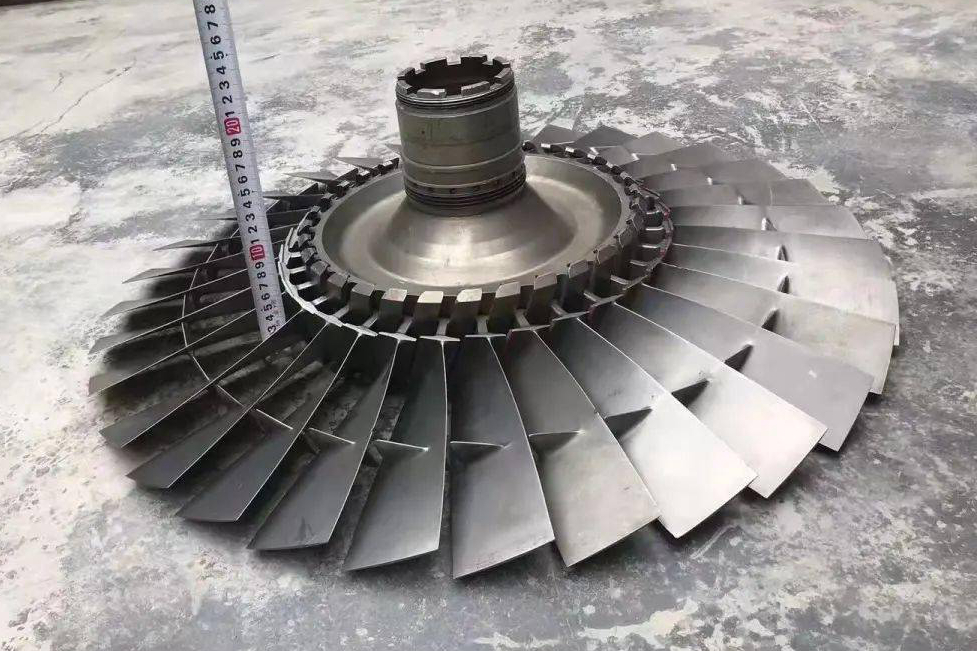
Los componentes de superaleación deben soportar altas temperaturas y estrés en la industria aeroespacial, particularmente en motores a reacción y turbinas. Las superaleaciones tratadas con HIP se utilizan en álabes de turbina, cámaras de combustión y componentes estructurales, donde eliminar defectos internos y lograr una microestructura uniforme es crucial para un rendimiento fiable. La resistencia mejorada y la resistencia a la fluencia proporcionadas por el HIP permiten que estos componentes soporten las condiciones extremas encontradas durante el vuelo, reduciendo el riesgo de fallo en vuelo.
Generación de Energía
Las turbinas de gas y vapor en centrales eléctricas también utilizan superaleaciones por sus capacidades de alta temperatura y carga. Las superaleaciones tratadas con HIP se utilizan en componentes de turbina sometidos a estrés constante y fluctuaciones de temperatura, ya que proporcionan una resistencia superior a la fatiga térmica y la oxidación. El uso del HIP en la generación de energía ayuda a mejorar la eficiencia y longevidad de las turbinas, reduciendo los costos operativos y mejorando la fiabilidad de la producción de energía.
Industria del Petróleo y Gas
La industria del petróleo y gas requiere materiales que resistan la corrosión, la presión y temperaturas extremas. Las superaleaciones tratadas con HIP se utilizan en herramientas de fondo de pozo, válvulas, bombas y otros equipos expuestos a entornos agresivos. El proceso aumenta la resistencia a la corrosión y la resistencia mecánica, asegurando que los componentes mantengan su integridad durante las operaciones de perforación y extracción, donde un fallo podría ser costoso y peligroso.
Implantes Médicos y Aplicaciones Industriales
En el campo médico, las superaleaciones tratadas con HIP se utilizan en implantes de alta pureza y libres de defectos donde la fiabilidad es crítica. Las aplicaciones industriales que involucran maquinaria pesada, bombas y válvulas también se benefician del HIP, ya que el proceso produce componentes con propiedades mecánicas consistentes y resistencia al desgaste. El HIP asegura que estas partes funcionen de manera segura y fiable, incluso bajo estrés continuo.
Comparación del HIP con Otras Técnicas de Postprocesado
HIP vs. Tratamiento Térmico
Mientras que el HIP y el tratamiento térmico mejoran las propiedades mecánicas, el HIP aborda específicamente la porosidad interna y densifica el material. En contraste, el tratamiento térmico modifica la estructura del grano para aliviar el estrés y mejorar la dureza. El tratamiento térmico a menudo se combina con el HIP para lograr tanto la densificación como propiedades mecánicas optimizadas en superaleaciones, particularmente para aplicaciones que requieren durabilidad mejorada y vida útil más larga.
HIP vs. Soldadura y Recubrimiento Superficial
La soldadura y los recubrimientos superficiales reparan o protegen la superficie de los componentes de superaleación. Sin embargo, el HIP aborda defectos internos y densifica toda la estructura, asegurando propiedades mecánicas consistentes en todo el material. El HIP puede usarse junto con estos tratamientos superficiales para proporcionar protección y durabilidad integral, particularmente con recubrimientos de barrera térmica que mejoran el rendimiento en entornos de alta temperatura.
HIP Combinado con Otros Procesos
El HIP a menudo se usa junto con mecanizado, tratamiento térmico y recubrimientos para producir componentes de superaleación que cumplan con estándares exigentes. Combinar el HIP con otras técnicas de postprocesado mejora tanto las propiedades internas como superficiales, resultando en componentes que pueden soportar entornos de alto estrés y resistir el uso a largo plazo. Esta sinergia de procesos produce componentes de alta calidad y libres de defectos que sobresalen en sectores exigentes como la aeroespacial y la generación de energía.
Qué Piezas de Superaleación Necesitan HIP
Las piezas de superaleación que se someten a Prensado Isotérmico en Caliente (HIP) experimentan mejoras significativas en rendimiento y durabilidad. Algunos componentes estándar de superaleación tratados con HIP incluyen:
Piezas Fundidas por Inversión al Vacío: Utilizadas en aeroespacial y generación de energía, estas piezas aprovechan la capacidad del HIP para eliminar porosidad y mejorar la resistencia de la aleación.
Piezas Fundidas de Cristal Único: Críticas en motores a reacción, el HIP ayuda a prevenir debilidades en los límites de grano en piezas de cristal único.
Piezas Fundidas de Cristal Equiaxial: El HIP refina la estructura del grano y elimina defectos, haciéndolas ideales para piezas que experimentan estrés multidireccional.
Piezas Fundidas Direccionales: El HIP mejora la resistencia a la fatiga y el rendimiento a alta temperatura en maquinaria rotativa.
Piezas Fundidas de Aleación Especial: El HIP optimiza el rendimiento de aleaciones únicas en entornos exigentes.
Piezas de Superaleación por Metalurgia de Polvos: El HIP elimina vacíos comúnmente encontrados en piezas de metalurgia de polvos, resultando en una aleación más robusta y densa.
Piezas de Forja de Precisión: El HIP mejora la resistencia y consistencia de los componentes de superaleación forjados, lo cual es crucial para aplicaciones aeroespaciales y de energía.
Piezas de Superaleación Mecanizadas por CNC: El HIP (Prensado Isotérmico en Caliente) alivia el estrés y mejora las propiedades mecánicas en piezas mecanizadas.
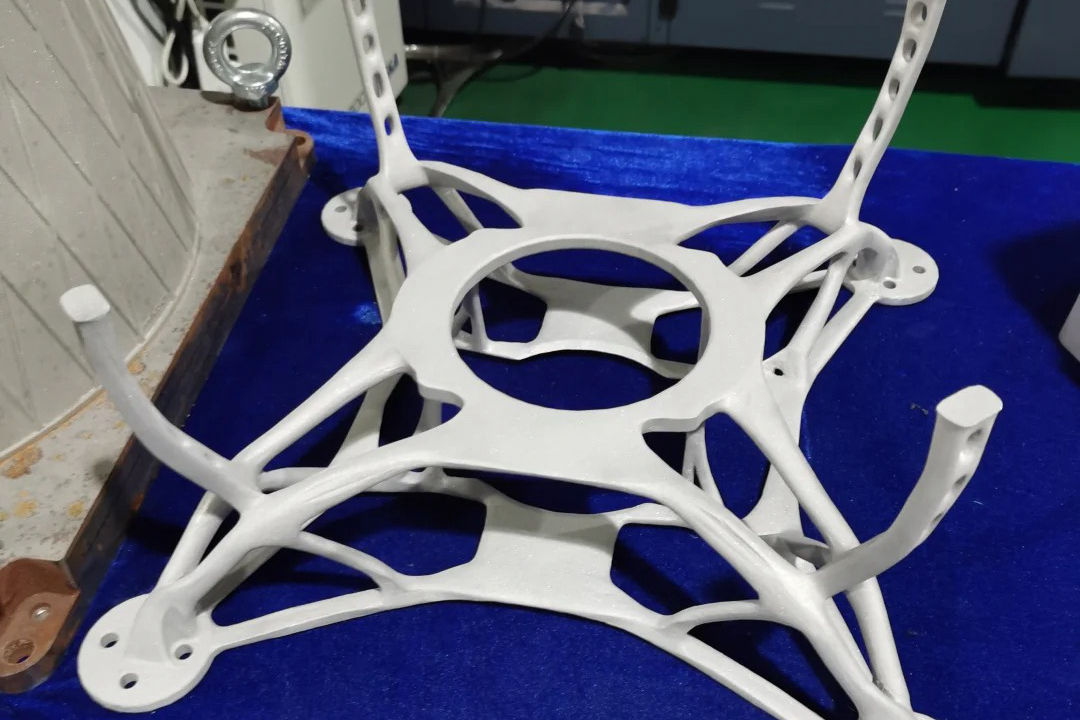
Componentes de Superaleación Impresos en 3D: El HIP densifica la estructura impresa, haciéndola fiable para aplicaciones estructurales y de alto rendimiento.
Preguntas Frecuentes (FAQs)
¿Qué propiedades específicas mejora el HIP en las piezas fundidas de superaleación?
¿Cómo contribuye el HIP a extender la vida útil de los componentes de superaleación?
¿Por qué el HIP es más efectivo que otros métodos de postprocesado para la eliminación de porosidad?
¿Qué tipos de piezas fundidas de superaleación se benefician más del HIP?