中文

CMSX Alloy Selection for Single Crystal Turbine Blade RFQs

目录
Direct Answer Summary
Why CMSX Alloy Selection Matters for Turbine Blades
Material, Process, Component and Application Matrix
Casting and Post-Processing Route
When Should Buyers Choose CMSX-4, CMSX-10, or Rene N5?
Quality Control and Inspection Requirements
Supplier Fit for NewayAeroTech
RFQ Checklist for a Useful Quote
Conclusion
Related FAQs
FAQ

CMSX Alloy Selection for Single Crystal Turbine Blade RFQs

Direct Answer Summary

CMSX Alloy Selection for Single Crystal Turbine Blade RFQs is a purchasing and engineering topic for buyers evaluating CMSX alloy selection for single crystal turbine blades. The decision should connect CMSX-4 / CMSX-10 / Rene N5, single crystal casting, heat treatment, HIP review, CNC machining, EDM, coating preparation, inspection, single crystal turbine blades and blade airfoils, inspection evidence, and RFQ scope. NewayAeroTech reviews custom turbine and hot-section component projects from customer drawings, samples, specifications, and engineering requirements, with single crystal turbine blade casting as the main route reference for this cluster.

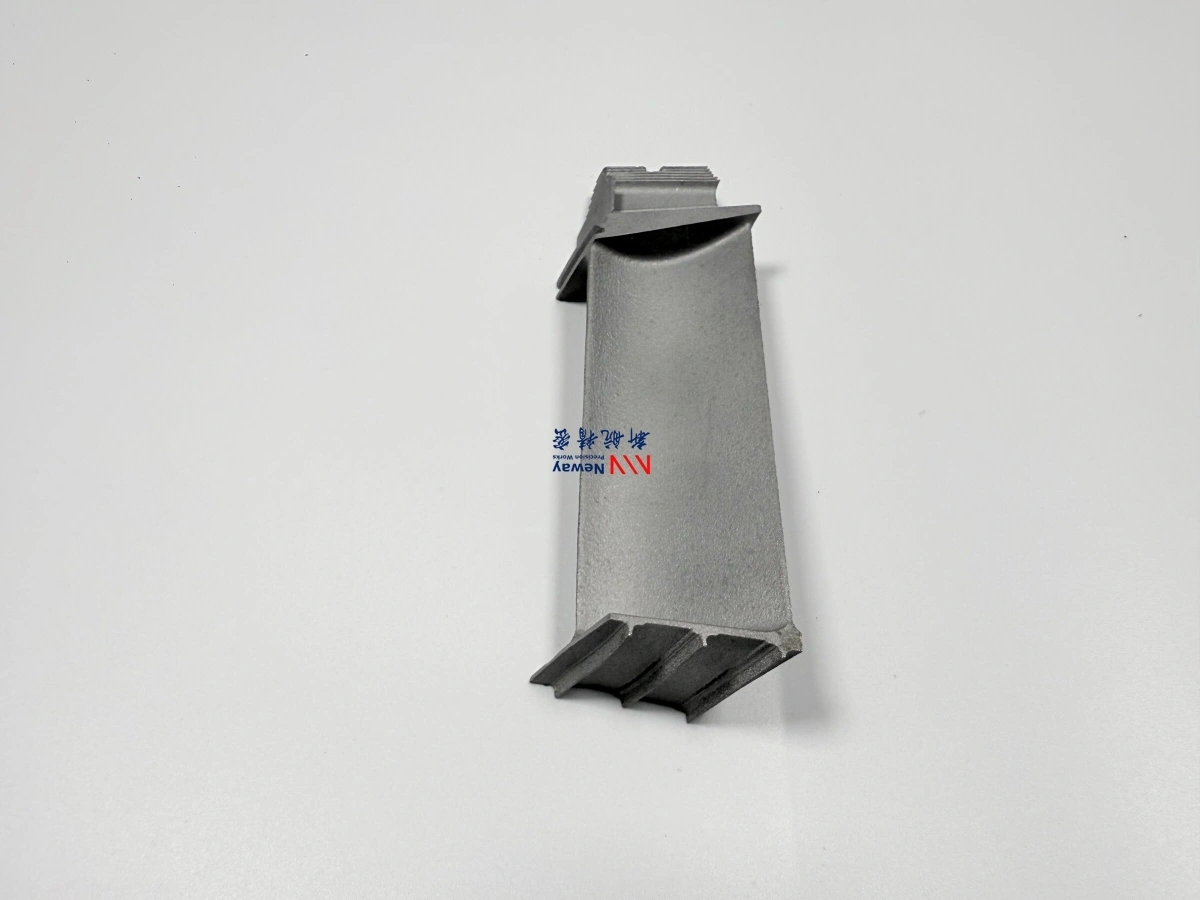
CMSX Alloy Selection for Single Crystal Turbine Blade RFQs process review by NewayAeroTech

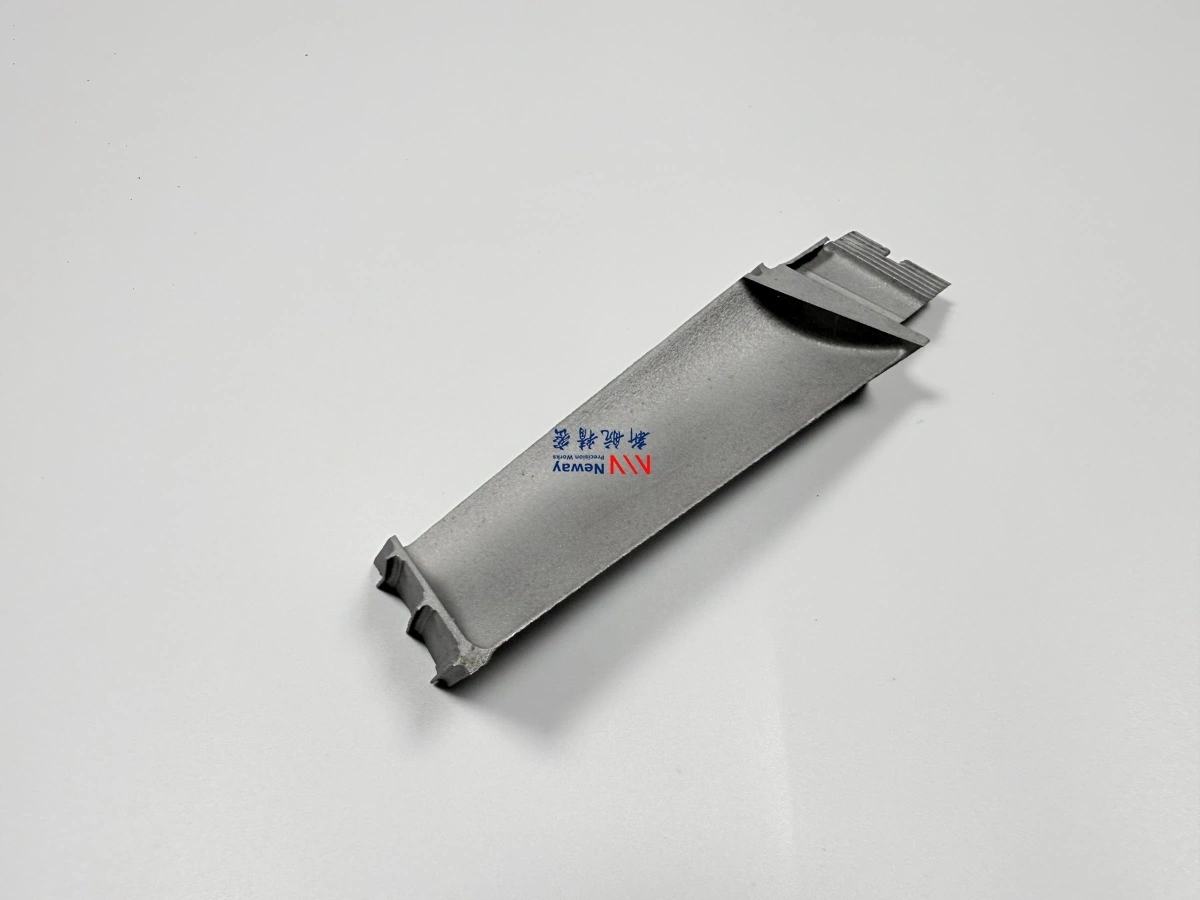
CMSX Alloy Selection for Single Crystal Turbine Blade RFQs RFQ and inspection planning

Why CMSX Alloy Selection Matters for Turbine Blades

CMSX-4, CMSX-10, Rene N5, and related nickel-based single crystal alloys are not interchangeable purchasing labels. Aerospace engine blades, UAV turbine blades, industrial gas turbine blades, and power generation hot-section parts may require different alloy, coating, heat treatment, and inspection evidence. The correct route depends on customer specifications and is subject to engineering review. If the buyer is comparing single crystal blade requirements with equiaxed crystal casting, the RFQ should make the required solidification route explicit.

For alloy-focused RFQs, the safest commercial wording is often "subject to engineering review" rather than a quick material promise. CMSX-4, CMSX-10, and Rene N5 can each appear in turbine blade conversations, but the drawing, customer specification, section thickness, coating plan, and acceptance records decide whether a route is realistic. NewayAeroTech treats this as a material-control discussion before it becomes a purchase order.

Material review also affects how much process documentation is needed. For a development blade, the buyer may need engineering discussion around alloy selection, route feasibility, and inspection evidence before committing to production. For repeat production, the same alloy decision may require stricter revision control, stable heat treatment instructions, and repeatable inspection records.

For procurement teams, alloy discussion should be tied to what is being bought. A raw casting blank, a heat-treated casting, a machined blade, and a coated finished component may share the same material name but carry different supplier responsibilities. NewayAeroTech asks buyers to define that scope before treating two prices as comparable.

Material, Process, Component and Application Matrix

Material

Process

Typical Components

Applications

CMSX-4

Single crystal casting, heat treatment, FPI, X-ray, CMM

Turbine blades, airfoil sections, blade platforms

Aerospace engines, UAV turbine engines, industrial gas turbines

CMSX-10

Single crystal casting with stricter route review

High-temperature turbine blade projects

Advanced turbine hot-section applications

Rene N5

Single crystal or advanced superalloy blade route review

Blade and hot-section airfoil components

Gas turbine and power-generation projects

Inconel 738LC / 713C

Casting and post-processing review for non-SX parts

Vanes, nozzles, heat shields, shrouds

Industrial gas turbines and high-temperature hardware

Buyers should also avoid mixing equiaxed, directional solidification, and single crystal requirements in one unclear sentence. Those routes have different cost drivers, defect risks, and inspection expectations. If the blade truly requires single crystal casting, the RFQ should say so and include the specification or acceptance basis that makes the requirement clear.

NewayAeroTech normally asks whether the alloy is locked by a customer specification or open to review. If the alloy is locked, the quote should follow that requirement and identify any manufacturing concerns. If the alloy is open, the discussion should compare candidate materials against geometry, application, casting route, post-processing, and acceptance evidence.

Specification hierarchy should also be visible. If a purchase specification overrides a drawing note, or if a customer document controls material acceptance, those documents should be included in the inquiry. Without hierarchy, the supplier may quote a technically plausible route that does not satisfy the buyer's final approval process.

Casting and Post-Processing Route

Route Step

Engineering Purpose

Drawing and specification review

Confirm whether CMSX-4, CMSX-10, Rene N5, or another alloy is mandatory or open to review.

Material responsibility check

Identify certificate needs, heat lot traceability, specification hierarchy, and substitution limits.

Single crystal casting route

Review blade geometry, airfoil section, platform transition, and root details before route confirmation.

Thermal and post-processing review

Confirm heat treatment, HIP review, coating preparation, EDM, and CNC machining when required.

Final inspection

Use FPI, X-ray, CMM, metallography, chemical analysis, and reports based on customer requirements.

A material comparison is useful only when it ends in an action. For a new blade project, the action may be to confirm CMSX-4 or CMSX-10 with the design owner; for a replacement or redesign project, it may be to send a sample, drawing notes, and operating background for manufacturing review. NewayAeroTech can then separate feasible manufacturing routes from alloy names that only look similar on paper.

The buyer should not separate material selection from coating or surface condition. A blade that needs TBC preparation, oxidation-resistant coating, local blending, or protected sealing surfaces may need different handling after casting and heat treatment. Those details affect the finished part and should be included before price comparison.

Single crystal alloy projects may also need discussion of reject handling. Buyers should state whether nonconforming findings are rejected outright, reviewed by engineering disposition, or handled under a customer-specific process. That affects inspection records and commercial risk during sample approval.

When Should Buyers Choose CMSX-4, CMSX-10, or Rene N5?

Buyers should choose a CMSX or Rene single crystal alloy when the blade duty, drawing, and customer specification require that material route. The choice should not be made from material name alone. It should include airfoil geometry, root features, creep-risk areas, thermal exposure, coating plan, inspection records, and supply condition.

For finished blades, material selection also affects downstream work. Root machining, EDM openings, local blending, coating preparation, and final CMM inspection can change after heat treatment or coating preparation. These steps should be included in the commercial scope if the buyer expects more than a raw casting blank.

Material traceability should be stated in practical terms. If the buyer requires chemistry records, heat lot traceability, mechanical testing, or customer-specific documentation, those records need to appear in the RFQ. NewayAeroTech can then quote the material and reporting scope as part of the manufacturing package.

For UAV turbine, aerospace engine, and industrial gas turbine work, the same material label may be used under different operating assumptions. Temperature exposure, duty cycle, thermal fatigue, corrosion, and coating requirements all influence whether the selected alloy and manufacturing route make sense. NewayAeroTech therefore asks for application context instead of quoting from alloy name alone.

Quality Control and Inspection Requirements

Material selection changes the inspection package. Buyers may need CMM inspection, FPI or DPI, X-ray or radiographic testing, metallographic inspection, chemical composition analysis, hardness testing, tensile testing, heat treatment records, and dimensional inspection reports. CMM inspection can support dimensional evidence when root, platform, datum, or machined interface control is required. superalloy post-processing may also be relevant when the selected alloy requires heat treatment, HIP review, machining, coating preparation, or final surface control.

The final quote should make alloy responsibility visible. A useful response states the assumed alloy, required documents, inspection evidence, excluded substitutions, and any items that need customer confirmation. That gives procurement teams a cleaner basis for comparing suppliers without turning the article into broad material marketing.

A useful material decision is therefore not "CMSX-4 versus CMSX-10" in isolation. It is a decision about alloy, blade duty, manufacturing route, post-processing, inspection evidence, and commercial responsibility. That is the level of detail NewayAeroTech needs before confirming feasibility for custom single crystal blade work.

Supplier Fit for NewayAeroTech

Project Requirement

NewayAeroTech Fit

Custom superalloy turbine parts

Suitable when the buyer provides drawings, material grade, quantity, and inspection requirements.

Drawing-based manufacturing

Suitable for projects based on 2D drawings, 3D models, samples, specifications, and engineering requirements.

Vacuum casting + CNC machining projects

Suitable when casting, heat treatment, HIP review, CNC machining, EDM, coating preparation, and inspection must be reviewed together.

Small to medium batch production

Suitable subject to geometry, alloy, tooling, inspection, and documentation requirements.

High-temperature alloy inspection

Suitable when CMM, FPI, X-ray, metallography, chemical analysis, hardness, or mechanical testing records are required.

Standard OEM spare parts resale

Not the main choice. NewayAeroTech does not sell original OEM inventory parts.

Low-cost general metal parts

Not the best fit when the project does not require superalloy, turbine, hot-section, or inspection capability.

RFQ Checklist for a Useful Quote

RFQ Information

Why It Matters

2D drawing

Defines dimensions, datum references, tolerances, and inspection notes.

3D model

Helps review geometry, tooling, machining allowance, and feature access.

Material grade

Confirms CMSX, Rene, Inconel, or other superalloy requirements.

Quantity

Separates prototype, pilot, and repeat production quotation logic.

Tolerance

Affects CNC machining, CMM inspection, fixture planning, and acceptance risk.

Surface finish

Influences machining, coating preparation, polishing, and inspection scope.

Heat treatment requirement

Defines thermal processing and required records.

Coating requirement

Clarifies TBC, oxidation-resistant coating, or surface-preparation scope.

Inspection standard

Controls FPI, X-ray, CMM, metallography, certificates, and report format.

Working temperature or application environment

Helps evaluate material, process, coating, and risk level.

Sample part if available

Supports replacement review, reverse-engineering discussion, and feature confirmation.

Conclusion

CMSX alloy selection for single crystal turbine blades is suitable when the buyer needs custom manufacturing support for superalloy turbine blades, blade airfoils, and hot-section components. NewayAeroTech can review casting, post-processing, machining, coating, and inspection scope based on drawings, material requirements, quantity, and acceptance standards.

For quotation, send the drawing package, material grade, quantity, tolerance requirements, surface condition, heat treatment or coating notes, and inspection standards.

FAQ

  1. What information is needed to quote single crystal turbine blade

  2. When should buyers choose CMSX-4 or CMSX-10 for turbine blades?

  3. Which inspections are used for single crystal blade castings?

  4. How do stray grains affect single crystal turbine blade projects?

  5. Can NewayAeroTech support custom single crystal blade manufacturing