
チタン合金真空精密鋳造部品の溶接工場
精密鋳造チタン部品向けの高度な溶接技術
真空精密鋳造によって製造されたチタン合金部品は、高い比強度、耐食性、および耐熱性を備えており、航空宇宙、医療、化学産業に理想的です。しかし、チタン鋳造品の溶接には、汚染、脆化、または変形を防ぐために、不活性雰囲気、清潔な表面準備、および正確な熱制御が必要です。
Neway AeroTechは、チタン合金鋳造品に最適化された専用の超合金溶接工場を運営しています。当社の施設は、Ti-6Al-4VやTi-6Al-4V ELIなどの合金を使用した、ブラケット、タービンケーシング、圧力ハウジング、整形外科用構造物などの精密鋳造部品の TIG 溶接、レーザー溶接、およびプラズマアーク溶接に対応しています。
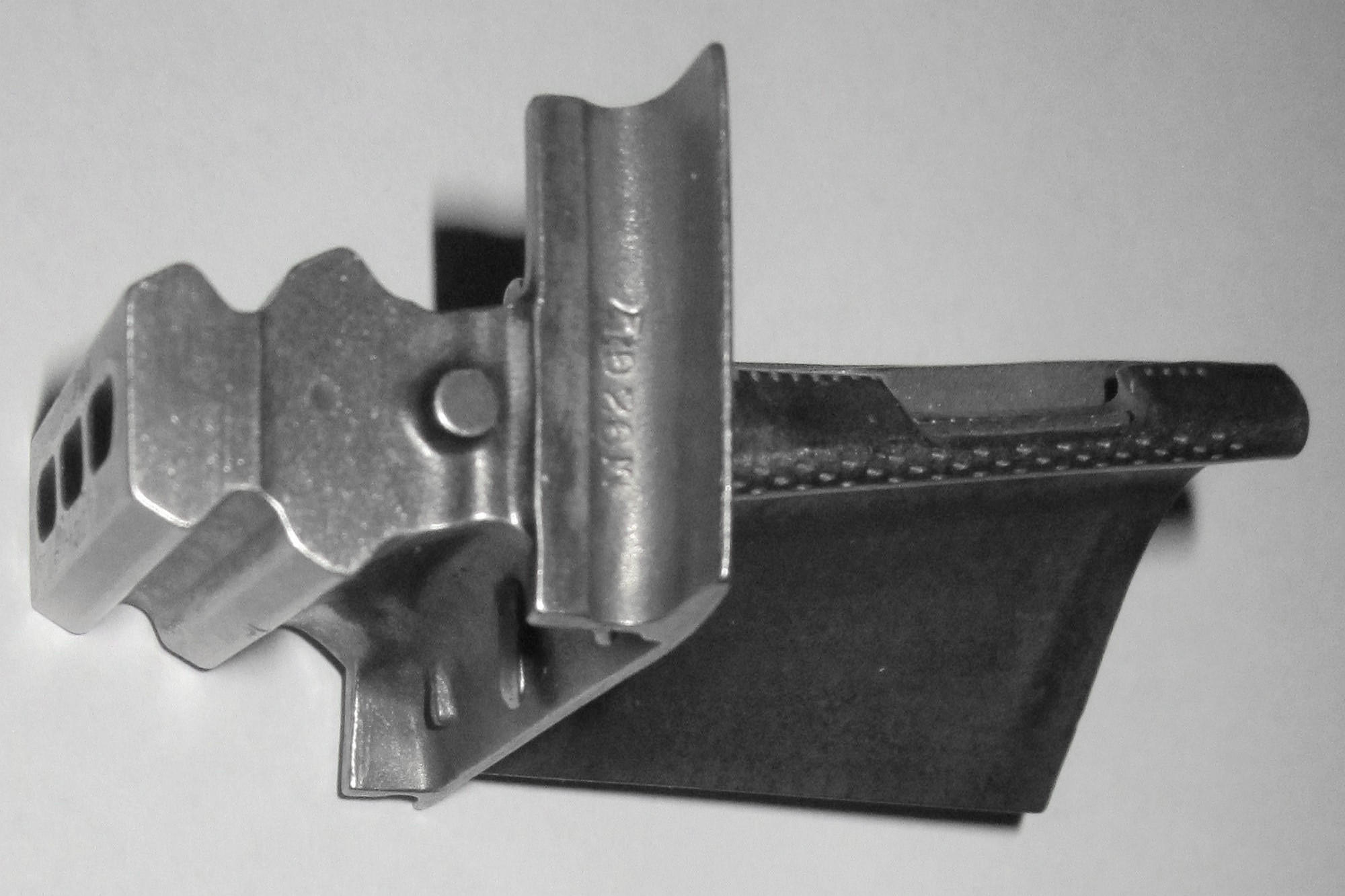
チタン合金鋳造品の中核となる溶接能力
チタンの溶接には、極めて清浄な環境、一貫した熱入力、および正確な継手合わせが必要です。Neway AeroTech は以下の通り品質を確保します:
酸化のない TIG 溶接およびレーザー溶接のための不活性アルゴン雰囲気溶接チャンバー
チタングレードに適合したフィラーロッドを使用するTIG 溶接
熱影響部を最小限に抑えた薄肉接合のためのレーザー溶接
溶接後応力除去および研磨
当社のプロセスは、AWS D17.1、AMS 2817、および ASTM F136 の品質基準に準拠しています。
一般的に溶接されるチタン合金
合金 | 最高使用温度 (°C) | 降伏強さ (MPa) | 用途 |
|---|---|---|---|
400 | 880 | 航空宇宙用ブラケット、タービンケーシング | |
400 | 860 | 整形外科用インプラント、精密アセンブリ | |
350 | 620 | 管状アセンブリ、医療用チューブ | |
540 | 930 | 高圧ハウジング、ジェットエンジンフレーム |
これらのグレードは、溶接性、耐食性、および生体適合性のために選択されています。
事例研究:Ti-6Al-4V ELI 整形外科部品のレーザー溶接
プロジェクト背景
医療機器クライアントは、Ti-6Al-4V ELI脊椎インプラント部品の精密なシーム溶接を必要としていました。溶接は、微細な制御のためにパルスレーザーを使用して不活性チャンバー内で行われました。応力除去熱処理の後、SEM および X 線検査により、微細組織の均一性と気孔のない継手が確認されました。
一般的なチタン溶接部品の用途と産業
部品 | 溶接タイプ | 合金 | 産業 |
|---|---|---|---|
航空宇宙用ブラケット | TIG 溶接、2 パス | Ti-6Al-4V | |
脊椎インプラント | レーザーシーム溶接 | Ti-6Al-4V ELI | |
タービンシェル | TIG ルートおよび充填溶接 | Ti-6Al-2Sn-4Zr-6Mo | |
圧力ハウジング | プラズマキーホール溶接 | Ti-3Al-2.5Sn |
すべての溶接アセンブリは、疲労、応力、および表面完全性について検証されています。
チタン合金鋳造品における溶接の課題
大気汚染によりアルファケースが形成され、脆化を引き起こす
厚肉部の温度勾配による亀裂の発生
低純度のシールドガスによる溶接ビードの酸化
緊密な継手合わせがない場合のルート部の溶け込み不良
水素汚染および不適切なフィラーによる気孔発生のリスク
認証された溶接および溶接後処理ソリューション
最大限の不活性ガスカバーのためのグローブボックスまたは密閉チャンバー内での溶接
溶接部全体をカバーするためのアルゴンバックパージシステム
Ti-6Al-4V 用の 600–650°C での**溶接後応力除去**
酸化除去のための表面不動態化および超音波洗浄
構造級部品向けのオプションの HIP(熱間等方加圧)
結果と検証
溶接実施
継手は、アルゴンパージされた TIG およびパルスレーザービームを使用して、無酸素条件下で溶接されました。溶接前の機械加工は CMM(三次元測定機) によって検証されました。溶接後の研削および研磨により、公差は±0.01 mm 以内に維持されました。
溶接後処理
部品は残留応力を低減し、結晶粒構造を改善するために 熱処理を受けました。オプションの HIP により表面下の気孔が除去されました。表面は不動態化され、酸化物の除去について検査されました。
検査
X 線および SEM(走査型電子顕微鏡) により、完全な溶け込みと清浄な結晶粒界が確認されました。CMM により、溶接後の寸法目標が検証されました。すべての部品は、ASTM F67 および AMS 4943 の溶接品質基準に合格しました。
FAQs
チタン溶接にはどのようなシールド方法が使用されますか?
鋳造チタン部品はレーザー溶接できますか?
溶接後にはどのような熱処理が適用されますか?
チタン部品における溶接汚染はどう防止されますか?
どの産業がチタン溶接サービスから最も恩恵を受けますか?
