日本語

Super Alloy Vacuum Investment Castings Heat Treatment Service

目次
Precision Heat Treatment for High-Performance Superalloy Cast Components
Why Heat Treatment Is Essential for Superalloy Castings
Common Superalloys We Heat Treat
Case Study: Heat Treatment of Inconel 738 Nozzle Ring Castings
Project Background
Typical Heat-Treated Components and Industries
Heat Treatment Process Capabilities and Parameters
Results and Verification
Heat Treatment Execution
Post-Treatment Processing
Inspection
FAQs

Precision Heat Treatment for High-Performance Superalloy Cast Components

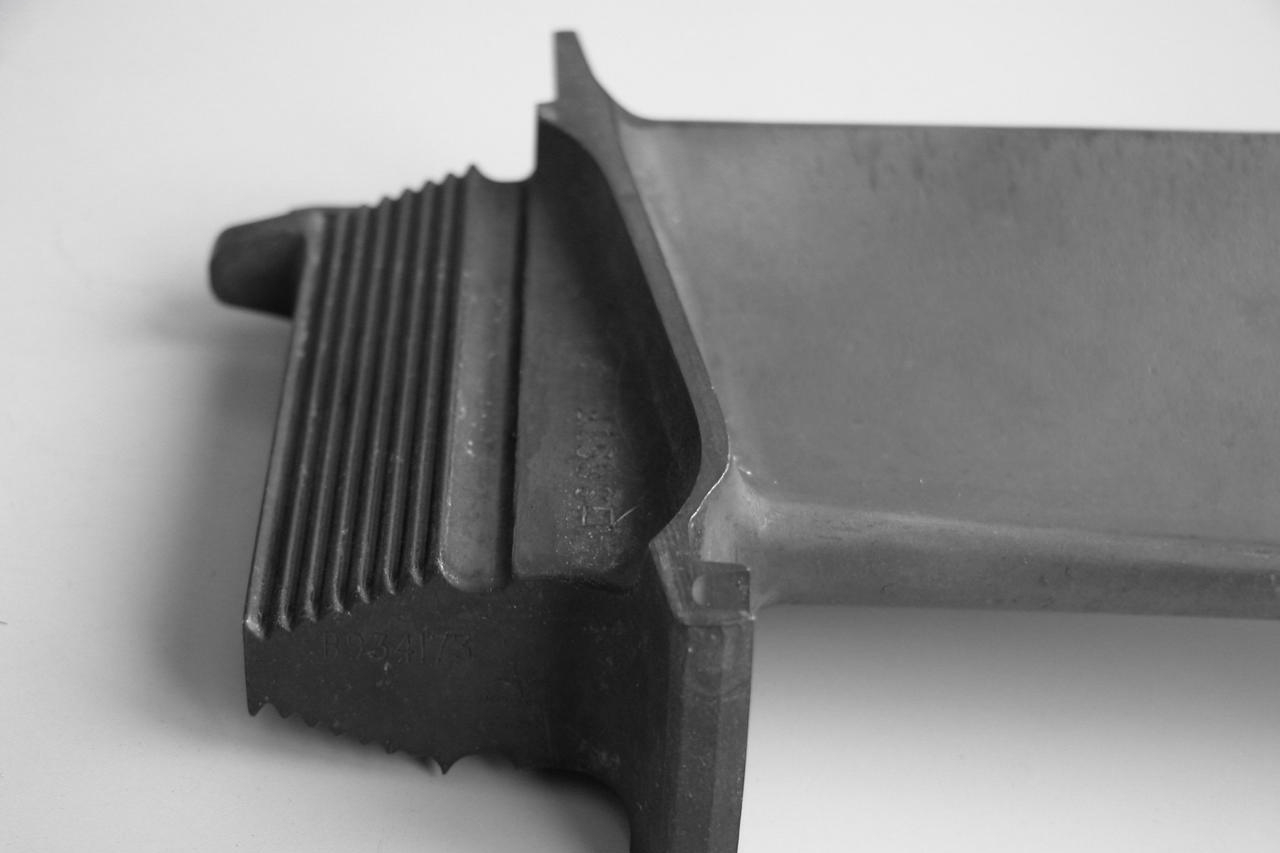
Superalloy components produced via vacuum investment casting are essential in gas turbines, jet engines, nuclear reactors, and industrial energy systems. After casting, these parts require specialized heat treatment to achieve the desired microstructure, mechanical strength, and dimensional stability. Heat treatment is critical to developing phase balance, relieving residual stress, and preparing the alloy for CNC machining, welding, or coating.

Neway AeroTech offers certified heat treatment services for superalloy castings such as Inconel, Rene alloys, CMSX single crystals, Hastelloy, and others. Our process controls cover solution treatment, aging, and stress relief cycles, ensuring optimal properties for high-temperature structural applications.

super-alloy-vacuum-investment-castings-heat-treatment-service

Why Heat Treatment Is Essential for Superalloy Castings

Superalloys require post-casting heat treatment to fully activate their gamma-prime or carbide precipitation hardening mechanisms and to stabilize the crystal structure:

  • Restores alloy ductility lost during casting solidification

  • Enhances creep and fatigue resistance through phase transformation control

  • Improves dimensional stability before CNC machining or HIP

  • Prepares surfaces for TBC coating or weld repair by homogenizing the microstructure

Our cycles conform to AMS 5383, AMS 2774, and customer-specific turbine alloy standards.

Common Superalloys We Heat Treat

Alloy

Max Service Temp (°C)

Typical Heat Treatment

Applications

Inconel 738

1050

1120°C/4h + 845°C/24h

Stator vanes, nozzle rings

Rene 80

1050

1175°C/2h + 870°C/16h

Turbine blades, shrouds

CMSX-4

1140

1290°C/3h + 870°C/20h

Single crystal airfoils

Hastelloy X

1175

1175°C/1h + water quench

Transition ducts, combustor walls

Each cycle is controlled within ±5°C to prevent phase imbalance and grain growth.

Case Study: Heat Treatment of Inconel 738 Nozzle Ring Castings

Project Background

A customer submitted 240 equiaxed Inconel 738 nozzle segments with 6–10 mm wall thickness. Heat treatment was performed at 1120°C for 4 hours, followed by aging at 845°C for 24 hours. Mechanical testing confirmed a 45% increase in yield strength and consistent hardness of 400–420 HV.

Typical Heat-Treated Components and Industries

Component Model

Description

Alloy

Industry

NRV-700

Vane ring with cast-to-shape vanes

Inconel 738

Power Generation

TBL-540

1st-stage turbine blade with root cooling

Rene 80

Aerospace

SCA-600

Single crystal airfoil with trailing hole

CMSX-4

Energy

EXH-330

Exhaust duct with radial segment welds

Hastelloy X

Oil and Gas

All parts were inspected using SEM, CMM, and hardness testing post-treatment.

Heat Treatment Process Capabilities and Parameters

  1. Solution treatment: 1120–1290°C, removes segregation and homogenizes gamma phase prior to precipitation

  2. Aging cycles: 845–880°C, held for 16–24 hours to promote gamma-prime strengthening and creep resistance

  3. Stress relief: 870–980°C, stabilizes components before or after HIP processing and welding

  4. Cooling method: gas fan or water quench, depending on alloy and grain control requirements

  5. Inspection tools: CMM, SEM, X-ray, and Brinell/hardness testers

Results and Verification

Heat Treatment Execution

Nozzle segments were heat treated at 1120°C ±5°C for 4 hours, followed by controlled furnace cooling to 845°C and held for 24 hours.

Post-Treatment Processing

Parts were CNC machined to finish dimensions. Additional processes included weld repair and TBC coating depending on turbine stage.

Inspection

X-ray confirmed structural integrity. CMM measurement validated critical tolerances. SEM microstructure evaluation confirmed phase distribution and absence of overaged grain boundaries.

FAQs

  1. What superalloys require multi-step heat treatment cycles after casting?

  2. Can heat treatment improve the weldability of cast superalloys?

  3. What is the difference between solution treatment and aging?

  4. How is hardness verified after superalloy heat treatment?

  5. Do you offer heat treatment + HIP + CNC as an integrated service?