
等軸晶鋳造超合金部品の多軸精密加工
等軸晶超合金部品のための精密フライス削りおよび旋盤加工
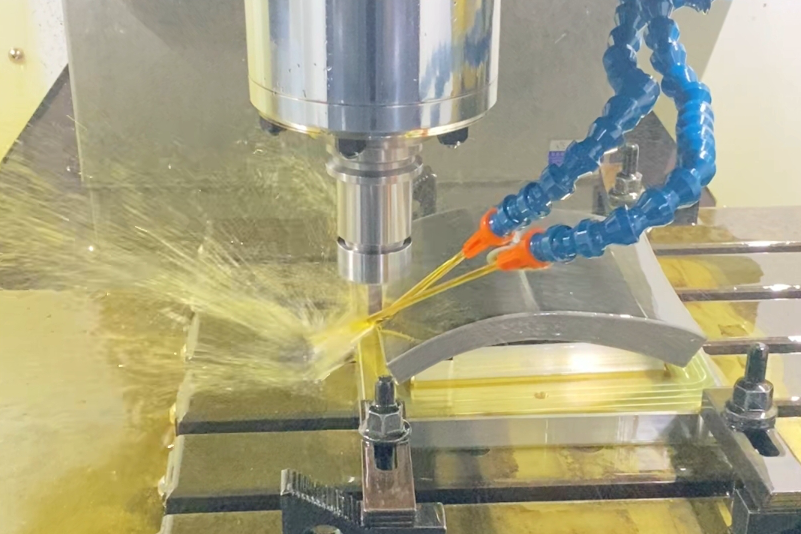
等軸晶鋳造品は、等方性の機械的特性が要求される複雑な高温タービン部品に広く使用されています。これらの超合金は、等軸晶鋳造によって処理される場合、ブレード、ベーン、ノズル、およびハウジングに対して、厳密な公差、空力的輪郭、および確実な機械的インターフェースを実現するために、多軸 CNC 加工を必要とします。
Neway AeroTech は、Inconel 713C、Hastelloy X、Rene 77、および Nimonic 90 から製造された等軸晶鋳造超合金部品の高精度な 多軸 CNC 加工 を提供します。
等軸晶鋳造品の CNC 加工における中核能力
等軸晶鋳造部品の加工には、複雑な 3D 形状全体にわたる精密な表面制御、一貫した材料除去、および位置精度が必要です。
ブレード翼型および曲面ハウジングのための5 軸同時 CNC フライス削り
同心インターフェース、フランジ、および穴の位置合わせのための多軸旋盤・フライス複合加工
スキャンされた鋳造プロファイルおよび CFD 由来の幾何学データを使用したツールパス最適化
難削性合金における熱管理のためのクーラント通過工具
加工ソリューションは、AS9100D、NADCAP、および顧客固有のタービン公差要件に従います。
等軸晶鋳造品から一般的に加工される超合金
合金 | 最高温度 (°C) | 降伏強度 (MPa) | 典型的な用途 |
|---|---|---|---|
950 | 760 | ノズルガイドベーン、タービンホイール | |
1175 | 790 | 燃焼器リング、排気フレーム | |
1040 | 960 | ステータセグメント、遷移ダクト | |
920 | 1265 | バルブガイド、タービンセグメント |
これらの超合金は、多方向荷重に対する優れた溶接性、耐酸化性、および強度の均一性を提供します。
事例研究:Rene 77 ノズルセグメントセットの CNC 加工
プロジェクト背景
産業用タービン OEM 企業が Neway AeroTech に、内部ベーン曲率と精密プラットフォーム幾何学を持つ Rene 77 等軸晶鋳造ノズルセグメントのバッチ仕上げ加工を発注しました。必要な公差:輪郭表面で±0.008 mm、Ra ≤ 0.5 μm、および後縁半径 0.2 mm。
一般的な等軸晶鋳造部品とその用途
部品 | 合金 | 公差 | 業界 |
|---|---|---|---|
ノズルセグメント | Rene 77 | ±0.008 mm | |
タービンシュラウド | Inconel 713C | ±0.010 mm | |
燃焼ライナー | Hastelloy X | ±0.012 mm | |
タービンステータリング | Nimonic 90 | ±0.006 mm |
各部品は、正確な嵌合、シール、および流動特性を実現するために多軸アクセスを必要とします。
等軸晶超合金部品における CNC 加工の課題
可変厚さの翼型における±0.008 mm 以内の表面公差
硬度 40 HRC 以上の合金における工具摩耗制御
バレル工具を使用したシール面でのRa ≤ 0.5 μm の維持
多特徴ハウジングにおける鋳造表面全体での穴位置合わせの維持
重要な基準点を保持しながら鋳造後の余剰部分を除去すること
等軸晶鋳造品のための多軸加工ソリューション
3D スキャン表面からのツールパス生成により、ネットシェイプ鋳造品からの精密な除去を保証
粗加工後のプロービングにより、基準フレームをリセットし、±0.005 mm 未満の位置公差を維持
クーラント供給超硬カッターにより、合金切削における表面仕上げを改善し、バリを低減
マイクロチャネルおよび高半径後縁のために二次放電加工(EDM)を使用
検査前に幾何学形状を安定化させるための加工後熱処理
結果と検証
製造方法
部品は、5 軸マシニングセンターを使用して真空鋳造等軸晶ブランクから加工されました。ツールパスは、鋳造状態の偏差に合わせて光学スキャンデータを使用して調整されました。
精密仕上げ
シール面および気流面上で Ra ≤ 0.4 μm の仕上げが達成されました。ブレンディング工具により移行リッジを除去し、前縁および後縁の半径を 0.2 mm に維持しました。
後処理
すべての部品は、HIP(熱間等方圧加圧)および応力除去熱処理を受けました。仕様に基づき、ガス接触面にオプションでTBC(熱遮断コーティング)を適用しました。
検査
CMM 検査により、表面および幾何学公差が確認されました。X 線により内部構造の連続性がチェックされました。SEM(走査型電子顕微鏡)により、エッジ品質および微細組織の健全性が検証されました。
FAQs
等軸晶鋳造タービン部品の典型的な加工公差は何ですか?
シール表面を Ra ≤ 0.5 μm まで加工できますか?
等軸晶鋳造タービン部品で最も一般的な合金は何ですか?
1 セットアップで粗加工と仕上げ加工の両方をサポートしていますか?
最終 CNC フライス削り中に鋳造表面の偏差はどのように処理されますか?
