
सुपरमिश्र धातु इनकोनेल 713 टर्बाइन वेन इलेक्ट्रो-थर्मल मटेरियल रिमूवल
इनकोनेल 713 टर्बाइन वेन्स के लिए इलेक्ट्रो-थर्मल मटेरियल रिमूवल का परिचय
इलेक्ट्रो-थर्मल मटेरियल रिमूवल, मुख्य रूप से इलेक्ट्रिकल डिस्चार्ज मशीनिंग (EDM) के माध्यम से, इनकोनेल 713 टर्बाइन वेन्स में आयामी सटीकता प्राप्त करने के लिए आवश्यक है। यह प्रक्रिया निवेश कास्ट सुपरमिश्र धातु भागों में दोष-मुक्त फीचर मशीनिंग को सक्षम बनाती है, जिसमें तापीय विरूपण और माइक्रोस्ट्रक्चर अखंडता पर उत्कृष्ट नियंत्रण होता है।
Neway Aerotech में, हम विशेष रूप से इनकोनेल 713 की EDM प्रोसेसिंग में माहिर हैं, खासकर उन टर्बाइन वेन घटकों के लिए जिन्हें बारीक फीचर्स, उच्च तापमान स्थिरता और कड़ी गुणवत्ता अनुपालन की आवश्यकता होती है।
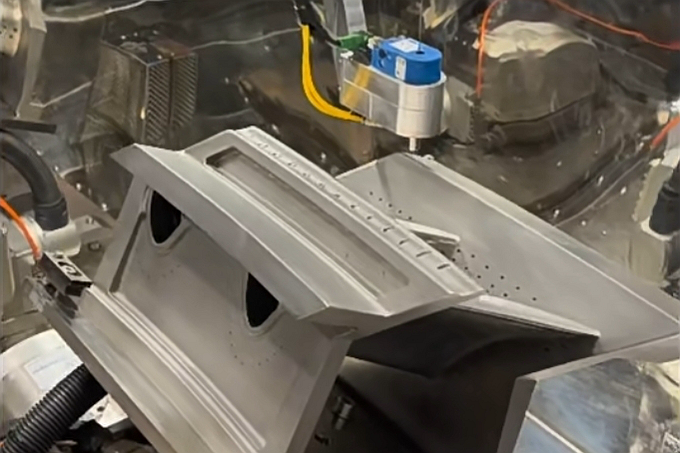
EDM मशीनिंग प्रौद्योगिकी का अवलोकन
EDM मशीनिंग का वर्गीकरण
EDM प्रक्रिया | सतह खुरदरापन (Ra, μm) | आयामी सहनशीलता (mm) | आस्पेक्ट रेशियो | हीट अफेक्टेड जोन (HAZ, μm) | न्यूनतम फीचर आकार (mm) |
|---|---|---|---|---|---|
वायर EDM | 0.3–1.2 | ±0.002–±0.01 | 20:1 तक | 2–5 μm | ~0.1 |
सिंकर EDM | 0.4–2.5 | ±0.005–±0.02 | 10:1 तक | 5–10 μm | ~0.2 |
होल ड्रिलिंग EDM | 0.5–3.0 | ±0.02–±0.05 | 30:1 तक | 10–15 μm | ~0.1 |
माइक्रो-EDM | 0.1–0.4 | ±0.001–±0.005 | 15:1 तक | <2 μm | <0.05 |
इलेक्ट्रो-थर्मल डिस्चार्ज स्थानीय रूप से सामग्री को हटाता है जबकि पतली वेन दीवारों पर टूल वियर या सतह विरूपण से बचता है।
EDM मशीनिंग चयन रणनीति
वायर EDM: ट्रेलिंग एज स्लॉटिंग, एयरफॉइल ट्रिमिंग और वेन श्राउड आउटलाइन फिनिशिंग के लिए आदर्श।
सिंकर EDM: वेन कास्टिंग में रूट कैविटी, आंतरिक फिलेट्स और एंटी-रोटेशन स्लॉट के लिए उपयोग किया जाता है।
होल ड्रिलिंग EDM: कूलिंग पास और फिल्म होल्स पर लागू होता है, आमतौर पर 0.6–1.0 मिमी व्यास।
माइक्रो-EDM: माइक्रो-सेरेशंस या 0.2 मिमी से कम के ब्लीड होल्स जैसी सटीक विशेषताओं के लिए उपयुक्त।
सामग्री संबंधी विचार
EDM के लिए इनकोनेल 713 टर्बाइन वेन गुण
गुण | मान |
|---|---|
तन्य सामर्थ्य @ 760°C | ~1030 MPa |
क्रिप रप्चर लाइफ @ 871°C | >100 घंटे |
कठोरता (कास्ट के रूप में) | HRC 32–38 |
थर्मल थकान प्रतिरोध | उत्कृष्ट |
कास्टिंग प्रदर्शन | निवेश कास्टिंग में उच्च सटीकता |
टर्बाइन वेन इलेक्ट्रो-थर्मल मशीनिंग के लिए इनकोनेल 713 क्यों?
स्पार्क इरोजन के दौरान संरचनात्मक अखंडता बनाए रखता है, HAZ और रीकास्ट को कम करता है
EDM के बाद ताप के संपर्क में आने पर उत्कृष्ट ऑक्सीकरण प्रतिरोध प्रदान करता है
मिशन-क्रिटिकल एयरोस्पेस वेन्स के लिए वैक्यूम निवेश कास्टिंग और सटीक EDM-आधारित फिनिशिंग के साथ संगत
केस स्टडी: इनकोनेल 713 टर्बाइन वेन फिल्म कूलिंग चैनलों की EDM मशीनिंग
परियोजना पृष्ठभूमि
एयरोस्पेस क्षेत्र के एक ग्राहक को औद्योगिक गैस टर्बाइन स्टेज के लिए इनकोनेल 713C निवेश-कास्ट वेन्स पर बारीक फीचर मशीनिंग की आवश्यकता थी। इस भाग में प्रति वेन 36 कूलिंग होल और दो गहरे सिंकर कैविटी थे।
विनिर्माण कार्य प्रवाह
कास्टिंग: ±0.1 मिमी की वैक्स पैटर्न सटीकता के साथ वैक्यूम निवेश कास्ट
प्री-मशीनिंग: EDM इलेक्ट्रोड संरेखण के लिए डेटम सेट करने हेतु CNC रेफरेंसिंग
होल EDM: 36 कूलिंग होल, 0.8 मिमी व्यास, 15:1 आस्पेक्ट रेशियो, सहनशीलता ±0.02 मिमी
सिंकर EDM: ग्रेफाइट इलेक्ट्रोड का उपयोग करके 8 मिमी गहरा स्लॉट बनाया गया, स्पार्क गैप 0.1 मिमी
वायर EDM: अंतिम ट्रेलिंग एज और वेन टिप को ±0.005 मिमी की सटीकता के साथ ट्रिम किया गया
पोस्ट प्रोसेस
2 घंटे के लिए 925°C पर तनाव राहत ताप उपचार
सरंध्रता को समाप्त करने के लिए 1200°C, 100 MPa पर HIP चक्र
दहन-सामना करने वाली सतहों के लिए वैकल्पिक TBC कोटिंग
सतह फिनिशिंग
आंतरिक प्रवाह पथ Ra ≤ .6 μm तक पॉलिश किए गए
वेन दीवारों पर पैसिवेशन लगाया गया
थर्मल तनाव एकाग्रता को कम करने के लिए टिप त्रिज्या को R0.05 मिमी तक परिष्कृत किया गया
निरीक्षण
±2 μm की सटीकता के साथ कूलिंग होल और कैविटी गहराई पर CMM
X-ray निरीक्षण ने आंतरिक ध्वनिता की पुष्टि की
SEM ने कोई माइक्रोक्रैक नहीं दिखाया, स्पष्ट डिस्चार्ज लाइनें थीं
अल्ट्रासोनिक इमर्शन टेस्टिंग ने छिद्र-मुक्त आयतन को सत्यापित किया
परिणाम और सत्यापन
इलेक्ट्रो-थर्मल EDM मशीनिंग ने सभी एयर पास ज्यामिति और वेन रूट फिटिंग पर ±0.003 मिमी के साथ सुसंगत फीचर रिज़ॉल्यूशन प्रदान किया।
पोस्ट-प्रोसेस अखंडता को SEM और अल्ट्रासोनिक निरीक्षण के माध्यम से सत्यापित किया गया, जिसमें स्पार्क जोन में कोई अवशिष्ट क्रैकिंग या रीकास्ट मौजूद नहीं था।
फिल्म होल्स के अंदर सतह फिनिश Ra ≤ 0.6 μm थी, जिससे गर्म गैस अशांति या कटाव का जोखिम समाप्त हो गया।
CMM तुलना ने 3D वेन कॉन्टूर पर <2 μm विचलन के साथ CAD मॉडल के पूर्ण आयामी अनुपालन को दर्शाया।
टर्बाइन वेन्स ने सहनशीलता परीक्षण में 300 से अधिक थर्मल चक्र पूरे किए, बिना किसी मापने योग्य विरूपण, कटाव या सामग्री हानि के।
अक्सर पूछे जाने वाले प्रश्न (FAQs)
EDM इनकोनेल टर्बाइन वेन्स में कूलिंग होल आकार स्थिरता को कैसे प्रभावित करता है?
इनकोनेल 713 सिंकर EDM के लिए इष्टतम स्पार्क ऊर्जा स्तर क्या है?
क्या पोस्ट-रिपेयर वेन ज्यामिति सुधार के लिए TBC कोटिंग के बाद EDM लागू किया जा सकता है?
टर्बाइन एयरफॉइल पर EDM द्वारा प्राप्त किया जा सकने वाला न्यूनतम होल व्यास क्या है?
पतली दीवार वाली वेन्स पर इलेक्ट्रो-डिस्चार्ज रिमूवल के दौरान थर्मल क्रैकिंग से कैसे बचें?
